riderinstinct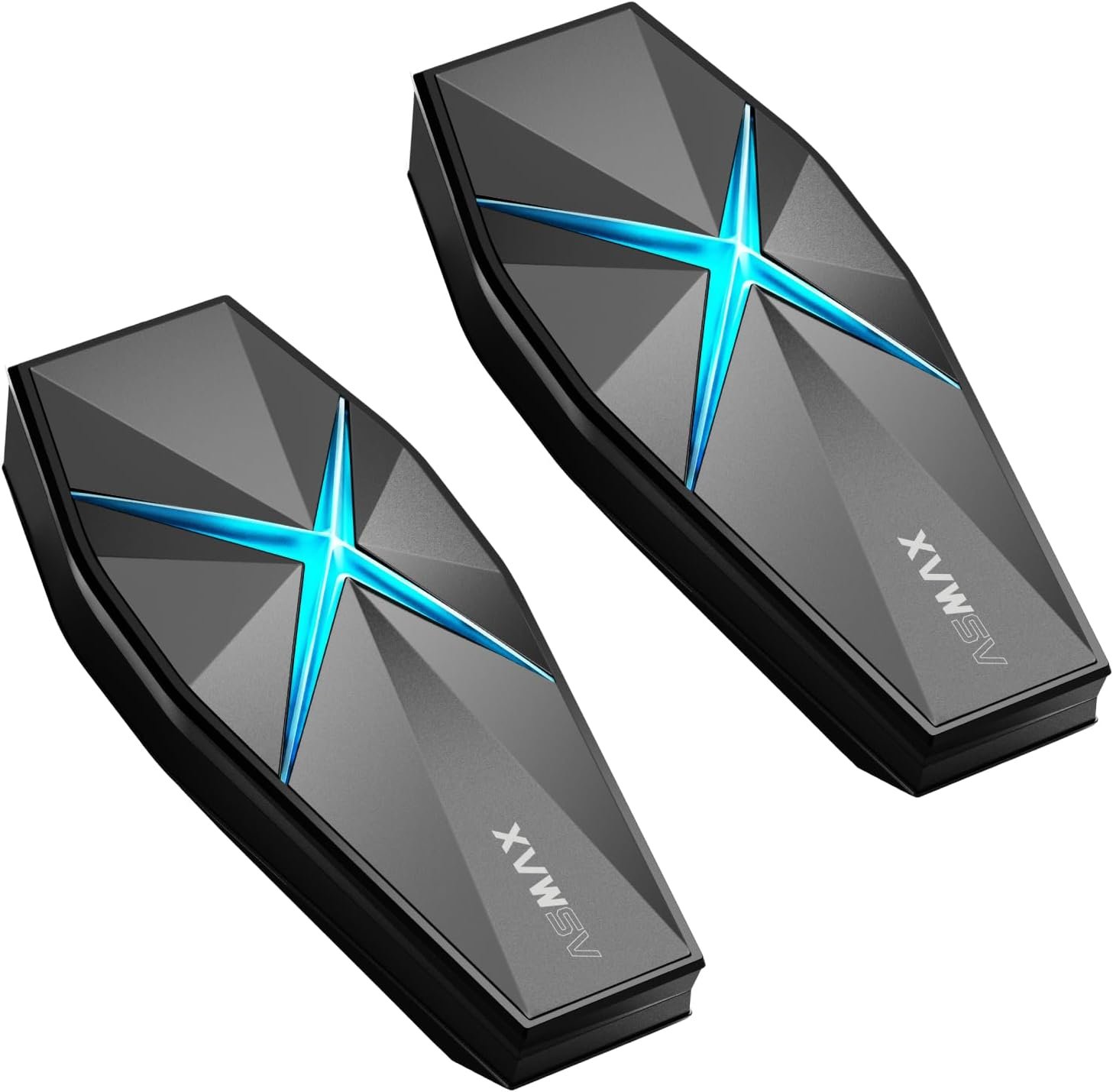
Why an intercom matters (and what ‘right’ really means)
An intercom is a safety and convenience tool: navigation prompts, rider‑to‑rider directions, hazard warnings from a pillion or group leader, and hands‑free calls. “Right” doesn’t mean the fanciest feature set — it means the system that reliably supports how you ride. A commuter who needs occasional calls and GPS directions has different priorities than a touring club that needs group voice continuity across long distances.
Before you look at products, decide the essentials: how many people you’ll communicate with, whether you want music while talking, whether you need waterproofing for year‑round use, and how comfortable you are with app‑based setup and occasional firmware updates. Those decisions rule out entire technology classes and make the shopping process practical instead of overwhelming.
A simple decision framework to narrow choices quickly
Use three quick filters to narrow the field before comparing specs:
- Group size: rider+pillion only; small groups (2–6); or large groups/clubs (10+)?
- Simultaneous audio needs: do you need GPS/music and intercom at the same time, or is mutual exclusivity acceptable?
- Environment and reliability: all‑weather (rain/snow) and off‑road dust resistance or mostly dry‑weather urban rides?
These answers steer you to broad categories: simple Bluetooth 2‑way units for two‑up; multi‑pair Bluetooth or dual‑chip devices for small groups and simultaneous audio; mesh or hybrid mesh/cloud systems for organized larger groups and long‑distance touring.
Technology types and their trade‑offs
Intercom systems on the market fall into three practical groups; each carries trade‑offs:
- Bluetooth (2‑way/paired units): Straightforward, inexpensive two‑person comms; often limited range and usually mutual exclusivity between music and intercom. Pros: simple pairing, long runtimes on some units. Cons: not ideal for large group rides.
- Multi‑pair Bluetooth & dual‑chip systems: Allow several devices to be paired and may support simultaneous audio + intercom (dual‑chip). Good for small group rides (3–6) and touring pairs who want GPS and music while talking. Pros: flexible device pairing, often cheaper than mesh. Cons: range and group stability are limited versus mesh.
- Mesh / Cloud / Hybrid networks: Designed for stable multi‑party conversations and larger groups. Mesh keeps riders talking locally with good handoffs; cloud or 5G hybrid modes extend range via internet networks. Pros: robust group comms, usually app‑driven features. Cons: more complex setup, heavier reliance on firmware/app updates and sometimes higher cost.
Note: “Range” numbers provided by manufacturers are ideal open‑area figures. Real world range varies with terrain, helmet type and RF interference. Treat advertised maximums as directional — verify warranty and returns if real‑world performance matters for your use.
Features that actually matter on the road
When comparing units, don’t be dazzled by marketing. Focus on these practical features:
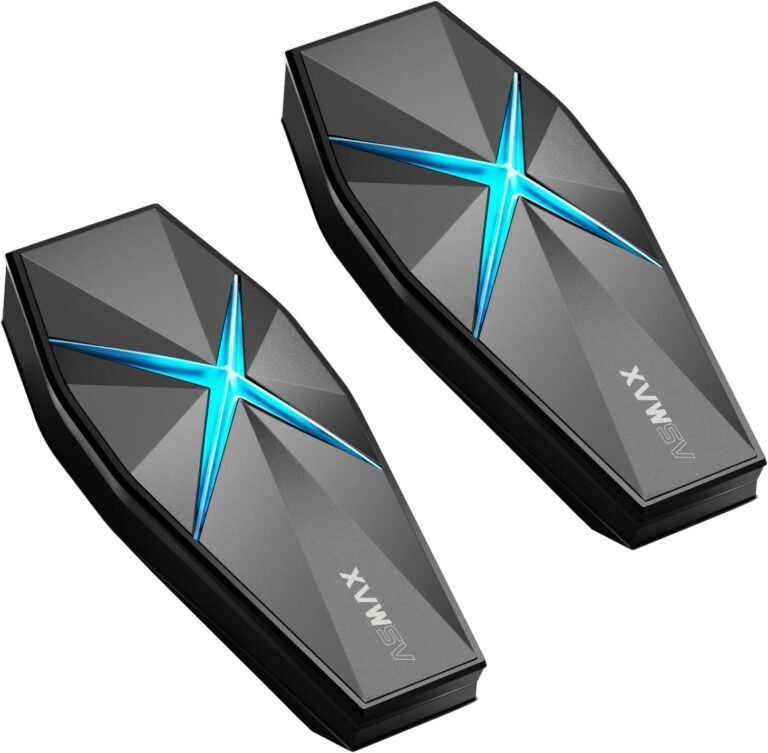
- Realistic group capability: Is it a two‑person intercom, multi‑pair device or true mesh for groups? Mesh/cloud systems such as the ASMAX F1s are aimed at groups up to 10 riders (mesh) and include a CloudTalk mode for many more — but that added flexibility requires app/firmware attention.
- Noise cancellation and mic type: Good ENC/ CVC with hardware foam and a properly placed boom mic matter more to clarity than speaker size alone. Riders who regularly hit highways should prioritise strong noise reduction.
- Simultaneous audio: If you want music and navigation while maintaining an intercom, choose dual‑chip or explicitly multitasking systems (claimed in Novamente V6 Pro+). If the unit makes music and intercom mutually exclusive, confirm that’s acceptable.
- Weatherproofing: IP67 or similar is practical for year‑round riders; confirm actual tested ratings if the listing is inconsistent (Novamente’s listing showed IP65 and IP67 in different places — verify before purchase).
- Battery and charging: Manufacturer runtimes are helpful but verify typical talk and music times. Long runtimes and fast charging (ASMAX claims 1250mAh with fast charge) are valuable for multi‑day tours.
- Mounting and helmet compatibility: Some units use quick‑release mounts for fast swaps (ASMAX F1s has a one‑press mechanical quick‑release); others need adhesive pads. Check space for speakers and mic routing in your helmet.
- App & firmware support: OTA updates and a good app matter for mesh/cloud systems and voice control — expect additional setup time if the product relies on app features.
Compatibility, helmet fit and installation tips
Fitment and installation are often overlooked until you try to cram speakers into a cheek pocket or route the mic through a narrow gap. Key practical notes:
- Check mic options: Full‑face helmets usually work best with a boom mic; open or flip‑up helmets may prefer a button mic. Many kits (JESIMAIK, Fodsports) include both types.
- Speaker size and pocket space: 40mm drivers are common, but measure helmet pockets; ultra‑thin speakers reduce internal pressure and ear fatigue (some units advertise thin drivers).
- Mount type: Quick‑release mounts speed helmet swaps and can improve security. If you change helmets often, prefer mechanical quick‑release designs or magnetic air mounts depending on manufacturer claims.
- Universal pairing: If you have mixed-brand friends, ensure the unit offers cross‑brand pairing — Cardo products often emphasise universal connectivity; ASMAX and others mention compatibility but note feature limits across brands.
Before purchase, verify mounting accessories in the box and whether replacement adhesive pads or cables are required for your helmet model.
Safety, legal and real‑world operation tips
Intercoms are tools — misuse increases risk. Follow these practices:
- Keep volume at a level that still lets you hear ambient traffic and emergency vehicles; use short, clear voice cues rather than long conversations in traffic.
- Prefer hands‑free voice control where practical (ASMAX F1s and Cardo claim voice assistants) but test voice reliability in your local environment before relying on it during complex traffic situations.
- Perform regular firmware updates — bug fixes often address connectivity and safety issues. However, keep a simple backup plan (phone call protocol) if an OTA update temporarily destabilises group communications.
- Check battery before long rides; many failures happen because units were left in standby for long periods. Fast‑charge support or use‑while‑charging can be lifesavers on multi‑day tours.
- Follow local helmet and electronics regulations — do not modify helmet shell integrity when installing hard mounts or running cables.
Product recommendations by riding style (what each model actually fits)
Below are practical matches using the supplied product facts and RiderInstinct summaries. Each entry explains who should consider the unit and the limitations to check before buying.
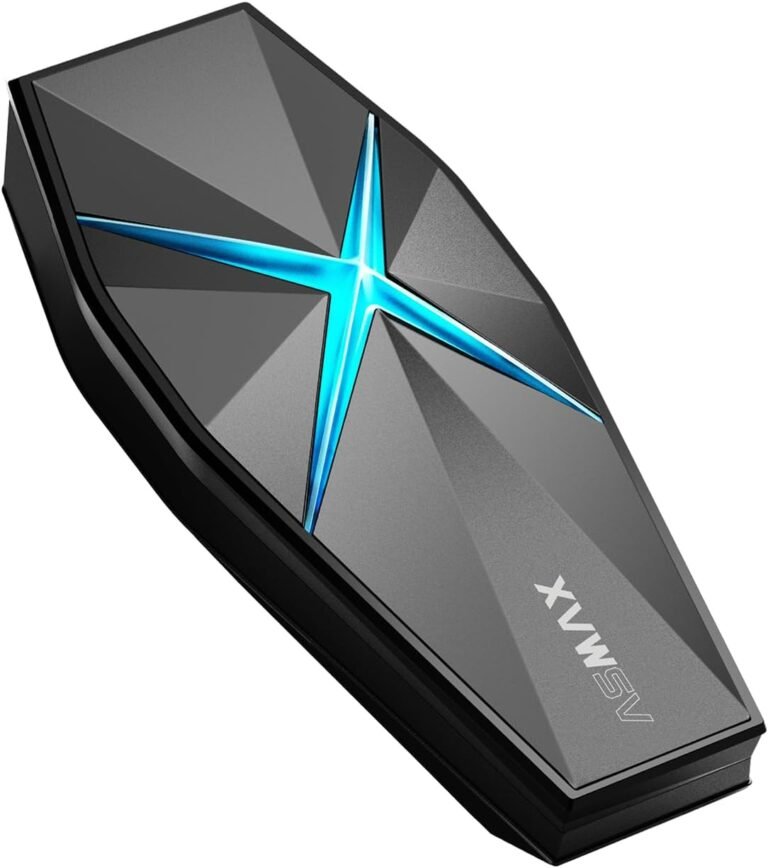
- ASMAX F1s — best for organized multi‑rider touring and tech‑forward groups. Why it fits: supports Mesh for 10 riders, CloudTalk mode for up to 50, and an ASMAX 5G+Mesh hybrid for automatic handover. Strong ENC, 40mm drivers, long claimed runtimes and IP67 protection make it a powerful tourer’s tool. Limitations: cross‑brand feature compatibility can vary and advanced modes depend on app/firmware setup. Read the full ASMAX F1s review before buying.
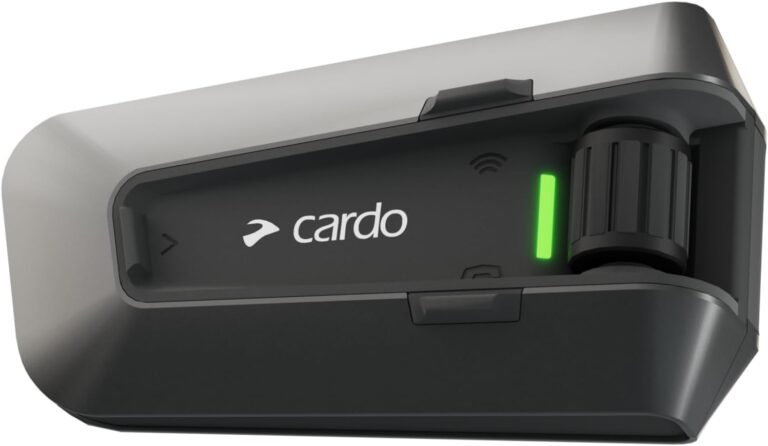
- Cardo PACKTALK Edge — best for riders who prioritise a mature ecosystem and proven brand support. Why it fits: Cardo emphasises OTA updates, universal connectivity, and features like automatic volume. Limitations: supplied facts don’t list battery or range specifics here; verify runtime and mounting details on the product page or through RiderInstinct’s review Cardo PACKTALK Edge review.
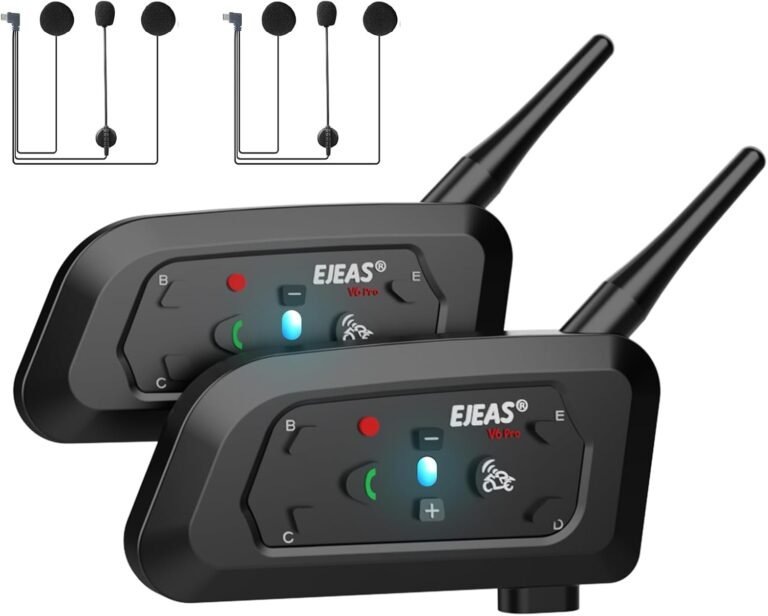
- Novamente V6 Pro+ — best value for small groups and riders who need simultaneous audio multitasking. Why it fits: dual‑chip audio multitasking lets GPS/music play while intercom is active; long listed battery life and support up to six paired devices. Limitations: listed IP rating inconsistent in the listing (confirm exact rating) and Bluetooth‑based intercom is not the same as mesh for large groups. See the Novamente V6 Pro+ review.
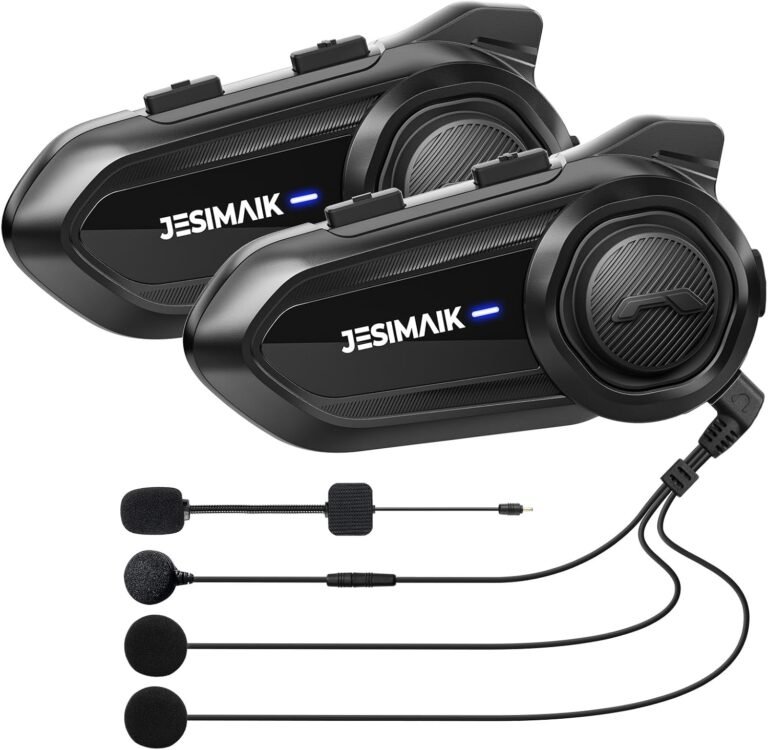
- JESIMAIK R18 Lite — best for two‑up riders who want weatherproofing and long run times on a budget. Why it fits: IP67 rating, long manufacturer‑stated runtimes (25H intercom, 30H music), music sharing and reliable Bluetooth 5.1. Limitations: intercom and music cannot run simultaneously; range claims are manufacturer‑stated and should be tested in your riding environment. Read the JESIMAIK R18 Lite review.
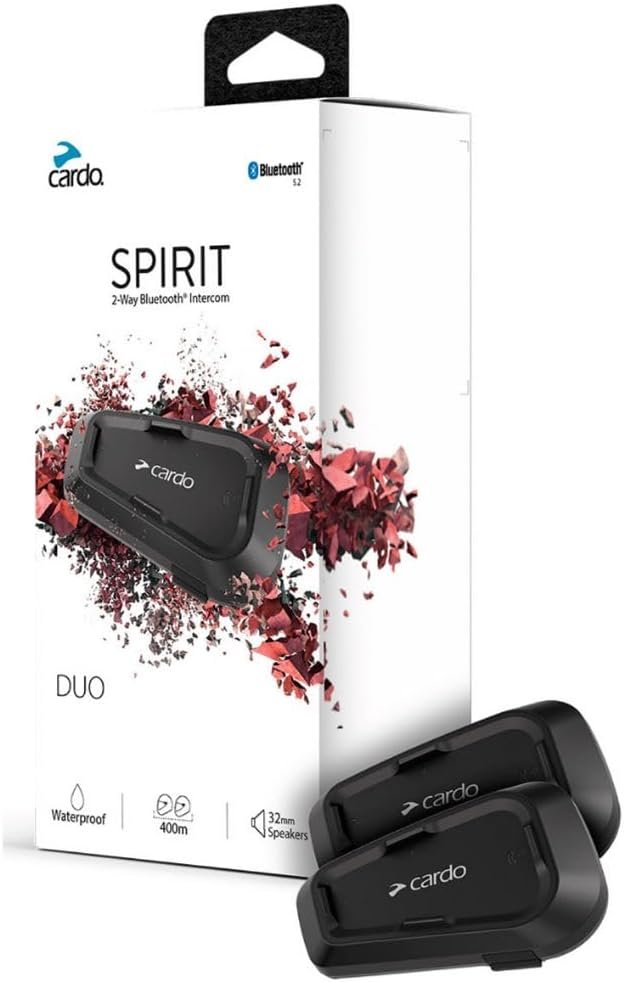
- Cardo Spirit Dual Pack — best when you want simple cross‑brand Bluetooth pairing and a two‑unit solution with OTA support. Why it fits: Universal Bluetooth pairing and Cardo’s OTA software promise. Limitations: the supplied facts lacked key specs (battery life, exact IP rating); verify those before buying via the RiderInstinct review Cardo Spirit review.
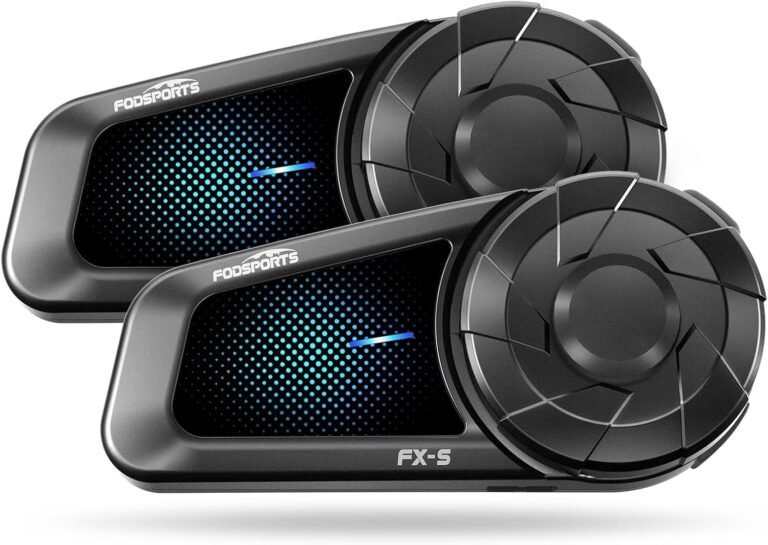
- Fodsports FX‑S — best for budget riders needing weatherproofing and mic options for multiple helmet types. Why it fits: IP67 waterproofing, Bluetooth 5.4, both button and boom mic options, and claimed 1000m intercom range. Limitations: supplied facts don’t include battery runtime; confirm on the manufacturer site or review. See the Fodsports FX‑S review.
These recommendations are conditional: verify ambiguous or conflicting specs (IP rating inconsistencies, real‑world range, warranty terms) with the manufacturer or the RiderInstinct product review before buying.
How to choose: a step‑by‑step pre‑purchase checklist
Follow this sequence the next time you compare headsets:
- Define your ride profile (commute, duo touring, small group, club touring).
- Decide if simultaneous music/navigation and intercom are required.
- Check the advertised group capability (two‑way Bluetooth, multi‑pair, mesh, cloud) and prioritise the appropriate technology type.
- Verify key practical specs: realistic battery runtimes, IP rating (resolve any conflicting listing info), mic options, mounting hardware and speaker sizes.
- Read the RiderInstinct review and manufacturer warranty/return policy; check firmware update frequency and available app controls.
- Measure helmet speaker pocket and test fit where possible; buy from a retailer with a good return policy if unsure.
- Plan a short local ride with the unit before any long tour to confirm voice recognition, voice‑assistant reliability and real‑world range in your area.