riderinstinct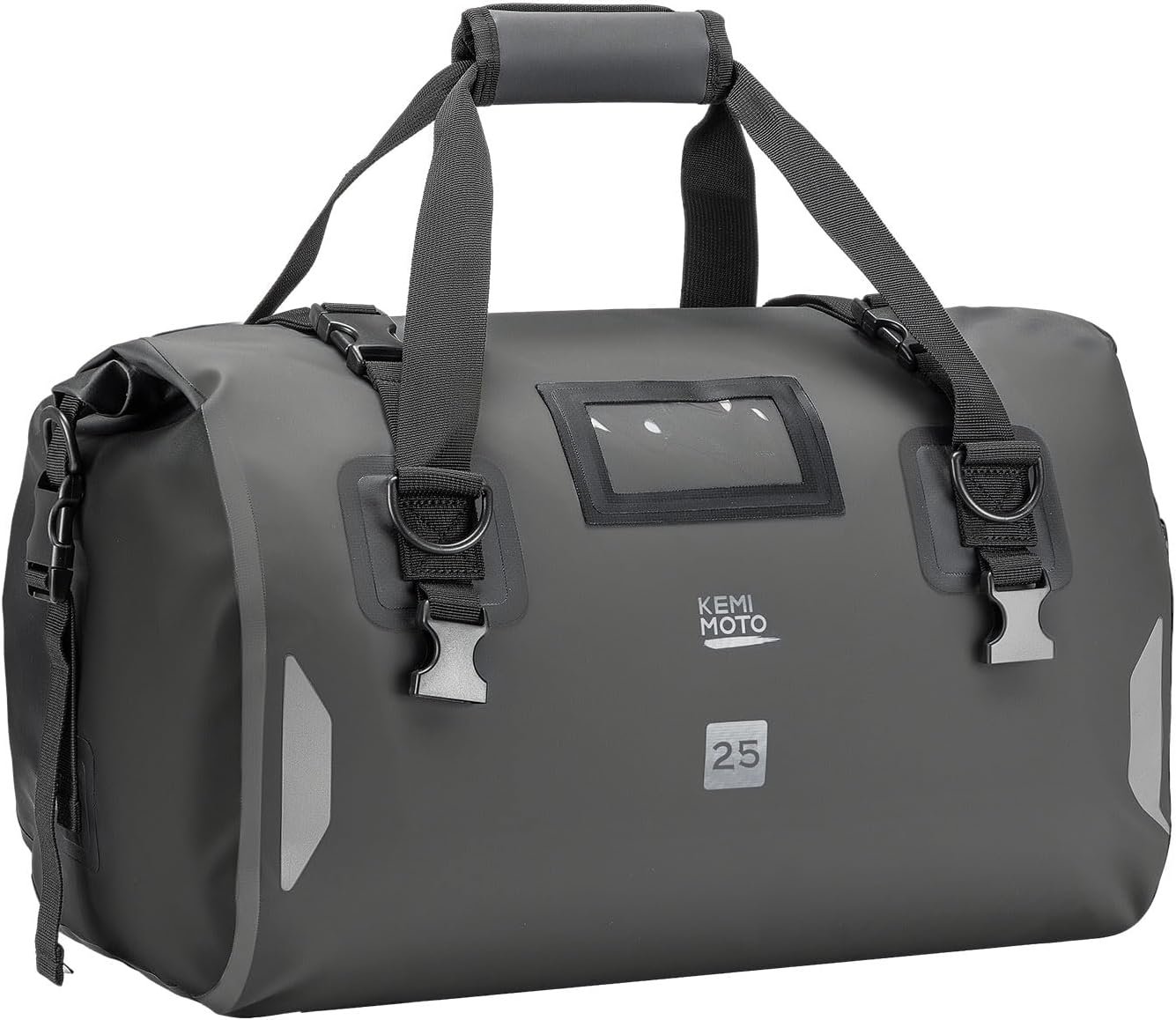
Why a decision framework beats impulse buys
Motorcycle luggage is not one-size-fits-all. Two riders can both say they want a “tail bag” and end up with products that behave very differently on the road. The right choice comes from answering a few practical questions first: how much do you carry, how often will you ride in wet conditions, do you need theft-resistant locking, and where on the bike can you securely mount luggage?
Start with a simple decision framework: (1) define your typical mission (commute, weekend, multi‑day tour, or off-road), (2) quantify the volume you expect to carry (small daily essentials vs. helmet + kit), (3) list non-negotiable features (waterproofing, lockability, quick access), and (4) check fit and mounting options on your bike. This sequence narrows choices quickly and keeps you from buying overly large or insecure luggage that works poorly on your motorcycle.
Throughout this guide we’ll explain trade-offs—capacity vs. impact protection, waterproofing vs. breathability, and universal straps vs. dedicated rack mounts—so you can make an informed call rather than a style-based one.
Types of motorcycle luggage and when they make sense
Knowing the main luggage categories helps match a product to a use-case. Here are the commonly used types:
- Tank bags — Sit on the fuel tank, provide quick access to maps, phones or wallets. Best for commuting and short rides. Check clearance for steering and fuel cap access.
- Tail/seat bags and duffels — Attach to the pillion seat or rear rack. Flexible capacity and often waterproof. Good for weekend trips and when you don’t want a heavy rack-installed system.
- Saddlebags — Soft or hard bags hung at the sides. Soft saddlebags are light and flexible; hard saddlebags (panniers) give security and crash protection.
- Top boxes / hard cases — Lockable, rigid storage often mounted to a rack or subframe. Best where theft resistance and impact protection matter.
- Backpacks — Personal carry, convenient but add weight to the rider’s spine—affects comfort on long rides and can be hot.
- Saddlebag liners and organizers — Removable internal bags that make packing/unpacking easier and keep contents tidy.
Each category has trade-offs: soft luggage offers flexibility and usually better weather protection per dollar, while hard luggage provides security and structural protection at higher cost and weight. Your choice depends on how you balance those priorities.
Features that actually matter (and those that don’t)
When comparing bags, focus on functional features rather than marketing copy. The important ones are:
- Mounting system: Dedicated racks, 4-point straps, quick-release buckles or D‑rings. A secure mounting method reduces movement and failure risk.
- Weather protection: Look for roll-top dry bags, welded seams or waterproof-rated materials. “Water-resistant” is not the same as waterproof.
- Capacity and internal organisation: Choose pockets and dividers that reflect how you pack—electronics, clothing, tools.
- Carry modes: Shoulder straps, handles or backpack straps matter for off-bike convenience.
- Visibility and safety: Reflective panels or buckles improve night visibility; bright liners make items easier to find.
- Durability: Materials like 500D PVC or 1680D Oxford and reinforced stress points last longer in heavy use.
Less important are cosmetic touches that don’t affect function; a flashy logo won’t keep your gear dry or stop a pannier from coming loose. Prioritise the practical list above.
Fit, sizing and compatibility—measure before you buy
Fit is where many purchases go wrong. Follow these steps before committing:
- Measure the available mounting space—seat length, rear rack dimensions and distance to rear light/indicators.
- Check clearance for passenger footpegs, exhaust, and indicators when a bag is fitted.
- Match the bag’s attachment system to your bike: does it need a pannier rack, a luggage plate or will straps/D‑rings work?
- Verify the bag dimensions against your measured space. If the listing omits dimensions, ask the seller or manufacturer.
Important safety note: motorcycles have specified luggage/load limits. Excess weight affects braking, suspension and handling—so verify your motorcycle’s maximum cargo capacity in the owner’s manual or with the manufacturer. If exact load limits are not supplied with a product, plan conservatively.
Safety, stability and legal considerations
Mounting luggage incorrectly creates safety hazards. Key considerations:
- Keep mass low and central: Heavy items should sit as low and close to the bike’s centerline as possible. High or rearward weight amplifies pitch and reduces steering agility.
- Secure every attachment: Use rated straps and the bag’s designated mounting points. Avoid looping straps where they can chew into wiring, hoses or hot parts.
- Prevent movement: A shifting load changes balance quickly. Use internal compression, tie-downs or removable organisers to keep contents from moving.
- Don’t obscure lights or plate: Make sure bags don’t block headlights, taillights, indicators or the license plate—this can be illegal and dangerous.
- Inspect before every ride: Quick checks of buckles, straps and mounts should be routine on any loaded tour.
If you’re unsure about a mounting solution or load limit, consult the motorcycle manufacturer or an experienced fitter—safety-critical details should be verified rather than assumed.
Materials, weatherproofing and longevity
Common materials and constructions you’ll encounter:
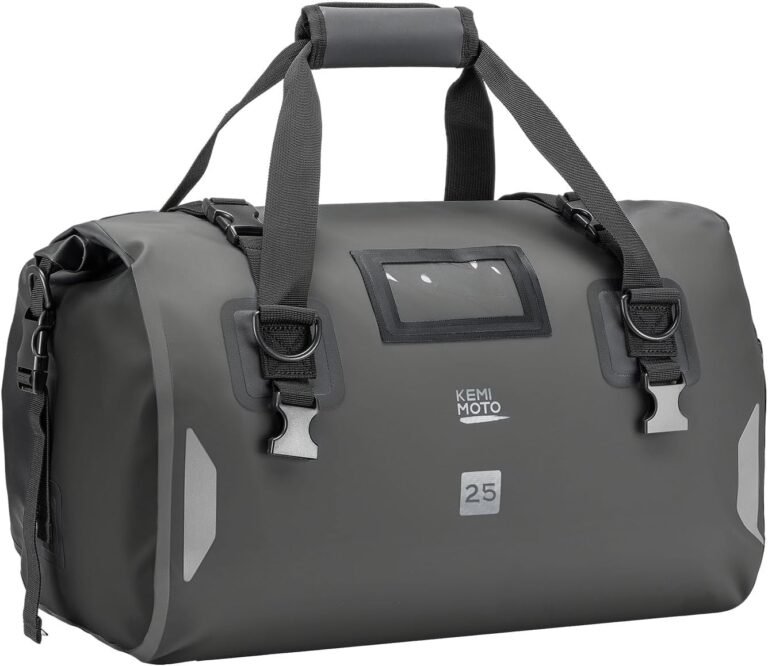
- Welded-seam waterproof fabrics: Many dry bags and waterproof tail bags use welded seams and roll-top closures for reliable water exclusion. For example, the KEMIMOTO Waterproof Dry Bag lists IPX6 welded seams in its product facts—good for rain and spray but not an impact shell.
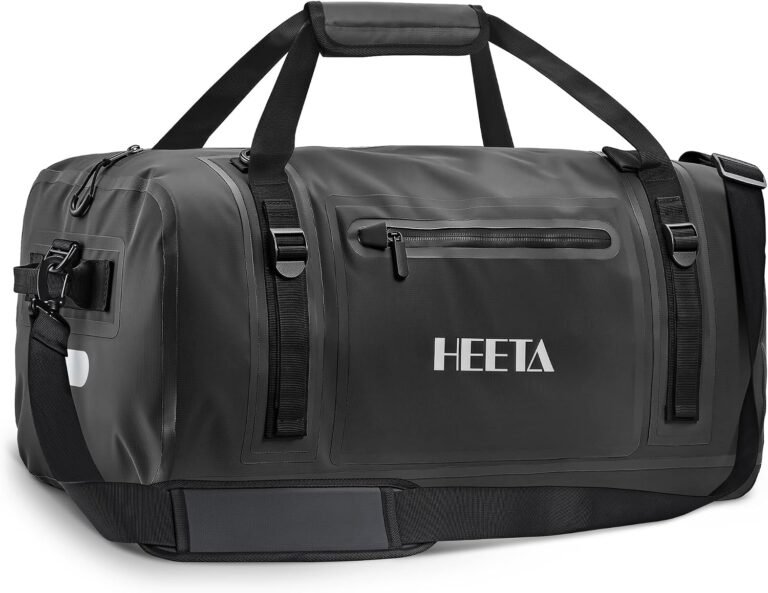
- 500D PVC and heavy Oxford: Durable, abrasion-resistant fabrics used in rugged duffels like the HEETA Waterproof Motorcycle Dry Bag, which specifies 500D PVC and welded seams for a watertight design.
- Hard plastics and ABS: Used in lockable panniers and top boxes for impact protection and theft resistance—these are heavier but protect fragile contents better than soft bags.
Remember: a waterproof bag keeps water out, but soft luggage won’t protect well from impacts or crushing. If you need both weatherproofing and crash protection, consider a waterproof inner dry bag plus a hard outer case or a rigid pannier system.
Choosing by riding style: practical recommendations with examples
Below are typical rider profiles and luggage approaches. I’ve included product examples from the supplied facts where they fit the use-case; these are illustrative and chosen to show how features map to needs.
- Urban commuter: You need quick access, modest capacity and low cost. Tank bags or small tail bags work best. If weather is often wet, choose a small waterproof dry bag or waterproof top pocket.
- Weekend tourer (paved roads): A 25–50L tail bag or medium duffel is often ideal. The KEMIMOTO Waterproof Motorcycle Dry Bag (25/40/65L) is a budget-friendly soft tail bag option with welded seams, internal organisation and quick-release straps—good for riders who want weather resistance and flexibility. See the KEMIMOTO review for details: https://riderinstinct.com/product/kemimoto-waterproof-motorcycle-dry-bag-review-25-65l-tail-bag/.
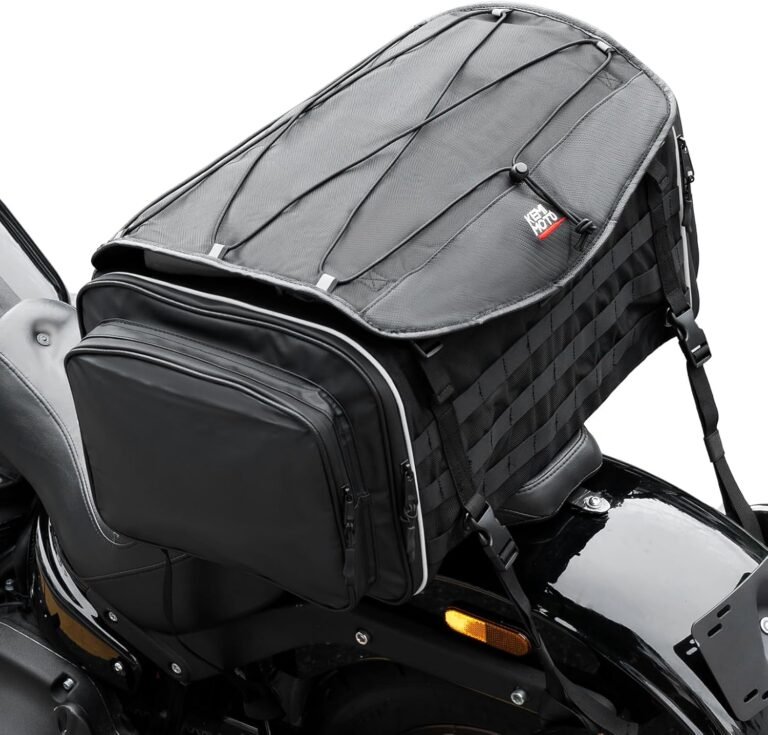
- Multi-day tourer & mixed road use: Look for 50L+ capacity, structure (removable frames or internal PE frames), and good attachment systems. The KEMIMOTO expandable 50L tail bag includes a removable PE frame to maintain shape and a rain cover—helpful for longer trips (product page linked above).
- Adventure/off-road: Durability and secure mounting are critical. Hard panniers or purpose-built soft luggage with reinforced mounts are preferred. If using soft luggage, ensure it has reinforced tie points and consider pairing with a lower, stiffer rack.
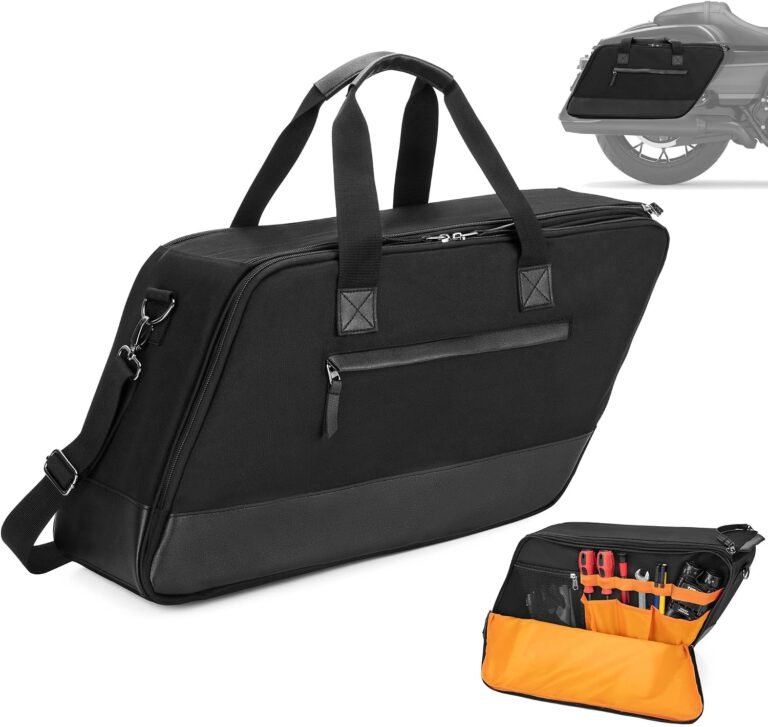
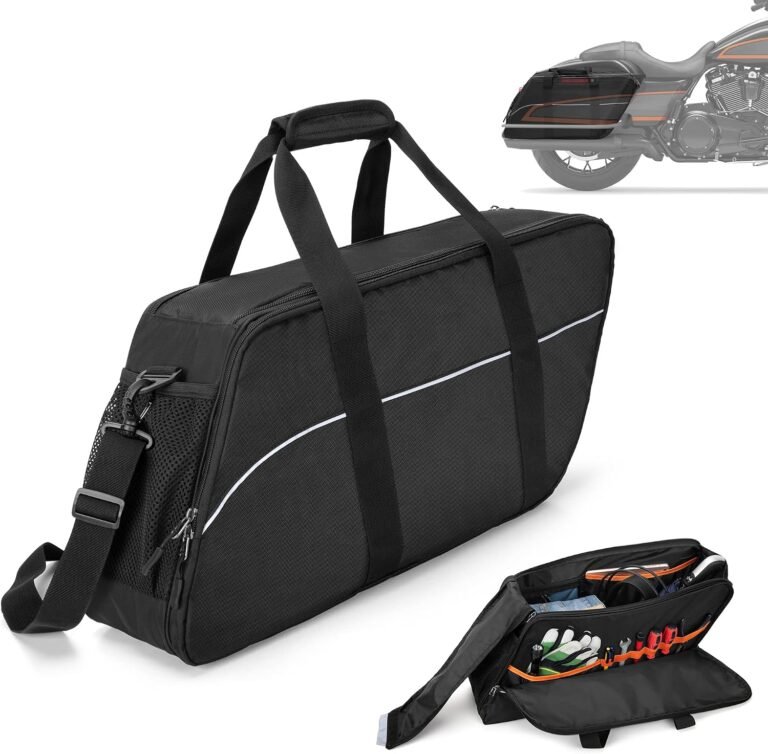
- Cruiser/touring riders with hard saddlebags: Removable saddlebag liners save packing time. The HODRANT saddlebag liner (18 x 6 x 10.5 inches) is designed to fit many Harley-Davidson touring hard saddlebags and offers multiple pockets and a bright orange liner to help find items—practical for riders who want organised, removable storage. See the HODRANT product page: https://riderinstinct.com/product/hodrant-saddlebag-liner-review-touring-organizer-bag/.
- Riders who want a multi-use duffel: If you want one bag to move between bike, car and travel, a rugged waterproof duffel like the HEETA Waterproof Motorcycle Dry Bag (available in 30/50/70L, 500D PVC, welded seams and multiple carry modes) provides flexible, weatherproof capacity and multiple carry options. Review: https://riderinstinct.com/product/heeta-waterproof-motorcycle-dry-bag-duffel-50l-review/.
Each of the above choices has limitations: soft bags trade impact protection for flexibility, liners don’t lock, and duffels require reliable strap mounting to avoid shifting. Use the decision framework earlier to weigh which limitations you can accept.
Mounting, packing technique and maintenance tips
Good mounting and packing practices improve safety and longevity:
- Pack heavy items low: Place dense items (tools, battery packs) nearest the bike’s center and low in the bag.
- Compress and stabilise: Use internal compression straps or smaller items to fill voids; reduce movement inside the bag.
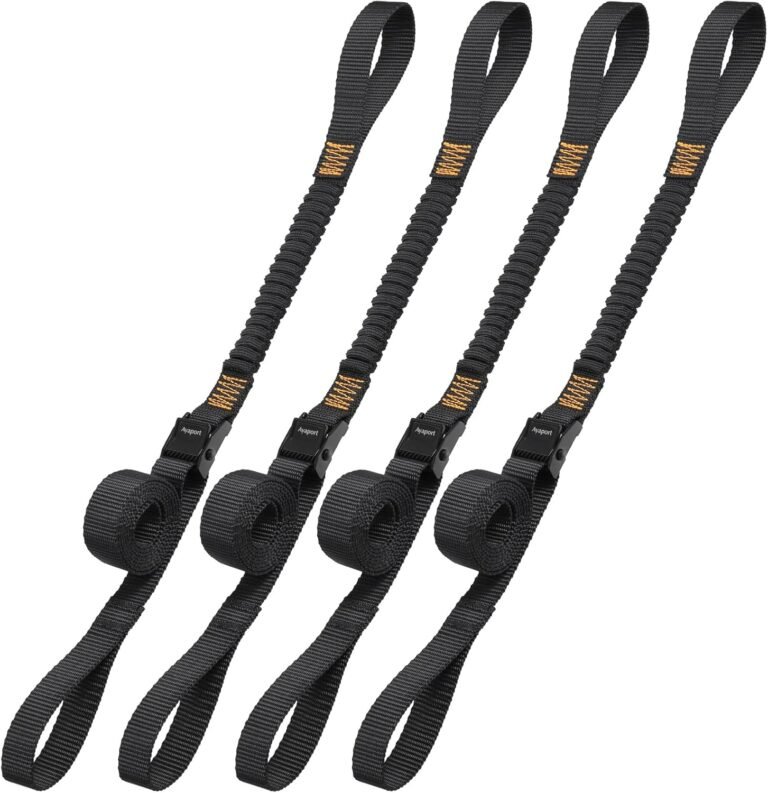
- Use rated straps: Webbing straps with quick-release buckles are fine for soft luggage; keep them tightened and protected from heat and abrasion.
- Protect valuables: For electronics, use a padded inner case or a dry inner bag inside a soft outer bag.
- Inspect regularly: Check seams, zips and attachment points after initial rides and periodically—early wear shows at stress points.
- Store dry: Keep textile bags out of prolonged UV and moisture exposure when not in use; treat fabrics per manufacturer recommendations to preserve coatings.
For waterproof bags with welded seams or roll-top closures, ensure closures are done correctly and use the included rain cover where provided. If you fit a removable liner into a hard case, verify the liner fits without compressing latches or interfering with lock mechanisms.