riderinstinct
Why boots matter: a simple decision framework
Motorcycle boots do three practical jobs: protect your feet and lower legs in a slide or impact, give you reliable control of the bike (peg contact and shift feel), and keep you comfortable in the weather you normally ride in. Start by answering two questions: “What kind of riding do I do most?” and “What compromises am I willing to accept for comfort, cost and style?”
Use those answers to set priorities. For example, a daily commuter who walks to meetings needs a more walkable sole and breathable material; a sport rider prioritises abrasion resistance and ankle protection; a cruiser rider may prefer taller boots and classic styling. That initial decision drives everything that follows: certs, materials, closure type, heel height and whether a fashion boot is acceptable.
Before you look at product listings, list your must-haves (e.g. waterproof, CE-rated, side zipper, shifter pad) and deal-breakers (e.g. high heels, no ankle support). That makes it easier to filter options and identify trade-offs you can live with.
Match boot categories to riding styles
Boots marketed for motorcycling generally fall into several categories. Know which one matches your riding style:
- Street/urban riding shoes: Low- to mid-height, easier to walk in. Good for commuters and city riders. Look for ankle protection and anti-slip soles.
- Touring boots: Taller, stiffer soles and more armor for long-distance comfort and protection. Better waterproofing is common.
- Adventure/dual-sport boots: Designed for on- and off-road use — often taller with reinforced shins and flexible gaiter sections.
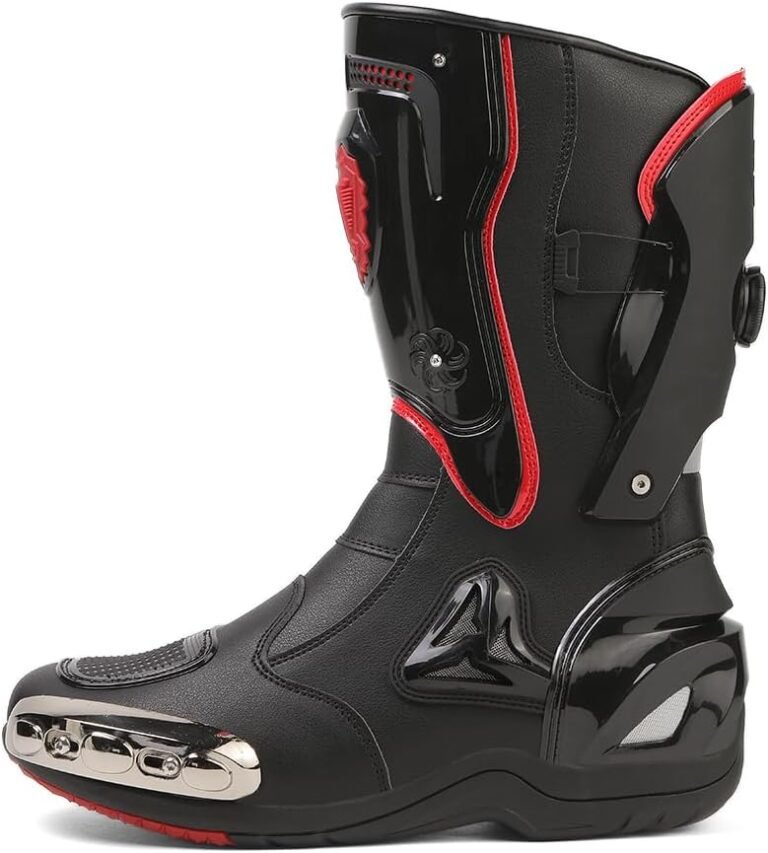
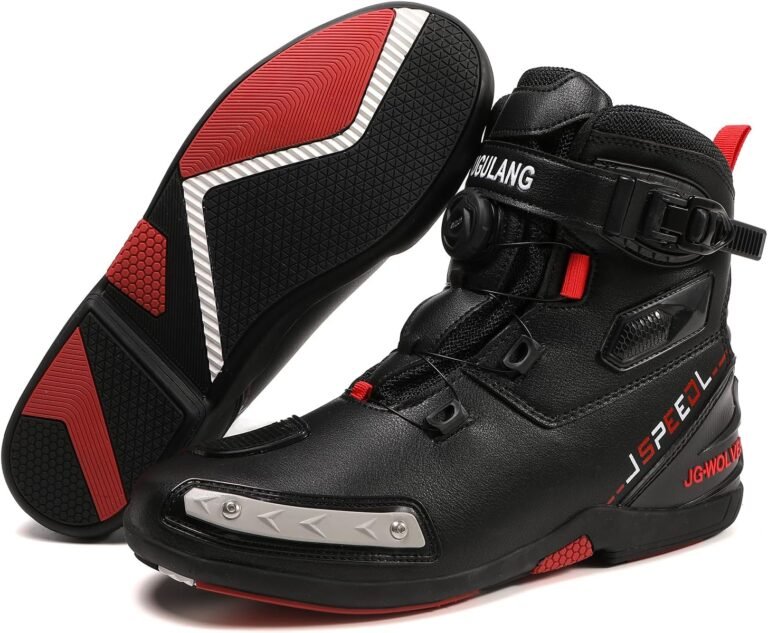
- Racing/sport boots: High protection, stiff soles and specialized shift/ankle systems; not great for walking.
- Casual/fashion motorcycle boots: Style-first options that mimic motorcycle silhouettes. May lack certified protection — acceptable for casual, low-speed, short urban trips if you understand their limits.
Choosing the right category reduces the chance of buying boots that look right but fail where it counts.
Protective features that actually matter
When protection is your priority, focus on measurable features:
- Abrasion-resistant upper: Leather or technical fabrics like Cordura offer meaningful abrasion resistance. If the listing does not state material, ask the seller.
- Ankle and heel reinforcement: Internal/external reinforcement reduces injury risk in a crash. Many riding-specific boots call these out.
- Shift pad: A reinforced area on the toe to resist wear from gear changes.
- Sole construction & grip: A sole that resists twisting and offers a stable platform for pegs is critical. Anti-slip tread helps on wet surfaces.
- Certifications: Standards like EN 13634:2017 (motorcycle boots) provide a consistent baseline. Products in our supplied data (RIDEIRON and IRON JIA’S) state EN 13634:2017 certification — a useful indicator when present.
Bear in mind that certifications and manufacturer-published specs are the only reliable way to verify protective claims. If a boot listing is silent on protective features, treat it as a fashion or general-purpose boot until you confirm otherwise.
Fit, sizing and compatibility: what to measure
Fit is safety. Boots that are too large can catch on pegs, and boots that are too tight can reduce blood flow and comfort. Key fit points:
- Length & width: Try them with the socks you’ll ride in. Sizing varies between brands; check manufacturer size charts and return policy.
- Heel-to-toe geometry and heel height: Higher heels can lift your foot off a peg or change your braking feel. For tall touring boots, make sure the heel height works with your bike’s peg position.
- Ankle support and flex: Ankle armor should allow enough flex for shifting and braking while preventing excessive lateral movement.
- Sole thickness and stiffness: Stiffer soles are better for long rides and protection but poorer for walking. Softer soles are more comfortable on foot but may be less protective in a slide.
- Closure type: Laces offer adjustability but take longer to don; side zippers or buckles are quicker. Check zipper quality (YKK zips are noted positively on some listings) and how closures affect fit over pants.
If possible, try boots on a bike in a shop to confirm peg clearance and shift feel. If buying online, confirm the return policy before committing.
Weather, waterproofing and ventilation: trade-offs to expect
Weather performance is a balancing act. Fully waterproof boots (with membranes like Gore-Tex or proprietary liners) keep you dry in heavy rain but tend to be less breathable. Boots described as “water-repellent” or with waterproof claims should be verified — product listings sometimes blur the difference.
- Water-repellent vs waterproof: Water-repellent uppers will shed light rain; waterproof boots usually have a membrane and taped seams for sustained wet conditions. In our product data, Coostar lists waterproof claims for its tactical 8-inch boots. RIDEIRON is described as water-repellent (better in light rain but not claimed fully waterproof).
- Ventilation: Cordura and mesh linings improve breathability but may reduce water resistance. Decide whether breathability or waterproofing is the higher priority for your climate.
- Insulation for cold weather: Boots marketed for winter often include thicker liners; otherwise, consider heated insoles or layering with merino socks.
Always verify vendor claims about waterproofing and ask for specifics — membrane type, seam sealing and whether the tongue and zipper are protected.
Materials, construction and what certifications can tell you
Common materials include full-grain or corrected-grain leather, Cordura/technical fabrics, rubber soles and composite reinforcements. Construction details that matter: double stitching in high-stress areas, bonded or stitched soles, and reliable closures (YKK zips are a plus).
Certifications such as EN 13634:2017 indicate that a boot has been tested against abrasion, impact, and other criteria. Our supplied product facts show that RIDEIRON and IRON JIA’S list EN 13634:2017 with a rating of 1-2-2-1 — making them notable choices for riders who want independently tested protection. When a product lacks certification, you should either request detailed construction specs or consider purpose-built options.
For any safety-critical metric not published (e.g. internal armor material, sole compound), ask the manufacturer or retailer. Rider safety is too important to rely on assumptions.
Practical trade-offs and budget considerations
Budget affects available features. Higher-priced boots often combine certified protection, durable materials and better long-term warranties. Lower-priced options can still be useful — but recognise limits:
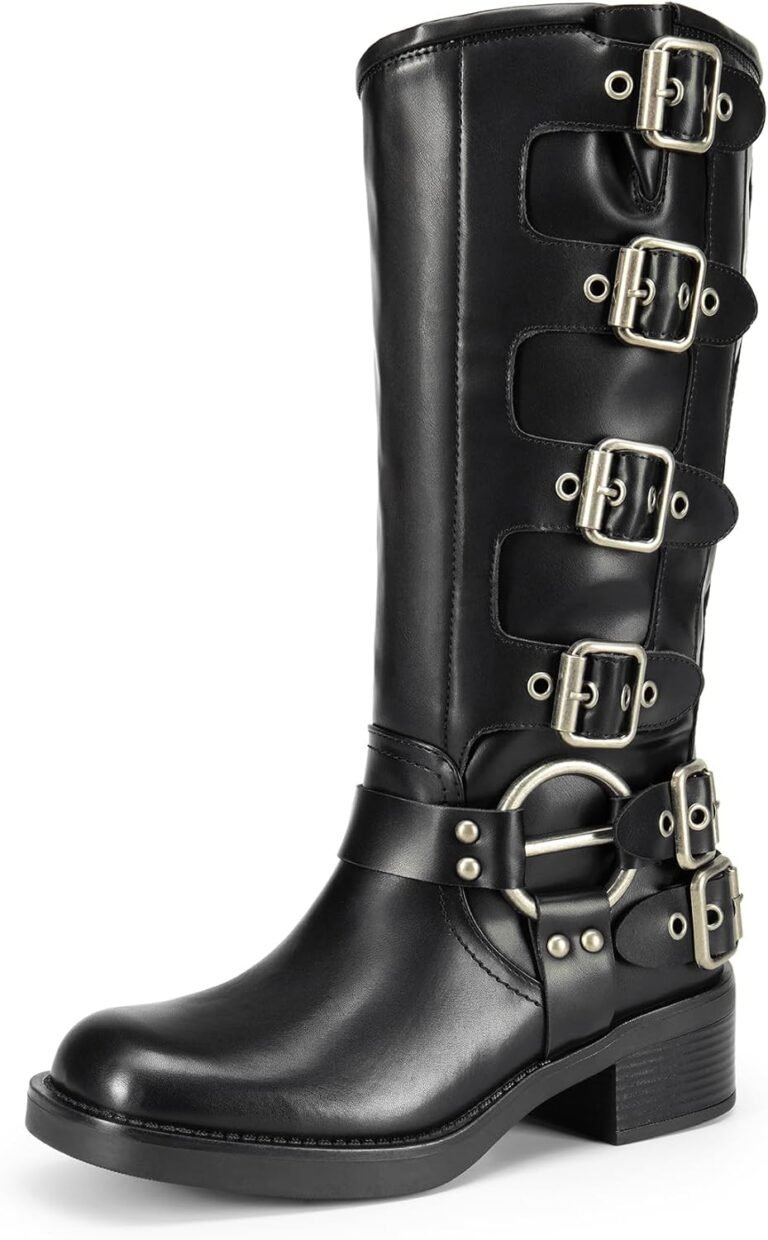
- Budget fashion boots: The DREAM PAIRS Women’s Knee-High Biker Boots in our data are clearly style-led: affordable, adjustable buckles and a stable low chunky heel. The product facts do not supply materials or protective specifications, so verify those details before using them as protective footwear.
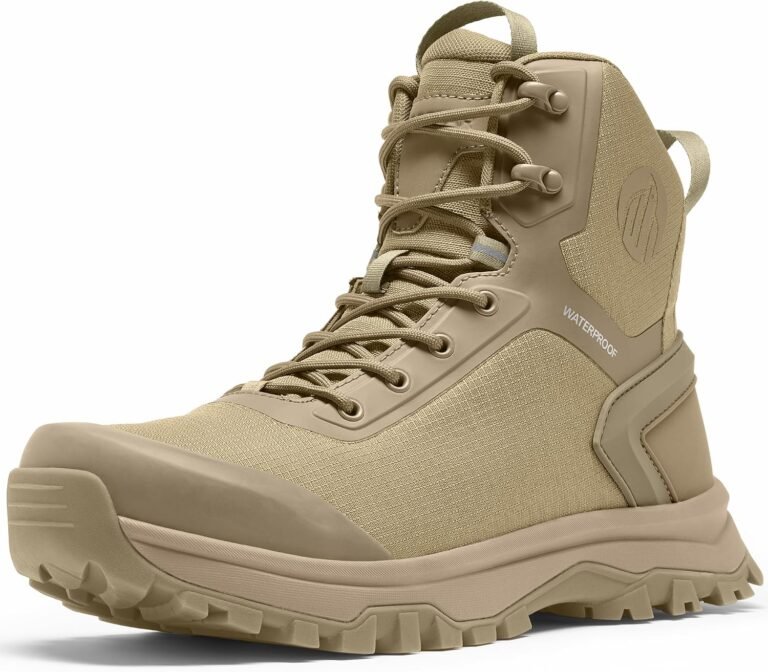
- Value tactical boots: Coostar tactical boots are an affordable 8-inch option with a side zipper and a waterproof claim — practical for commuting and general use, but lacking explicit motorcycle protective certification.
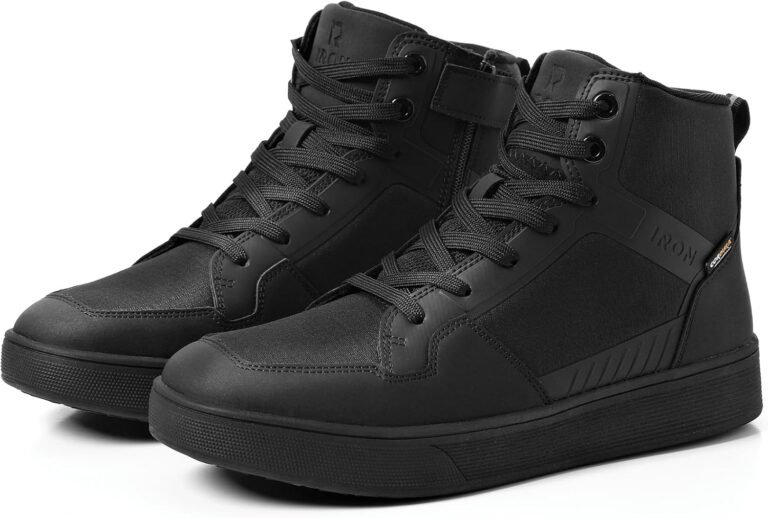
- Certified mid-range options: RIDEIRON and IRON JIA’S present CE-certified Cordura options with reinforced protection, anti-slip soles and side zippers. They offer a middle ground for riders prioritising protection without the cost of premium touring boots.
Decide whether you need certified protection (worth it for higher speeds or frequent riding) or whether a lower-cost, multi-purpose boot is acceptable for occasional, short, low-speed trips.
How to test, break in and verify boots before relying on them
Don’t assume new boots fit perfectly out of the box. Here’s a practical pre-use checklist:
- Try boots on with your usual riding socks and stand in the riding position to check toe clearance on pegs and the feel of the shifter.
- Walk around to assess sole comfort and grip. If you commute and walk a lot, aim for a balance between protection and walking comfort.
- Check zipper and closure quality — open and close zippers several times; confirm buckles and laces lock securely.
- Look for visible reinforcements at the ankle, heel and shift area. If a listing claims protection but shows no reinforcements, contact the seller for specifics.
- Break them in slowly: short local rides first, then longer rides once you’re confident about fit. Expect a break-in period where stiffness reduces but avoid forcing boots into uncomfortable positions.
Keep documentation or photos of product labels with certification info in case you need to verify specs later.
Recommended options from our available product data — who each suits
Below are practical choices drawn from the product facts available to us. These are examples that illustrate how different features match riders’ needs; they are not an exhaustive list.
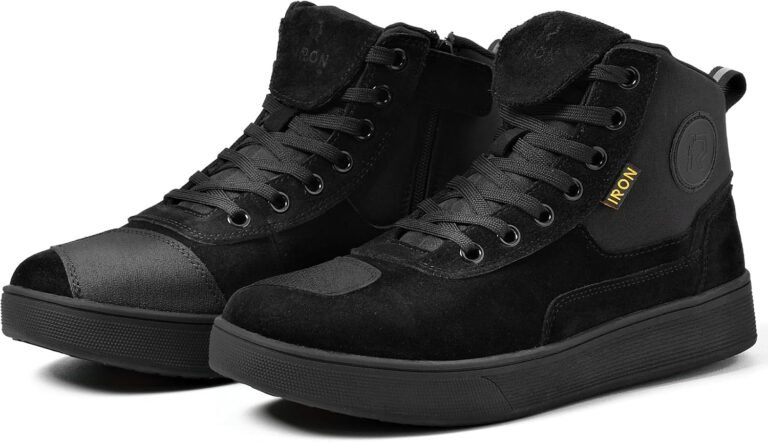
- RIDEIRON Motorcycle Shoes (CE-certified) — best for riders who prioritise certified protection and urban commuting: These list EN 13634:2017 certification (rating 1-2-2-1), Cordura/Oxford upper, reinforced heel and ankle guards, anti-slip composite sole and YKK side zipper. They’re a sensible pick for commuters and sport-touring riders seeking protection at a mid-range price. Note: described as water-repellent rather than fully waterproof — verify if you need full waterproofing. See full review: RIDEIRON Motorcycle Shoes Review.
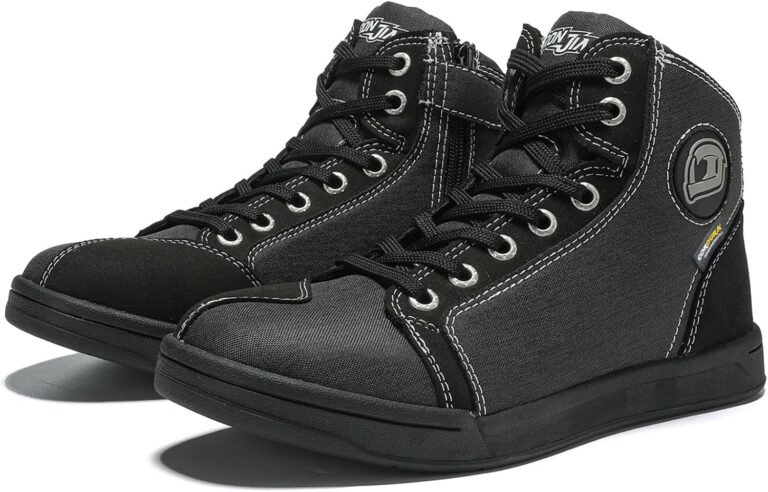
- IRON JIA’S Motorcycle Shoes (CE-certified) — similar use-case to RIDEIRON: Also lists EN 13634:2017 certification and Cordura upper with an upgraded composite anti-slip sole, ankle protection and side zipper. Good for urban riders who want a walkable, certified option. Verify waterproof claims if needed. See review: IRON JIA’S Motorcycle Shoes Review.
- Coostar Tactical Boots (8-inch, waterproof claim) — good for wet-weather commuting on a budget: These boots offer an 8-inch height, side zipper and are marketed as waterproof with strong customer ratings. They make sense for commuters who need easier on/off and weather protection, but the listing lacks explicit motorcycle protective certifications — confirm material and reinforcement details before treating them as protective motorcycle-specific boots. See review: Coostar Tactical Boots Review.
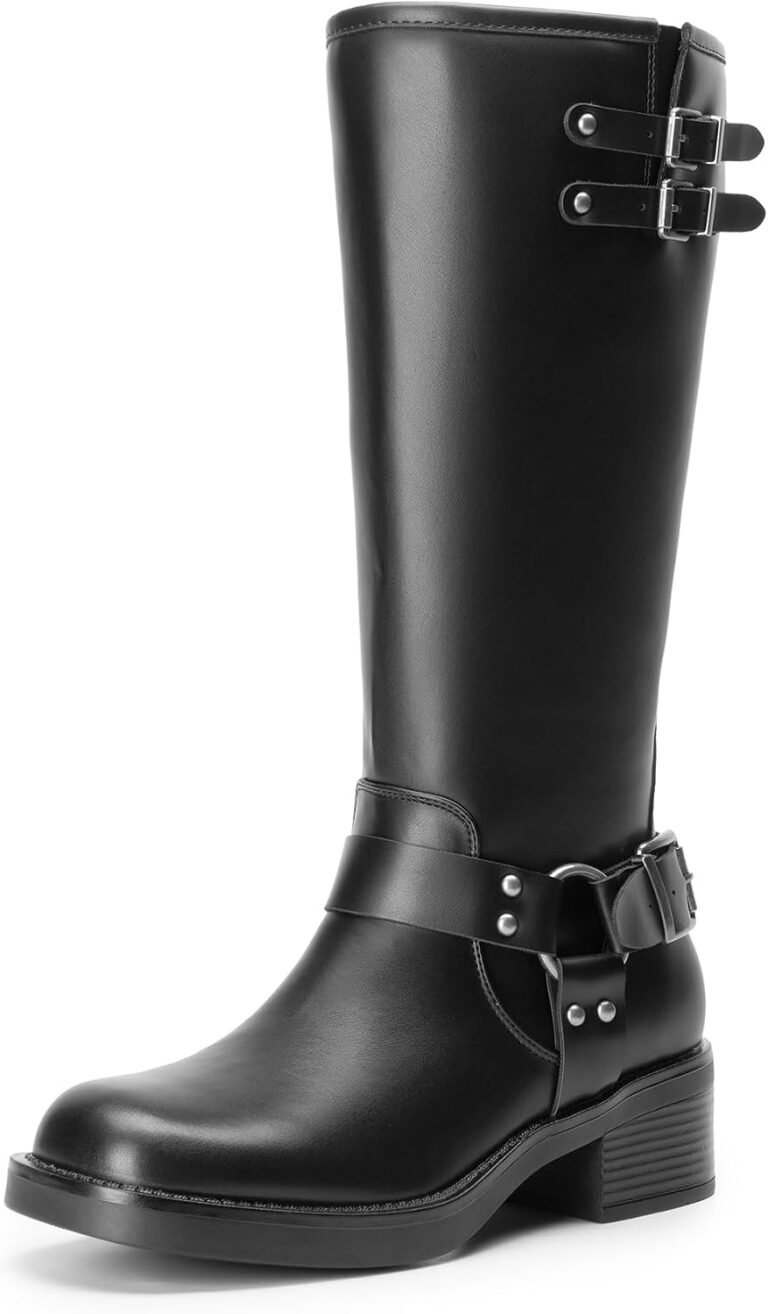
- DREAM PAIRS Women’s Knee-High Biker Boots — style-first, casual riding: Affordable knee-high boots with adjustable buckles and a stable low chunky heel. The listing does not provide material or protective specifications, so they’re best for fashion and casual short-distance urban use unless you can confirm protective details from the manufacturer. See review: DREAM PAIRS Review.
For any of these, verify sizing, returns and warranty details before purchase. If a protective feature or measurement isn’t listed, ask the seller — don’t assume.
Care, maintenance and long-term considerations
Good care keeps boots protective and comfortable longer.
- Leather care: Clean, condition and protect leather with appropriate products; avoid petroleum-based products that can degrade some finishes.
- Technical fabrics: Brush off dirt, use mild detergent for linings and reapply DWR treatments if water repellency decreases.
- Soles and stitching: Inspect periodically for separation, wear at the shifter or sole edges, and repair or replace early — a failing sole can reduce protection.
- Storage: Keep boots dry and away from direct heat sources; use shoe trees or stuff with paper to maintain shape.
Document any problems and keep purchase receipts and labels for warranty claims.