riderinstinct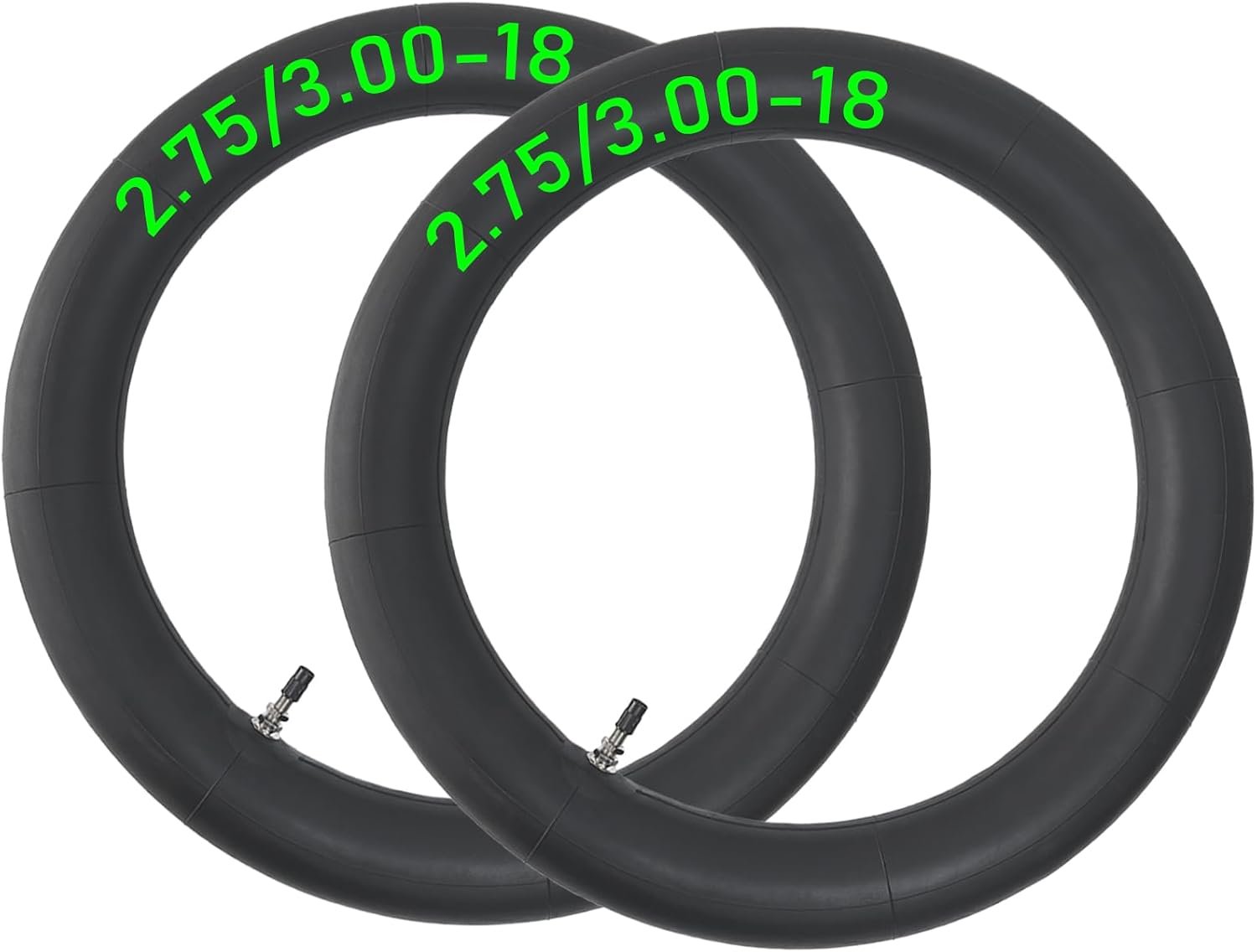
Why correct tire choice matters (the decision framework)
Tires are more than wearable parts — they determine braking distance, cornering limits, and how the bike behaves when the road surface or weather changes. Start any tire decision by working through a simple framework: 1) verify fitment and ratings, 2) identify your primary use, 3) accept the trade‑offs you can live with, and 4) choose a tire with appropriate construction and support.
This order matters: the correct tire size and load/speed rating are safety requirements. Once fitment is locked in, match tread pattern, compound and casing to your needs. A tire optimized for long mileage and commuting will feel dull on aggressive cornering; a soft sport compound will last far less if you commute every day at highway speeds. Be explicit about what you ride now and how you expect to ride over the next life of the tire (often 5–20k miles for street tires depending on bike and compound).
Match tire categories to riding styles — who each type actually suits
Knowing the broad tire categories lets you narrow options quickly:
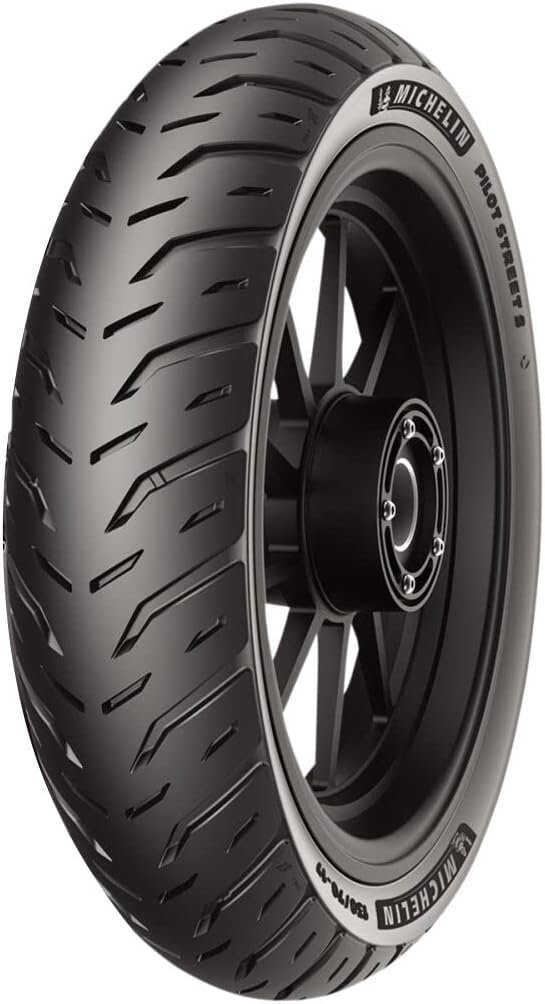
- Commuter/Urban — prioritizes mileage, predictable wet traction and low rolling resistance. Example from supplied facts: the Michelin Pilot Street 2 is reinforced and described for scooters and small‑displacement commuter bikes, engineered for wet grip and longevity.
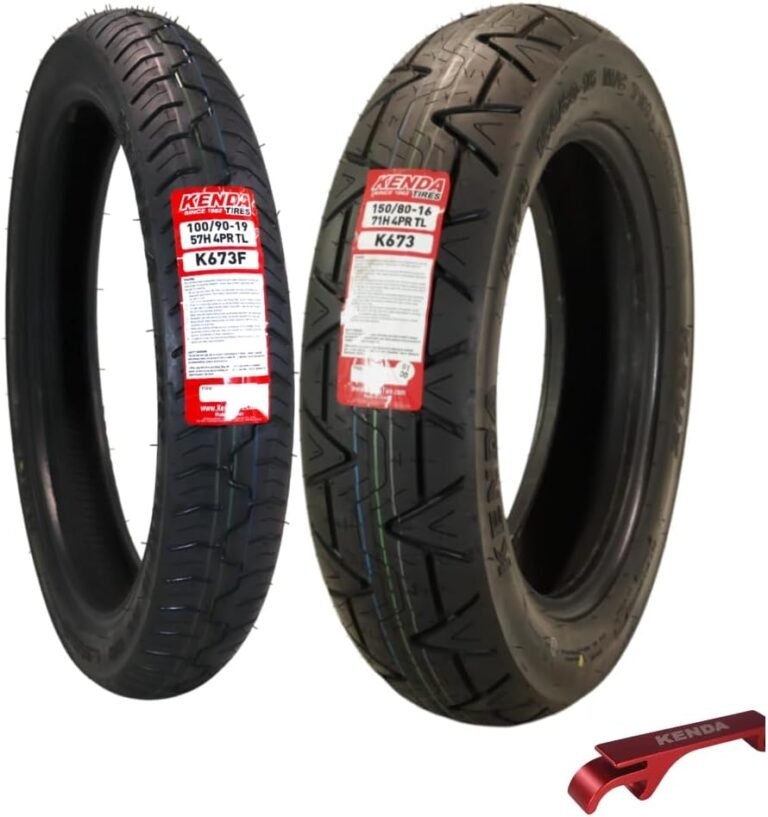
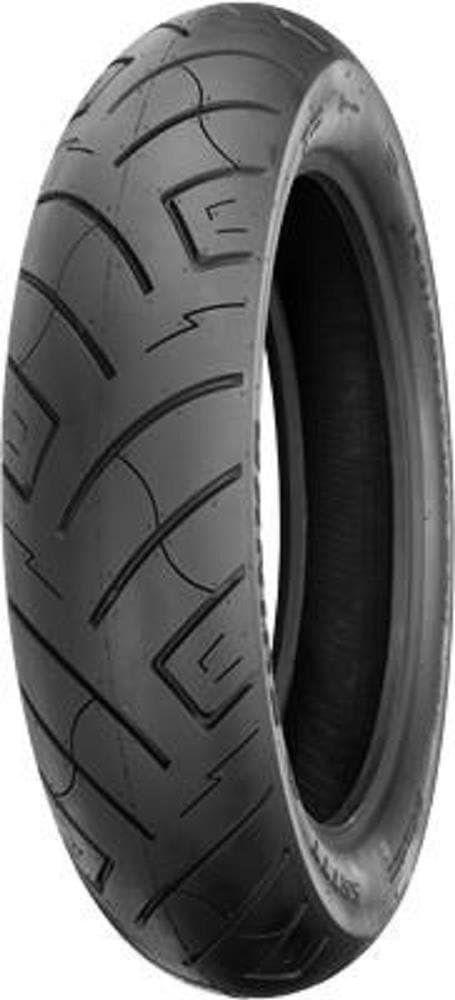
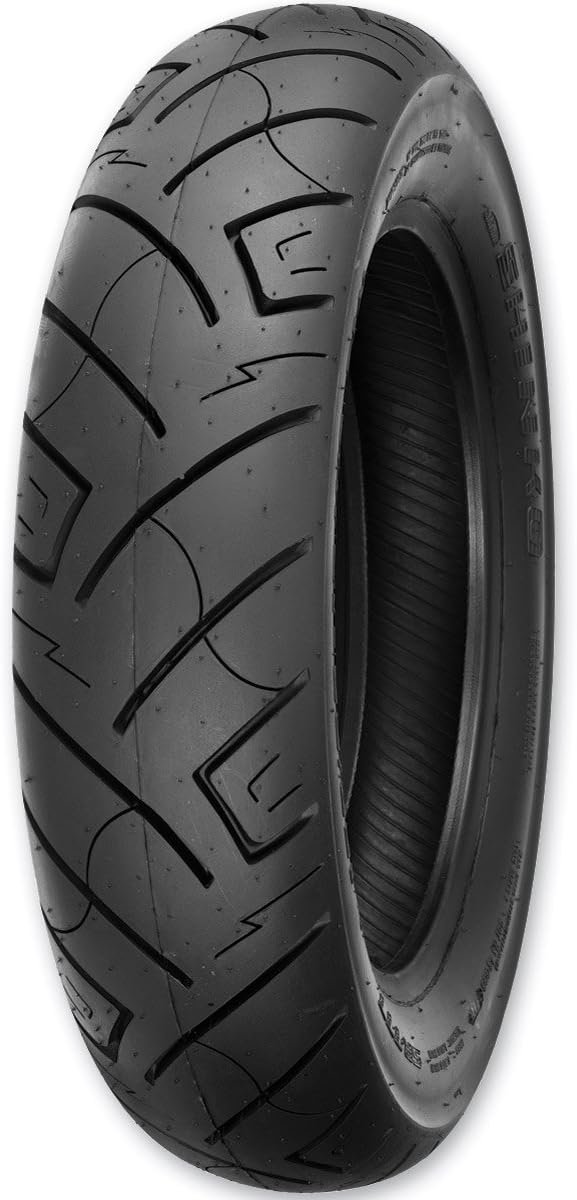
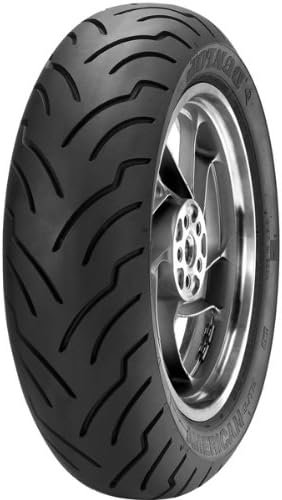
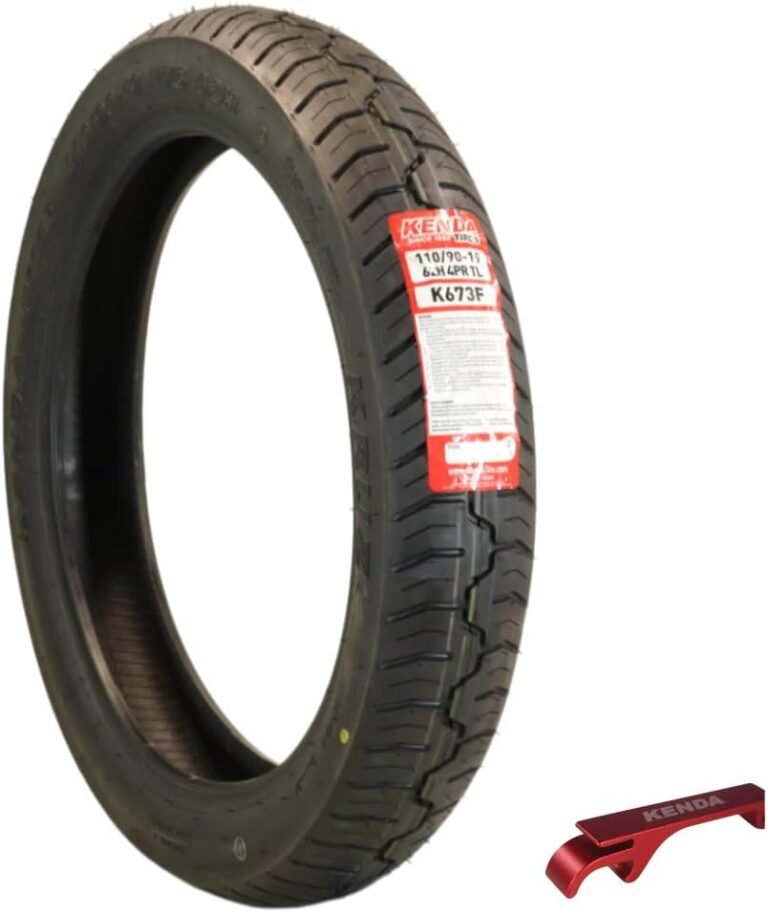
- Cruiser/Touring — emphasizes load capacity, comfort and long mileage; often wider section widths and reinforced casings. Examples: the Kenda Kruz K673 (matched cruiser 2‑pack) and Shinko 777 H.D. cruiser tires which emphasize reinforced carcasses and aramid belting for stability and load.
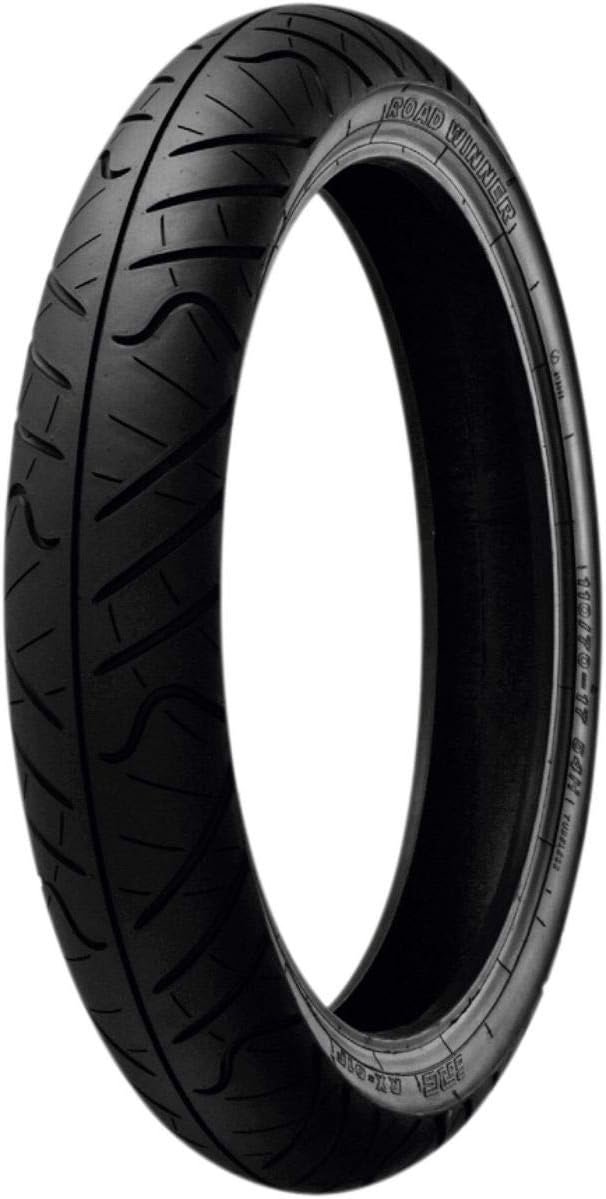
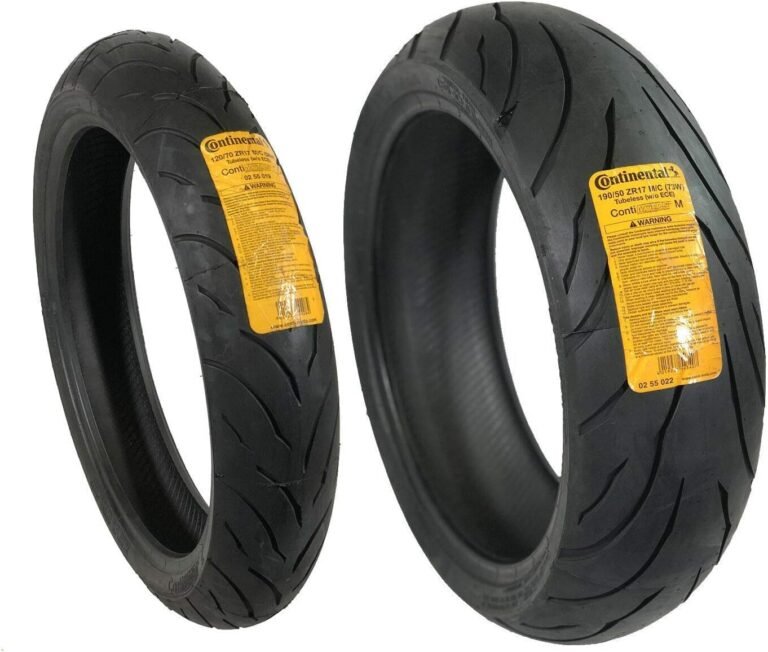
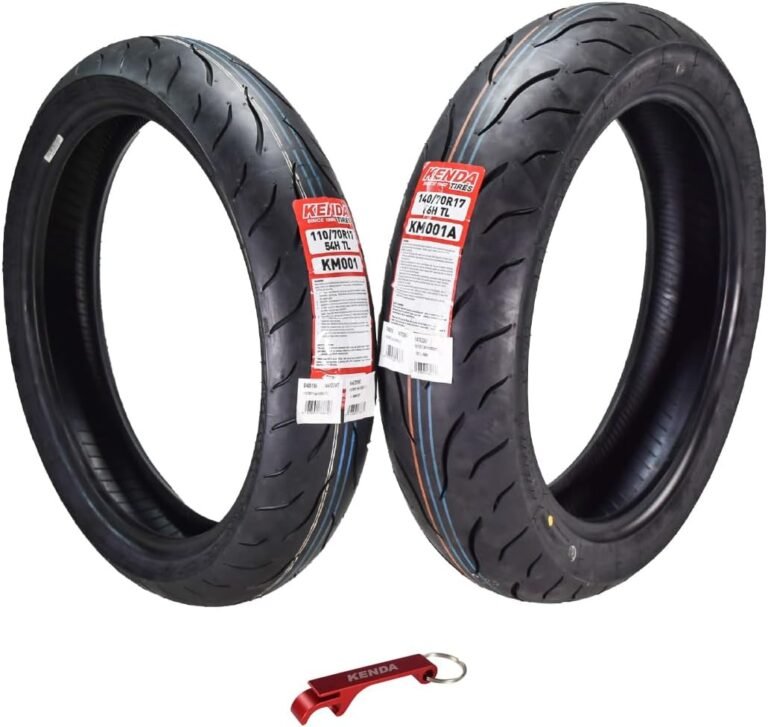
- Sport/Sport‑touring — seeks high grip and precise handling; typically softer compound and more aggressive tread. (No specific sport radial test tires are in the supplied facts, but the IRC RX‑01 is listed as a tube‑type sport front tire for 110/70‑17 applications and emphasizes roadholding.)
- Dual‑sport/Offroad — knobby or semi‑slick patterns for dirt traction; compounds and casings vary by intended terrain.
Select the category that matches most of your riding mileage, not the one you use occasionally. If you commute 80% of the time and hit a twisty road on weekends, a durable commuter or sport‑touring tire is usually the better overall choice than a full soft sport tire.
How to read a tire code and what really matters (size, load & speed)
Every motorcycle tire has markings that tell you what fits and what it can carry. Key elements to check on the sidewall:
- Size — e.g. 100/90‑19 or 130/90‑16. This encodes section width, aspect ratio and rim diameter. Match the rim diameter exactly and use section width/aspect ratio that fits your bike and fender clearance.
- Load index and speed rating — usually printed together (for example, a listing might show a load rating like 61 and speed rating H). Your replacement tires must meet or exceed the bike manufacturer’s load and speed requirements.
- Construction and tubeless/tube type — words like “tubeless” or “tube type” matter for rim compatibility. The IRC RX‑01 listing explicitly notes “tube type” for some front sizes; Michelin Pilot Street 2 is shown as tubeless in its facts.
- DOT approval and age code — DOT indicates compliance with U.S. safety standards; the DOT serial ends with a four‑digit week/year manufacture code (e.g. 2319 = 23rd week of 2019). Avoid old stock — rubber hardens with age even if unused.
When in doubt, write down the numbers from your current tires and cross‑check them with the placard or owner’s manual. If they differ, consult a tire professional before changing size or profile — altering tire geometry can affect handling and speedometer accuracy.
Tread pattern, compound and casing: sensible trade‑offs
Tread and compound design determine where a tire performs best and how long it lasts. Consider these trade‑offs:
- Grip vs. mileage — softer rubber grips better but wears faster. Harder compounds last longer but reduce ultimate cornering grip. Cruiser tires like the Kenda Kruz K673 advertise a harder compound and an emphasis on mileage; that aligns with riders who want long service life.
- Wet performance — tread grooves and siping evacuate water; a tire designed for wet traction will often trade a bit of dry stiffness. The Michelin Pilot Street 2 explicitly calls out small central grooves and progressive side grooves for water evacuation.
- Casing stiffness — reinforced or heavy‑duty casings (Shinko 777 H.D. notes a reinforced carcass and aramid belting) increase stability under load but can transmit more harshness to the ride.
Decide which compromise you accept. For example, long‑distance cruiser riders usually accept a firmer compound for longevity and stability; a weekend sport rider may choose a softer, grippier tire even if it needs replacing sooner.
Tubed vs tubeless and the role of inner tubes
Modern wheels and tires mostly use tubeless construction for street bikes because tubeless systems can be repaired with plugs and sealants for many punctures and typically run cooler. Tubed tires remain common on older bikes, many classic cruisers and some offroad wheels with rim designs that require tubes.
Important practical points:
- If a tire is listed as “tube type” (the IRC RX‑01 listing notes tube type for the 110/70‑17 front size), the wheel requires an inner tube. Verify valve type and stem length before ordering tubes.
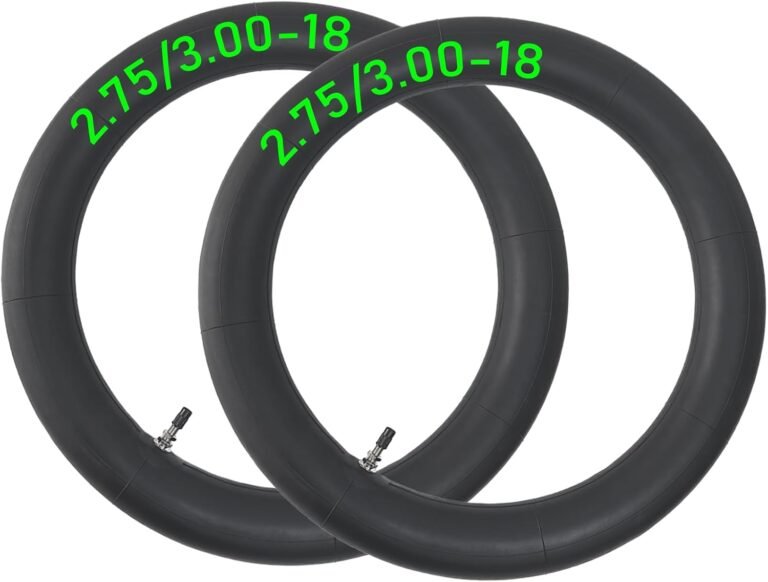
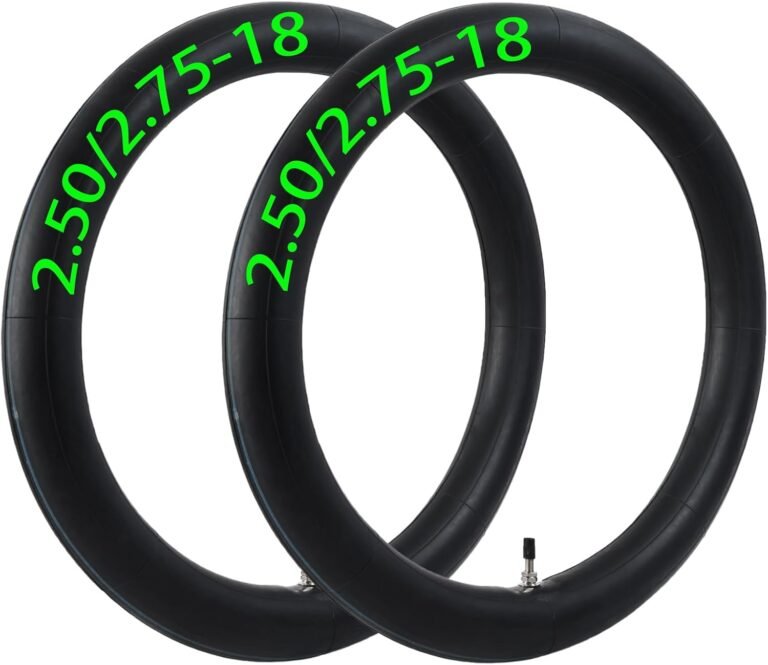
- Inner tubes and tubed tires should be matched by size and rim diameter. The supplied inner tube products (2‑pack 2.75/3.00‑18 and 2.50/2.75‑18 inner tubes) are budget spare options for common 18″ sizes; the product facts advise confirming valve type and fit before purchase and don’t provide valve specifications or brand/warranty details.
- Use high‑quality tubes for regular riding or when you carry passengers and luggage — low‑detail economy tubes can be fine as spares but lack specification transparency. Treat the supplied budget 2‑packs as useful spares if you confirm compatibility.
Bottom line: match tubed or tubeless spec exactly. If you convert a rim from tubed to tubeless or vice versa, consult a wheel/tire professional — conversions can be unsafe if not done correctly.
Fitment, pressure and installation safety
Fitment and pressure are safety critical. Follow these steps before you ride on new tires:
- Confirm the exact tire size, load index and speed rating required by your motorcycle (vehicle placard or owner’s manual). Replace like‑for‑like unless a professional approves a change.
- Check rim compatibility — some tires fit a range of rim widths; always verify the tire manufacturer’s recommended rim width range for that tire size.
- Have tires mounted and balanced by a professional unless you have proper tools and experience. Incorrect mounting can damage beads, tubes or the rim, and unbalanced wheels cause vibration and uneven wear.
- Inflation pressure: use the pressures recommended by your motorcycle manufacturer, not the number printed on the tire. The tire sidewall lists maximum inflation, not recommended riding pressure. If you do not have the manual available, check the vehicle placard or ask a professional.
- Torque axle/fitting hardware to factory spec and re‑check after initial heat cycles (first 50–100 miles) as seatings and components settle.
When the supplied product facts omit pressure or load charts, always verify with manufacturer documentation or a tire professional.
Budget, warranty and buying new vs used
Price matters, but a cheap tire that fails early or has unknown support can be a false economy. Consider these practical points:
- New vs used — avoid used tires unless you can read the DOT age code and confirm minimal wear and no damage. Rubber hardens with age; avoid tires older than six years unless vetted by a professional.
- Warranty and support — many brand tires ship with ride‑based warranties or mileage guarantees; the supplied product facts for Kenda and Shinko do not include specific warranty language, so check the seller or manufacturer before buying.
- Value — value is a balance of initial cost, expected mileage, and the performance you need. The Kenda Kruz K673 is presented in the facts as a value‑focused cruiser option emphasizing mileage; the Michelin Pilot Street 2 is positioned more as a commuter tire with strong wet performance.
If you’re equipping a daily commuter, prioritize a tire with documented wet performance and known mileage; for occasional ride days, performance‑oriented tires may be worth the higher per‑mile cost.
Which tires from the supplied facts fit which riders (recommendations and limitations)
Using only the supplied product facts, here are sensible matches and caveats — these are examples to guide selection, not exhaustive endorsements.
- Michelin Pilot Street 2 (70/90‑17) — best for scooter and small‑displacement motorcycle commuters who need reinforced, tubeless construction with good wet traction and improved mileage. Limitations: only specific sizes are provided in the facts, and you must confirm load/speed index and rim compatibility for your bike.
- Kenda Kruz K673 (100/90‑19 & 150/80‑16 set) — aimed at cruiser riders seeking DOT‑approved, H‑rated (up to highway speeds) matched front/rear tires with bias/belted construction for load capacity and mileage. Limitations: warranty and independent mileage testing details aren’t provided in the facts — verify fitment and support before buying.
- Shinko 777 H.D. (100/90‑19 and 130/90‑16 examples) — targeted at cruiser owners who want a reinforced carcass and aramid belting for a planted feel and added load capacity. Good for V‑Twin and metric cruisers. Limitation: the supplied facts don’t include treadwear or mileage guarantees — confirm expectations with the manufacturer.
- IRC RX‑01 Road Winner (110/70‑17 tube type) — a tube‑type street/sport front tire that emphasizes aggressive tread and roadholding; suitable where a tube type tire is required. Limitation: the listing advises verifying data with a tire professional and owner’s manual; ensure you match tube/rim specifics.
- Budget Inner Tubes (2‑pack 2.75/3.00‑18 and 2.50/2.75‑18) — practical low‑cost spare inner tubes for common 18″ sizes as long as you confirm valve type and fit. The product facts highlight thicker rubber claims but lack valve and warranty specifics, so treat them as spare options rather than primary, long‑term tubes for heavy use.
These supplied products show how to map tire construction and claims to rider needs. Always confirm the size and rating match your motorcycle and ask the seller for missing specs (valve type, DOT marking, warranty) before purchase.
Maintenance, when to replace and practical tips
When you have the right tires mounted, keep them working safely and predictably with regular checks:
- Inspect tread depth: replace before groove depth becomes unsafe. Many manufacturers recommend replacing tires well before the wear bars become flush; when in doubt, consult a tire professional.
- Check for cracking, flat spots, embedded objects and sidewall damage. Age‑related cracking or visible cords are immediate replacement triggers.
- Maintain proper pressure using the motorcycle manufacturer’s recommended figures, and check cold tire pressure regularly (weekly for regular riders).
- Rotate riding style where possible (avoid repeated hard front or rear braking practices that accelerate wear), and re‑check wheel balance after new tires are mounted.
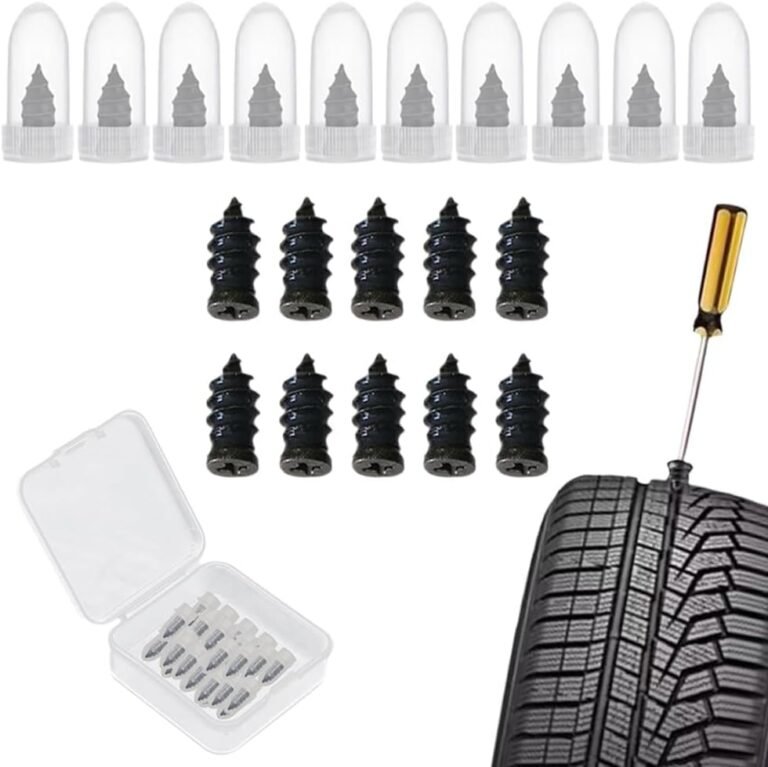
- Keep spares or a puncture repair kit for tubeless systems, and carry compatible inner tubes if you ride a tube‑type setup — confirm valve stem type and length before buying spares.
Replacement intervals vary by compound, bike weight and riding style. If you’re uncertain about remaining tread or structural condition, have a tire shop inspect the wheel and tire — that’s a low‑cost step that prevents unsafe riding.