riderinstinct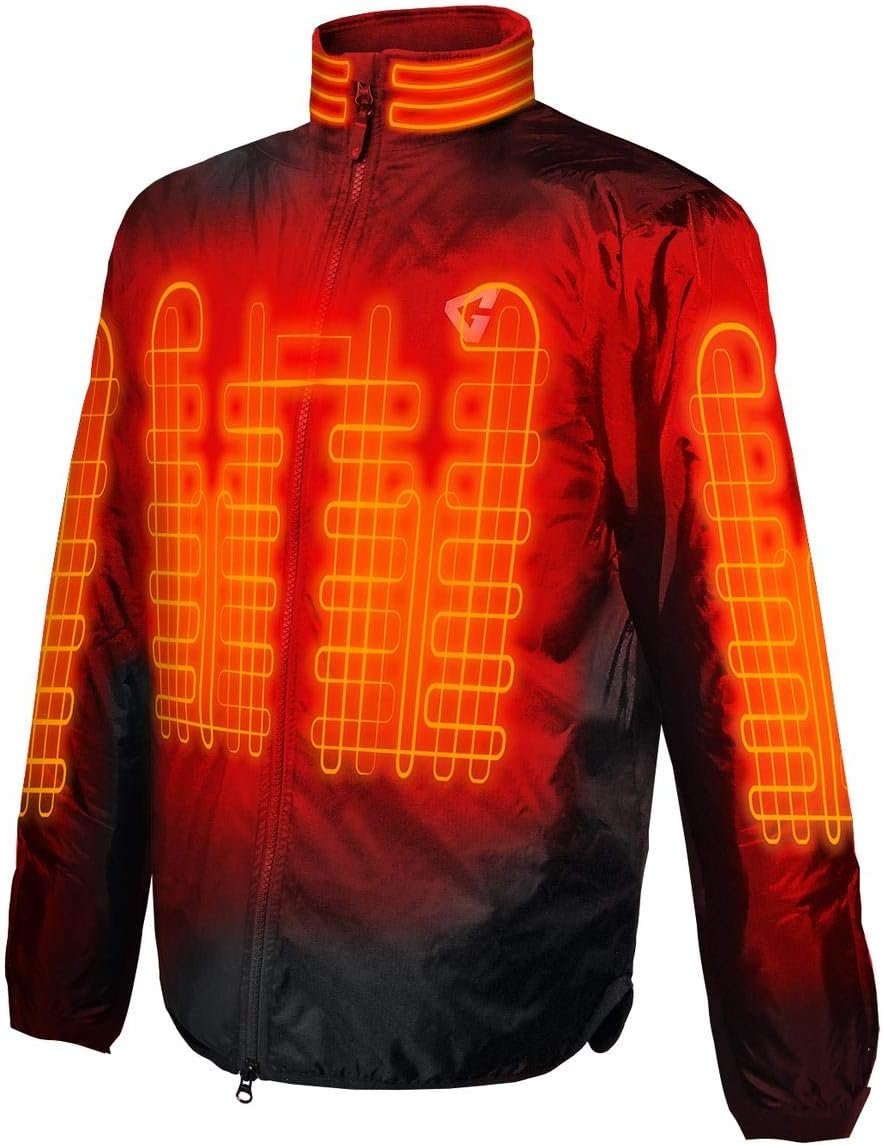
Start by defining the problem: what do you want heated?
The first decision is simple but decisive: which parts of your body are actually getting cold and interfering with riding? Most riders fall into one or more of these profiles:
- Core-first: Your chest, back and torso get cold; you want a mid-layer or liner to preserve body heat and protect against wind chill.
- Hands-first: Cold fingers reduce control—gloves are the priority.
- Feet/legs: Less common, but heated insoles or pants liners matter for touring or very cold commutes.
- All-day riders: Long-distance touring and cold-weather commuters often need continuous heat—power source becomes critical.
Answering this will determine the categories you consider: vest vs jacket liner vs gloves vs full heated jacket/pants. Don’t buy a heated vest if your hands are the primary problem, and don’t assume one heated item solves every cold-weather issue—layering strategy matters.
Power source trade-offs: battery vs 12V hardwired
Heated gear is powered two ways: removable batteries or a 12V hardwired connection to the motorcycle. Each has clear pros and cons.
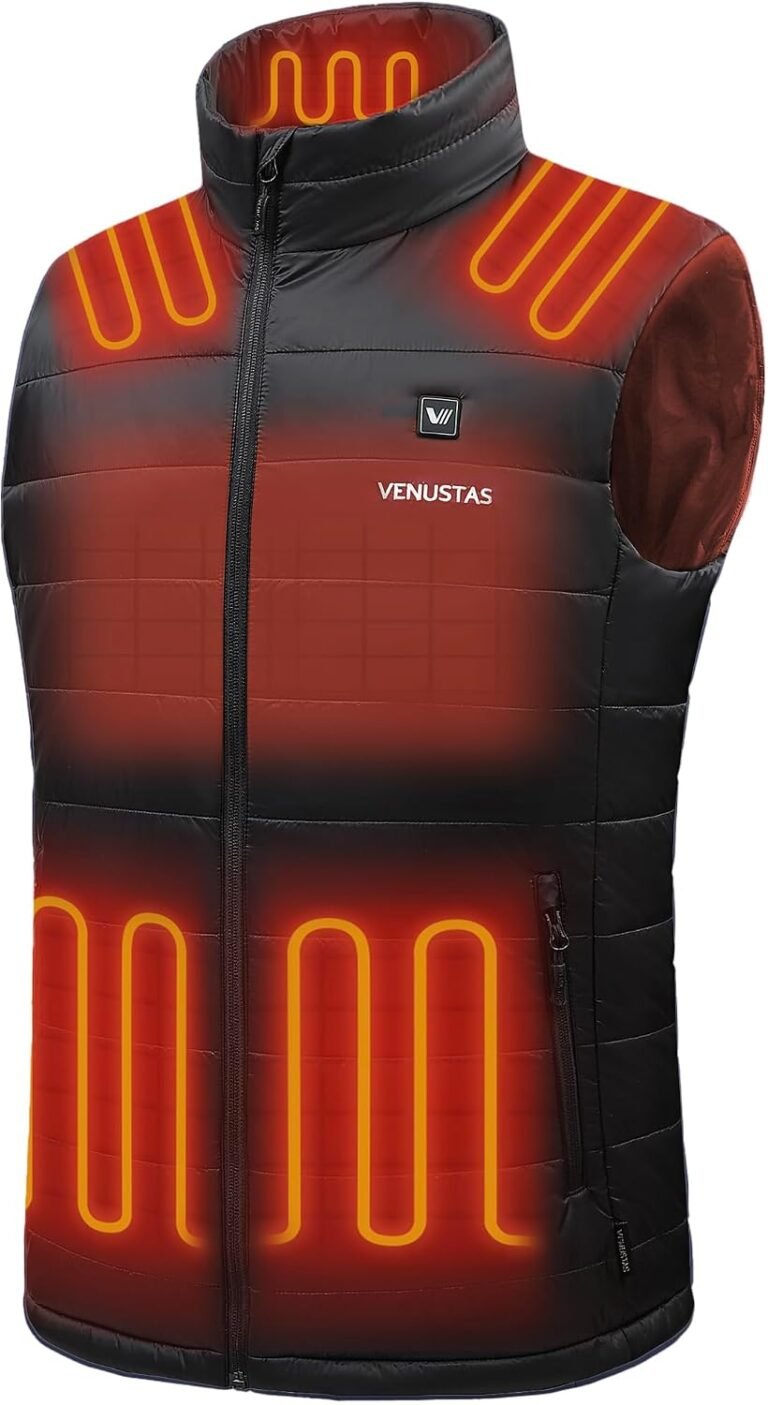
- Battery-powered (cordless): Portable and convenient off the bike. Good for walking around, using as a mid-layer, or for riders who don’t want wiring work. The trade-off is runtime limits and the need to charge batteries. Example: the Venustas heated vests include an internal lithium polymer battery and list up to a 10‑hour runtime with 2.5‑hour fast charging—useful for commuters and off-bike activity, but verify that runtime is realistic for your heat setting and conditions.
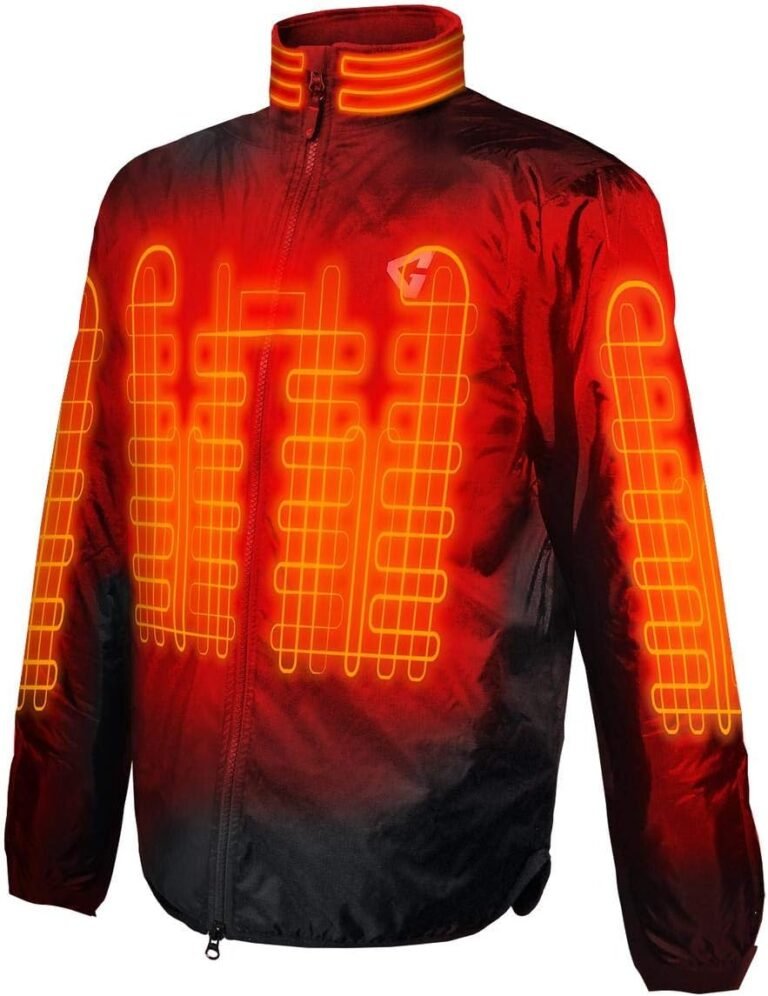
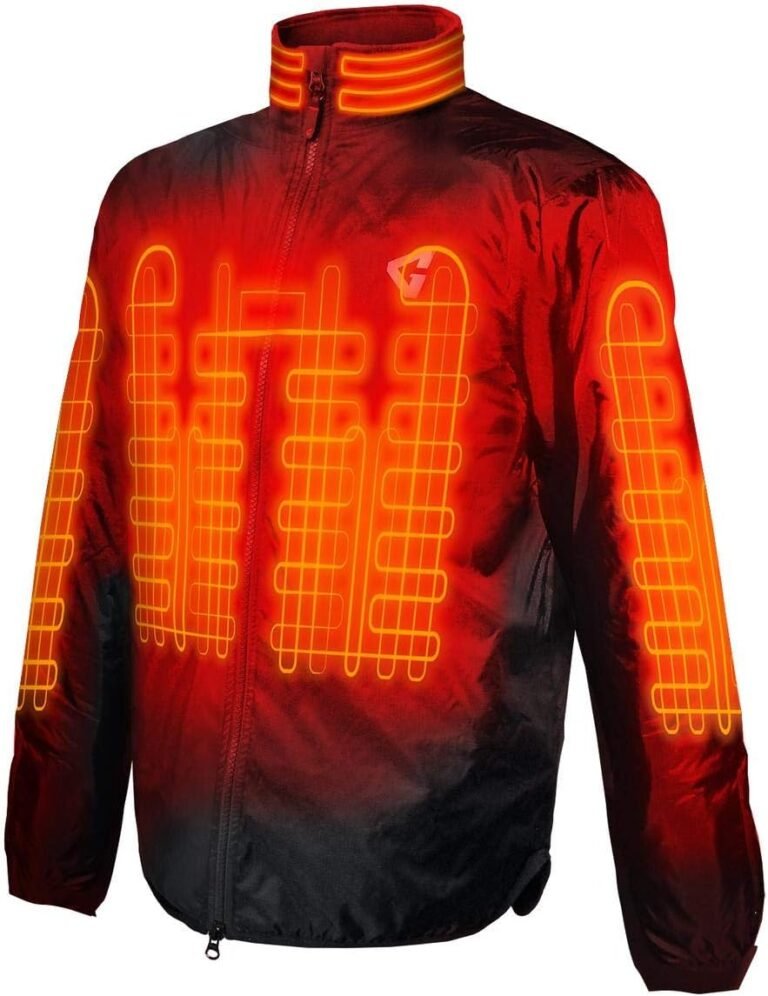
- 12V hardwired: Gives continuous, essentially unlimited heat while the bike is running. Best for long rides, cold-weather touring and riders who want predictable heat. Downsides include installation work (routing wire to a switch or fused connection), less flexibility off-bike, and sometimes higher initial cost. Example: Gerbing’s Heated Jacket Liner is a 12V motorcycle system designed for in-vehicle power; these liners are often the choice for riders who want steady on-road warmth.
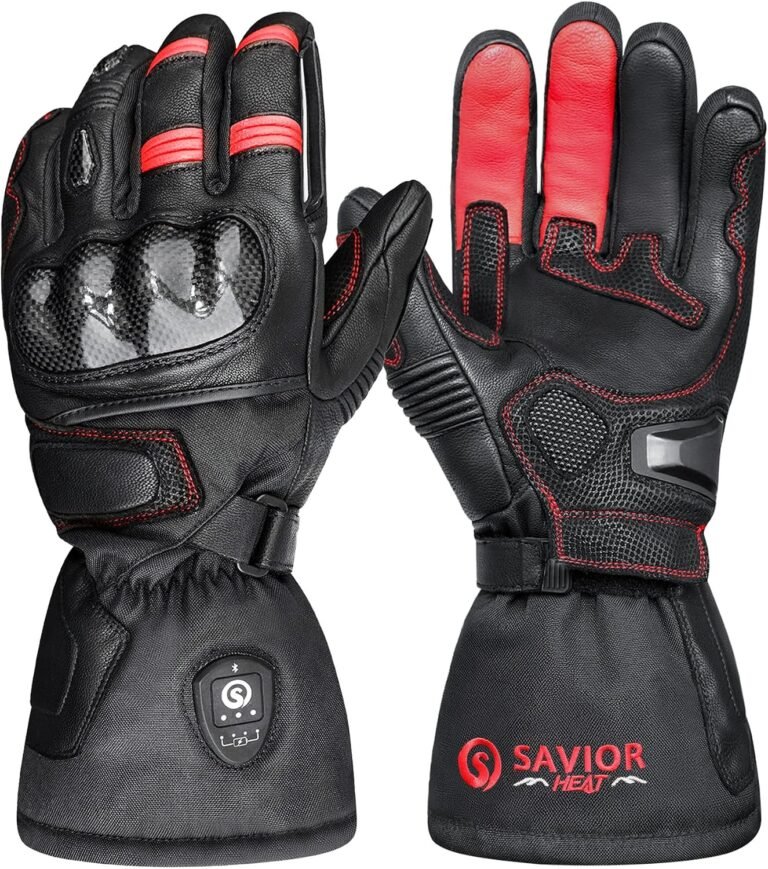
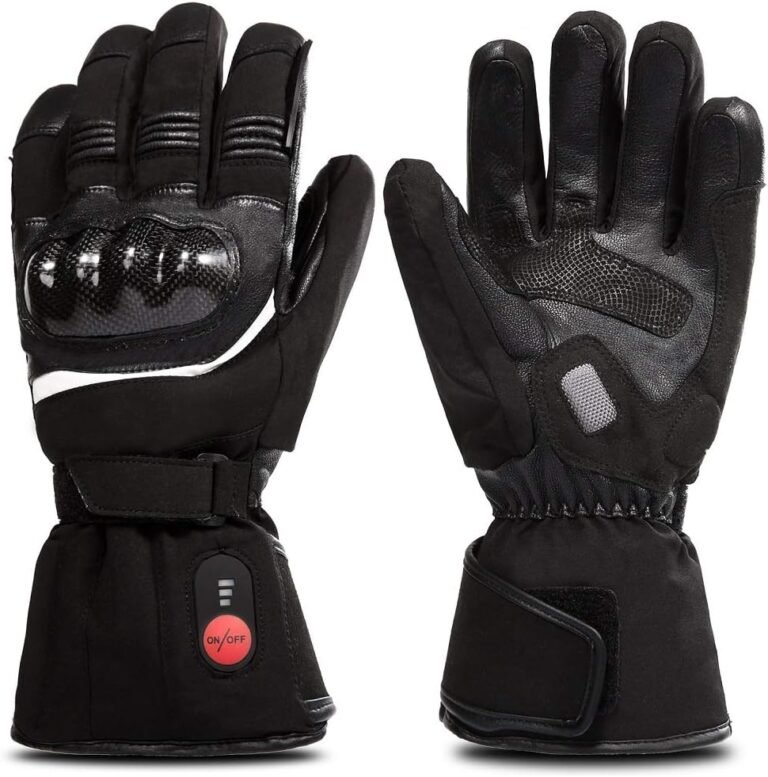
- Hybrid solutions: Some gloves (for example the SAVIOR HEAT gloves) provide internal rechargeable batteries but also include a 12V lead option so you can run them off the bike when available. Hybrids give good flexibility: cordless for short rides or off-bike use; wired for long-distance or continuous heat.
Pick the power approach that matches your longest or most critical rides. If your daily commute is 90 minutes in freezing temps, a hardwired or hybrid setup is often the safer choice.
Garment types and where they fit into a layering system
Heated pieces are designed to fill different roles in a layering system. Choose the type that fits your typical conditions.
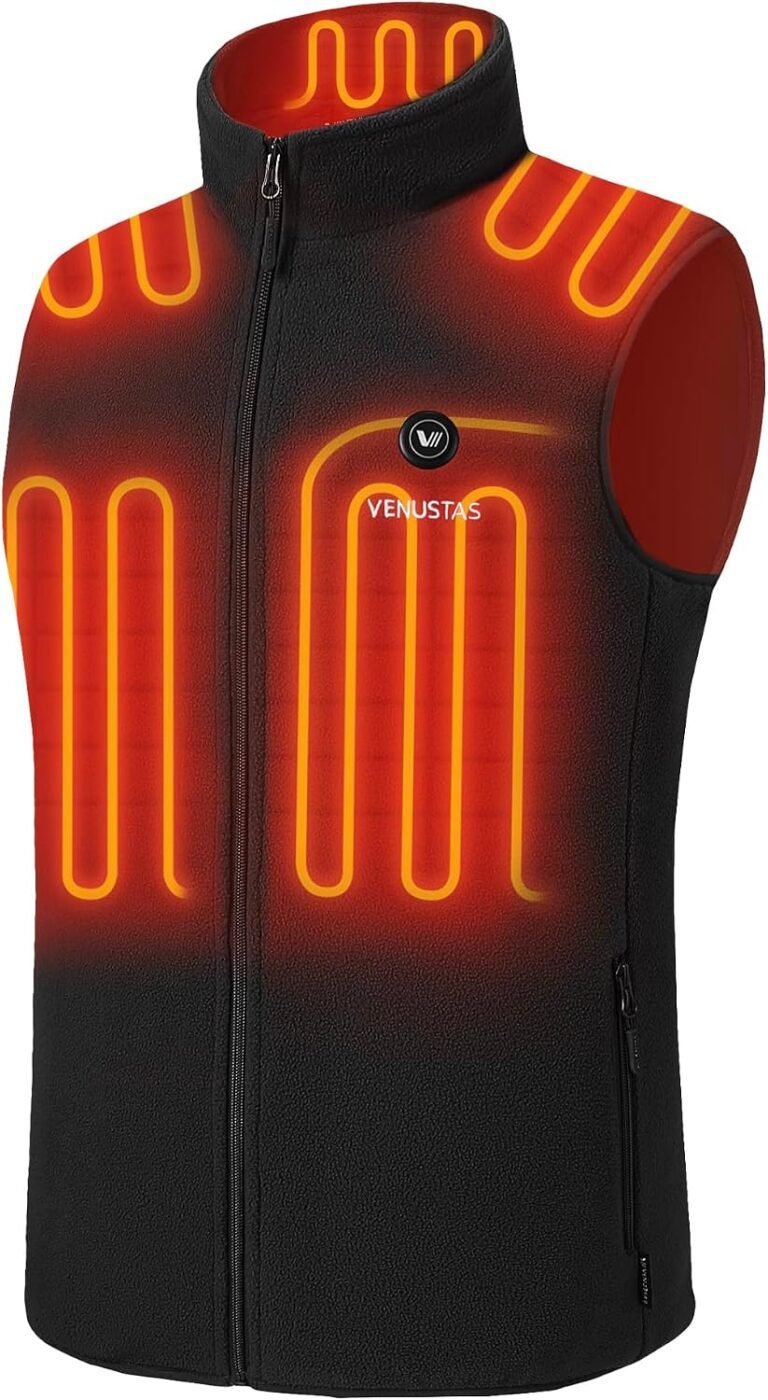
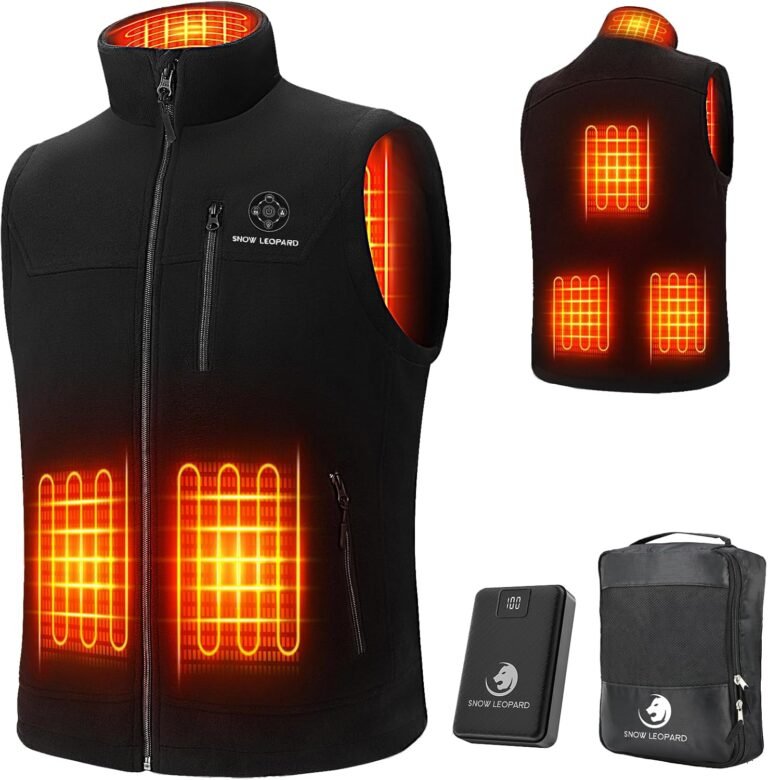
- Heated vests: Deliver core warmth and are an excellent mid-layer under a textile or leather jacket. They’re lighter and less expensive than full heated jackets. Venustas makes battery vests with multiple heating zones and long advertised runtimes—these work well for commuters and riders who need core heat without rewiring their bike.
- Jacket liners: These are full-length electrical liners that fit inside your existing motorcycle jacket and are typically hardwired to 12V. They spread heat across chest, back and sometimes arms. A 12V liner (like the Gerbing 12V jacket liner) is ideal for riders who want consistent riding heat and are comfortable with installation.
- Heated gloves: Heated gloves address the most acute control issue—cold fingers. Battery gloves can be convenient, but ensure they offer enough runtime or a 12V option if you ride long distances. The SAVIOR HEAT gloves include 7.4V 3000mAh batteries (claimed up to 10 hours on low) and the option to run a 12V lead—an example of gloves designed for motorcycle use.
- Pants and insoles: Less common but useful for touring or for riders who are sensitive to cold feet or legs. Verify how heating is distributed and whether the gear is motorcycle-rated for abrasion if you’ll wear it as an outer layer.
Always plan for layers: a heated mid-layer under a windproof and protective outer layer gives both warmth and crash protection—do not substitute heated apparel for certified motorcycle protection unless the product explicitly states it.
What features actually matter (and what to ignore)
When you compare heated gear, look for a few practical attributes rather than marketing buzz:
- Power and runtime details: Battery capacity (mAh or Wh), claimed runtime by heat level, and charging time are meaningful data. The Venustas vests list up to 10‑hour runtime and a 2.5‑hour fast charge—useful numbers to evaluate against your rides. For gloves, SAVIOR HEAT lists 7.4V 3000mAh batteries and up to 10 hours claimed runtime; confirm these figures and remember runtime depends on heat setting and ambient temperature.
- Power options: Does the product offer 12V wiring or only battery power? Hybrid capability is a strong advantage for riders who do both short and long rides.
- Heating zones and control: Multiple zones and adjustable heat settings let you concentrate warmth where needed and extend battery life. Venustas’ 6-zone vest is an example of targeted core heating. Controls can be on-garment buttons, wired switches, or smartphone apps—choose what you find reliable and easy to use with gloved hands.
- Weatherproofing and washability: Check whether the garment is machine-washable and how batteries should be removed. Also look for stated water resistance levels—many listings say “water‑resistant” but don’t provide a waterproof rating; if you ride in wet conditions, verify limits with the seller.
- Motorcycle-specific construction: Seek abrasion-resistant outer fabrics, zipper compatibility with jackets, and clear guidance about wearing the gear under or over armor. Several heated vests and liners are designed as mid-layers—if a product lacks abrasion ratings, don’t rely on it as outer protective gear.
- Fit and sizing: A heated layer must be snug enough for contact but not so tight it restricts movement. Many vendors don’t provide detailed size charts—measure and confirm fit before you ride.
Avoid headline claims that lack technical backup. If a listing promises long runtime or fast recharge but doesn’t show battery capacity or test data, ask the manufacturer or check reputable reviews.
Compatibility and installation: what to check before you buy
Installation and compatibility are often where buyers run into trouble. Before purchasing, confirm the following:
- Jacket fit and liner sizing: If you plan to use a jacket liner, confirm that the liner fits inside your jacket and that the jacket has a liner or pocket for wires. Some liners are cut for specific jacket types—check dimensions or manufacturer guidance.
- Electrical connection: For 12V systems, determine where you will get power (fused accessory power, cigarette socket, or an install kit). Ask whether the product includes a fused lead or switch and whether model-specific hardwiring instructions exist.
- Battery placement and pockets: If buying battery gear, verify where the battery goes, whether it’s secured for riding, and how washing is handled. Venustas lists machine-washable care but you should remove the battery per manufacturer directions—confirm the battery removal process.
- Glove compatibility with controls: If you use heated grips or handlebars plus heated gloves, be aware of redundant heating or thermal management. For gloves that also offer app control or touchscreen compatibility (SAVIOR HEAT gloves claim touchscreen-capable fingertips and Bluetooth control options), verify features by reading the product documentation or reviews.
- Weight and bulk: Batteries and wiring add weight; check whether the extra bulk interferes with movement, cockpit reach or helmet neck seal.
If installation involves drilling or permanent changes to wiring, consider professional installation—especially for hardwired 12V systems—to protect your bike’s electrical system and warranty.
Safety considerations: batteries, wiring and abrasion protection
Heated gear introduces electrical and thermal elements into protective clothing. Keep safety front and center:
- Battery safety: Lithium batteries can be damaged by improper charging, impact or exposure to heat. Follow manufacturer charging instructions, avoid puncturing batteries, and replace cells showing swelling or damage. If the product listing omits battery specs, ask the manufacturer for capacity, charge method and recommended storage temperatures.
- Wiring and fusing: Hardwired systems should be fused and connected to switched power to avoid draining the battery or creating a fire hazard. Use supplied installation kits and avoid makeshift connections. For riders unsure about electrical work, have a shop perform the install.
- Abrasion and crash protection: Heated vests and many casual heated garments are designed as mid-layers and may not offer abrasion resistance or integrated armor. Venustas’ product facts highlight machine washability and heating zones but do not list abrasion ratings or armor—if you plan to wear it as an outer layer, verify protective credentials or wear certified protective outerwear over it.
- Thermal management: Overheating is possible on high settings. Use adjustable heat settings and choose garments with clear control feedback so you can lower heat quickly if needed.
When doubt exists, assume the heated item is a thermal mid-layer and pair it with certified motorcycle outerwear and armor for crash protection.
How to decide: a practical decision flow
Use this short decision flow to narrow choices:
- Identify priority areas: Core, hands, feet, or full upper body?
- Decide power preference: Do you want portability (battery) or continuous on-bike heat (12V)? If you do both, prioritize hybrid-compatible options.
- Match garment to use: For core heat on commutes, battery vests with long runtime (e.g., Venustas vests claiming up to 10 hours) are practical. For long highway rides, consider a 12V jacket liner (e.g., Gerbing 12V liner).
- Check compatibility and protection: Confirm fit, wiring routing, and whether the garment is intended as a mid-layer vs outer layer—if protection is required, plan to wear a certified jacket over the heated layer.
- Validate specifications: Look for battery capacity, runtime per setting, charging time, and wash instructions. If details are missing, contact the manufacturer or seller before purchase.
This process narrows options quickly and keeps safety and real-world use in focus.
Product examples and who they suit (real examples from listings)
Here are three real product examples from available listings and the riders they most logically suit. These are illustrative—verify latest specs and fit before purchase.
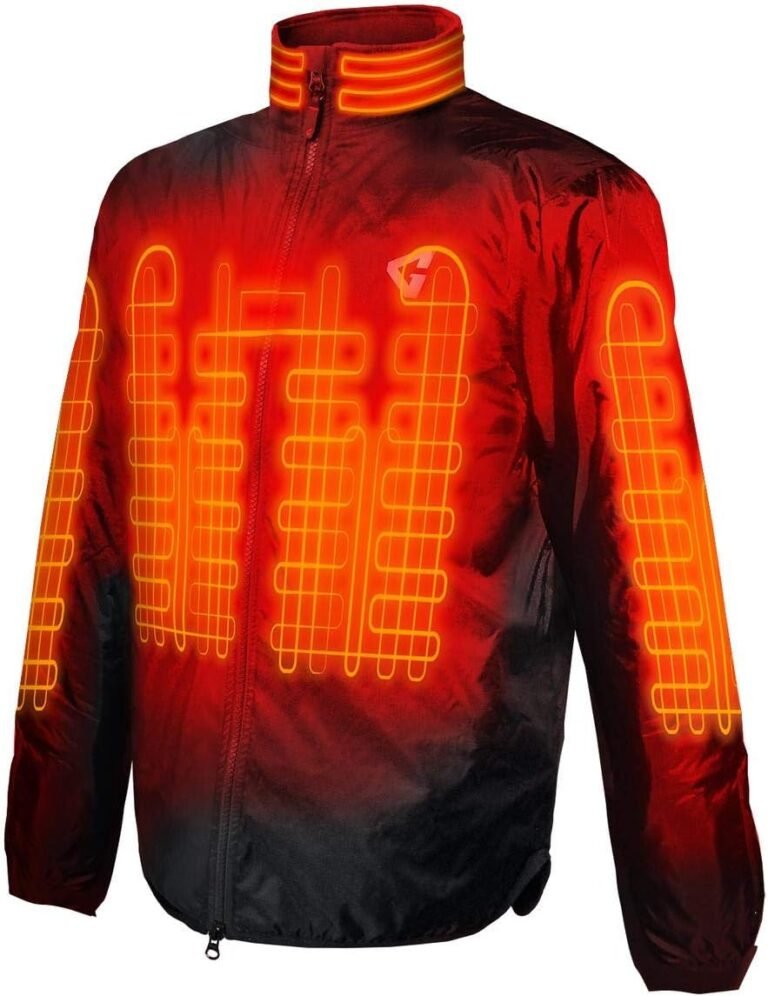
- Gerbing Heated Jacket Liner — 12V: A 12V jacket liner is best for riders who need steady on-bike heat for long commutes or touring and who are prepared to hardwire a system or use an accessory outlet. Gerbing’s 12V system represents the kind of durable platform many riders choose when continuous heat is a priority. If you ride long distances in cold weather, prioritize a hardwired liner.
- Venustas Heated Fleece/Vest (6-zone, battery included): Venustas lists multi-zone heated vests with included lithium polymer batteries, up to a 10‑hour runtime and 2.5‑hour charging. These are useful for commuters, short-to-medium rides, and off-bike use (walking/working). Important limitations: the product facts do not list abrasion ratings or integrated armor—use as a mid-layer beneath protective outerwear and confirm fit and battery handling instructions.
- SAVIOR HEAT Heated Motorcycle Gloves (7.4V 3000mAh): These gloves illustrate a hybrid approach—rechargeable 7.4V 3000mAh batteries with up to a 10‑hour claimed runtime on low, Type‑C fast charging, and the option to use a 12V wire lead to run directly from a motorcycle for continuous heat. They also include motorcycle-friendly features like carbon-fiber shells and touchscreen tips. This makes them a solid option for riders who need flexible use between bike and off-bike time. Verify sizing and real-world runtime at the heat level you plan to use.
These examples highlight the major trade-offs: Gerbing prioritizes continuous, on-bike performance; Venustas prioritizes portable core heat and runtime; Savior Heat offers gloves that can be used both cordless and hardwired.
Care, maintenance and realistic expectations
To keep heated gear working safely and reliably:
- Follow manufacturer wash instructions: Many heated garments are machine-washable only after you remove batteries and disconnect electrical leads. Venustas lists machine washability—confirm how to remove the battery first.
- Store batteries correctly: Charge before long-term storage as recommended and avoid extreme temperatures. If a battery looks damaged or swollen, stop using it and replace it per manufacturer guidance.
- Inspect wiring and connectors: Regularly check for frayed wires, loose connectors, or moisture intrusion—address issues promptly or return/repaired under warranty if applicable.
- Set realistic heat expectations: Battery runtime falls with higher heat settings and in colder conditions. Manufacturers’ runtime claims are useful for comparison but verify by experience or reviews for your riding style and temperature range.
When in doubt about electrical safety or vehicle integration, consult a qualified technician or your motorcycle service shop.
How to buy: checklist and next steps
Use this checklist when comparing final options and before you hit “buy”.
- Confirm which body area needs heating and choose the corresponding garment type.
- Decide battery vs hardwired vs hybrid and choose products that support your preferred power method.
- Verify runtime, battery capacity, and charging time in the product information or from the manufacturer.
- Check fit guidance and confirm compatibility with your jacket, armor and wiring routing.
- Confirm whether the garment is intended as a mid-layer or an outer layer and whether abrasion protection is provided.
- Review wash, battery removal and storage instructions.
- If hardwiring, ensure the product includes a fused lead or purchase an appropriate install kit; consider professional installation.
- Read user reviews for real-world runtime, build quality and sizing feedback before final purchase.