riderinstinct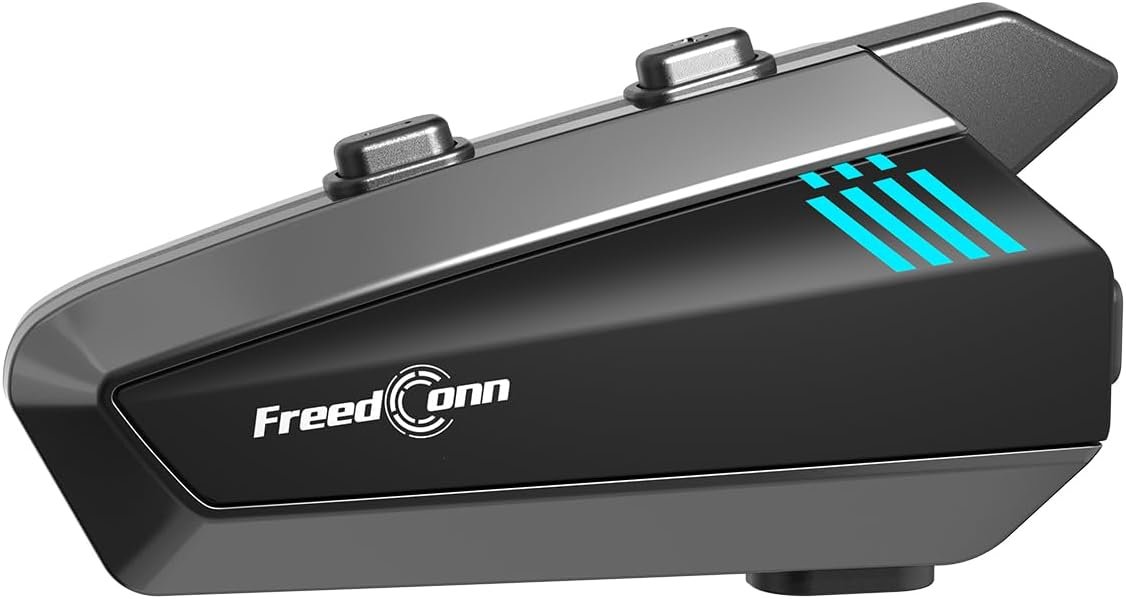
Start with safety and fit — the decision framework
The single most important step when buying a smart helmet is getting the right helmet for your head and riding needs. Electronics are features; the shell, liner, retention system and certification determine whether the helmet does its primary job — protect your head. Before looking at mesh networks, speakers or taillights, ask these questions:
- Does the helmet meet a recognised safety standard applicable where you ride (DOT, ECE, Snell)? Verify certification with manufacturer documentation or the product label.
- Does the helmet fit your head shape and size? Try it on with the communication pocket or speakers installed if possible.
- Is the shell type (composite/fiberglass, polycarbonate/ABS) and weight acceptable for your everyday use?
If a product listing omits shell materials, weight, or certification details, contact the manufacturer or retailer and verify before purchase. A comfortable, certified, well-fitting helmet with minor electronics that work reliably is a better safety decision than an ill-fitting, unproven ‘feature-packed’ helmet.
Integrated helmet vs aftermarket headset — pros and cons
You can buy a helmet with factory-installed comms (integrated) or add an aftermarket headset to a conventional helmet. Both approaches are valid; the best choice depends on your priorities.
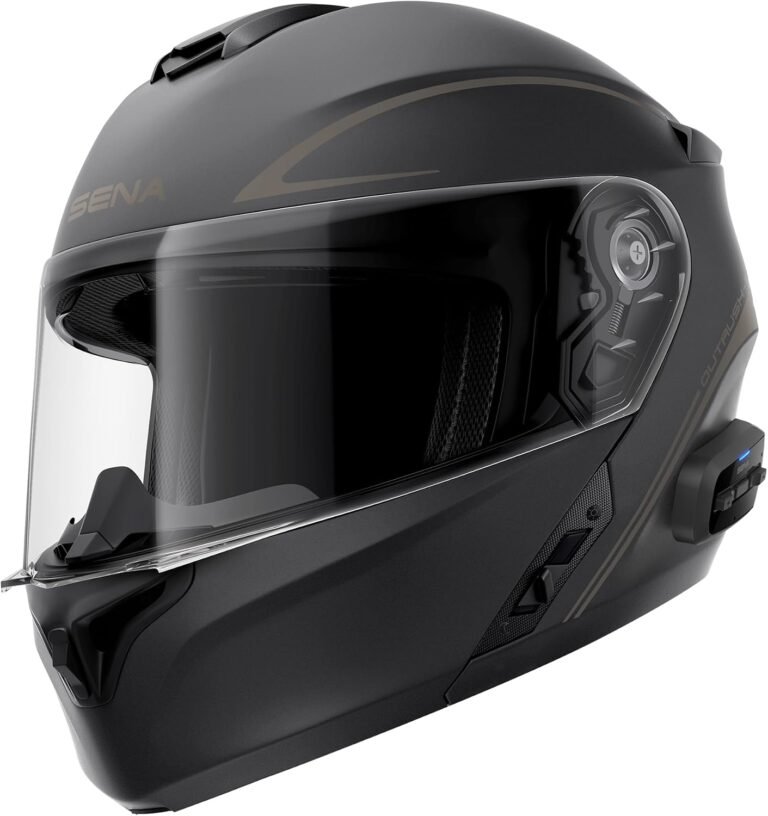
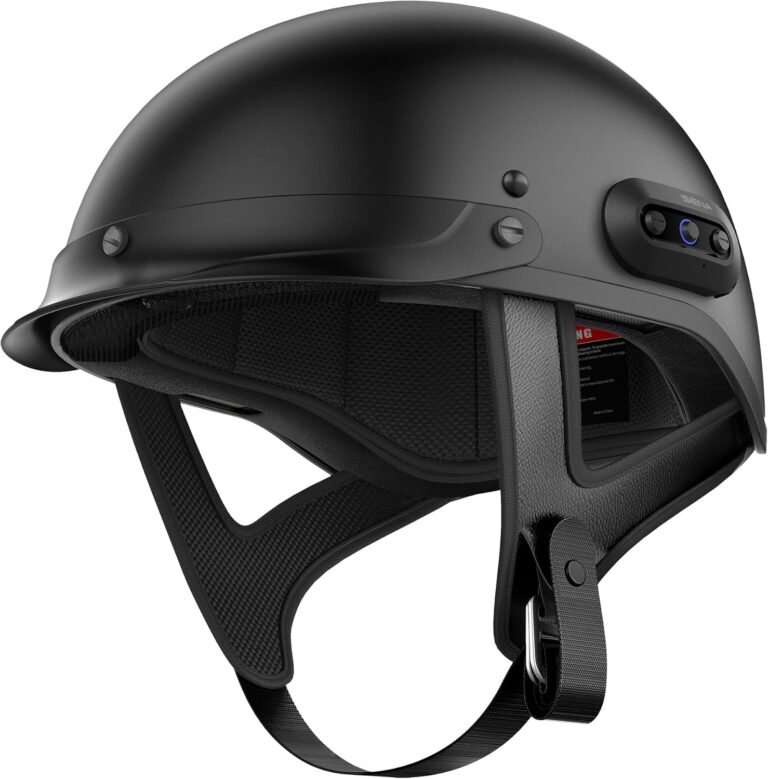
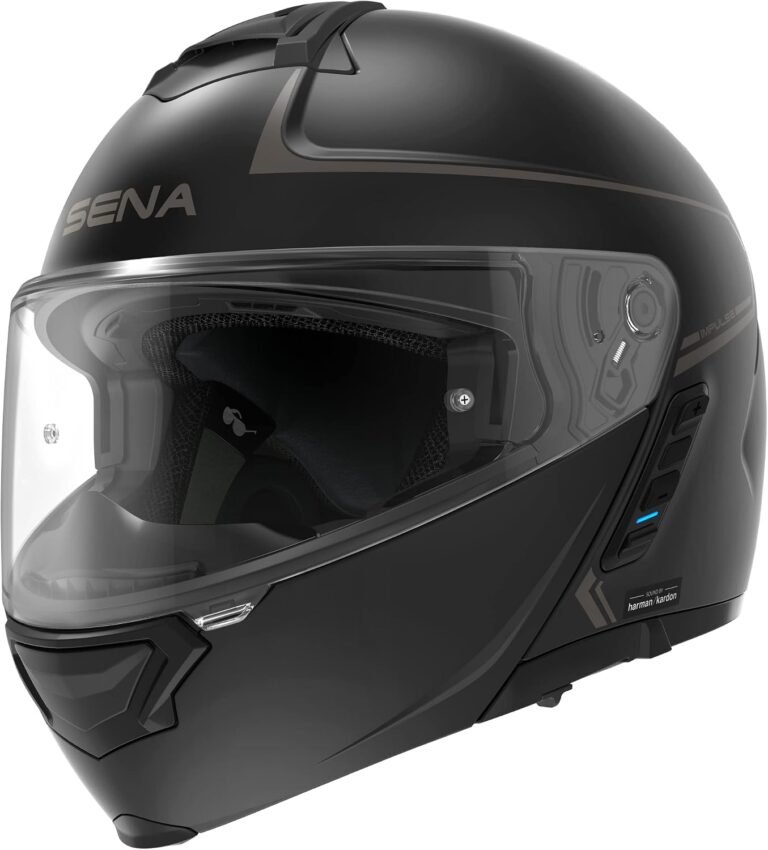
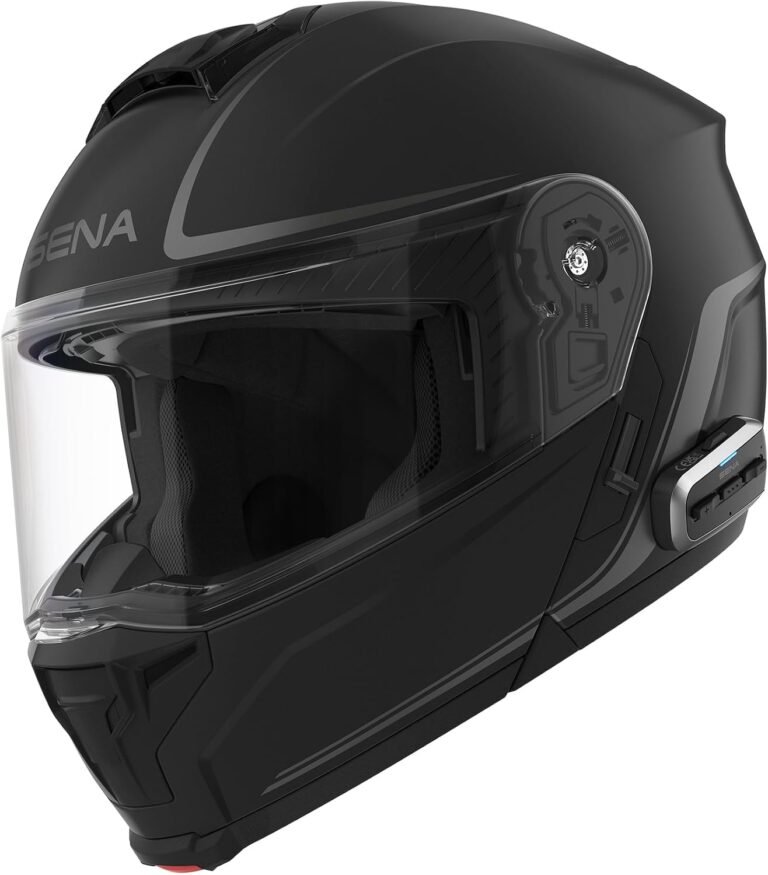
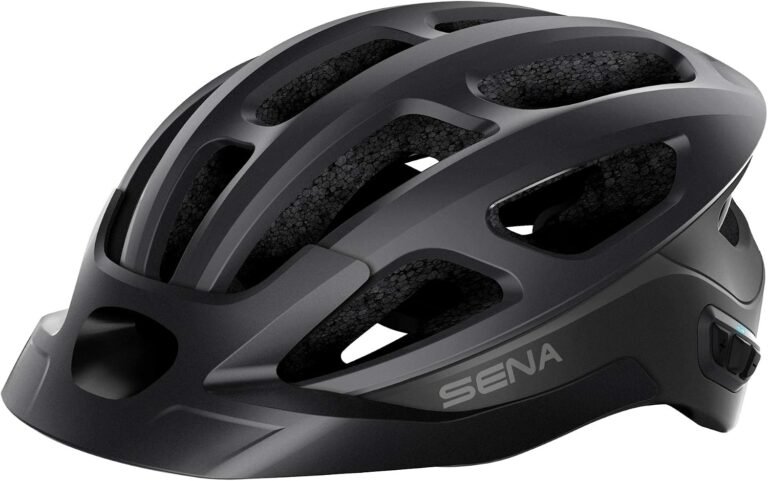
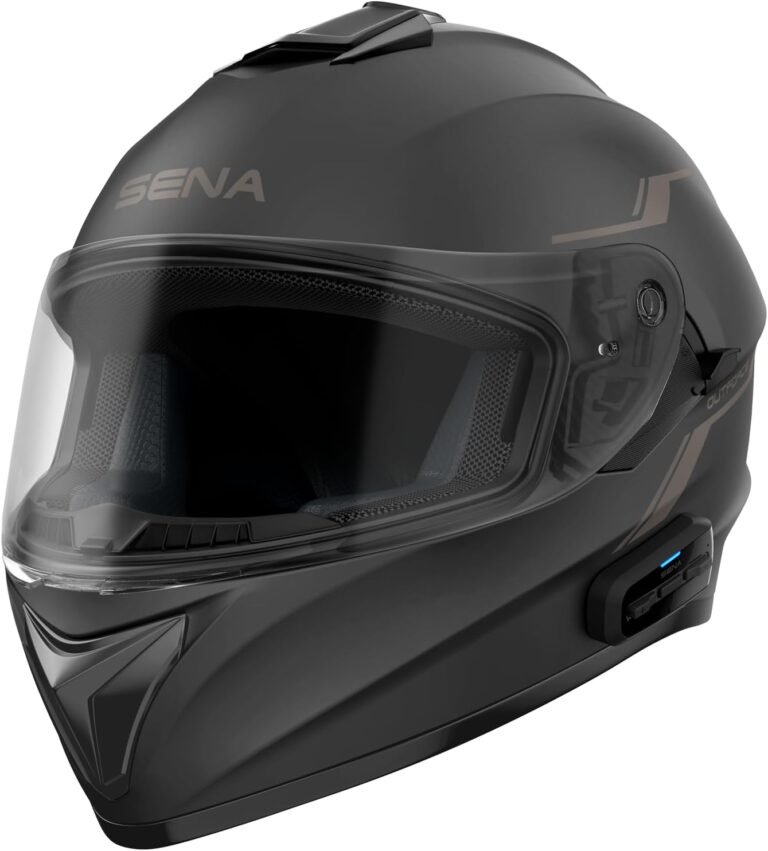
- Integrated helmets (examples in the product facts: Sena Outrush R, Sena Impulse, Sena Cavalry 2) offer convenience — speakers and mics are pre-installed and the system is engineered into the helmet. Pros: cleaner look, often better speaker placement, quick out-of-the-box functionality. Cons: limited upgrade path, potential for higher replacement cost if electronics fail, and listing detail gaps (battery runtime, waterproof rating) sometimes require direct verification.
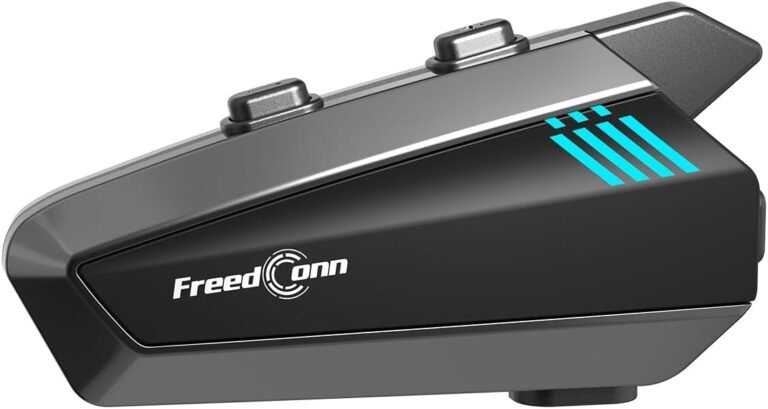
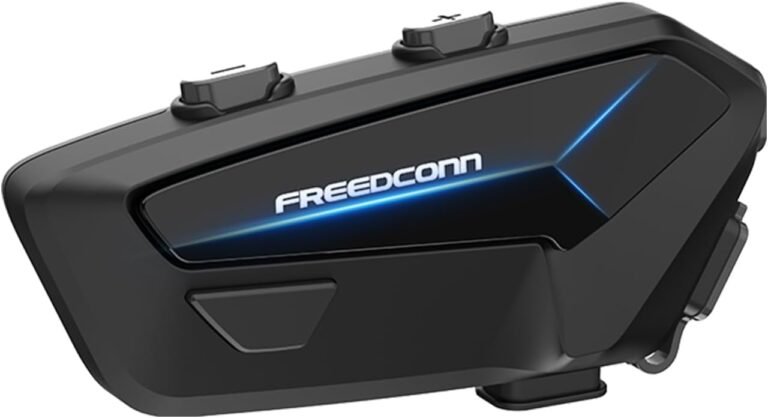
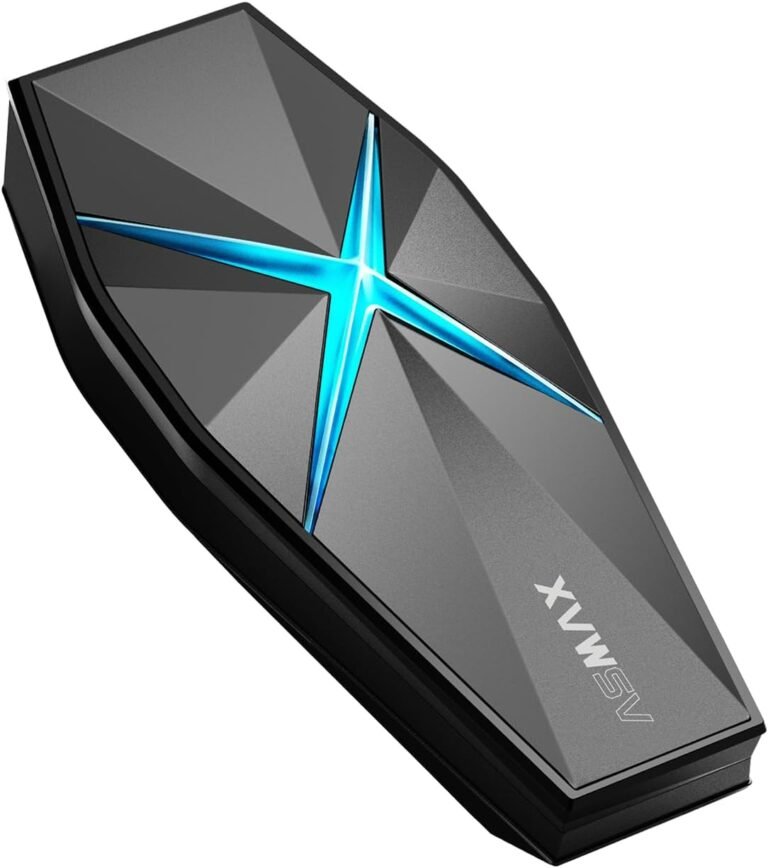
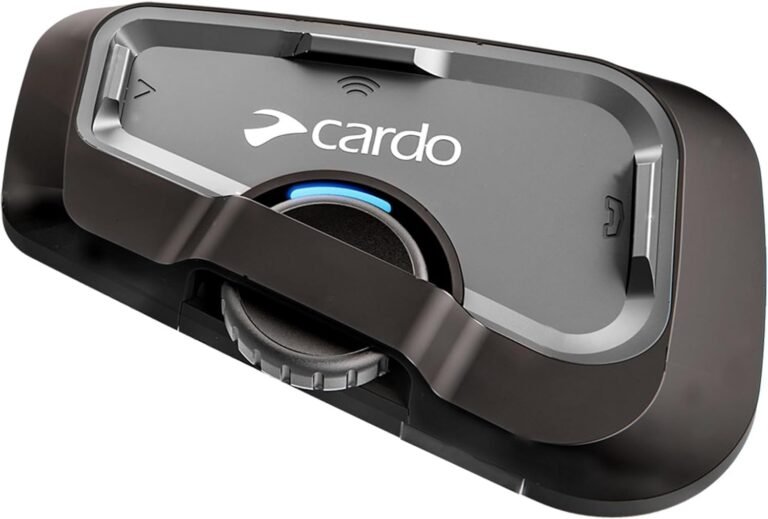
- Aftermarket headsets (examples in the product facts: FreedConn FX PRO, FX Plus, Blade) let you choose the comms features you want and move the system between helmets. Pros: flexibility, easier replacement or upgrades, often lower entry cost. Cons: installation can be fiddly, external modules may affect aerodynamics and can be more exposed to rain unless rated (e.g., IP67).
Decision tip: If you want a one-piece solution and value tidiness and factory tuning (audio, mic placement), integrated helmets make sense. If you expect to change helmets, ride different styles, or want a specific intercom feature set without replacing the helmet, choose an aftermarket headset.
Understanding intercom technology: Bluetooth vs Mesh
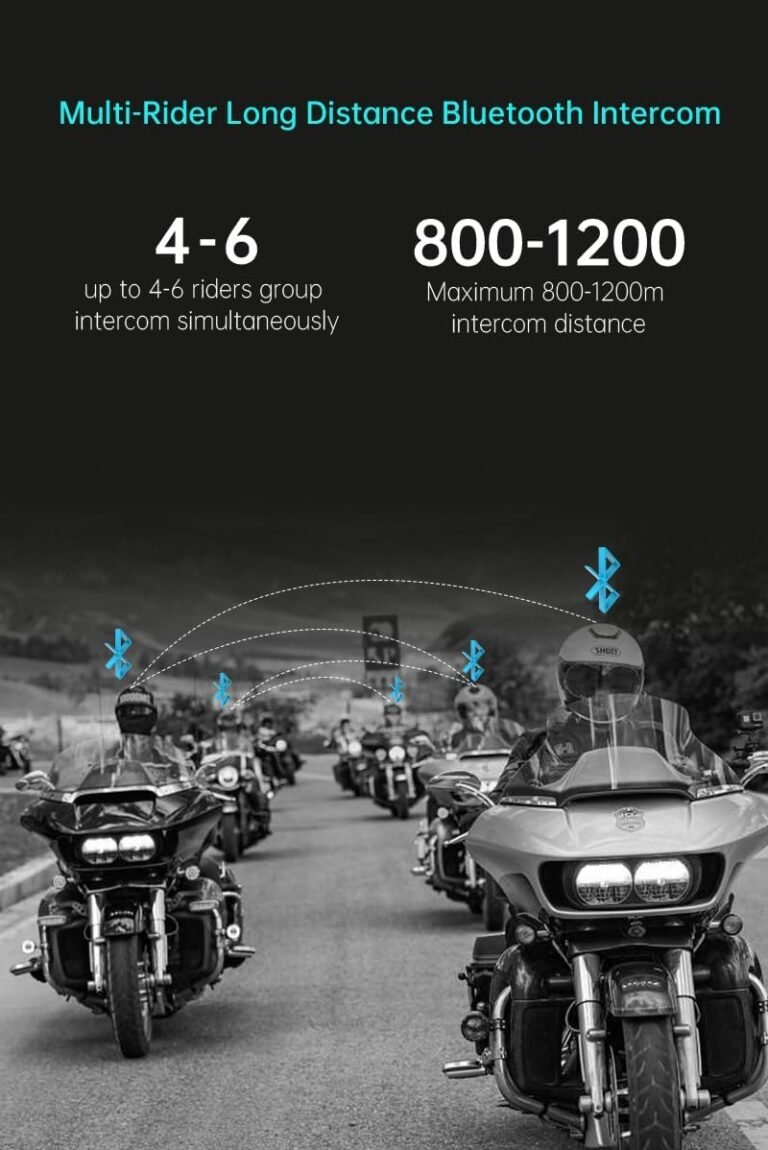
Two main intercom technologies appear in modern helmet systems: classic Bluetooth intercom and Mesh networking. They behave differently in group rides and under real-world conditions.
- Bluetooth intercom is simple and reliable for connecting two riders or a couple of devices. Range is limited and pairing can be more manual. Some factory integrated helmets (Sena Outrush R) provide four-way Bluetooth intercom for small groups.
- Mesh intercom creates a more resilient group network where riders can join, leave and relay audio. Mesh typically scales better — FreedConn and Sena Mesh implementations are designed to auto-join groups and support multiple riders. For example, FreedConn products advertise mesh support across many riders (Blade lists Mesh 3.0 up to 16 riders; FX PRO mentions an auto-join mesh for up to six riders; FX Plus supports 2–16 rider networks in its listing).
Trade-offs: Mesh offers better group scalability and auto-reconnect behaviour, but implementations, real-world range and clarity depend on manufacturer’s firmware and antenna design. Listings often state claimed ranges (e.g., FreedConn Blade claims longer group ranges) — treat these as manufacturer claims and verify with independent user reports for the conditions you ride in (urban canyon vs open highway).
Helmet type matters — coverage, noise and the communications fit
Your helmet style affects both protection and how well comms will work.
- Full-face helmets offer the best facial/jaw protection and generally have more consistent internal geometry for speaker placement. Boom mics and button mics are commonly used. When choosing speakers and microphone types, verify whether the comms kit supplies both boom and clip/button mic options for different helmet styles (FreedConn products typically include boom and clip mics).
- Modular (flip-up) helmets provide ventilation and convenience but can complicate mic placement and waterproofing. Several integrated models in the facts are modular (Sena Outrush R, Sena Impulse) — verify how the link between shell halves is sealed and how that affects electronics.
- Half or open-face helmets like the Sena Cavalry 2 deliver low-profile style but less protection. Mesh or integrated comms can be built in; just be aware that open helmets let in more wind, which increases noise and makes voice clearer only under controlled conditions.
Always test voice clarity at the speeds you typically ride. Wind noise is the single largest factor that limits intercom clarity; no amount of advertised noise cancellation will fully remove it in high-wind situations.
Audio, mics and real-world voice clarity
Good speakers and a good microphone are essential for in-helmet audio. Here’s what to check and expect:
- Speaker quality and placement: Factory-integrated systems (Sena Impulse’s Harman Kardon speakers) can offer better tuning and clearer audio because they’re engineered with the helmet. Aftermarket headsets vary; look for Hi-Res or tuned speakers if in-helmet music is a priority (FreedConn Blade claims Hi-Res speakers).
- Microphone type: Boom mics provide better directional pickup and work well at higher speeds. Clip/button mics are neater for modular helmets but can pick up more wind. FreedConn bundles both mic styles for compatibility with full-face and modular helmets.
- Noise reduction: DSP, CVC and AI-driven filtering are common marketing terms. They help, but wind and helmet-induced noise remain limiting factors; verify claims in independent reviews where possible.
Practical step: If you value phone calls or long music sessions, prioritise systems with known audio tuning (e.g., Harman Kardon in Sena Impulse) or look for higher-end speaker claims and documented user feedback.
Battery life, charging and weather protection
Battery runtime and how the electronics handle moisture are practical, ride-day issues.
- Battery and run-time: Manufacturer listings often provide claimed talk/music times. FreedConn Blade lists a 1400mAh battery with long talk and music times; FX PRO and FX Plus list shared runtime claims. Sena Outrush R and Impulse also include talk-time numbers in their facts (Outrush R: up to 12 hours talk time). Treat claimed values as manufacturer figures — verify with independent user reports if long multi-day touring is the plan.
- Charging ports and convenience: Magnetic pogo ports reduce exposed connectors and can be easier to use with gloves (Sena Impulse mentions a magnetic pogo charging port). Check whether the unit uses a common cable or a proprietary connector and whether spares are available.
- Weatherproofing: Look for an IP rating (for example FreedConn FX PRO and Blade claim IP67) if you regularly ride in the rain. Lack of a stated waterproof rating on an integrated helmet is a prompt to ask the manufacturer how they protect the electronics.
Always confirm battery replacement policies, spare parts availability and warranty terms with the manufacturer. If you plan long tours, verify charging accessories, power draw from phone connections, and whether the system allows use while charging.
Compatibility, pairing and multi-brand use
Compatibility is a frequent sticking point on group rides. Two practical notes:
- Cross-brand pairing: Some manufacturers explicitly support pairing with other brands. FreedConn listings claim cross-brand pairing and mesh compatibility in several models (Blade and FX PRO indicate third-party pairing support). That helps when you’re riding with mixed equipment, but implementations can vary; always test before a long group ride.
- Phone and device integration: Most systems support phone and GPS audio, but the behavior can differ (priority routing, simultaneous music and nav prompts). FX Plus, for example, advertises smart switching between two phones prioritising navigation alerts. Confirm with the product facts or the manufacturer how audio prioritization behaves.
Before a group ride, pair devices at home and perform a road test. If you rely on mixed-brand compatibility, check that your specific models have known working pairings in community reports or the manufacturer’s documentation.
Which option suits your riding style — practical recommendations
Below are practical pairings of rider type and product approaches that follow the facts supplied. These are examples to help you match priorities, not the only valid choices.
- Commuter who wants convenience and reliability: Consider factory-integrated modular helmets like the Sena Outrush R — it offers built-in Bluetooth 5.0, a retractable sun visor and a 4-way intercom. The Outrush R includes DOT certification in the supplied facts, making it a practical daily option. Verify fit and electronics waterproofing if your commute includes heavy rain. (Product details: Sena Outrush R — product page)
- Tourer or tech-focused rider who wants premium audio and Mesh: Sena Impulse combines Mesh/Bluetooth intercoms with Harman Kardon-tuned speakers and a modular shell. The Impulse lists Mesh capability and branded audio; the listing omits some battery and waterproofing specifics — confirm those before committing for long tours. (Product details: Sena Impulse Modular Helmet Review)
- Group riders who frequently ride with mixed brands and need weatherproofing: FreedConn FX PRO and FreedConn Blade advertise auto-join mesh networking, cross-brand pairing and IP67 waterproofing. These FreedConn units are designed for group scalability with claimed long battery life. Because those are manufacturer claims, verify real-world range and voice clarity from user reviews. (Product pages: FreedConn FX PRO, FreedConn Blade)
- Low-profile cruiser or urban rider who values styling: The Sena Cavalry 2 is a DOT-certified composite half helmet with integrated Mesh and Bluetooth. It’s a good fit for riders who accept the protection trade-offs of a half helmet and want a factory-installed comms solution. Confirm battery runtime and comfort for long trips before purchase. (Product details: Sena Cavalry 2 Review)
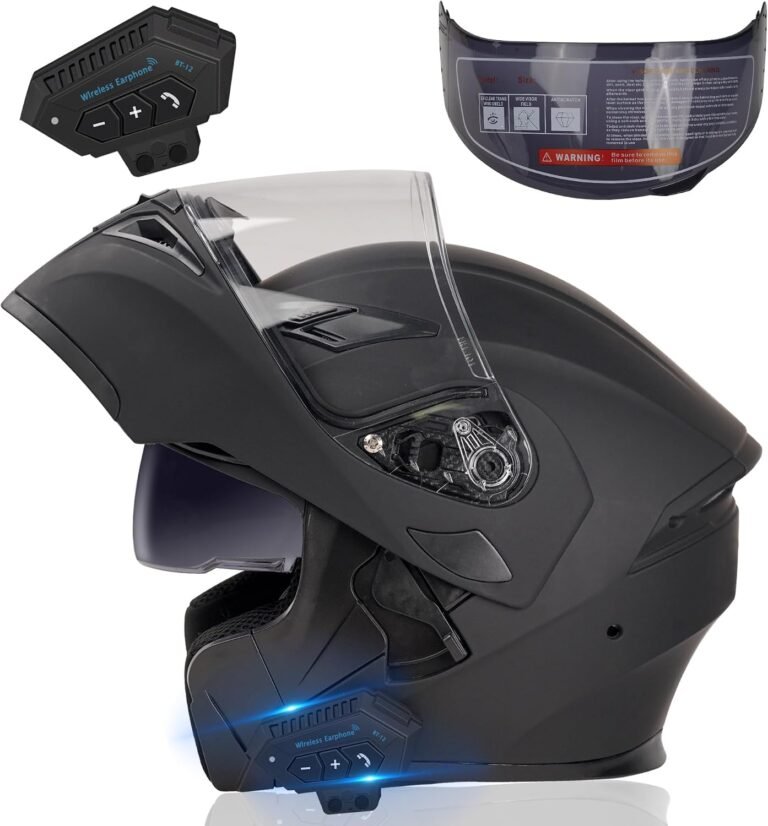
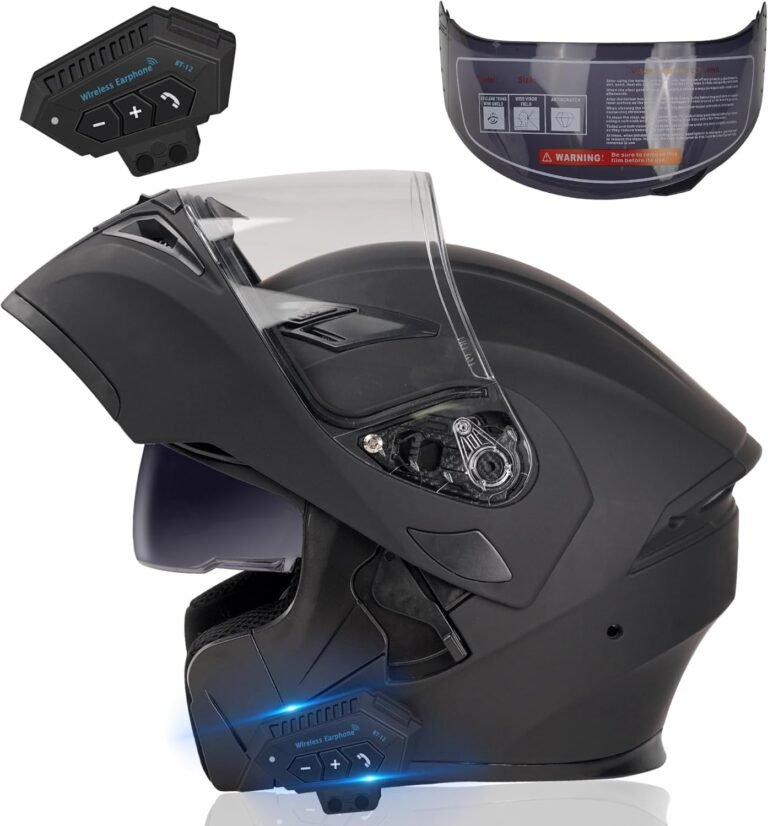
- Budget buyer who wants an all-in-one modular helmet: The modular Bluetooth helmet listing (product id 1404) shows a DOT/EEC-certified flip-up helmet with Bluetooth included. These integrated, lower-cost models can be a value option — but check build materials, electronics protection and the headset’s actual feature set (pairing, battery life) before relying on it for touring.
Links: use the product pages for each model to research fit, sizing guidance and full specifications from the maker before buying.
How to evaluate a final shortlist — practical test and verification steps
When you have two or three contenders, use this short practical test plan before purchase:
- Try the helmet on with the comms installed (or ask the seller to install speakers) to check fit and pressure points.
- Test voice calls and intercom at the speeds you usually ride. Ask a friend to ride with you and try different distances and riding conditions.
- Verify certification labels and ask the manufacturer for shell material, weight and warranty details if not provided.
- Confirm waterproofing and charging behaviour — can you charge on the bike, is the connector protected, and is the electronics compartment sealed?
- Check spare parts and serviceability — can you replace the battery or speakers, and does the manufacturer provide support?
Keep receipts and test equipment within the return window in case fit or audio performance don’t meet expectations.