riderinstinct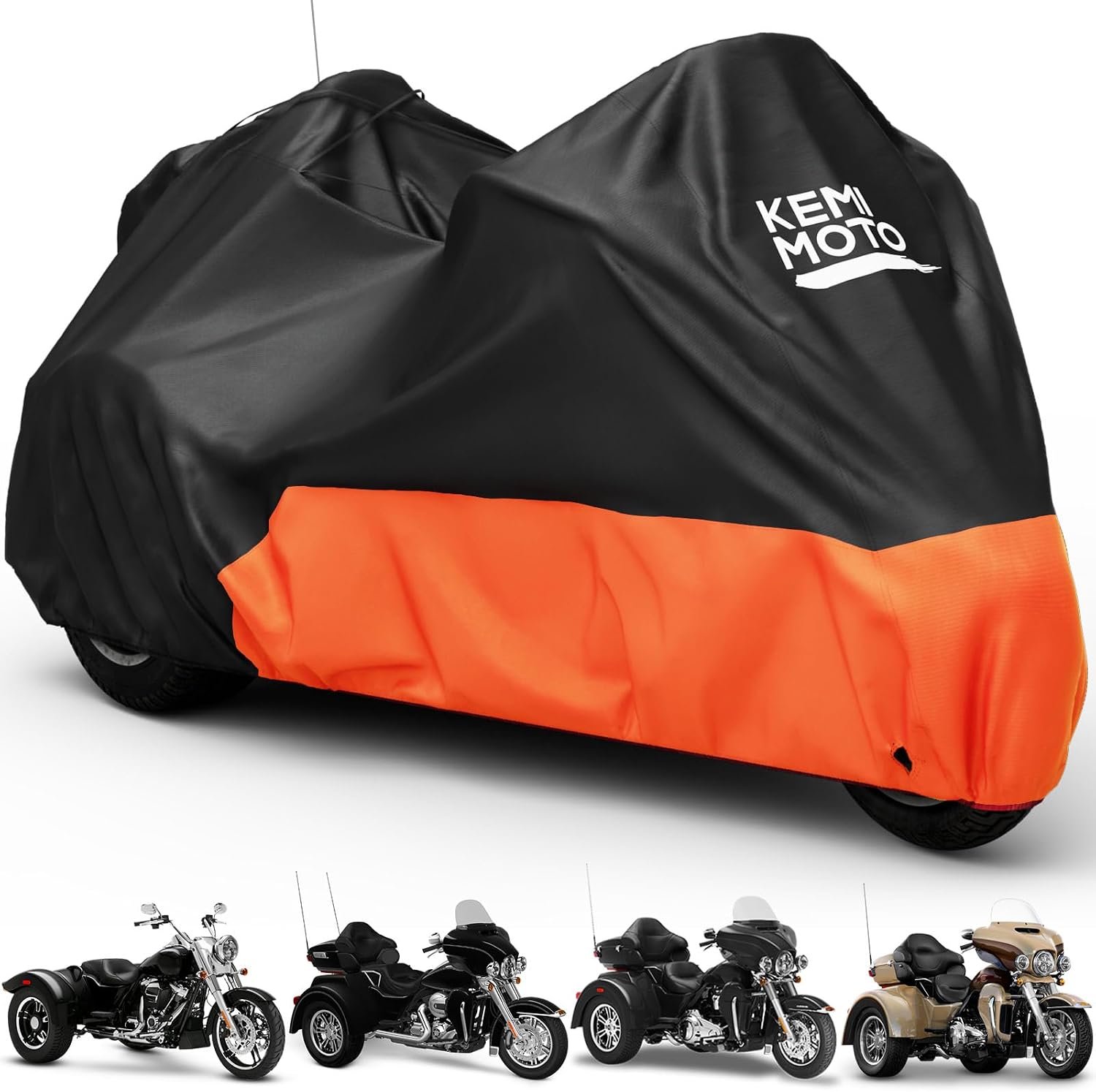
How to approach choosing accessories (decision framework)
Before you start browsing products, use a simple decision framework: define your riding style, identify the top problems you want to solve, check compatibility, and prioritize items that improve safety or reduce recurring pain points. This prevents impulse purchases and ensures every accessory earns its place on your bike.
Practical sequence:
- Define where you ride and for how long (daily commute, weekend touring, canyon carving, off-road, or just short urban hops).
- List the top 2–3 problems you want solved (e.g., theft risk, weather damage, phone charging, rider fatigue).
- Match accessory categories to those problems: security, covers, power/electronics, comfort, luggage, visibility, or controls/footpegs.
- Verify fitment, weight, power draw and any permanent changes to your bike before buying.
Who needs what: matching accessories to riding styles
Different riding styles create different accessory priorities. Here are common rider profiles and the accessories that provide the most value:
- Commuter: Prioritize security (locks/alarms), weather protection (cover or waterproof luggage), phone power (USB outlets) and visibility (vests or lights).
- Touring/randonneur: Comfort (seat pads, floorboards), reliable charging (hardwired outlets), luggage solutions and wind protection (windscreen extensions).
- Sport riders: Lightweight protection (tail bags, small covers), performance-oriented foot controls, and aerodynamic wind management.
- Adventure/off-road: Rugged luggage, skid protection, durable handguards and heavy-duty covers for long-term storage.
- Urban/errand riders & scooter users: Compact locks, helmet locks and quick-charge USB chargers are high-value.
Use these profiles to decide which categories to invest in first.
Core accessory categories and what actually matters
Accessory categories overlap; the trick is to focus on the attributes that affect safety, durability and usability.
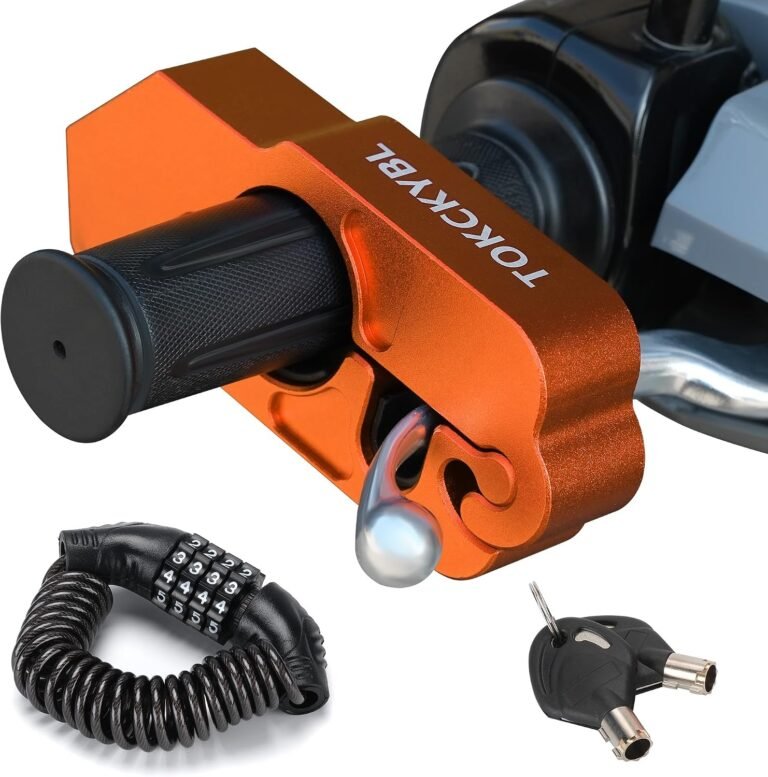
- Security: Disc locks, handlebar/grip locks and alarm systems. Prioritize hardened materials, tamper-resistant locks, visibility (bright color) and ease-of-use. Example: the TOKCKYBL heavy-duty anti-theft handlebar/helmet lock combines an aluminum alloy body and a detachable helmet lock — good for riders who need a quick, visible deterrent but still check fitment for your handlebar diameter (the listing mentions 1.4″–1.6″).
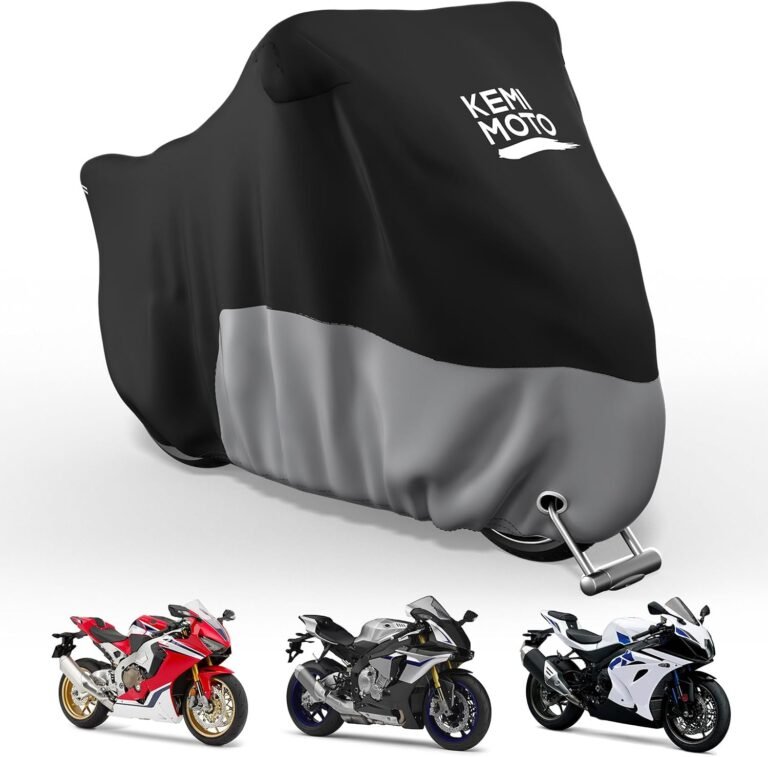
- Weather protection: Bike covers and waterproof bags. Look for material denier, waterproof coating and ventilation. KEMIMOTO’s Heavy Duty 420D covers are tailored for sport bikes and trikes in different listings — they emphasize 420D Oxford fabric, water resistance and UV protection. Verify the exact size needed for your bike and whether additional accessories (antennas, tall mirrors) require special cutouts.
- Power & electronics: On-bike USB adapters, hardwired outlets and comms. Check connector compatibility (DIN/Hella, in-line fuses, IP rating). The DIN Hella plug to QC 3.0 USB & Type-C charger in the list specifies IP66 cover, CE & RoHS safety protections — good for fast charging needs but confirm vehicle plug type and charging current limits for your setup.
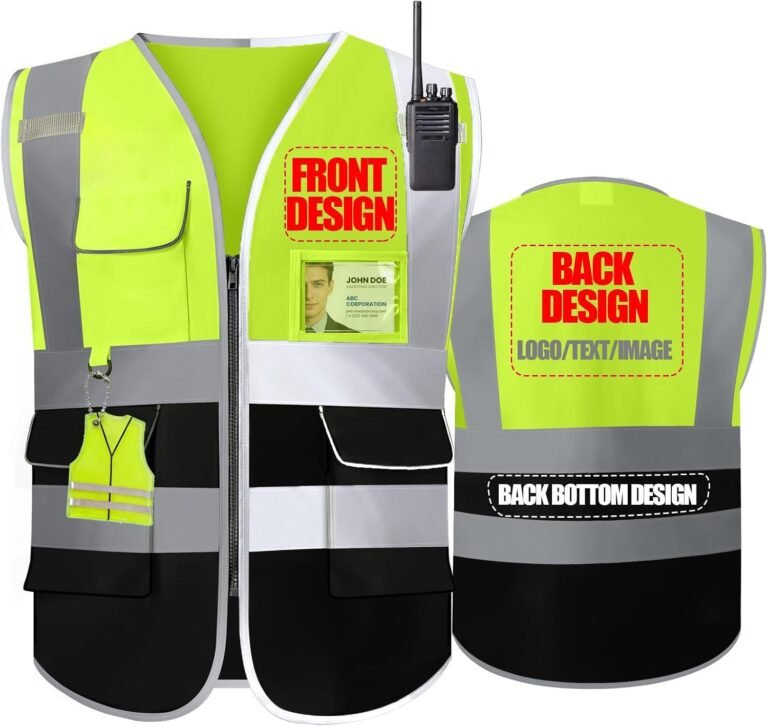
- Visibility & lighting: High-visibility vests, helmet lights and auxiliary LEDs. For clothing, look for ANSI/ISEA or equivalent visibility standards for reliable retroreflective performance; the listed Custom Safety Vest claims ANSI/ISEA 107-2020 Class 2 Type R. For lights, verify mounting method and runtime.
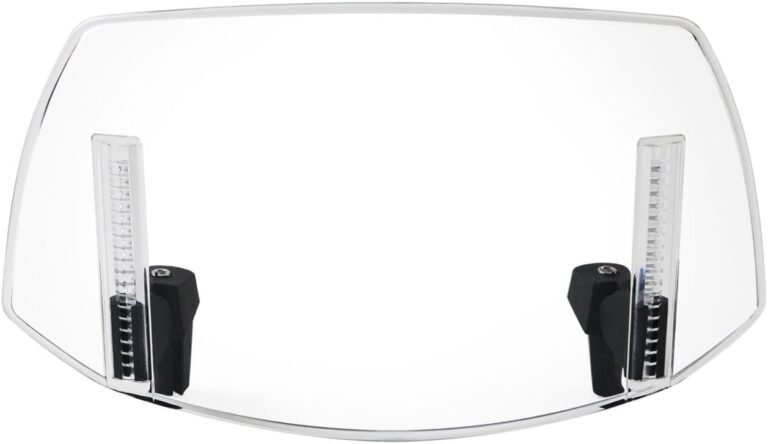
- Comfort: Seats, floorboards and wind protection. Choices range from clip-on windshield extenders (like the Pacewalker wind deflector) to gel seat pads and larger floorboards. Comfort items often trade weight and permanence for ergonomics.
- Luggage & mounting: Hard vs soft luggage, racks and mounting hardware. Hard luggage is secure and weatherproof but heavier; soft luggage is lighter and flexible but needs careful waterproofing.
Fitment, compatibility and electrical basics you must check
Many accessory returns happen because buyers didn’t check fitment or electrical compatibility. Before purchase, confirm:
- Physical fit: measure critical dimensions (wheelbase, width with mirrors, handlebar diameter, footpeg locations) and compare to product fitment notes. For bike covers, match the product’s stated dimensions and any fitment notes (e.g., the Kemimoto trike cover is customized for trikes and includes an antenna opening).
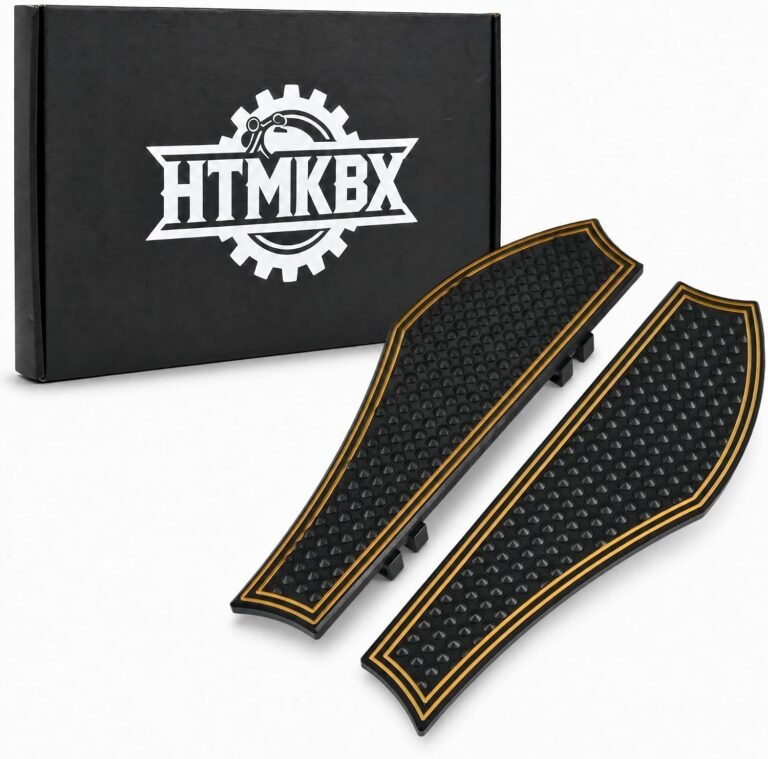
- Mounting points and hardware: some floorboards or foot controls need model-year-specific adapters; the Harley floorboards listing cites model-year fitment and notes an adapter is needed for some 2024+ models.
- Electrical compatibility: confirm plug type (DIN/Hella vs accessory socket), voltage and available current. If a power adapter claims QC 3.0, check your device’s needs and whether your bike’s charging circuit and connector are compatible. When in doubt, consult the motorcycle’s service manual or manufacturer.
- Weight and balance: heavy luggage or floorboards can change handling. Consider the effect on center of gravity and suspension load.
When exact installation specs or electrical ratings aren’t provided in a listing, verify with the manufacturer or dealer before installation.
Safety and certification considerations
Prioritize accessories that reduce risk or meet a recognized standard. Points to watch:
- Electrical safety: look for CE, RoHS or IP ingress ratings on electronics. The provided DIN-to-USB adapter lists CE & RoHS and an IP66 dust/water cover — useful details when assessing weather resilience.
- Visibility standards: reflective vests that meet ANSI/ISEA standards (the supplied Custom Safety Vest states ANSI/ISEA 107-2020 Class 2 Type R) are preferable for nighttime and low-light commuting.
- Mechanical strength: locks and mounting hardware should be made of hardened metals with tamper-resistant cylinders where possible. No lock is theft-proof — balance deterrence, convenience and redundancy (combine a visible lock with an alarm for better protection).
- Installation safety: do not mount covers or accessories where they can trap heat or interfere with hot components (many covers warn not to use them immediately after riding). Follow product notes — e.g., Kemimoto warns not to use the cover on a hot engine and to consider windshield or backrest accessories.
Never modify wiring or mountings in ways that can compromise brakes, lights or steering. If you’re unsure about electrical installations, use a qualified mechanic or electrical specialist.
Trade-offs: removable vs permanent, cheap vs durable
Understanding trade-offs helps you prioritize. Typical trade-offs include:
- Removable vs permanent: Clip-on wind deflectors (like the Pacewalker windshield extension) are cheap, reversible and useful for fine-tuning wind comfort. Hardwired outlets or permanently mounted racks offer tidy wiring and security but cost more and require professional installation.
- Cheap vs durable: Lower-cost options get the job done but often use lower-grade materials and shorter warranties. For frequently used items (locks, covers, chargers), spend more on proven durability and weatherproofing.
- Weight vs protection: Heavy-duty floorboards and hard luggage improve comfort and protection but add weight and affect handling. Decide based on how much your riding benefits from the upgrade.
- Visibility vs stealth: High-visibility locks or covers deter thieves but may draw attention; covert solutions (e.g., discreet GPS trackers) complement visible deterrents.
Maintenance, care and longevity
Accessories need care. Best practices:
- Clean and dry covers before storage to avoid mildew; remove covers after riding only when the bike has cooled as many covers warn against use on hot engines.
- For electrical accessories, periodically check seals, connectors and fuse protection. The DIN/USB adapter’s IP66 rating is valuable but seals can fail over time — inspect and replace if degraded.
- Lubricate lock cylinders and check keys/combination mechanisms periodically.
- Store removable items out of sunlight where possible to reduce UV degradation.
Replace worn fasteners, straps and adhesives. Keeping accessories in good condition preserves both function and resale value of your bike.
Practical recommendations by rider type (examples from the product list)
Below are accessory suggestions from the supplied product facts and why they suit particular riders. These are representative picks — always confirm fitment and measure before buying.
- Commuter / Urban rider: Security and visibility first. The TOKCKYBL Motorcycle Lock offers a visible handlebar/brake lock with a detachable helmet lock — useful for quick stops. Pair with a high-visibility vest (the Custom Safety Vest listing that cites ANSI/ISEA 107-2020 Class 2 Type R) for low-light commuting.
- Tourer / Long-distance: Comfort and reliable electronics. Consider robust charging like the Motorcycle Power Adapter (DIN Hella to QC 3.0 USB & Type-C) for fast phone charging on the go; verify your motorcycle’s accessory socket type. Also evaluate wind protection: a universal windshield extension such as the Pacewalker wind deflector can reduce helmet buffeting, and larger floorboards (example: the 7075 aluminum front rider floorboards) improve long-ride comfort — check fitment for your specific model and adapter requirements.
- Sportbike owner storing outdoors: Weatherproof coverage matters. The KEMIMOTO Heavy Duty 420D Waterproof Motorcycle Cover (sport bike version) states 420D Oxford fabric, a waterproof coating and a lock hole for securing the bike. For three-wheel trikes there’s a KEMIMOTO 3-wheel 420D cover with antenna opening. Verify the dimensions match your machine and do not place covers over hot components.
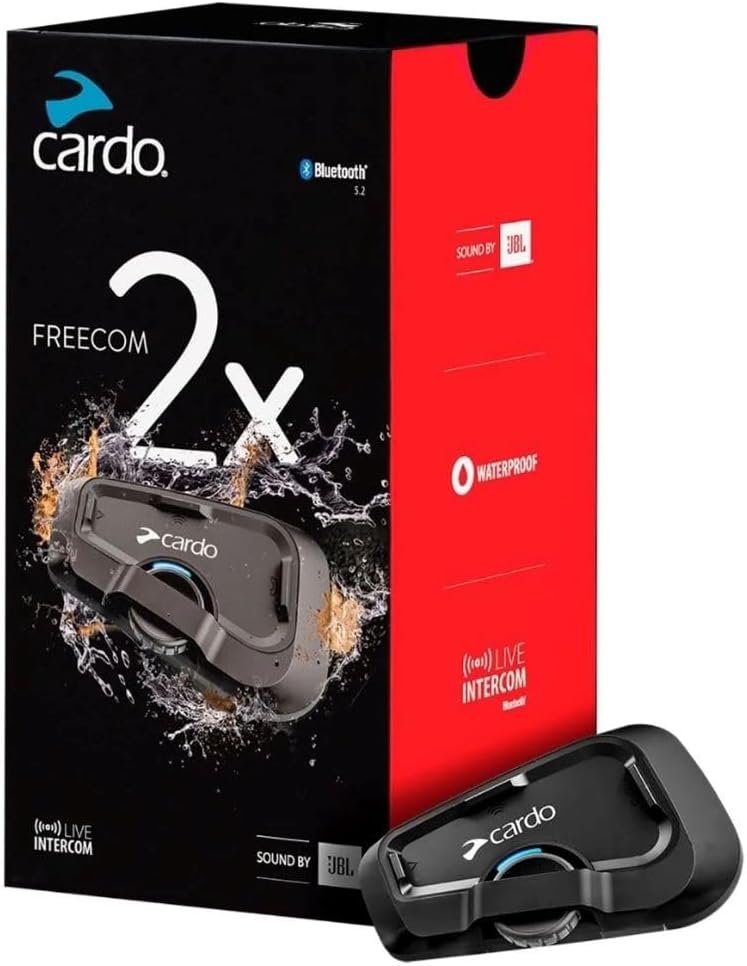
- Group riders and communicators: A dedicated comms unit such as the Cardo Systems FREECOM 2X (listed) provides intercom and Bluetooth features with OTA updates and waterproofing. Check helmet fit and speaker placement for your helmet model.
Limitations and what to verify: product listings often omit precise fitment dimensions or wiring current limits — confirm the physical size, mounting hardware requirements and electrical draw with the seller or manufacturer before purchase.
How to evaluate and shop: reviews, returns, and warranties
Before you click buy, follow a quick checklist to reduce buyer’s remorse:
- Read multiple user reviews and look for consistent failure modes (e.g., zipper failure, water ingress, mounting looseness).
- Check the return policy and warranty period. For electronics, prefer items with explicit warranty and post-sale support.
- Verify seller information and ask questions about fitment or installation if anything is unclear. For example, confirm whether a power adapter is compatible with your bike’s accessory socket or whether a cover includes a lock hole that lines up with your frame.
- Prefer accessories that list standards (IP, CE, ANSI) for safety-relevant items.
Use the site’s product review pages or linked product reviews for deeper reviews; RiderInstinct has related guides and reviews for items like heated grips, helmet lights, grip locks and alarms which can help you compare alternatives.
Final steps: prioritize, test and iterate
Buy in priority order: fix safety/security first, then comfort and convenience. When an accessory arrives:
- Test fit and operation in a controlled place (driveway or garage) before using it on a ride.
- Check for interference with steering, controls, or exhaust heat.
- Carry basic tools and spares for quick fixes (zip ties, small wrench, electrical tape).
If an accessory doesn’t work for you, return it and re-evaluate the next option. Over time you’ll assemble a kit that complements your riding style and improves safety and enjoyment.