riderinstinct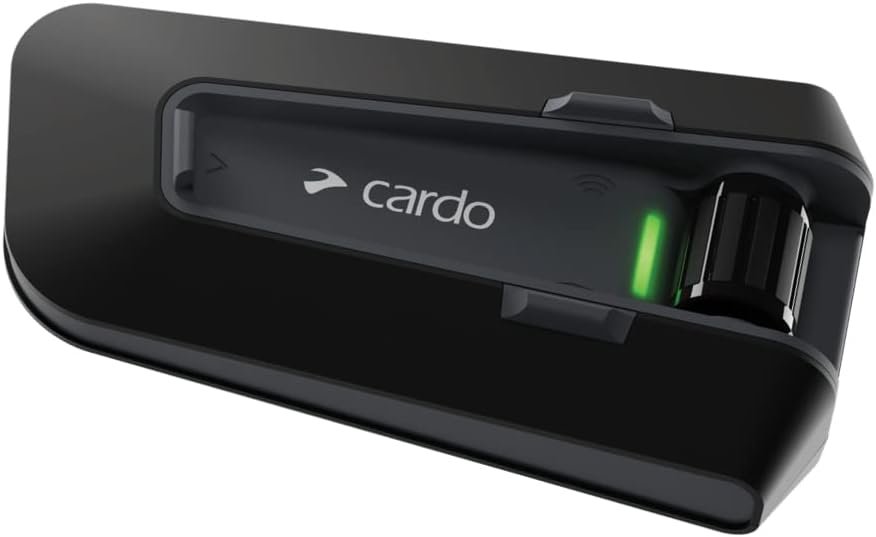
Why helmets matter and the decision framework you should use first
The helmet’s job is simple in theory: control how impact energy transfers to your head while keeping you conscious and able to escape a crash. In practice, choosing a helmet involves three core decisions: style (what kind of riding you do), fit (how it sits on your head), and certification/quality (does it meet independent safety standards?).
Before looking at brands or price tags, decide the primary use—commuting, sport riding, long-distance touring, off-roading, or scootering. That use-case drives the helmet style and the features you should prioritise (venting for summer commuters, Pinlock anti-fog for cold/wet touring, or reinforced visors for off-road debris).
Use this checklist as your mental framework when shopping:
- What riding will I do most often?
- Which helmet style matches that use-case?
- Can I try sizes in person, or do I have a returns window when buying online?
- Does the helmet carry verifiable certification from a recognised testing authority?
Helmet styles: trade-offs and who they suit
Helmet styles change how you interact with the bike and affect protection, comfort and convenience. Here are the main styles and the trade-offs to consider:
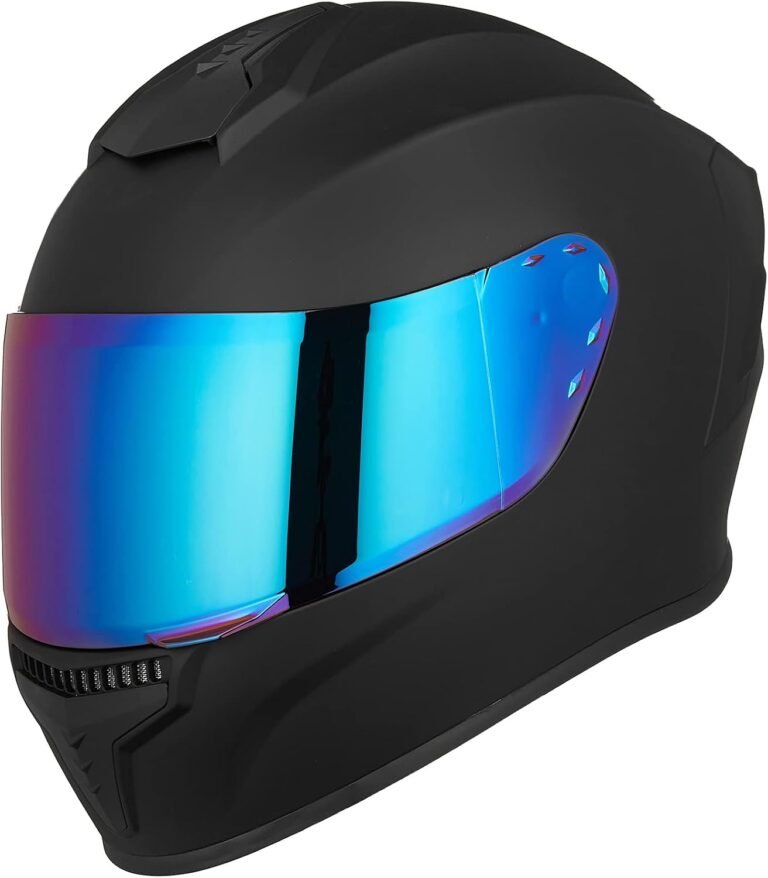
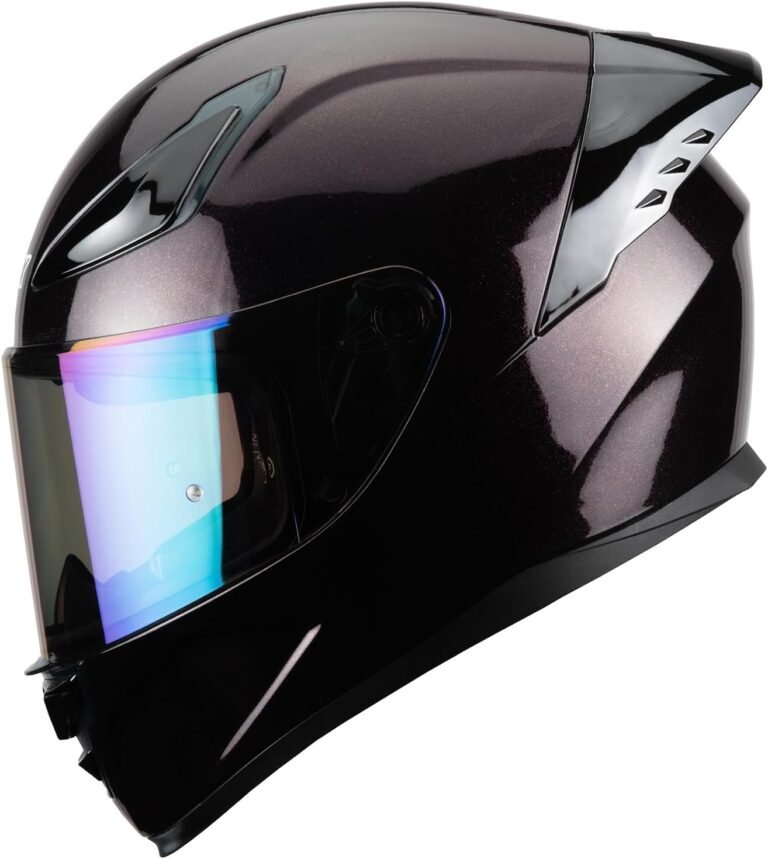
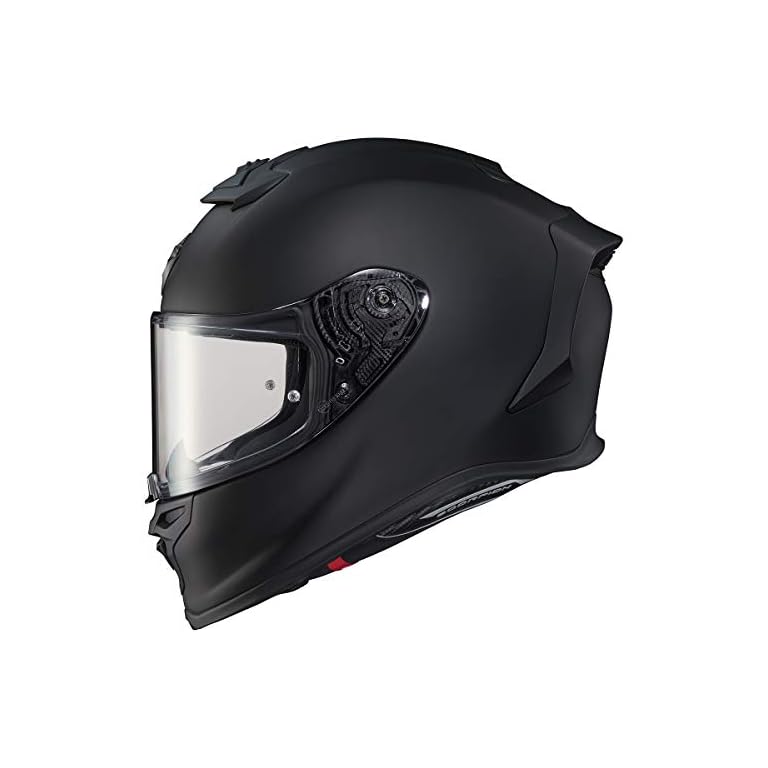
- Full‑face — Best all‑round protection and wind/noise control. Ideal for street, commuter and sport riders. Trade-off: less ambient hearing and slightly more heat in some models.
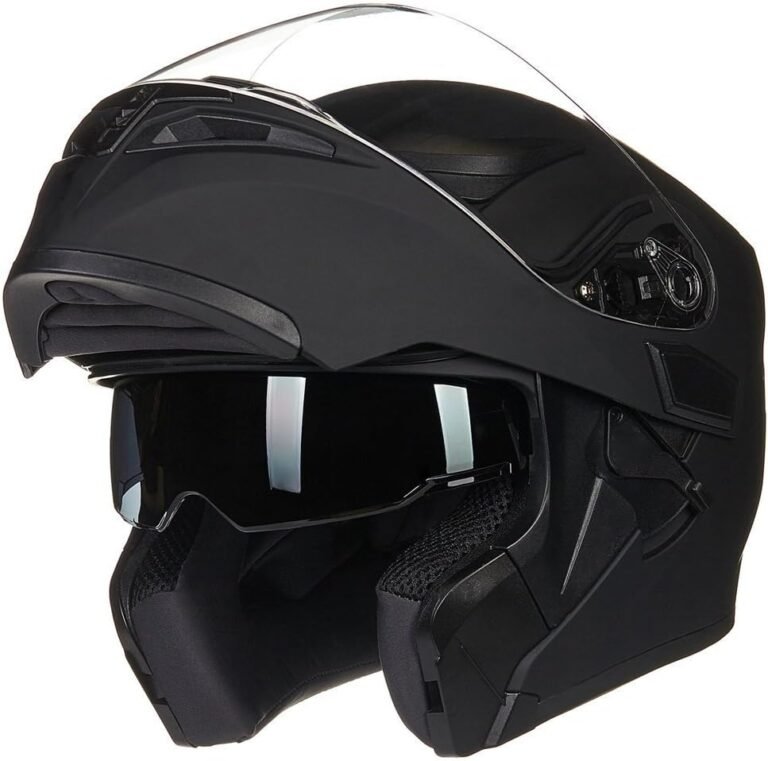
- Modular / Flip‑up — Chin bar lifts for convenience (talking at stops, eating/drinking). Good for touring or riders who dislike removing helmets frequently. Trade-off: extra hinges and seals can add weight and potential weather-seal concerns; check fit and visor sealing.
- Open‑face / 3/4 — Better peripheral awareness and ventilation but less facial protection. Suits low‑speed urban riding; not ideal for high‑speed or off‑road.
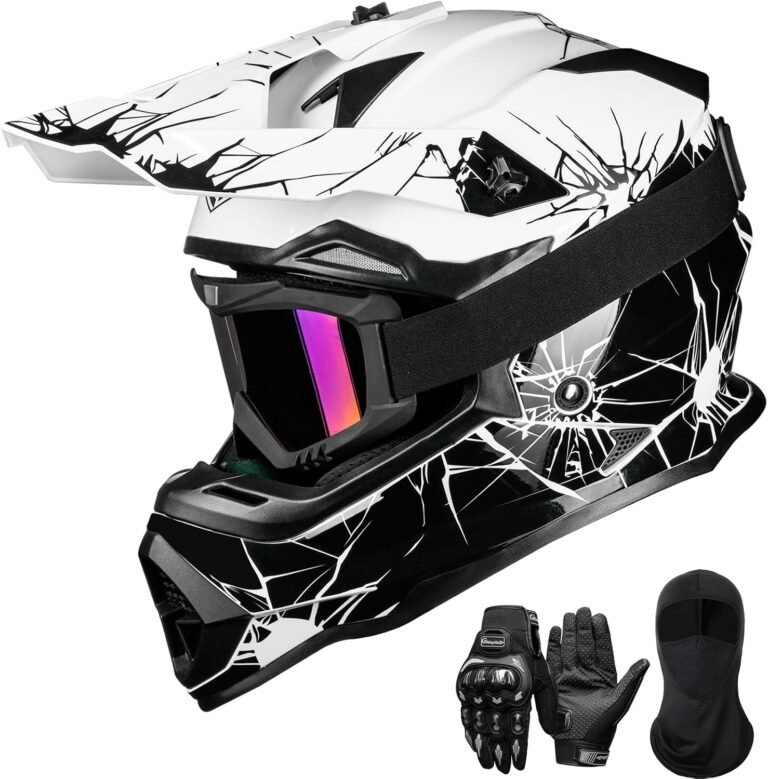
- Off‑road / Motocross — Designed for ventilation and roost protection with an elongated peak and open face. Pair with goggles. Not ideal for highway speeds without a full‑face shell.
- Dual‑sport / Adventure — Compromise between off‑road and street: peak for dirt and a full face for road use. Useful for mixed-terrain riders.
Pick the style that matches the environment you ride in most. If you’re unsure, a high‑quality full‑face is the safest default for beginners because it provides the most consistent protection on paved roads.
Safety standards and certifications—what to check
Helmet safety relies on testing to standards. The commonly referenced certifications are DOT (U.S.), ECE (Europe), and Snell (voluntary laboratory standard). Each has different test protocols and thresholds. When shopping, don’t accept a verbal or product description claim alone—verify on the helmet itself or via manufacturer documentation.
Practical checks before buying:
- Look for a certification sticker inside the helmet or a printed label that shows the standard and, where applicable, the homologation number.
- Check the helmet’s manufacture date—materials age—and confirm the manufacturer’s recommended replacement interval (some guidance ranges from 3–7 years; follow the manufacturer’s instruction).
- For budget helmets, ensure the seller provides legible certification photos or paperwork—many inexpensive listings simply repeat ‘DOT’ without documentation.
If detailed impact-test performance or independent lab reports matter to you, ask the manufacturer or retailer for the paperwork before purchase.
Fit, head shape and measuring correctly
Fit is non-negotiable. A helmet that looks good but moves on your head won’t protect correctly. Follow these steps:
- Measure head circumference at the widest point (just above the eyebrows). Use that number to pick a manufacturer size chart—sizes differ across brands.
- Know your head shape: some helmets are round‑oval, others are long‑oval. If a helmet is uncomfortable across the temples, you likely need a different shape.
- Try the helmet on: it should feel snug all around with even pressure. It will break in slightly, but it shouldn’t have pressure points.
- Perform the retention and roll test: fasten the strap and try to roll the helmet forward/backward and side‑to‑side—your skin should move with the helmet and it shouldn’t shift off your brow.
Note: integrated electronics can change internal volume. For example, ILM notes that some of their helmets with built‑in Bluetooth run approximately one size smaller—verify sizing guidance on such models before buying.
Features that genuinely matter (and which ones are optional)
Feature lists can distract from the basics. Here’s what makes real-world difference and what’s optional depending on use:
- Visor properties — Wide field of view and Pinlock readiness matter for visibility and fog prevention. The HAX Onix, for instance, is Pinlock‑30 ready with pre‑installed pins, letting you add an anti‑fog insert when needed.
- Ventilation — Fresh air reduces fatigue on hot days. If you ride in summer, effective intake and exhaust vents aren’t optional.
- Retention system — Double‑D straps remain the gold standard in many regions; micrometric buckles are convenient but check for secure engagement.
- Removable/washable liners — Practical for hygiene and comfort; most modern helmets include them.
- Weight — Important for neck fatigue on long rides; composite shells are typically lighter than ABS at the same protection level, but weight specs should be verified with the maker.
- Intercom readiness — If you plan to use communications, look for Bluetooth/intercom cutouts or pre‑fitted mounts. The HAX Onix specifically includes intercom slots, which simplifies adding a comms unit.
Optional features: graphic complexity, integrated sunshades (convenient but can add internal complexity), and replaceable cheek pads. Choose based on real use rather than feature marketing.
Communication options—integrated systems vs modular intercoms
Riders increasingly expect voice navigation, music, and group intercoms. You have two broad options: helmets with built‑in Bluetooth/intercoms or separate, modular units you mount afterwards.
Integrated systems (example: ILM Bluetooth Integrated Modular helmet family) bring convenience and a clean install. ILM’s integrated options advertise Bluetooth 5.0 connectivity, an intercom range (product facts list up to ~1680 ft), and talk times (the listing notes up to about 8 hours of talk time). Trade-offs: integrated electronics can reduce internal space and may affect sizing (some ILM models run a size smaller), and long-term service or battery replacement could be harder if the electronics are proprietary.
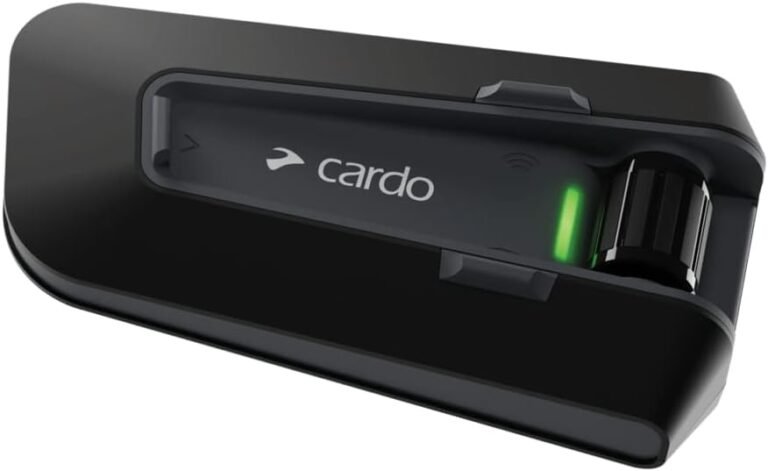
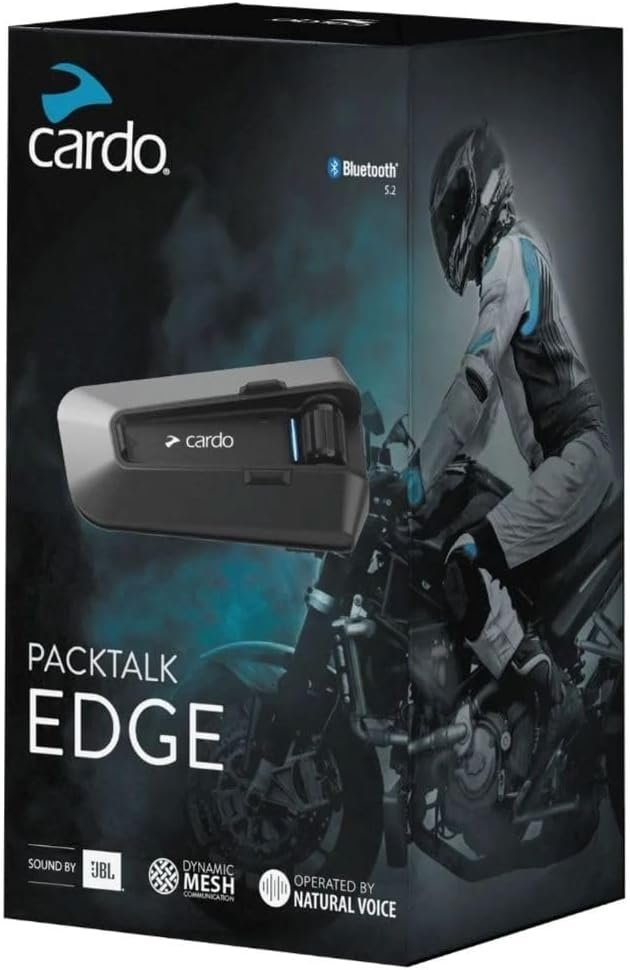
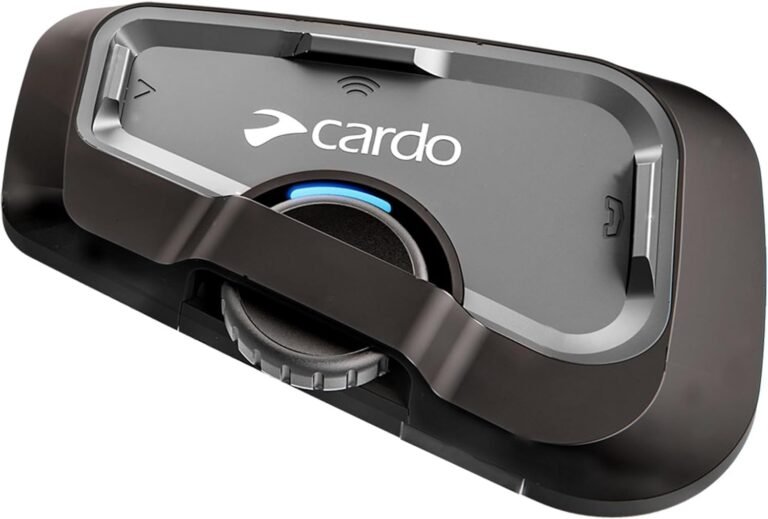
Modular add‑on units (examples: Cardo Packtalk Neo or Cardo PACKTALK Edge) are independent devices you attach to any compatible helmet. Benefits include easier upgrades, clearer battery/service replacement paths, and often superior audio or networking features. From supplied facts:
- Cardo Packtalk Neo — waterproof 2nd‑generation mesh intercom, 40mm JBL speakers, Natural Voice operation, Dynamic Mesh Gen2 for up to 15 riders and a stated range around 1.6 km/1 mi; sold as a single pack.
- Cardo PACKTALK Edge (Dual Pack) — adds over‑the‑air updates, FM/RDS, universal Bluetooth pairing, automatic volume, fast‑charge claims and a supplied 3‑year warranty in its product facts.
Mesh vs Bluetooth: Mesh systems (Cardo’s Gen2) scale better in group rides, allowing larger rider counts with dynamic routing. Classic Bluetooth intercoms are simpler for one‑to‑one connections. When choosing, prioritise real battery run times, mounting compatibility with your helmet, and warranty/service policies—some listings omit full battery specs, so request them if runtime matters.
Budget, value and when to spend more
Helmet prices vary widely. The essential trade-offs are material quality, fit engineering, documented testing, weight and longevity. Low‑cost DOT helmets (examples in our list: ILM‑313, AUBOA MD‑813) deliver basic protection and extras like removable liners or multiple visors, but often lack detailed published test data and may not include ECE or independent lab results.
When to consider spending more:
- If you ride at higher speeds or do long-distance touring—better ventilation, noise control and lighter composite shells become worth the extra cost.
- If you want advanced features like Pinlock inserts, superior ventilation engineering, known noise reduction, or integrated EPS layering strategies—higher-tier helmets document these specs.
- If you plan to install comms and want pre-cut intercom slots or proven aftermarket accessory compatibility—higher-value helmets like the HAX Onix (Pinlock-ready, intercom slots) may save headaches later.
For beginners, a mid-priced, properly fitted full‑face helmet with verified certification and a washable liner is often the best balance of protection and value. If you’re on a strict budget, confirm the certification paperwork and that the seller accepts returns for fit issues.
How to buy: practical online and in-store steps
Buying a helmet needs care. Follow these steps to reduce risk when buying in-store or online:
- Try before you buy when possible. Visit a dealer to test brands and shapes. Note the model and shell size that fits you.
- Check certification labels and photograph them for your records. Ask the seller for certification paperwork if only listing claims are shown.
- Measure and compare size charts—head circumference, not hat size, is key. If the item’s product notes say it runs different (for example, some ILM helmets note they run one size smaller due to built-in modules), allow for that difference.
- Confirm returns and warranty—ensure a helmet can be returned if fit is wrong. Ask about warranty length and what it covers.
- If adding comms, confirm the mount type and speaker/microphone fit options for your helmet. The HAX Onix specifies pre-cut intercom slots; if you plan to use a Cardo unit, confirm mount compatibility.
When buying accessories or bundled kits (for example, the ILM WS901 off‑road 5‑piece kit), confirm individual item quality and that included extras meet your needs (goggles, gloves, etc.).
Examples from our product list and who each suits
Below are practical use-case matches based on the supplied product facts. These are examples to illustrate the decision logic—not the only choices available.
- Cardo Packtalk Neo (single pack) — Best for riders who plan to run a separate, upgradeable intercom with strong mesh group features. Pros in the facts include waterproofing, 40mm JBL speakers and Natural Voice operation; cons include missing battery and warranty details in the supplied facts. Buy it if you value high-quality audio and large-group mesh comms; verify battery life and warranty first. (See full Cardo Packtalk Neo review.)
- Cardo PACKTALK Edge (dual pack) — Suited to riders or pairs who want a turnkey dual intercom with OTA updates, FM/RDS and a stated 3‑year warranty from the supplied facts. Good for touring couples or regular two‑up riders; confirm battery runtime for your typical ride length.
- ILM Bluetooth‑integrated modular helmets (e.g., 953/953Pro) — Attractive if you want a helmet and comms in one package. The supplied facts list Bluetooth connectivity, up to ~8 hours talk time, and intercom range claims. Trade-offs: some ILM models run smaller due to the module—verify sizing and long-term serviceability of the integrated electronics.
- HAX Onix full‑face — Good fit for commuters and everyday riders who want Pinlock readiness, intercom slots and a composite shell at a lower price. The Pinlock 30 readiness and pre-cut intercom slots make it practical for riders planning to add anti‑fog inserts and communications later.
- Budget DOT options (ILM‑313, AUBOA MD‑813) — Reasonable for tight budgets and occasional riders. They include removable liners and multiple visors but have limited public technical detail; verify certification paperwork and fit prior to relying on them as your main helmet.
- ILM WS901 off‑road kit — A value-packed choice for recreational off‑road riders who want a helmet with goggles, gloves and a balaclava included. It’s DOT/FMVSS‑218 certified per the supplied facts and useful for electric dirt bike/ATV riders who want an out‑of‑box kit.
Final recommendation
For most beginners riding on the street, a properly fitted full‑face helmet with verified certification and a removable, washable liner is the best starting point. If you plan to ride frequently in wet or cold conditions, prioritise Pinlock‑ready visors or effective anti‑fog solutions. If you value in‑helmet communication, weigh the pros and cons of integrated systems (convenience vs potential fit/service trade-offs) against modular units like the Cardo Packtalk series, which offer upgradeability and strong mesh/group features.
Whatever helmet you choose, make fit the primary criterion, verify certification and return/warranty policies before purchase, and replace the helmet after any significant impact or according to the manufacturer’s guidance.