riderinstinct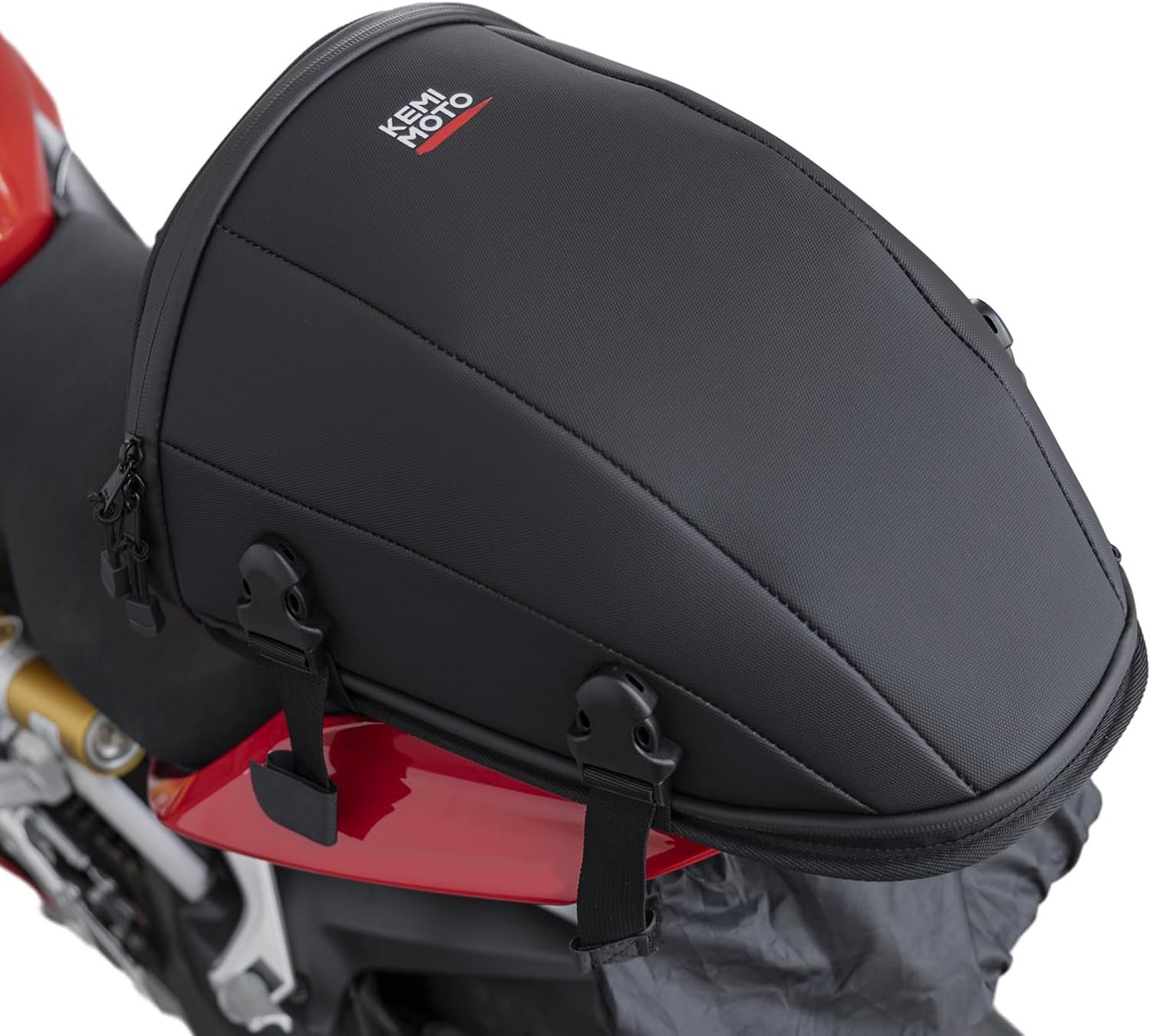
Why a buying framework matters (what to decide first)
Before you compare models, make two simple decisions: what you will carry and how you’ll mount it. Those answers narrow the field far more effectively than chasing features. “What you’ll carry” defines required capacity, internal organisation and whether you need helmet-sized volume or just pockets for day-to-day essentials. “How you’ll mount it” determines whether you need universal straps, a rack-specific trunk, pannier frames or quick-release hard cases.
Once you know use and mounting, compare three core trade-offs: capacity vs. fit, waterproofing vs. ventilation, and hard vs. soft luggage. These trade-offs affect handling, durability and how the luggage behaves in bad weather.
Finally, always verify two hard facts the listing may omit: exact external dimensions and the bag’s mounting method. If a product listing doesn’t include them, contact the seller or manufacturer before buying so you don’t discover it won’t fit your seat or rack after it arrives.
Types of motorcycle luggage and who they suit
There are standard luggage categories. Each suits a different rider and use-case:
- Tail/seat bags — Small to large bags that strap to the pillion seat or rack. Useful for commuters, day trips and single-bag weekenders. Examples: compact 10.5–12.5L tail bags for daily carry, and larger 50L tail bags that can take a helmet and jacket.
- Dry/duffel bags — Roll-top or zippered waterproof sacs for camping and wet-weather touring. Good when you need high water protection and flexible packing (often used on racks or strapped on top of tail bags).
- Saddlebags (soft) — Bags that hang either side of the rear wheel; offer balanced load and more capacity than single tail bags. Require checking clearance to exhaust and rear wheel.
- Hard panniers and trunks — Rigid, lockable cases for security and protection. Best for long-distance touring, commuting in high-theft areas, or carrying fragile gear. Usually require bike-specific mounts and sometimes professional fitment.
- Saddlebag liners and organisers — Internal bags removed for off-bike carrying. They make soft or hard saddlebags easier to use and keep kit organised.
Match the category to your routine: commuters and errand riders often prefer small tail bags or tank bags for quick access; weekend tourers like a 25–50L tail bag or panniers; multi-day adventure riders usually need 50L+ combined and may prefer hard panniers for security and frame-mounted racks for stability.
Capacity and packing: how much do you actually need?
Capacity numbers (litres) are useful but don’t tell the whole story. Consider:
- Profile: Low, narrow bags preserve handling and reduce wind buffeting. Bulky, tall bags move more air and can lift the tail, changing steering feel.
- What you’ll pack: Clothes compress; electronics need padded pockets; a full-face helmet requires specially shaped volume — many smaller tail bags can’t take a helmet.
- Modularity: Expandable bags and removable liners let you adapt capacity without adding permanent bulk.
Examples from the supplied product facts: the KEMIMOTO 10.5–12.5L tail bag (compact, waterproof, good for commuting) is explicitly described as not intended to replace larger tail boxes or carry a full-size helmet. KEMIMOTO 50L tail bag is listed as able to carry a full-face helmet and jacket, but the product facts advise verifying seat dimensions and mounting compatibility before purchase. Those two product summaries demonstrate the capacity-to-fit principle: always confirm that the stated volume corresponds to the shape you need.
Mounting systems, fit and compatibility to check before you buy
Mounting is the single most important practical consideration. A well-built bag that can’t be securely attached is a safety hazard. Before purchase, confirm:
- Attachment method: Straps, quick-release buckles, D-rings, four-point mounts, or bike-specific brackets. Universal straps are common on soft luggage; hard panniers usually require a rack or pannier frame.
- Seat and rack dimensions: Many listings omit dimensions. If they do, measure your seat, rack or hard-case footprint and compare. The KEMIMOTO 22–34L product facts list dimensions for expanded and standard sizes (14.6″ x 12.2″ x 7.9″ standard / 14.6″ x 12.2″ x 11.8″ expanded), which is the type of detail to look for when confirming fit.
- Compatibility notes: Some bags are designed for motorcycles with racks and are less secure on naked pillion seats — the KEMIMOTO 22–34L listing explicitly suggests a rear rack for stable use where models don’t have a rack.
- Weight limits: Check your motorcycle’s passenger seat load rating and any rack maximums. Don’t exceed them — if the listing doesn’t state maximum payload, assume the usual safe practice of limiting load and verify with the motorcycle’s manual.
When in doubt, find luggage with multiple straps and a lower centre-of-gravity mounting option, or choose frame-mounted panniers for heavier, long-term loads.
Waterproofing, materials and durability trade-offs
Not all “waterproof” claims are equal. Look for these specifics:
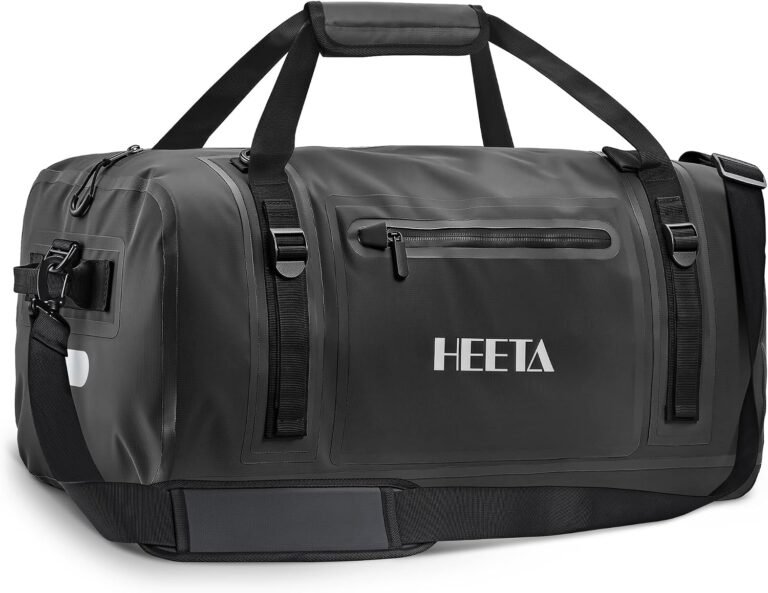
- Construction: Welded seams and fully waterproof materials (e.g. 500D PVC with welded seams) are more reliable than water-resistant coatings. The HEETA 500D PVC duffel includes welded seams and a watertight top zipper — that’s a robust waterproof approach. KEMIMOTO’s waterproof dry bag lists IPX6 welded seams and fine stitching in its product facts, also indicating strong water resistance.
- Rain covers: Many tail bags include rain covers as added protection. Covers help but are second best to truly waterproof construction.
- Abrasion and UV resistance: Heavier denier fabrics (1680D Oxford, 500D PVC) resist abrasion better than thin nylon or PU-coated cotton. For example, KEMIMOTO’s 50L bag uses PVC-coated 1680D Oxford fabric.
- Hardware and zippers: Water-resistant zippers and reinforced stitching extend life. If zipper type or brand isn’t listed, be cautious — zippers are a common failure point.
Trade-off: heavy duty waterproof materials add weight and cost. If you mostly ride in fair weather, a water-resistant bag with a rain cover and good internal packing may be a lighter, lower-cost choice.
Soft vs hard luggage — strengths, weaknesses and common use-cases
Soft luggage (tail bags, dry bags, duffels, soft saddlebags) is the most versatile option for most new riders:
- Pros: Flexible fit, lighter weight, usually cheaper, easier to store, often better water resistance per dollar (roll-top dry bags).
- Cons: Less theft-resistant, less impact protection, straps must be checked frequently for chafe and tightness.
Hard luggage (lockable top boxes and panniers):
- Pros: Security, rigid protection for electronics and fragile gear, often integrates cleanly with passenger grab rails and racks.
- Cons: More expensive, heavier, often bike-specific mounts required, can be bulky and affect handling more severely.
For beginners: start with a well-mounting soft tail bag or dry bag and use removable liners for organisation. Upgrade to hard luggage if you find yourself regularly carrying valuables or need theft protection.
Practical examples and which riders they fit (product matches)
Below are practical match-ups using supplied product facts. Each example includes the main benefit and what to verify before buying.
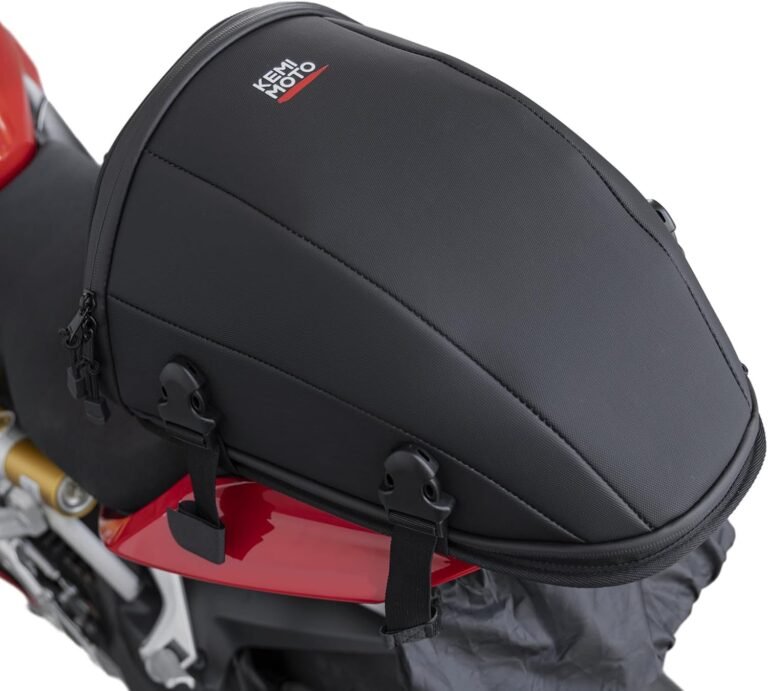
- Daily commuter / city rider — KEMIMOTO 10.5–12.5L expandable tail bag (product id 3086). Good for phone, wallet, cables, power bank and small essentials. Pros: waterproof PVC, water-resistant zips, included rain cover, low-profile aero shape and shoulder strap. Verify: exact mounting method on your model and external dimensions for fit on your seat or rack. (Review: https://riderinstinct.com/product/kemimoto-tail-bag-review-expandable-waterproof-10-5-12-5l/)
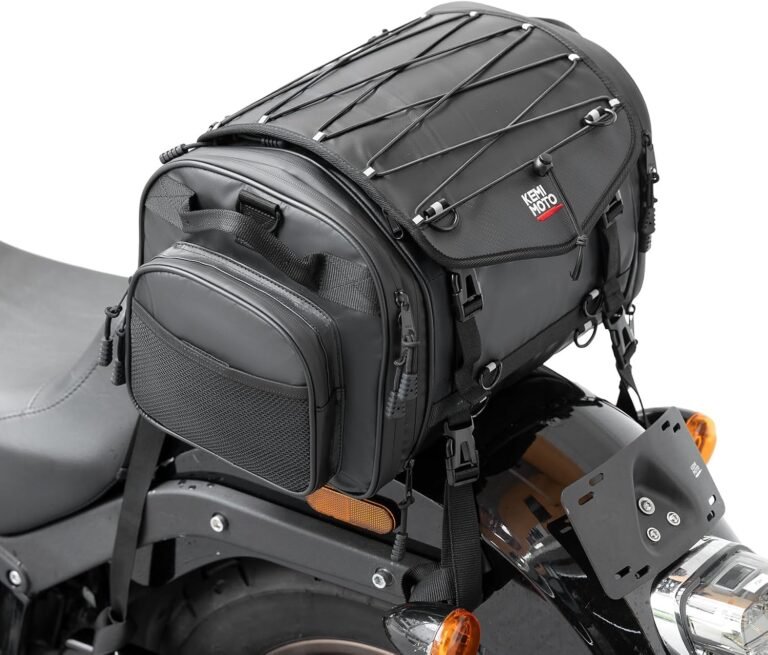
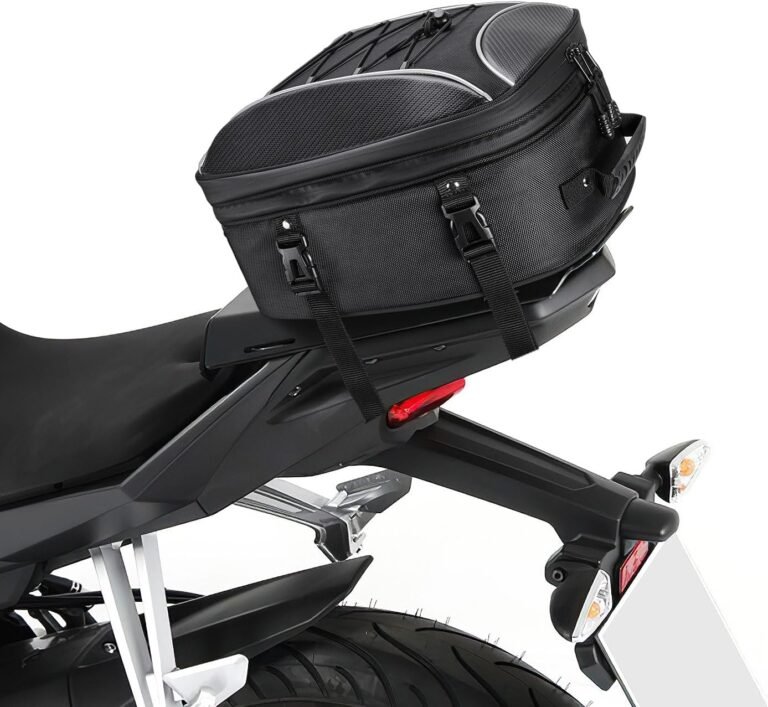
- Day trip / weekend rider who wants single-bag convenience — KEMIMOTO 22–34L dual-use tail bag (product id 2550) or the 24–32L expandable model (product id 2819). These offer helmet capacity (claims L size helmets only in one listing), side pockets, reflective strips and multiple straps for universal mounting. Verify: expanded dimensions and whether your bike has a rack if the listing suggests one for stable use.
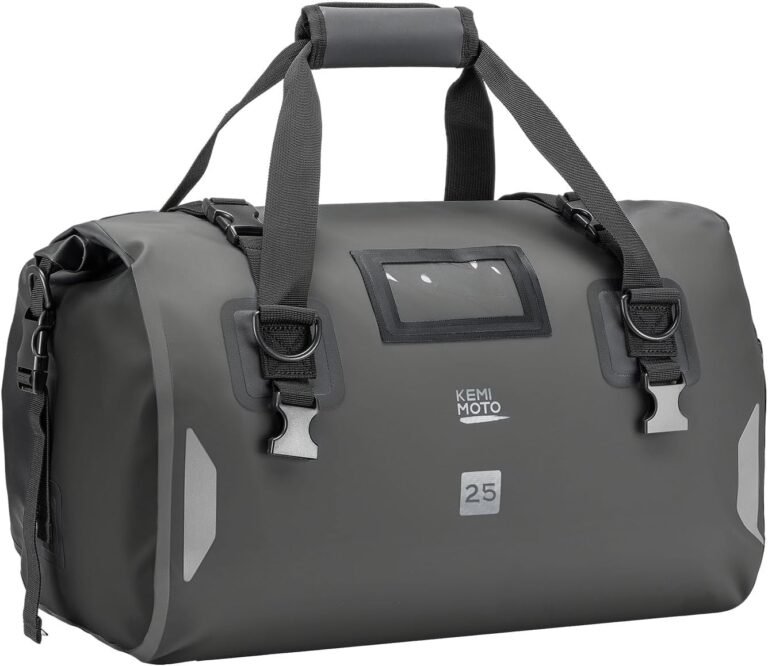
- Multi-day touring or soft-luggage adventure — KEMIMOTO dry bag range (25/40/65L) (product id 1909) or HEETA 50L PVC duffel (product id 1123). Pros: welded seams or heavy PVC construction, multiple mounting options, removable straps. Verify: how the bag mounts to your specific rack and the presence of internal organisers if you rely on them. (KEMIMOTO review: https://riderinstinct.com/product/kemimoto-waterproof-motorcycle-dry-bag-review-25-65l-tail-bag/)
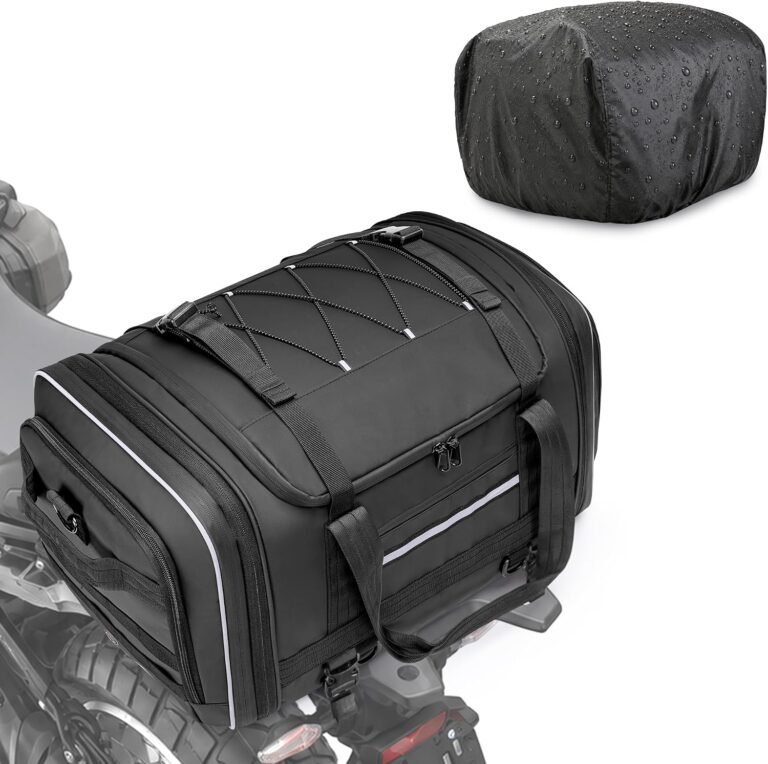
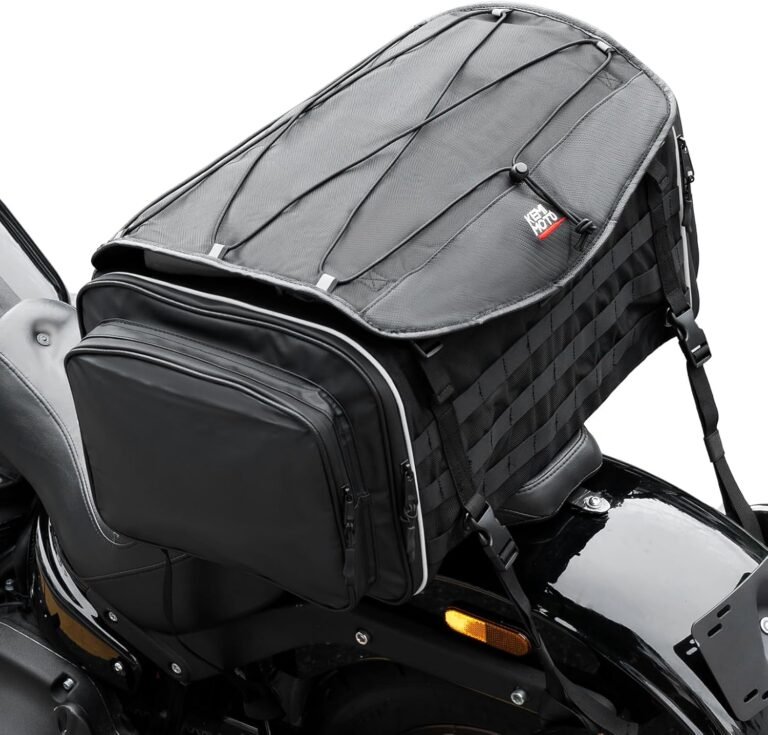
- Large single-bag capacity for weekenders who want poster-child practicality — KEMIMOTO 50L tail bag (product id 1387). Pros: removable PE frame to maintain shape, 4-point mounting and rain cover, side pockets. Verify: seat dimensions and mounting method for your bike; the listing suggests it fits ADV, street and cruiser bikes but advises checking seat measurements. (Review: https://riderinstinct.com/product/kemimoto-50l-motorcycle-tail-bag-review-expandable-waterproof-travel-luggage/)
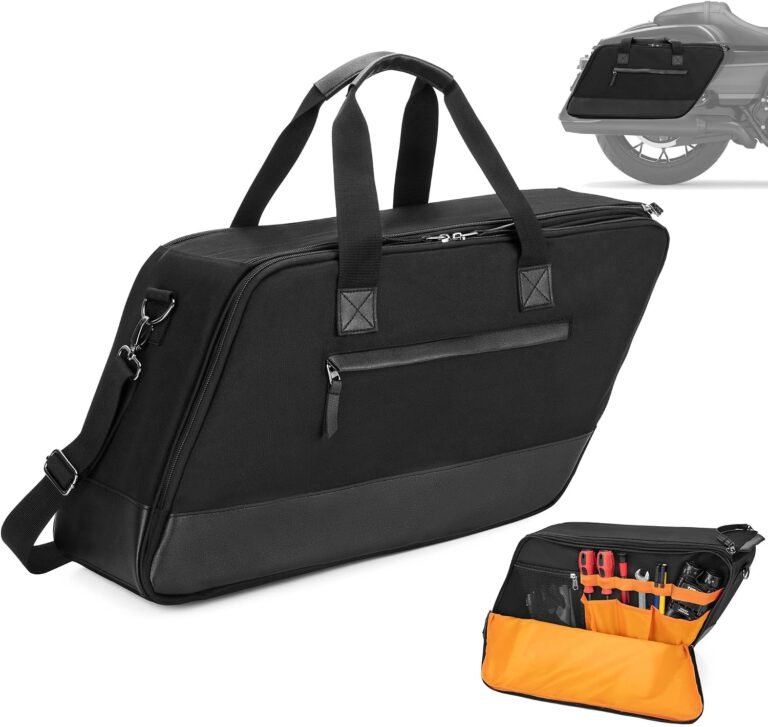
- Hard-saddlebag organisation — HODRANT saddlebag liner (product id 1643) is a low-cost option to make hard saddlebags removable and organised. It lists dimensions (18 x 6 x 10.5″) and a bright orange interior for visibility. Verify: that the liner matches your saddlebag shape and note it’s sold as a single bag. (Review: https://riderinstinct.com/product/hodrant-motorcycle-saddlebag-liner-bag-review/)
These match-ups show how to pick luggage by role rather than by brand. For each candidate, confirm fit and mounting compatibility before you buy.
Installation, safety and packing tips to preserve handling and avoid hazards
How you secure and load luggage is as important as the bag you choose. Key rules:
- Secure attachment: Use all manufacturer straps and tie-down points; double-check quick-release buckles and strap routing to avoid contact with the wheel or exhaust. If a bag shifts while riding, stop and refit it immediately.
- Keep weight low and central: Heavy items should sit lowest and as close to the bike’s centreline as possible. High, rear-heavy loads can make steering light, reduce traction on the front wheel and lengthen braking distances.
- Visibility and lighting: Don’t block tail lights or license plates. Many bags have reflective panels (KEMIMOTO and others list reflective buckles or straps) but add a separate rear-facing reflector if necessary.
- Check clearances: Ensure bags don’t touch pannier frames, exhausts, or interfere with suspension travel. Also verify that handlebars can still be turned full lock without rubbing luggage.
- Regular checks: Inspect straps for chafe and tightness after the first few miles and periodically on longer trips. Road vibration can loosen webbing and buckles.
Finally, respect your motorcycle’s load ratings: consult your owner’s manual for passenger/seat rack limits and any specific rack manufacturer instructions when mounting heavy luggage.
Organisation, theft deterrence and maintenance
Practical organisation and theft prevention make luggage more useful day-to-day:
- Use liners and packing cubes: Removable liners (like the HODRANT liner) let you pack at home and pull the bag straight out to carry into shops, reducing the temptation to leave gear on the bike.
- Security: Soft bags aren’t lockable; use cable locks for helmets and small valuables or consider hard panniers if theft risk is high. Remove valuables when leaving the bike unattended.
- Maintenance: Rinse and dry wet bags after rain, treat fabric and seams per the manufacturer’s instructions, and occasionally lubricate metal buckles to prevent corrosion. If a product listing gives no warranty or service information, ask the seller for that detail before purchase.
These steps preserve a bag’s life and keep your kit safer on the road.