riderinstinct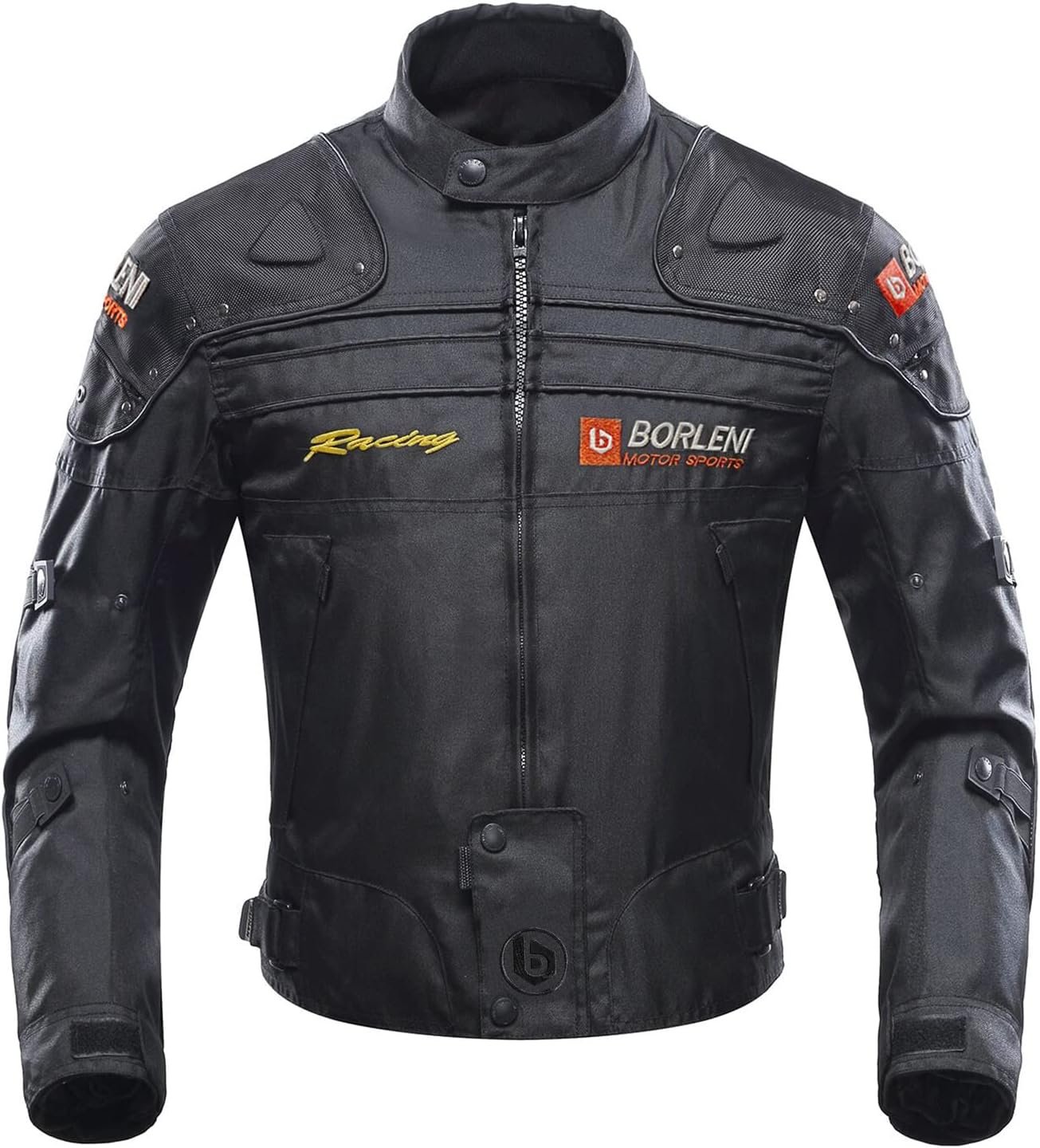
Why a jacket matters more than style alone
A motorcycle jacket is a safety system, not just clothing. Its primary job is to reduce abrasion in a slide, absorb and distribute impact forces, and keep you comfortable so you can ride without distraction. Fashion matters — many riders prefer leather or a certain cut — but safety features should be the first filter when choosing a jacket.
That means looking beyond marketing photos: examine shell material and construction, the presence and location of impact protectors, how those protectors are certified (if at all), and whether the jacket matches the climates and riding you actually do. Later sections explain how to read these features and what compromises are common.
Start with the decision framework: match jacket type to your riding
Before comparing models, answer these questions: What is your primary ride type and climate? How often will you ride? Do you need everyday versatility or a specialised piece for track/touring?
- Commuter/urban: Prioritise visibility, ease of movement, pockets and weather adaptability. Removable liners and reflective details help.
- Sport/track: Look for tight, ergonomically placed armour, abrasion-resistant leather or technical textile with reinforcements and a short, snug fit suited to tuck positions.
- Touring: Comfort over long hours, multiple weather systems (removable liners, waterproofing), connection zips to pants and plenty of storage matter.
- Hot-weather riding: Mesh jackets with high ventilation and CE-rated armour provide airflow while retaining basic impact protection.
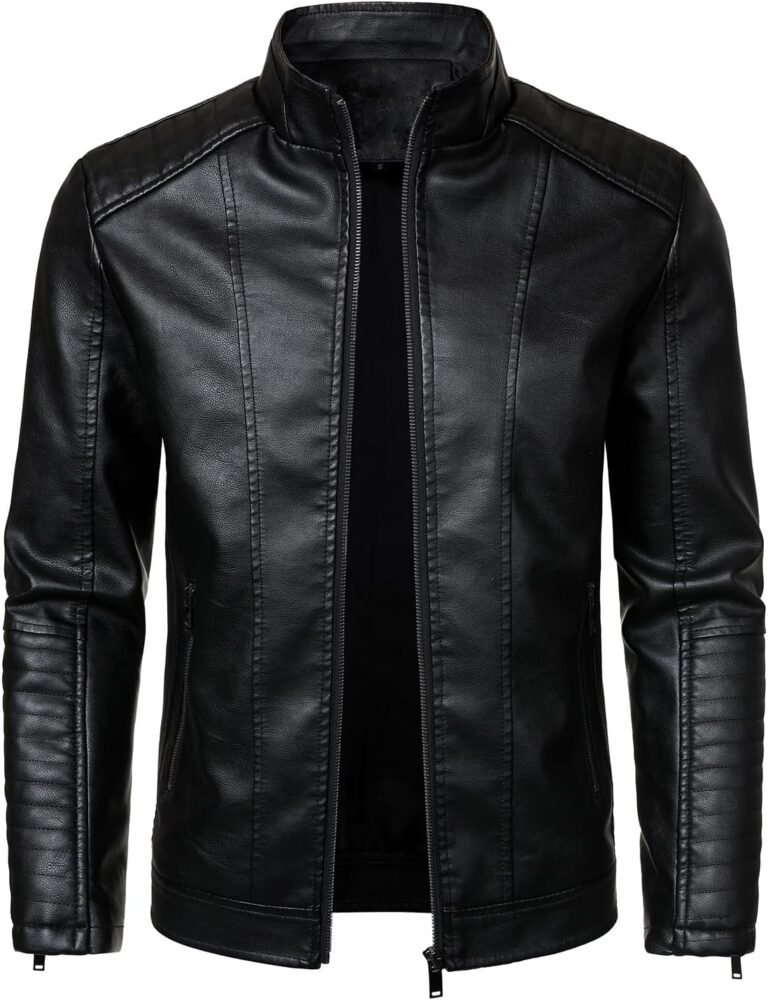
- Style-focused but practical: If you want leather for appearance, verify whether the jacket includes armour or pockets for after-market armour and check leather thickness/grade with the seller.
Choose the category that most often matches your rides; a speciality jacket will outperform a do-it-all jacket in its niche.
Protection fundamentals: shell materials, stitching and armour
Three elements do most of the protective work: the shell, seams/threads, and armour.
Shell materials
Common shells include full-grain leather, heavy textile (600D+ denier polyester/nylon), and breathable mesh with reinforced panels. Leather has a long track record for abrasion resistance; modern textiles can approach similar levels when reinforced and well-stitched. Denier numbers (e.g., 600D) indicate yarn thickness but are not a complete guarantee of abrasion performance — construction and protective layering matter too.
Seams and threads
Seams are often the weakest line in a jacket. Look for double or triple-needle stitching and bartacks at high-stress points. If a listing doesn’t provide these details, ask the manufacturer.
Armour
Armour should sit over the shoulder, elbow and ideally the back and chest. CE certification (EN 1621-1 for limb protectors and EN 1621-2 for back protectors) provides a standard rating; some listings specify CE level (e.g., CE1 or CE2). If a listing says “CE armour” but gives no level, contact the seller for paperwork — the difference in energy absorption between CE1 and CE2 is meaningful for higher-speed impacts.
Remember: removable foam or EVA pads that are not CE-rated can offer minimal protection. When a listing supplies armour claims, verify the certification and the protector’s fit and placement in the garment.
Weather and comfort features to prioritize (and trade-offs)
Weather features strongly affect how often you’ll wear the jacket and therefore how protective it ends up being in practice. Common features include:
- Removable thermal liners: Useful for cold-weather riding; they increase versatility but add bulk that can reduce mobility if the jacket is too tight.
- Waterproof vs water-resistant: “Waterproof” usually implies a membrane (e.g., Gore-Tex or manufacturer-stated membrane) and taped seams; “water-resistant” often means a DWR finish. If you ride in heavy rain, choose a jacket with a waterproof membrane or plan to use a dedicated rain shell.
- Ventilation: Mesh panels and zip vents are essential for hot weather. Mesh jackets sacrifice some abrasion resistance in non-reinforced areas, so look for reinforced panels in impact zones.
- Visibility: Reflective strips and high-contrast colours help at night or in traffic.
Trade-offs: a fully waterproof, insulated jacket tends to be heavier and less ventilated than a summer mesh jacket. Consider carrying a lightweight rain shell instead of compromising on a jacket that won’t be comfortable year-round.
Fit, sizing and ergonomics — safety-critical points
Fit is as important as the protective materials. A poorly fitting jacket can let armour shift away from vulnerable areas or restrict movement, increasing crash risk.
- Try for correct sleeve length: Sleeves should reach your wrist and keep protectors over the elbow when in riding position.
- Shoulder and elbow placement: Armour should sit directly over joints. Test this by bending your arms — armour should stay in place.
- Allow for layering: If you plan to use thermal liners or thick layers, either buy a jacket with a removable liner or size up for layers. The supplied BORLENI listing includes a fit tip recommending sizing up for muscular builds or thick layers — follow similar guidance when available.
- Connection zips and hem security: A jacket that connects to your trousers or has a short tail reduces exposure of the lower back in a slide.
- Mobility: Check pre-curved sleeves and stretch panels—these make riding comfortable without sacrificing protection.
Always verify a brand’s sizing chart and, if buying online, understand return policies. If the listing lacks a full sizing guide, contact the seller for measurements before ordering.
Budget and trade-offs: where to spend and where to economise
Jackets come in a wide price range. On a budget you can still get meaningful protection, but you need to know where compromises commonly appear:
- Spend on verified protection and fit: Certified armour, proper shell construction and a correct fit are worth prioritising over extras like many pockets or a removable hood.
- Economise on bells and whistles: Non-protective features (fashion trims, many cosmetic zips) are less important than construction quality.
- Textile vs leather: Leather can offer longer-lasting abrasion resistance but usually costs more and requires care. Technical textiles can be lighter, waterproof and more ventilated for similar money.
- Expect compromises: Sub-$100 jackets can offer removable CE armours and liners (examples in the supplied product set), but listings may lack detailed certification paperwork and long-term durability data — verify what you can before purchase.
In short: invest where safety is proven, and accept cosmetic or convenience compromises first.
How to evaluate listings and what to verify before buying
Product listings often omit important details. Before you hit buy, verify these points:
- Exact armour certification and level: If the seller claims “CE armour,” ask which EN standard and level the protector meets and request documentation if needed.
- Shell material and construction details: Ask for denier number, leather grade, and information on reinforced panels and seam construction.
- Waterproofing details: “Water-resistant” is not the same as a watertight membrane. Ask whether seams are taped and what membrane (if any) is used.
- Fit and dimensions: Request chest, sleeve and back length measurements, and compare them to a jacket you already own or your body measurements.
- Return policy and warranty: Verify returns if the fit is wrong and whether the manufacturer supports repairs or warranty claims.
When manufacturers provide none of this information, treat the listing as incomplete. You can still buy value options, but do so knowing the gaps and with realistic expectations about protective performance and longevity.
Real examples and who they're for (use the specs the listing provides)
Below are several jackets from common budget and mid-range listings to demonstrate how features map to use cases. These examples use only the supplied product facts — verify any remaining questions with the seller.
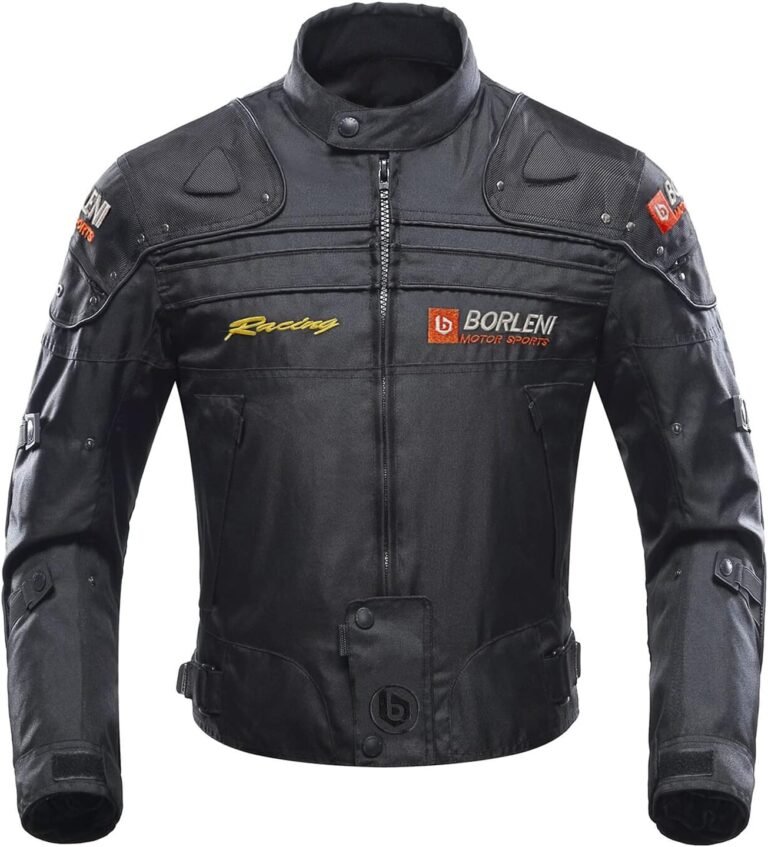
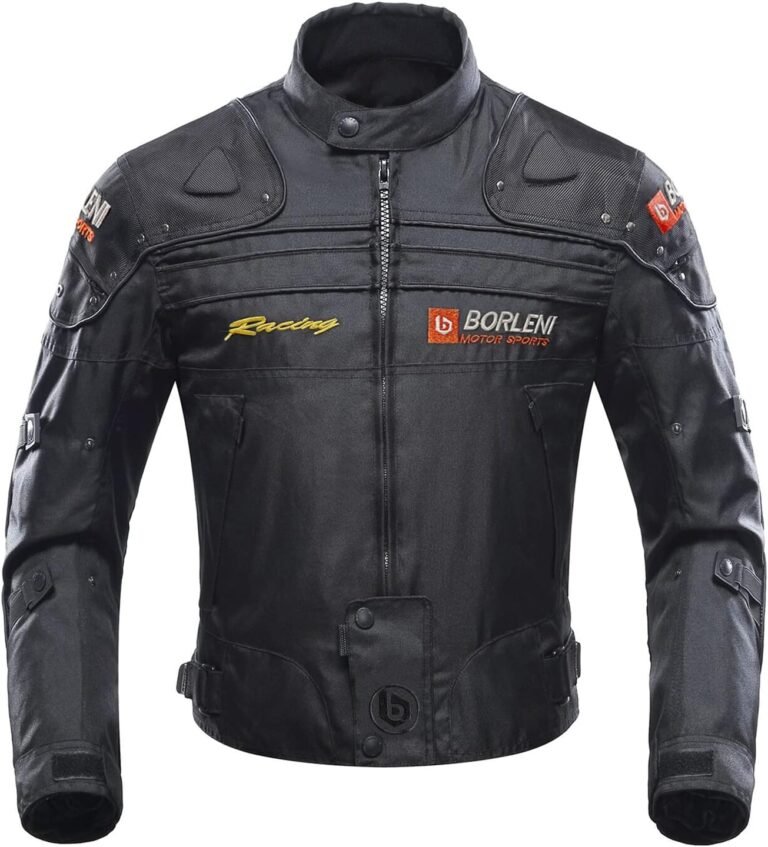
- BORLENI D-020 (budget all-season): Listed shell is 600D polyester, removable thermal liner, removable shoulder/elbow “CE” protectors and an EVA back pad, adjustable cuffs/collar/hem, and a reflective back strip. Saved review verdict: a practical, low-cost option for commuters and short trips. Who it’s for: commuters and riders wanting a removable liner and basic removable armour at a low price. What to verify: exact CE certification level of the protectors, waterproof rating and a full sizing chart. (See our full review: BORLENI D-020 Motorcycle Jacket Review: Budget All-Season Armor)
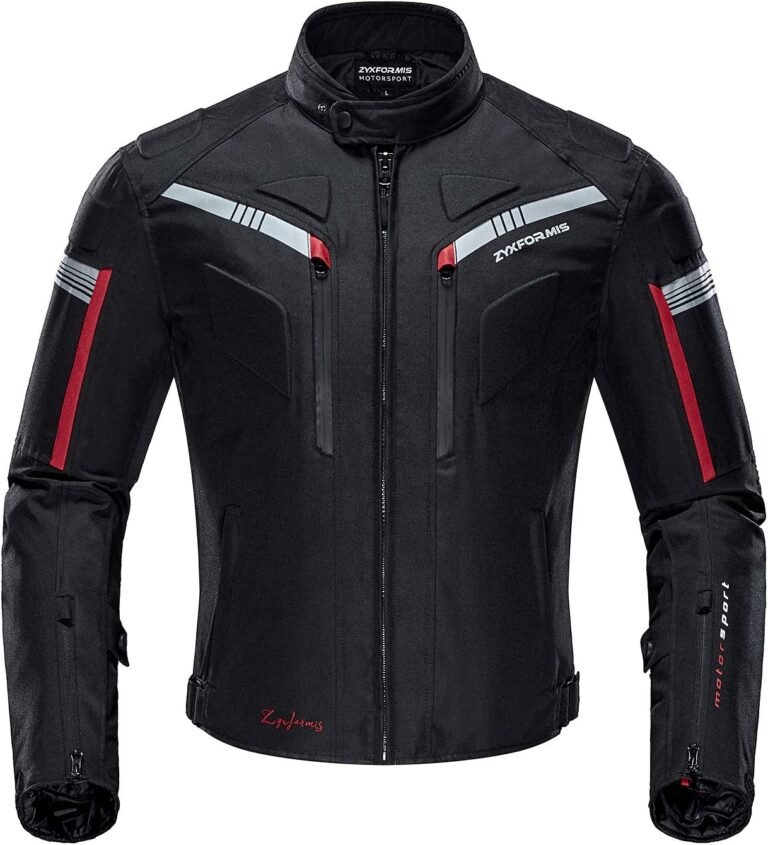
- Zyxformis ZY07 (all-season CE-armored commuter): Listed as 600D Oxford shell, removable CE1 joint protectors, removable liner, water-resistant and windproof. Saved review highlights it as a good-value CE-armored commuter jacket. Who it’s for: budget-minded riders wanting documented CE-level joint protectors and seasonal flexibility. What to verify: certification paperwork for the CE1 protectors, and detailed fit measurements before buying. (See Zyxformis ZY07 Motorcycle Jacket Review)
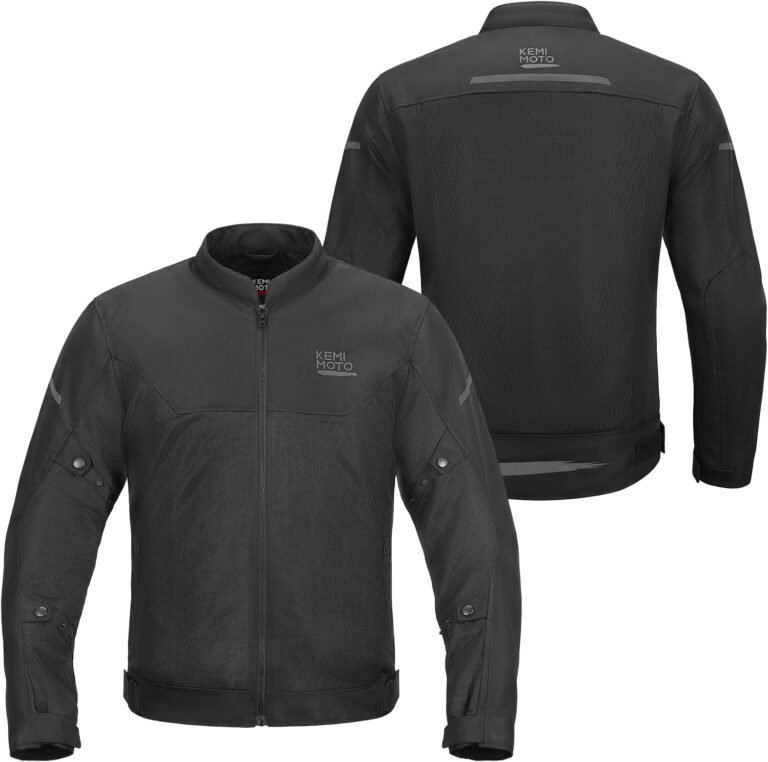
- KEMIMOTO Summer Mesh Jacket (hot-weather): 100% polyester with ~75% mesh coverage, includes CE armors and extended back hem. Good for spring–summer–early-fall ventilation. Who it’s for: riders prioritising airflow in hot climates. What to verify: exact armor standard/placement and abrasion protection of the non-mesh panels.
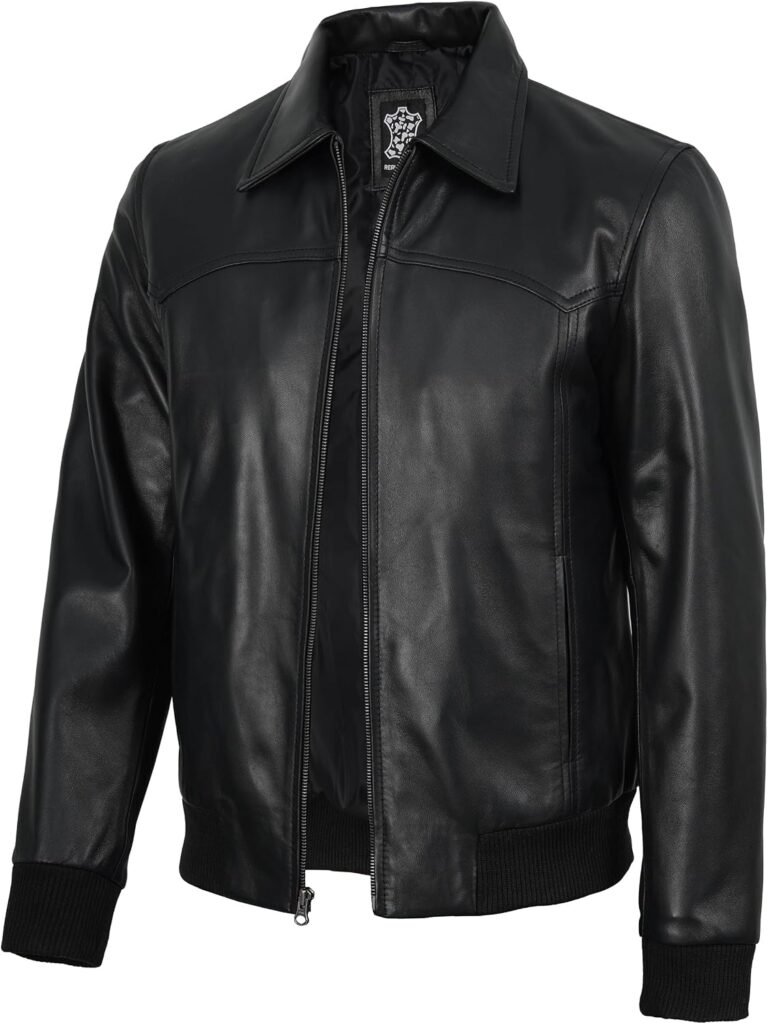
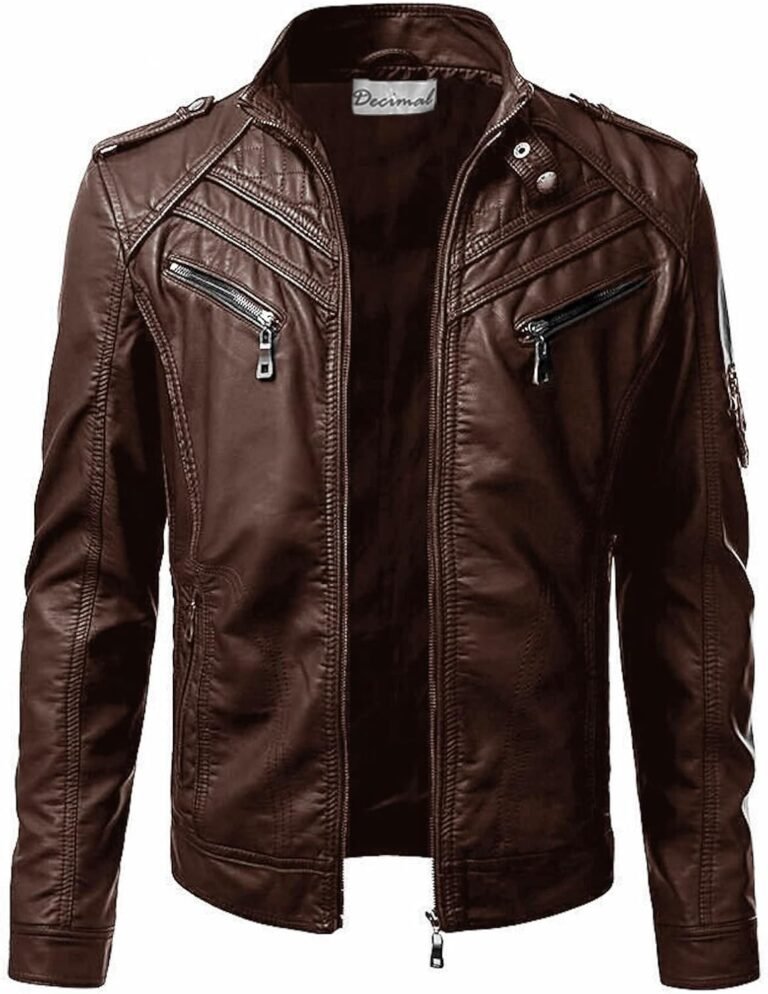
- FLAVOR genuine-leather jacket (style/commute): Genuine lambskin listing with removable hood and multiple pockets; listing does not document motorcycle armour or CE certification. Who it’s for: riders who prioritise leather looks and cold-weather wind protection for casual rides and commuting. What to verify: whether the jacket includes or can accept CE-rated armour and leather thickness/grade.
These examples show common trade-offs: budget jackets can include removable CE armour and liners but may omit documentation or detailed construction data you should confirm before relying on them for high-speed or long-distance protection.
Maintenance, care and getting long service life from your jacket
How you care for a jacket affects its protective performance. General rules:
- Leather: Clean with a damp cloth, condition with products designed for motorcycle leather, and keep it dry before storage. Avoid household cleaners that can remove protective finishes.
- Textile: Follow manufacturer wash instructions. Remove armour before machine washing if instructed. Reapply DWR treatments when the jacket stops beading water.
- Waterproof membranes: Avoid harsh detergents that can damage membranes; use membrane-safe cleaners and reproofing treatments as recommended.
- Inspect armour and seams: After a crash or hard slide, replace armour and consider professional repair of seams — do not continue to use a jacket that has had its protective elements compromised.
Regular inspection and correct laundering maintain protective performance and keep you safe over the jacket’s lifespan.
Final checklist before you buy
Use this checklist to make a confident purchase decision:
- Does the jacket match your primary riding environment (hot, cold, wet, sport)?
- Are the shell material and seam construction described? If not, ask the seller.
- Is armour included? If “CE” is claimed, which EN standard and level? Ask for documentation if you need high-level protection.
- Are sizing charts and measurements available? Can the jacket be tried on or returned if the fit is wrong?
- Does the jacket have the weather features you need (removable liner, waterproof membrane, vents)?
- Does the jacket connect to trousers or have an extended back hem for coverage while riding?
- What is the seller’s return policy and warranty for defects or fit issues?
If any of these answers are unknown, contact the manufacturer or retailer before purchase — then weigh the answers against your risk tolerance and budget.