riderinstinct
Why motorcycle boots matter — a simple decision framework
Motorcycle boots protect your feet, ankles and lower legs from abrasions, impacts and twisting forces. For beginners the important decision is not to find the “best” boot but the right boot for how and where you ride. Start by answering three questions: What kind of riding will I do most often? How important is walkability off the bike? Do I need waterproofing or winter insulation?
From there, compare three core priorities: protective capability (armor, abrasion resistance, certification), comfort (fit, insole, break-in) and practical features (zippers, waterproof membranes, sole tread). Different riders will weight these priorities differently—commuters may pick comfort and waterproofing over track-grade armor; sport riders should prioritize certified protection.
This guide explains which features actually matter, the trade-offs to expect, what to check when trying boots, and how a few real examples map to common use cases.
Boot types and who they suit
Boots come in many shapes. Use the type rather than the brand to narrow your choice.
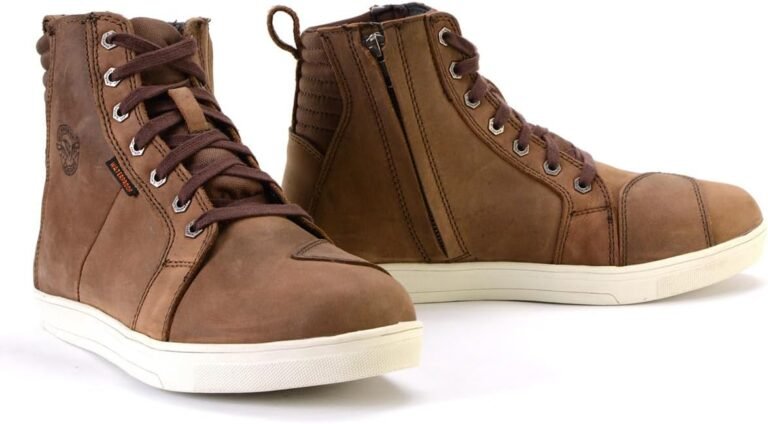
- Riding shoes / low-cut riding boots: Shoe-like, good walkability, often waterproof. Best for commuting and urban riders. Example: Milwaukee Leather MBM9113—positioned as a waterproof riding shoe with reinforced ankle support and a low-profile look. Good value for commuters but the listing does not publish protective certifications, so verify if you need certified protection. (See product review: Milwaukee Leather MBM9113.)
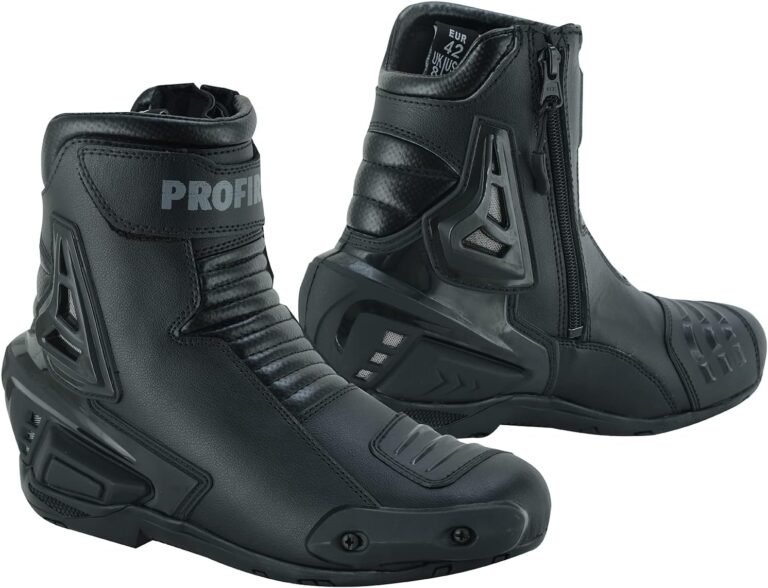
- Short ankle / sport riding boots: Lower but reinforced, often with a shift pad and stiffer sole. Used by sport riders wanting feel at the pegs. Look for TPR or TPU shift pads and documented reinforcements. Some models claim ankle protection—confirm specs.
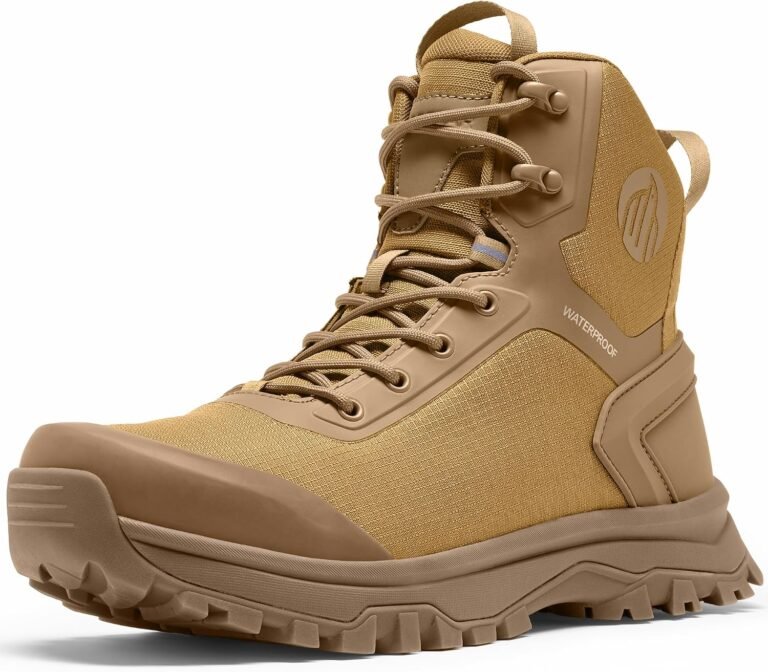
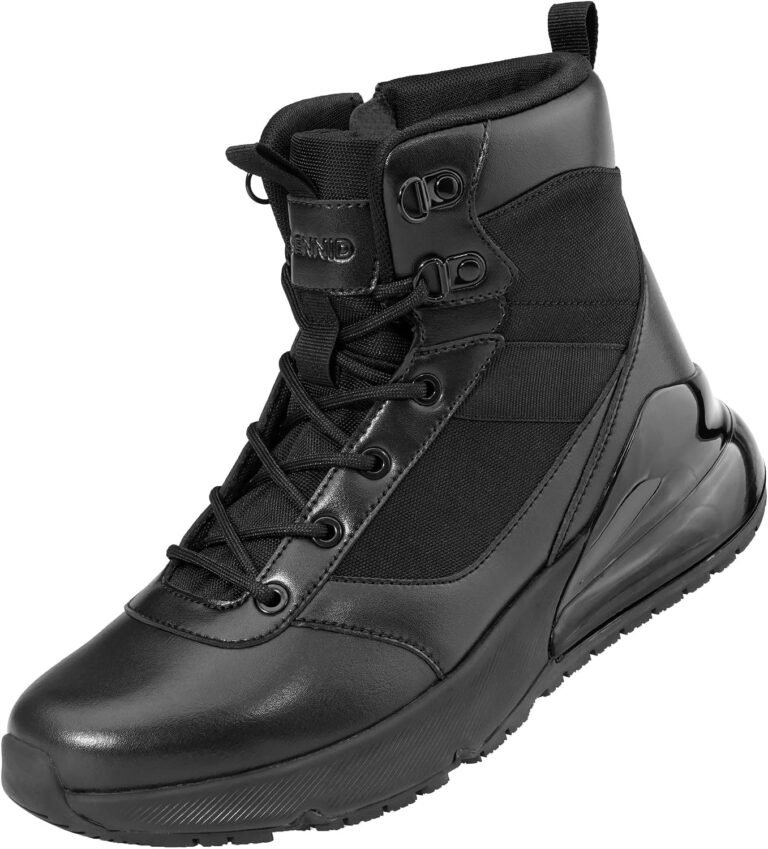
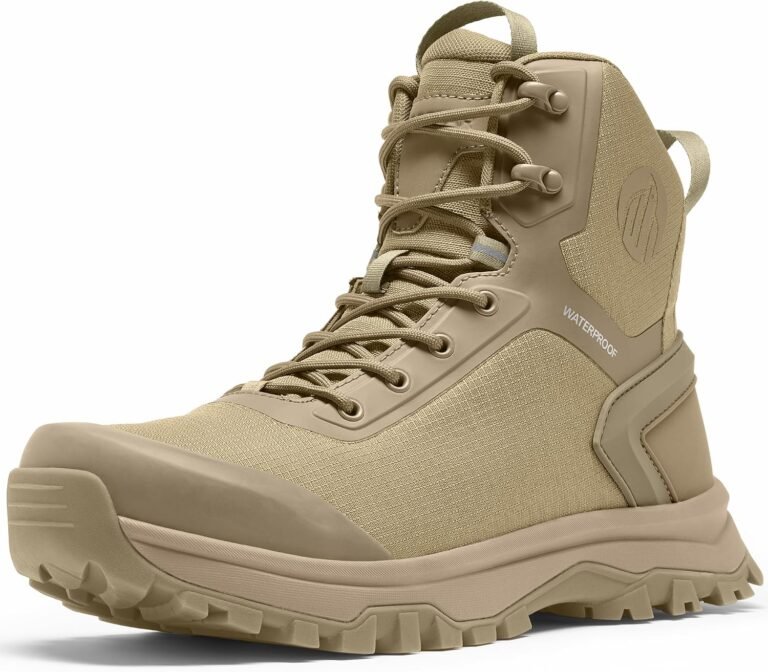
- Mid-height tactical / commuter boots: 6–8 inches tall, side zippers for quick on/off, reasonable protection and walkability. Examples include Coostar tactical boots, which are marketed as waterproof and practical for commuting; good customer ratings but verify protective construction before considering them as a dedicated motorcycle protective boot (Coostar).
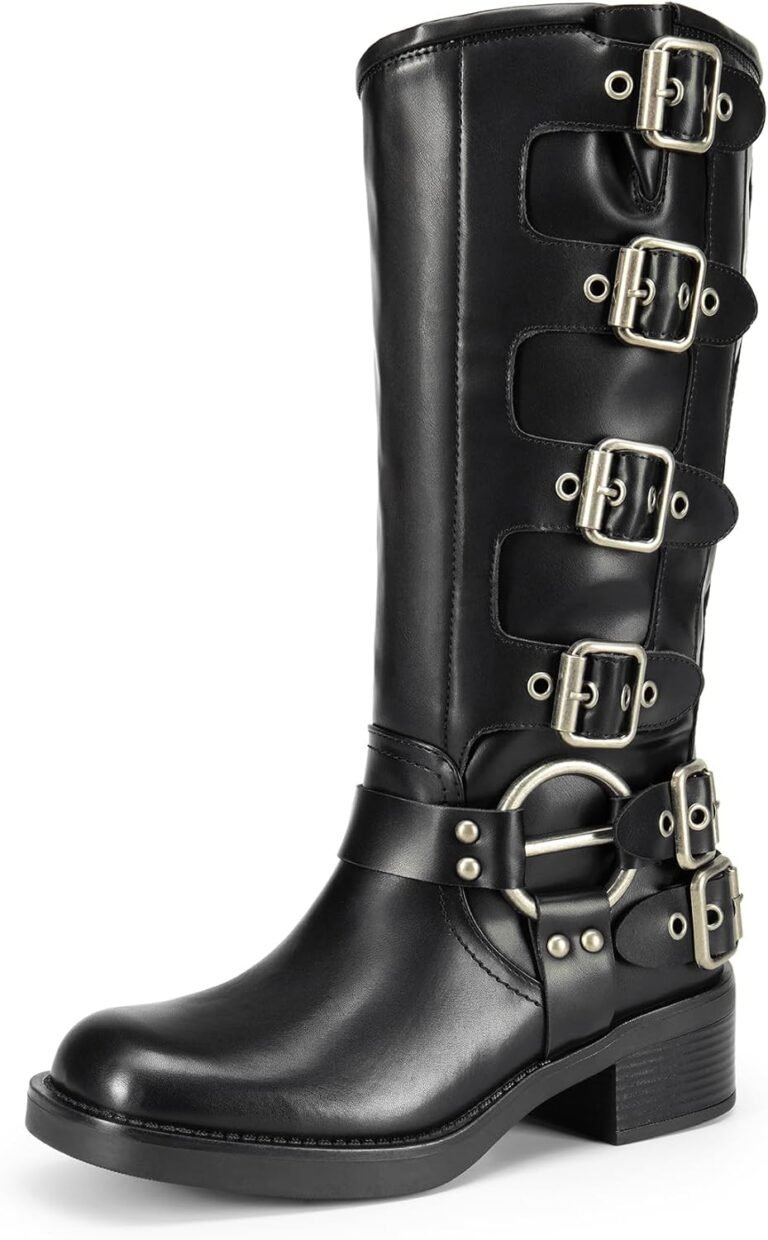
- Knee-high / cruiser-style boots: Classic look and extended lower-leg coverage; often fashion-focused. DREAM PAIRS knee-high boots are a budget, style-forward option—useful for casual urban riding but lacking published protective specs, so confirm materials if you rely on them for protection (DREAM PAIRS).
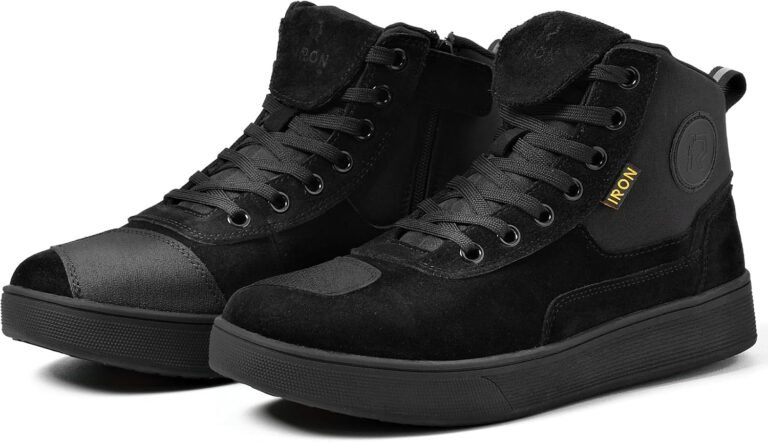
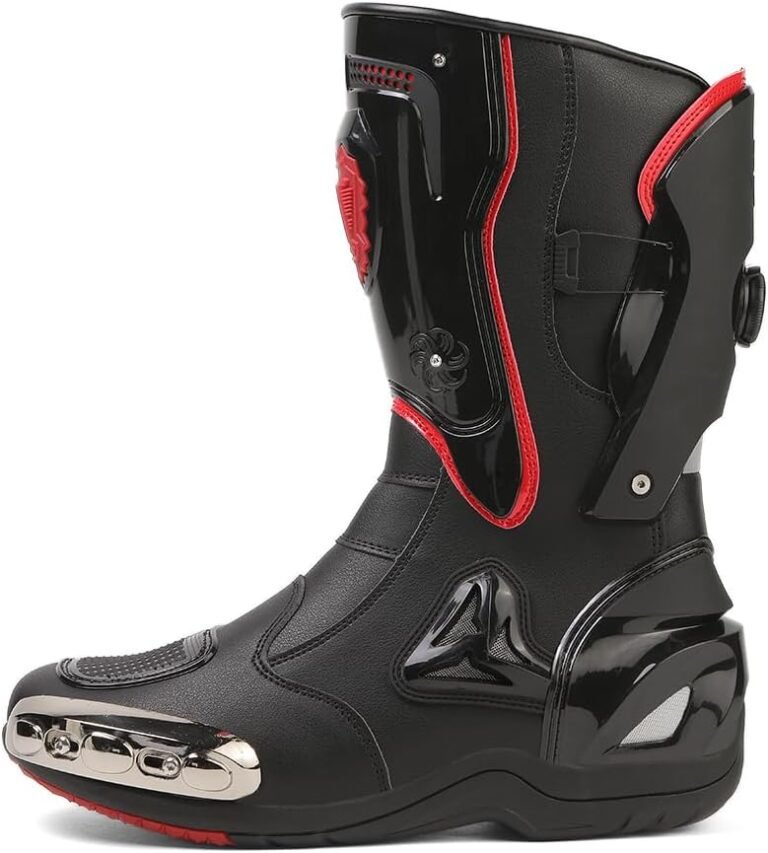
- Certified protective footwear: Boots tested to motorcycle footwear standards (for example, EN 13634 in Europe). If you ride sportier or at higher speeds, prioritize certified boots. An example in our data is the RIDEIRON shoe, which lists EN 13634:2017 certification on the product page—this makes it a better starting point for riders wanting documented protection (RIDEIRON).
Use these type guidelines to match a boot style to your riding profile before you evaluate individual models.
Protective features that actually matter
When evaluating protection, focus on verifiable features rather than marketing words.
- Abrasion-resistant upper: Full-grain leather or heavy textiles designed for abrasion perform better than fashion materials. If a listing doesn’t state material, ask the manufacturer or treat it as a casual-use boot.
- Ankle and heel reinforcement: Internal or molded supports reduce twisting injuries and impact. “Reinforced ankle” in a listing is useful but look for photos or construction detail.
- Shift pad and toe/heel reinforcements: Useful for sport and urban riders to prevent premature wear and protect against impacts from controls.
- Sole design: A non-slip, oil-resistant rubber sole with a grippy tread improves foot control and reduces slips when stopped. Stiffer soles can aid riding control but reduce walkability.
- Certifications: Standards such as EN 13634:2017 (motorcycle footwear) provide third-party testing. RIDEIRON lists EN 13634:2017 and CE certification—this is an advantage if you want documented protection. If a product lacks certification, request manufacturer documentation or treat the boot as a commuter-level option.
For safety-critical values—abrasion resistance, impact numbers or the details of a certification—verify them with the manufacturer or retailer before relying on the boot for high-speed or long-distance riding.
Fit and sizing: what to test in-store or at home
Fit is the single most important factor for comfort and protection. Test these points:
- Try with the socks you ride in: Thinner sneaker socks change fit vs thicker riding socks or thermal liners.
- Toe room: You should have a little wiggle room—enough to curl your toes slightly but not so much that your foot slides forward under braking.
- Heel hold: Your heel should not lift significantly when you walk; excessive lift indicates poor heel retention which can reduce protection in a slide.
- Flex point: The boot should flex at your natural ankle joint when on the bike. Too-stiff boots can be uncomfortable; too-soft boots may offer less protection.
- Calf/shaft fit: For mid- or high boots, check calf circumference and closure adjustment (buckles, straps or laces). Knee-high boots with adjustable buckles like the DREAM PAIRS can help fit different calf sizes but confirm material and protection before relying on them for heavy riding.
- Break-in expectations: Leather needs time to soften. Expect several short rides to break in, and consider aftermarket insoles if you need quicker comfort.
Always confirm the return policy when buying online: sizes can vary significantly between brands and sometimes between models from the same brand.
Comfort and functional trade-offs
Every boot design makes trade-offs. Be explicit about which trade-offs you accept:
- Protection vs walkability: Dedicated motorcycle boots (race or touring boots) are heavier and stiffer but offer more ankle and impact protection. Riding shoes and tactical boots are easier to walk in but typically offer less extreme protection.
- Waterproofing vs ventilation: Waterproof membranes and sealed seams keep you dry but can reduce breathability. Commuters riding in wet climates will often prefer waterproof models (for example, Milwaukee Leather MBM9113 is marketed as waterproof), while warm-weather riders may prefer ventilated boots.
- Sole stiffness vs feel at the pegs: A stiffer sole can improve feedback and protection at the pegs; a softer sole is better for walking and comfort off the bike.
- Weight vs fatigue: Heavier boots may protect better but increase fatigue on long rides. Factor your typical riding time into your choice.
Be realistic: if you commute and walk a lot, a reinforced riding shoe or tactical boot may be the right compromise. If you tour or ride at high speeds, move toward certified touring or sport boots even if you sacrifice some walkability.
Materials, construction and maintenance
Material and construction determine long-term performance.
- Leather vs textile: Full-grain leather generally offers excellent abrasion resistance. High-quality textiles can also perform well when reinforced, and often weigh less.
- Membranes and waterproofing: Some boots use built-in waterproof membranes (e.g., Gore-Tex). Others are treated leather; product pages should specify which. If a listing only says “waterproof” without details, ask the manufacturer for full specs.
- Zippers and closures: Side zippers (common on tactical and fashion boots) speed entry but must be supported by a lace or strap to avoid zipper failure in a crash. Check stitching quality around zippers.
- Care: Clean and condition leather regularly, re-waterproof seams as needed, and inspect sole bond and stitching. Replace boots if the structure (sole, ankle support, stitching) degrades—do not rely on old boots for high-protection scenarios.
When a listing doesn’t provide construction or material details (common among lower-priced options), contact the seller or treat the boot as a casual-use product until you can confirm its protective features.
Budget, warranties and buying used
Budget affects what you can expect. New riders often try affordable options first; that’s fine if you match your risk tolerance to the boot’s documented protection.
- Entry-level options: Many value boots and tactical styles offer reasonable protection for commuting. Examples in our product set include Milwaukee Leather MBM9113 and Coostar tactical boots—both positioned for commuters and general-purpose use, with good customer ratings. Remember: the Milwaukee listing highlights waterproof leather and ankle support but does not publish certification details, so categorize it as a value commuter shoe unless you obtain further specs.
- Mid-range and certified models: When you want verified protection, look for models with EN/CE certification like the RIDEIRON listing, which states EN 13634:2017 compliance and provides a rating. That certification is particularly important for sport or high-mileage riders.
- Used boots: Used boots can be a good value, but inspect them closely—look for sole wear, separated stitching, compressed ankle padding, or damaged reinforcements. Structural damage reduces protection even if the upper looks fine.
- Warranty and returns: Many listings reference warranties but don’t include details. If warranty or return policy matters to you, request written warranty terms and confirm the return window before purchasing.
When product facts are incomplete on a listing, use internal review pages to learn more and always verify key claims with the manufacturer if protection is important to you.
Matching boots to riding styles — practical recommendations
Here’s how to match boot styles to common rider needs, with examples from our product set.
- Daily commuting (urban): Choose reinforced riding shoes or mid-height tactical boots for comfort, waterproofing and easier walking. Example picks: Milwaukee Leather MBM9113 (waterproof riding shoe) and Coostar tactical boots (8-inch, side-zip waterproof claims). Treat these as commuter-focused unless certification is supplied.
- Weekend sport and twisties: Prioritize certified protection, shift pads, and stiffer soles. Look for dedicated sport or short race boots with documented reinforcements—RIDEIRON’s EN 13634 listing makes it a better fit than fashion or general-purpose tactical boots for this use.
- Touring and long-distance: Comfort and weather protection gain importance. Look for touring boots with waterproof membranes, good ankle support and an ergonomic sole that balances long-ride comfort and protection. Verify materials and long-term comfort via reviews.
- Cruiser and style-focused riding: Knee-high or cruiser boots (like DREAM PAIRS) give the classic look; check for reinforced toes, ankle protection and materials before trusting them for heavy riding.
- Light off-road or dual-sport: Specialized dual-sport boots are designed for dirt and road duty and are different from tactical or fashion boots. If you plan dirt sections, choose purpose-built dual-sport or motocross boots rather than street-focused tactical boots.
Use product review pages to dig deeper into fit and real-world impressions: for example, see our review pages for Milwaukees, RIDEIRON and others in the internal links list when they match your use case.
How to buy: a step-by-step checklist
Follow these steps before you complete a purchase:
- Define your primary riding use (commute, touring, sport, off-road).
- Set priorities—do you need certified protection or would a waterproof reinforced shoe suffice?
- Check the product page for materials, reinforcements and certifications (look for EN/CE statements). If missing, contact the manufacturer or treat as a non-certified option.
- Try them on with your riding socks or verify the online return policy if buying remotely.
- Inspect closures, stitching and sole bond for build quality; test zippers and fasteners.
- Confirm warranty and return window, and keep the box/receipt until you’re sure of fit.
Internal product reviews linked in this guide can help you interpret listing claims and customer feedback before you buy.