riderinstinct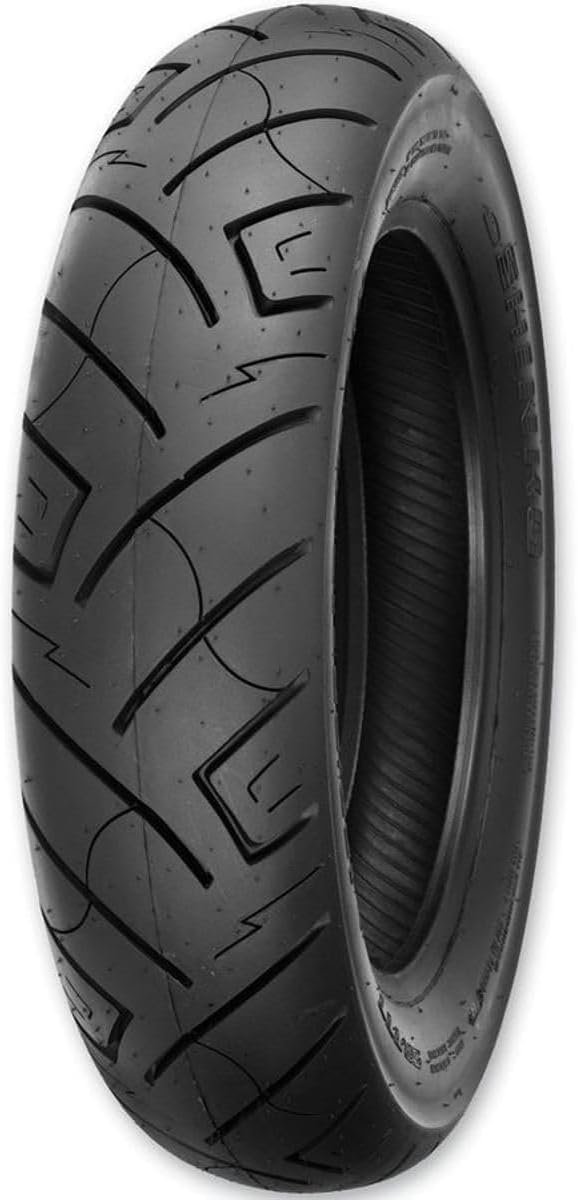
Why motorcycle tires matter more than you think
Tires are the only contact patch between you and the road—every corner, stop and acceleration depends on them. A tire affects braking distance, cornering confidence, suspension feedback and vibration. For beginners, picking the wrong tire size or construction can degrade handling and create unsafe loading or speed mismatches. That makes the selection process more than a style choice: it’s a safety and performance decision.
This guide explains the decision framework you should use before shopping: identify what kind of riding you do, confirm the mechanical constraints of your bike (size, load, speed ratings), understand the trade-offs between grip and longevity, and verify fitment and pressures with a professional before mounting.
Start with the motorcycle—size, load and speed ratings first
Your motorcycle’s placard, owner’s manual or the sidewall of the original tires lists the correct tire sizes, load indices and speed ratings. These are safety-critical values: never fit a tire with a lower load index or speed rating than specified by the manufacturer.
- Tire size (example format: 130/90-16) determines rim compatibility and the tire’s contact patch geometry.
- Load index is the maximum individual tire load—confirm it matches or exceeds your bike’s requirements, especially if you carry a passenger or luggage.
- Speed rating is a maximum continuous speed capability under specified conditions; choose a tire rated at or above the manufacturer’s recommendation.
If the factory tire size is optional or you plan to change rim sizes, consult a tire professional—fitment can affect handling and instrument readings. For any pressure numbers you don’t have, verify recommended inflation in your owner’s manual or from the motorcycle manufacturer; don’t rely on a product listing alone for safe inflation data.
Match tire category to your riding: cruisers, touring, sport and more
Tire categories reflect intended use and the compromises they make:
- Cruiser/street tires focus on comfort, stability and load capacity—common on V‑Twins and metric cruisers.
- Touring tires prioritize long mileage and consistent wet-weather performance for highway miles.
- Sport/sport-touring tires favor maximum grip and sharp handling but often at the expense of tread life.
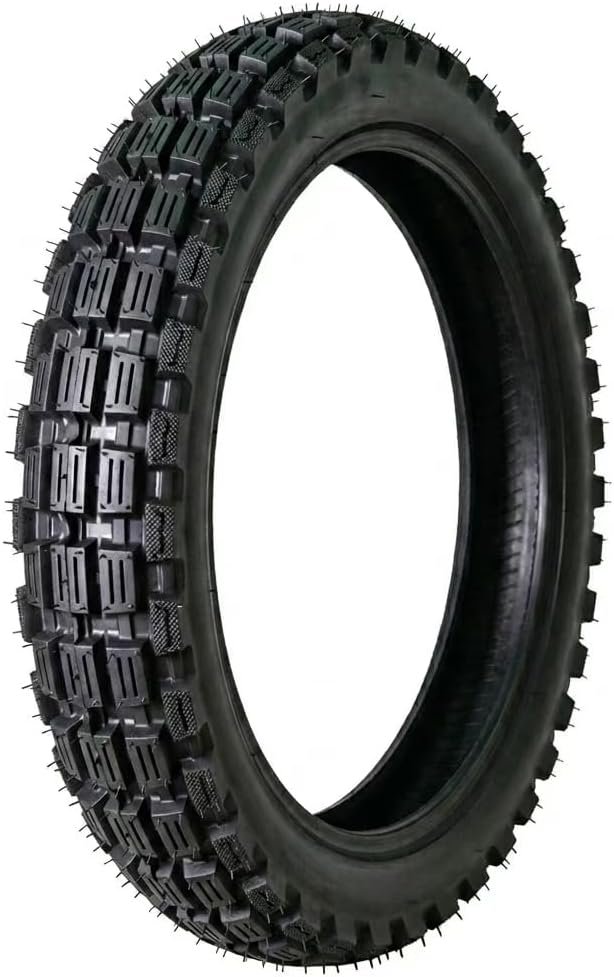
- Dual-sport/ADVentures are a compromise between on- and off-road capability.
Decide which category represents most of your riding. If you commute in mixed weather and ride long distances, prioritize touring or all‑weather compound designs. If you mostly cruise on city streets and scenic backroads, cruiser- or street-oriented tires that emphasize stability and comfort may be a better fit.
Construction and tubeless vs tube: what affects ride and safety
Tire construction affects handling, load capacity and failure modes:
- Radial construction generally gives better contact patch flexibility and consistent grip at higher speeds; many modern sport and touring tires are radial.
- Bias or bias-belted casings are common on cruisers and some older designs; they can offer a comfortable ride and strong load characteristics but handle differently than radials.
- Tubeless tires seal to the rim and are generally easier to repair quickly with plugs; they’re standard on many modern wheels.
- Tube-type tires need an appropriate inner tube and are typical on motorcycles with spoked wheels or older designs.
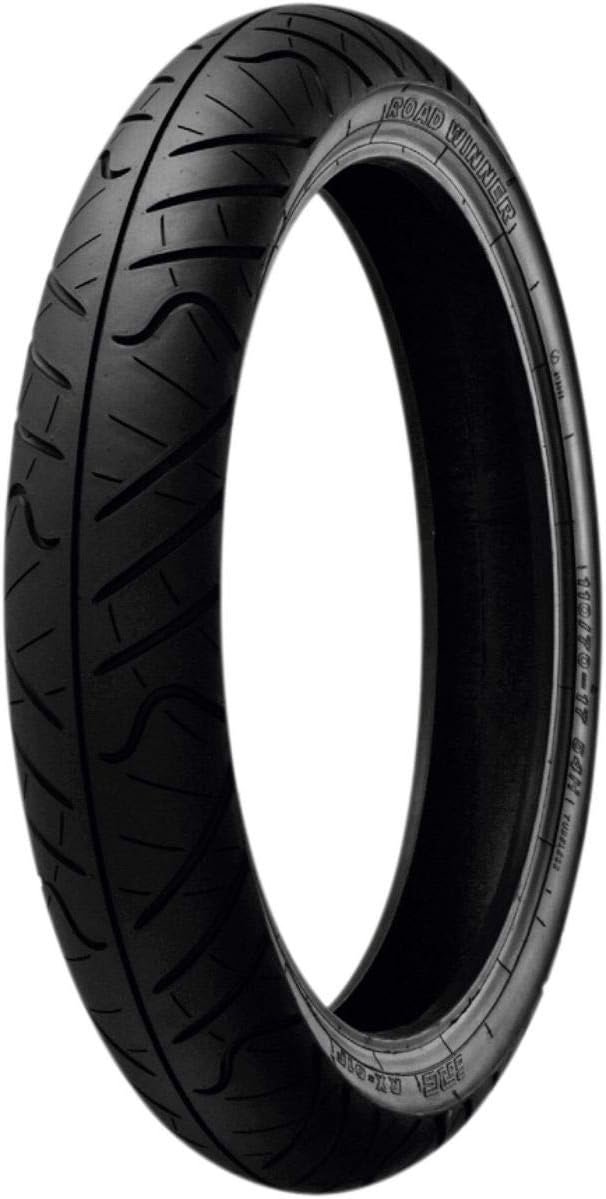
Example: the IRC RX-01 Road Winner front tire (110/70-17) in the supplied data is described as a tube-type, bias construction—so it’s aimed at bikes that require tube tires (often older or spoked-wheel motorcycles). If your wheel is tubeless-compatible, look for tubeless tires instead.
When switching from tube-type to tubeless, confirm whether your rim and wheel build allow it; improper conversion can create dangerous failure modes.
Tread pattern and compound: balancing grip, wet performance and mileage
Tread design and rubber compounds are where manufacturers tune tires for wet grip versus mileage:
- Open, siped patterns help evacuate water and improve wet traction—useful for commuters and touring riders.
- Smoother, stickier compounds increase grip but usually wear faster—favored by sporty riders.
- Harder compounds and shallower grooves increase mileage at the cost of ultimate wet grip.
For cruiser riders who want a stable and comfortable rear tire, products like the Shinko 87‑4594 777 Rear H.D. (130/90‑16) are described as having a rubber compound tuned for grip and comfort, with tread siping for wet/dry traction and an H.D. reinforced carcass and aramid belting for a planted feel. That makes it suitable for riders who prioritize stability and wet-weather confidence—while you should verify fitment and expected wear with a tire pro because formal mileage or warranty details aren’t included in the supplied facts.
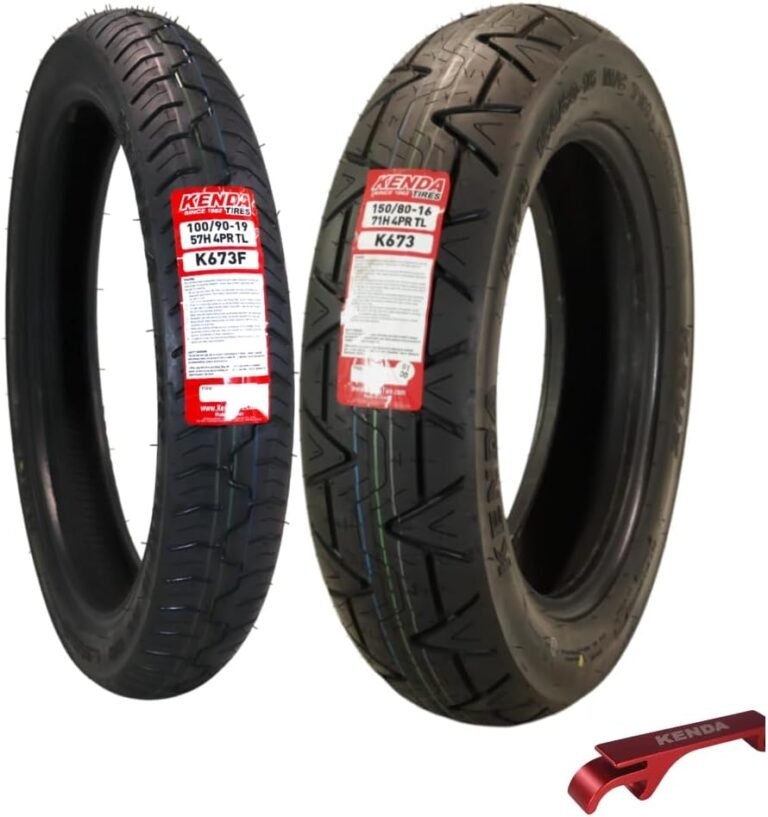
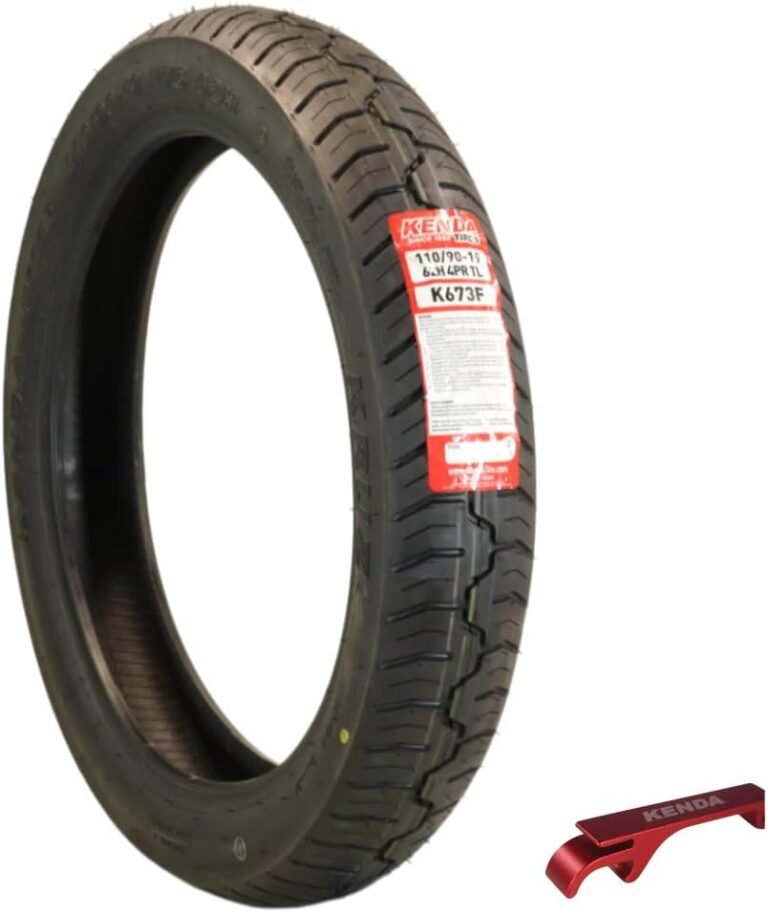
For riders prioritizing mileage and all‑weather touring capability, the Kenda Kruz K673 2‑pack (front 100/90‑19, rear 150/80‑16 in the supplied listing) is described as bias/belted with a compound aimed at extended mileage and deep grooves for wet traction. The listing notes DOT approval and an H speed rating; verify sizes and warranty details for your bike before buying.
Fitment, rim compatibility and what to check before mounting
Before you buy, confirm:
- Exact tire size match—the sidewall code must match the size recommended by your manufacturer or a compatible alternative confirmed by a tire professional.
- Rim diameter and width—tires must match rim size and be within approved rim-width ranges; mounting a wide tire on a narrow rim (and vice versa) changes handling.
- Load and speed ratings—never downrate these values.
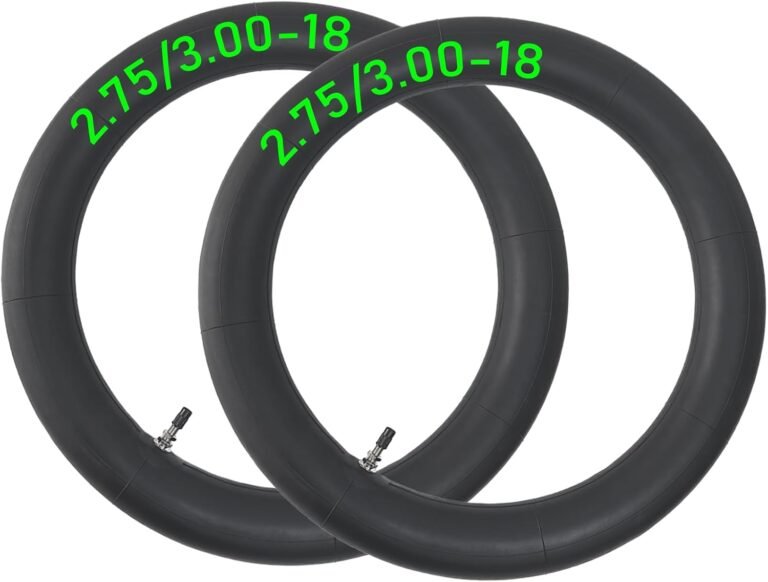
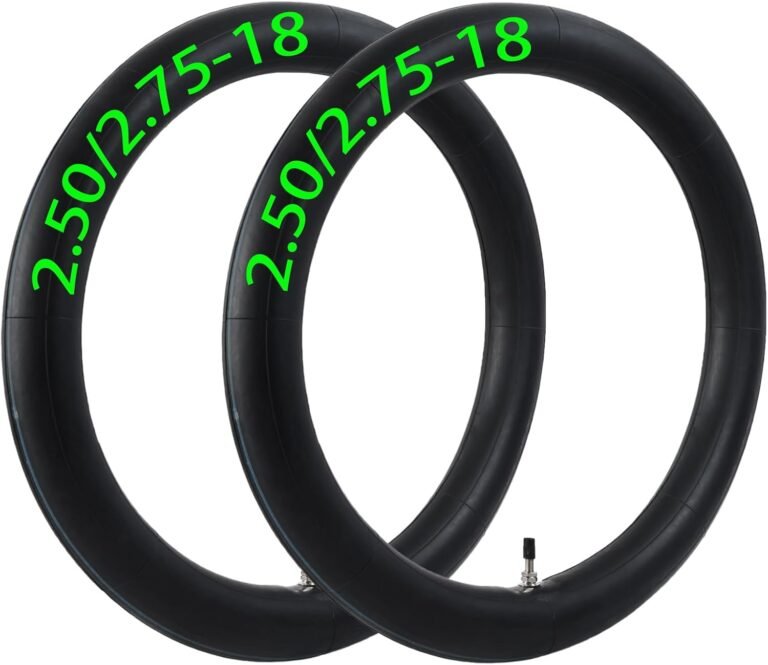
- Tube requirement—if the tire is tube-type (like the IRC RX-01 in the supplied data), you’ll need a compatible inner tube; the supplied inner tube 2‑packs claim thicker rubber but lack valve-type specifics—confirm valve stem type and length before buying.
Also visually inspect the rim for corrosion, dents or spoke condition. A damaged rim can prevent sealing and ruin even a new tire. If a tire listing lacks critical fitment details, contact the seller or consult a local tire shop. When in doubt, have a professional check the wheel and perform mounting and balancing.
Practical rider profiles and tire suggestions (use-case driven)
Below are common rider profiles and how to prioritize features, plus examples from the supplied product facts to illustrate choices. These are illustrative—always verify size and rating for your bike.
- Cruiser rider who values stability and comfort: Prioritize reinforced carcass and wet/dry traction. Example: Shinko 87‑4594 777 Rear H.D. (130/90‑16) is described as a heavy‑duty cruiser rear tire with aramid belting and siped tread for wet/dry traction—suitable for V‑Twin and metric cruiser models. Limitation: listing does not include wear-life or warranty details; verify fitment.
- Daily commuter in mixed weather: Prioritize wet traction and predictable mileage. Look for deep grooves and all‑weather compounds—Kenda Kruz K673 (listed as a matched cruiser 2‑pack in specific sizes) claims deep, wide grooves and a harder compound for mileage plus DOT approval; verify if the specific sizes match your bike.
- Budget replacement on older tube‑wheeled bike: You may need a tube-type bias tire like the IRC RX‑01 (110/70‑17) that’s listed as tube-type and bias construction. Limitation: tube tires require correct inner tube selection—supplied inner tube 2‑packs are budget options but lack valve-detail, so confirm valve compatibility.
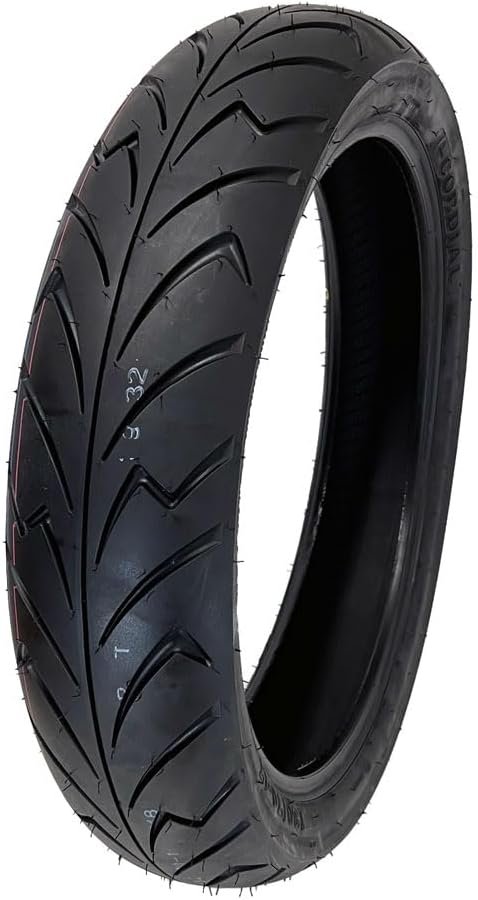
- Light touring or street-touring: Seek tubeless touring tires with balanced compounds and confirmed load ratings. The MMG items in the supplied facts (e.g., 130/70‑17 or other MMG touring sizes) are described as street/touring tubeless tires focusing on stability and wet grip—verify load index and speed rating match your bike.
These examples show how different riders prioritize different trade-offs. Use product facts as starting points, not final proof—always verify with the manufacturer or a tire professional.
Mounting, balancing, and safety checks after installation
Correct mounting and balancing are essential. Even the best tire will perform poorly if mounted incorrectly or used on a damaged rim. Recommended steps:
- Have a trained technician mount and balance the tire; professional shops use proper tools and follow manufacturer torque and seating procedures.
- Confirm recommended cold inflation pressures from your motorcycle manual rather than a product listing; wrong pressure affects handling, wear and load capacity.
- After mounting, check bead seating, inspect for leaks, and torque axle nuts to spec. Re‑check tire pressures after 24–48 miles and again after a few days of riding.
- For tubeless tires, ensure the rim valve stem is correct—valve type and length matter. For tube-type tires, ensure the inner tube valve matches the rim valve hole and that the tube is properly seated to avoid pinching.
If you’re mounting tires at home, don’t improvise with hand tools that can damage the bead or tube; if in doubt, take the job to a shop. Safety-critical values such as exact cold pressures should be verified in the motorcycle owner’s manual when the product listing does not supply them.
Maintenance and when to replace your tires
Regular inspection preserves safety and maximizes tread life:
- Visual checks: look for cuts, bulges, cracks, foreign objects and uneven wear.
- Tread depth: motorcycles lack a universal tread‑wear indicator like cars—follow manufacturer guidance and replace tires when wet traction is compromised or depth approaches the legal limit in your jurisdiction.
- Age: most manufacturers recommend replacing tires every 5–7 years even if tread remains; check the DOT date code on the sidewall. If the product data does not state age limits or warranties, assume conservative replacement intervals and inspect more often.
- Pressure checks: check cold pressures before every ride for performance and tire life.
When buying replacements, consider whether the listing offers warranty or documented mileage claims. Some supplied product facts (for example, Kenda’s listing mentions anecdotal high-mileage reports) but lack formal mileage guarantees—treat such claims as directional and verify warranty terms with the manufacturer or seller.