riderinstinct
Why motorcycle boots matter: protection vs. purpose
Motorcycle boots do two jobs: protect your feet, ankles and lower legs from impact, abrasion and twisting during a crash, and provide control and comfort when riding. Different kinds of riding create different demands — a sportbike rider needs strong shift-pad durability and high-impact protection, a tourer prioritizes long-distance comfort and waterproofing, and a commuter values quick on/off and weather resistance.
Understand the decision framework before you buy: list your primary riding type (commute, sport, touring, adventure, off-road), the weather you usually ride in, and how much weight you’ll accept for protection. Those priorities drive choices on sole stiffness, ankle armor, height and closures. No boot makes you invulnerable; good boots lower the chance of severe injury and improve stability on the bike and at stops.
Core protection features: what to look for and why they matter
When evaluating boots, focus on functional protection elements rather than labels or looks alone. The most important features are:
- Sole construction and grip: A firm sole resists torsion and crushing and protects the foot when jammed. Look for a sole with a good tread pattern and a material that grips pavement and pegs. Stiffer soles often protect better but sacrifice walking comfort.
- Ankle support and armor: Built-in reinforcements or external shells help limit harmful sideways roll while providing impact protection. Check how high the boot rises and where the padding or hard parts sit in relation to your ankle bones.
- Toe/heel reinforcement: Reinforced toe boxes and heel cups protect against impacts and abrasion. A shift pad over the toe area reduces wear from gear changes.
- Closure system: Laces, zippers with storm flaps, buckles or a combination affect fit security and water resistance. Durable fasteners that stay closed during a slide are essential.
- Materials and stitching: Thick leather or abrasion-resistant textiles, triple stitching in stress areas and bonded soles increase damage tolerance.
When comparing boots, picture the common crash forces (sliding abrasion, crush from the bike, torsional forces) and match features that reduce those risks.
Materials and construction: leather, synthetics and membranes
Boot uppers are typically leather, synthetic leather, or engineered textiles. Each has trade-offs:
- Full-grain leather: Durable and abrasion-resistant when thick, ages well with care. It is heavier and often requires break-in time.
- Synthetic materials (microfiber, PU leather): Lighter, often more consistent in waterproofing, and can be engineered for stronger seams. Quality varies widely—examine stitching and reinforcement.
- Waterproof membranes: Gore-Tex and similar membranes add waterproofing while allowing some breathability. Membranes are useful for commuting and touring but add cost and can fail over time if not cared for.
Construction quality matters as much as material: look at how the sole attaches (stitched vs glued vs injection-molded), the quality of zippers/buckles, and whether reinforcements are stitched or simply glued. For long-term durability, stitched construction with reinforced seams is preferable.
Fit and sizing: how boots should feel and how to try them
Fit is the single most important factor for comfort and safety. Boots that are too big can slip, allowing your foot to move inside during a crash. Boots that are too small can cut circulation and cause pain after a short ride.
Practical fit checklist when trying boots:
- Try boots with the socks you actually ride in—thicker riding socks change fit.
- Your toes should brush the end of the toe box but not be crammed. There should be a finger’s width of room when standing.
- The heel should sit snugly without excessive lift. A small heel lift when walking is normal; large lift indicates poor fit.
- Ankles should feel supported but not pinched. Flex forward as you would on the bike and check for pressure points.
- Test closures fully—zippers should move smoothly when the boot is buckled or laced as you’d wear it on the bike.
Allow for break-in. Leather boots often require hours of wear to soften. If a boot causes numbness or persistent pain in the shop, it’s unlikely to become comfortable on its own while riding.
Types of motorcycle boots and when each makes sense
There’s no single “best” boot—only boots suited to different uses. Common types are:
- Sport/Race boots: High-cut, rigid soles, strong reinforcements and often integrated shin/ankle plates. Best for track work and aggressive sport riding where maximum impact and torsion resistance is needed.
- Touring boots: Designed for long-distance comfort with weather protection, moderate stiffness, and full-length coverage. Often include waterproof membranes and gaiters to keep out water and road debris.
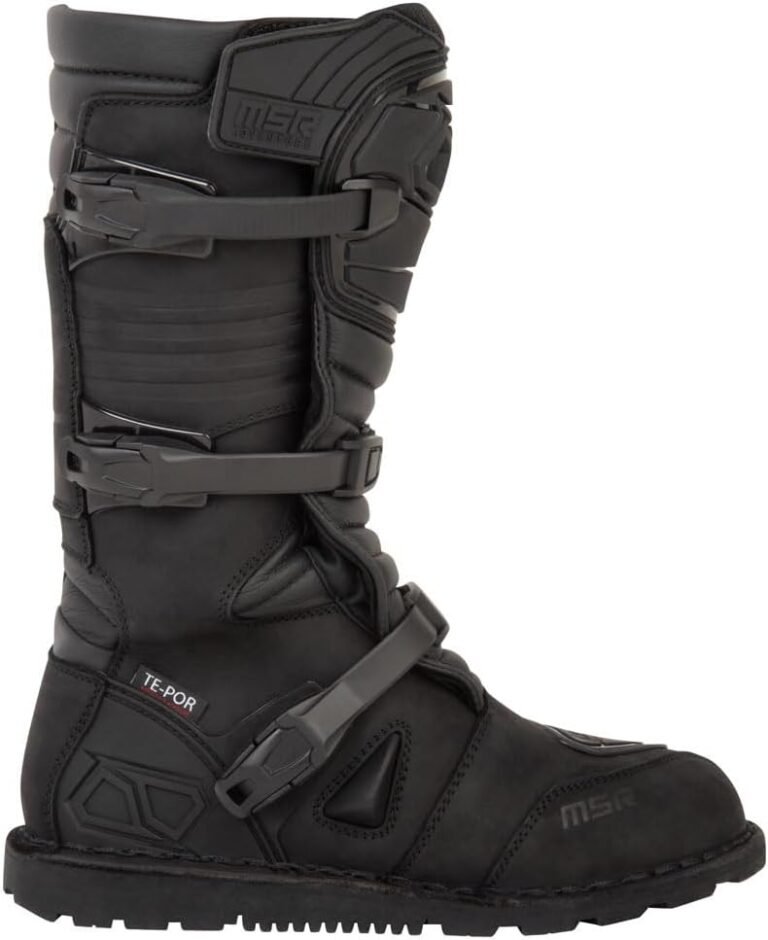
- Adventure/dual-sport boots: Taller cuffs for protection off-road, with reinforced toe/heel and flexible gaiters. They balance impact protection with the need to walk when off the bike.
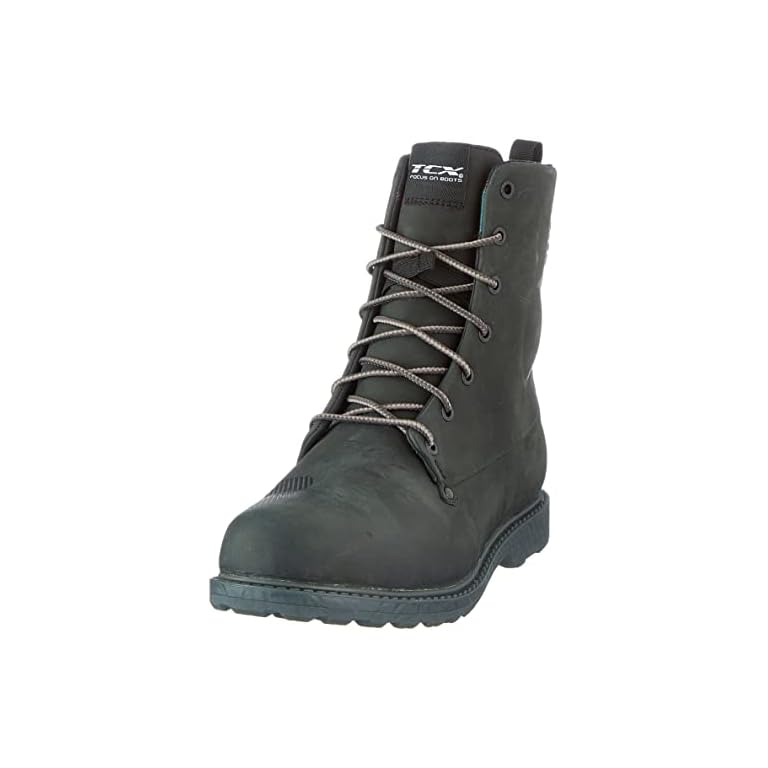
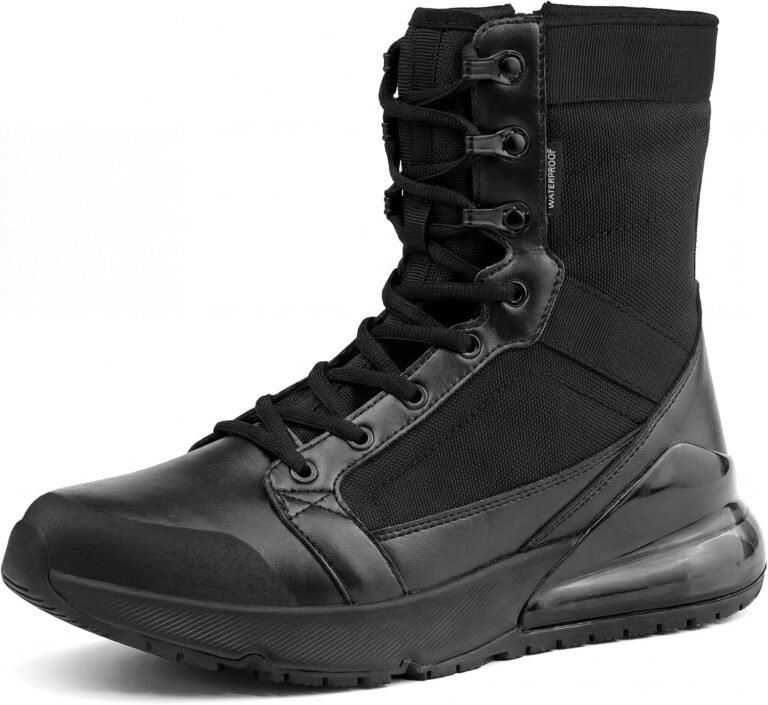
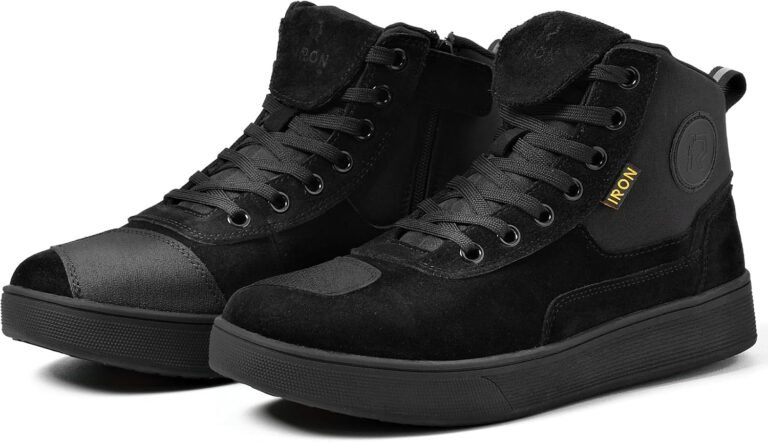
- Commuter/short boots: Lower ankle height, easier to walk in, and often chosen for urban riders. Protection levels vary widely—verify ankle reinforcement and sole quality.
- Fashion or casual “biker” boots: These prioritize style. Some offer adequate protection, but many do not—evaluate construction and reinforcements before assuming safety.
Match the boot type to your riding. For example, a commuter who occasionally hits twisty roads may be better off with a mid-height touring/combat-style boot than a lightweight fashion boot.
Certifications and testing: what the labels mean (and what they don’t)
Some motorcycle boots carry formal certification (for example, CE marking based on EN 13634 or comparable standards). Certification can provide a baseline for abrasion resistance, impact protection and water resistance, but it’s not a substitute for examining construction and fit.
Key things to know about certification:
- Standards test specific performance attributes; a certified boot meets those test criteria but certification doesn’t guarantee real-world durability across all crash scenarios.
- If a product claims a standard (e.g., EN 13634), verify the manufacturer’s documentation or label. The label should show the test standard and the rating breakdown where applicable.
- Not being certified doesn’t automatically mean a boot is unsafe—many well-made boots aren’t submitted for testing. Certification is one helpful data point among many.
For safety-critical decisions, always verify claimed certifications and refer to the manufacturer’s technical documentation for exact ratings and test reports.
Comfort, ergonomics and real-world usability
Comfort affects whether you’ll actually wear your boots every ride. Consider:
- Sole stiffness vs. lever feel: A stiffer sole protects better and can improve control on the peg, but it makes walking harder. Touring riders often choose a compromise sole.
- Gear shift comfort: A reinforced shift pad protects the boot and your toe from wear; look for boots with a dedicated shift area if you use a manual gearbox a lot.
- Ease of on/off: Commuters may prefer zippers and quick-release buckles. Be sure closures remain secure when riding and won’t open during a slide.
- Climate considerations: For hot climates, look for perforation, breathable liners or mesh panels. For colder or wetter climates, membranes and insulation are priorities.
Test boots on the bike if possible. Sitting on your bike with the boots on reveals how the sole thickness, toe box shape and heel affect shifting and balance. Some retailers allow this test or will accept returns if the fit is wrong—confirm policies before purchase.
Maintenance, repair and knowing when to replace boots
Boots require maintenance to preserve protection. Routine care includes cleaning, conditioning leather, resealing waterproof treatments and replacing worn parts.
- Cleaning: Remove dirt and salt after rides. Use appropriate leather or textile cleaners; harsh chemicals can damage membranes and coatings.
- Waterproofing: Reapply membrane-friendly treatments as recommended by the manufacturer. Some waterproof membranes can be compromised by improper care.
- Repairs: Replace worn soles, broken zippers or damaged buckles promptly—these failures reduce protection and can create hazards while riding.
- Replacement triggers: Replace boots after a crash—even if damage seems superficial—because unseen internal damage can compromise protection. Also replace when soles are worn smooth, structural reinforcements are crushed, or stitching separates in critical areas.
If you need manufacturer-specific guidance for repairs or lifespan, consult the maker’s documentation or an authorized repair service rather than guessing.
Buying process and practical next steps
To select the right boots, follow a simple decision process:
- Define priorities: Riding type, weather exposure, budget and whether you need quick on/off for commuting.
- Narrow choices: Use the priorities to choose a boot type (touring, sport, adventure, commuter).
- Try on and test: Wear your riding socks, stand and walk, and if possible sit on your bike. Confirm closures, heel fit and toe room.
- Verify claims: If the seller lists CE or EN certifications, ask for documentation or look for labels that reference specific standards.
- Consider serviceability: Can soles be replaced? Are parts available? Choose boots you can maintain within your budget.
For beginners, our Boots Buying Guide for Beginners is a good next read to expand on these points and get product-specific advice. If you prefer short ankle options, the comparison between Milwaukee Leather MBM9113 and PROFIRST 90023 explores the trade-offs for low-profile riding shoes.
When you do buy, keep the receipt and retail return policy in case the boots don’t fit after a short trial ride.