riderinstinct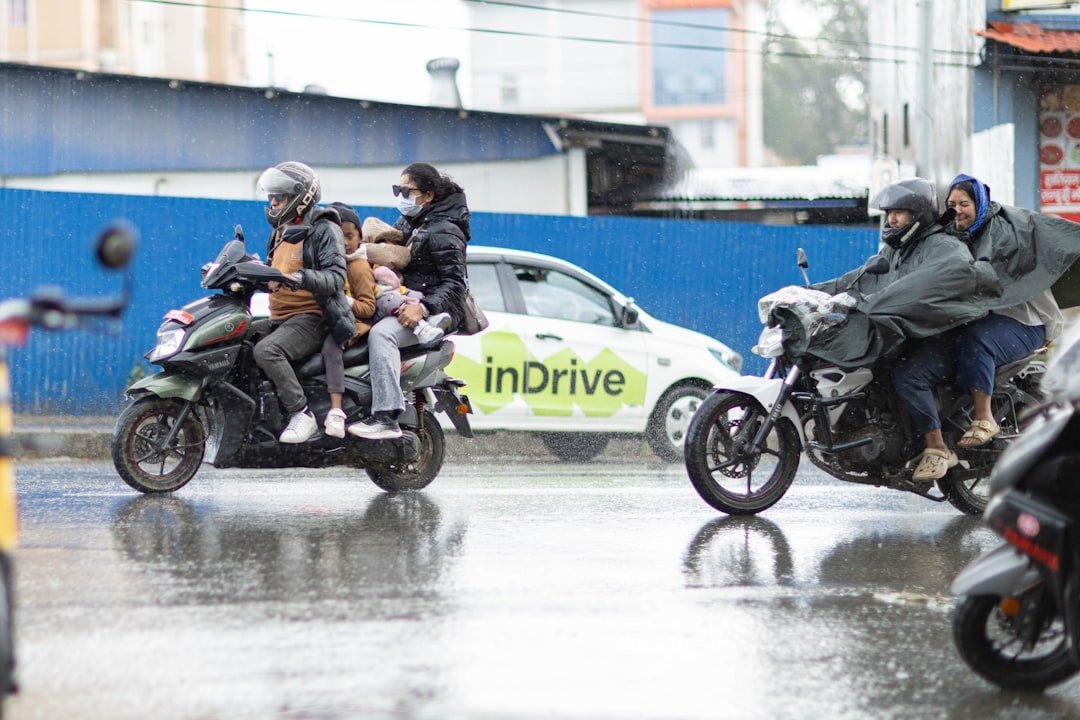
Rain and risk: how wet roads change the riding equation
Rain isn’t just water on the road—it’s a multiplier for several risks riders already manage. Bridging between dry and wet riding requires recalculating traction margin, braking capability, visibility and rider comfort. The payoff for good technique is a significantly lower chance of an avoidable crash, and the cost is slower progress and more attention to basic tasks.
Before you decide to ride in the rain, weigh these factors:
- Intensity and duration – Light showers are different from sustained heavy downpours. Heavier rain reduces visibility and more quickly covers the road with standing water.
- Temperature – If the temperature is near freezing, wet roads may hide ice. At low temps, rubber compounds are less sticky; your effective traction will be lower.
- Route type – Urban stop-and-go traffic, rural roads with gravel, and highways with standing water each present distinct hazards.
- Bike and gear readiness – Tires with proper tread depth and a working lighting/visors system matter; waterproof clothing keeps you functional and focused.
- Your comfort and skill – Wet riding is about smoothness. If you’re new to motorcycling or new to riding wet, consider delay or choose a safer route.
Decision framework: if the trip is non-essential and conditions are moderate-to-severe, postpone. If you must go, plan a route with better surface quality, fewer lane changes and greater lighting, and leave earlier so you can ride slower and arrive on time without stress.
Pre-ride checks and bike setup for rainy conditions
Spend a few minutes more than usual checking the bike before you head into rain. Small maintenance items have larger consequences when traction and visibility are reduced.
- Lights and signals: Make sure headlights, taillight and brake lights work and are clean. In rain you depend on being seen as much as on seeing.
- Tires: Check tread depth and look for cuts, irregular wear or embedded objects. Verify the recommended tire pressures in your owner’s manual and inspect for correct inflation—under- or over-inflation harms wet grip.
- Brakes: Ensure brake pads and discs are in good condition and that lever feel is consistent. Wet brakes can feel spongy until a few light applications clean the pads.
- Chain and sprockets: A clean, properly adjusted and lubricated chain reduces the chance of mechanical issues in wet weather. After the ride you’ll want to clean and re-lube.
- Electrics and connectors: Slick roads increase the likelihood of brief water exposure to connectors. Check for loose or corroded terminals and secure exposed wiring.
If anything is marginal—poor tread, worn brakes, a sticky throttle—fix it before you ride in wet conditions, or choose alternative transport.
Rider kit: visibility, waterproofing and comfort
Good wet-weather gear keeps you focused and visible. Wet and cold riders are slower to react and more likely to make mistakes from fatigue or distraction.
- Helmet and visor: Use a clean face shield or visor and an anti-fog system (pinlock insert, anti-fog treatment or a breath-deflector). Carry a clean microfiber cloth to clear salt or grime at stops.
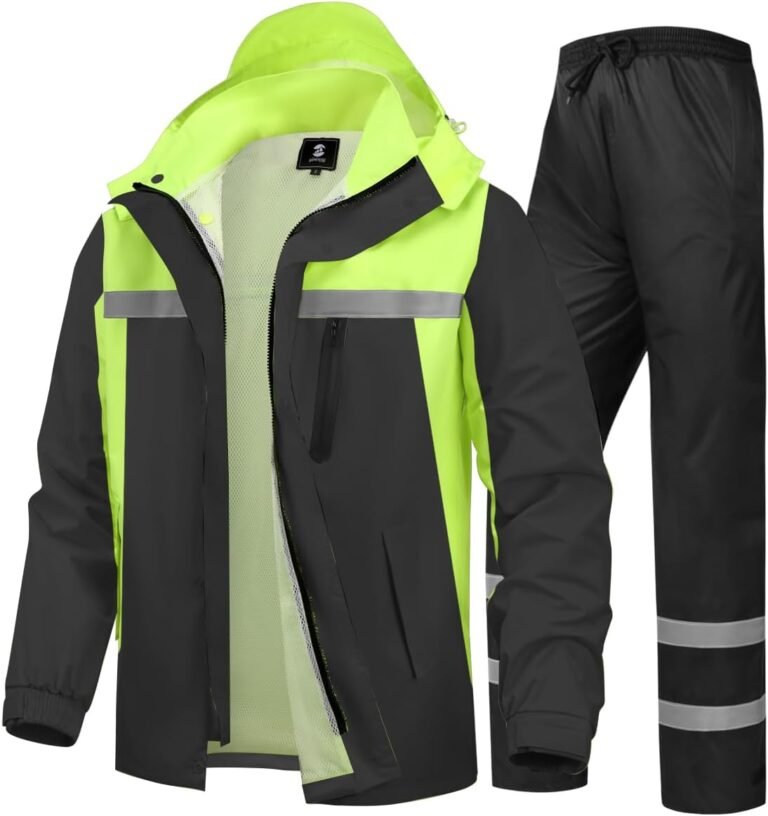
- Waterproof outer layers: A full suit or a waterproof jacket and pants are preferable to improvised covers. Layering helps maintain body temperature as conditions change.
- Gloves and boots: Waterproof gloves with good grip and ankle-covering waterproof boots keep hands and feet functional. Cold fingers dramatically reduce control precision.
- High-visibility elements: Bright colors or reflective panels increase conspicuity in poor light and spray. If you have a waterproof hi-vis vest, use it over your jacket.
- Spare items: Pack a small towel and a dry base layer for longer trips so you can swap wet items if you stop.
Comfort matters because shivering and wet clothing decrease concentration. If you anticipate long exposure, consider electrically heated gear that’s designed for motorcycles and used per manufacturer instructions.
Tire, suspension and electronic aids: set up for wet grip
Tires are the single most important component for wet-road safety. Wet traction depends on rubber compound, tread pattern and correct pressure. Suspension and electronics like ABS and traction control also influence stability and braking performance.
Practical checks and setup:
- Tire pressure: Start at the manufacturer-recommended pressures in your owner’s manual and check cold. Adjusting pressures outside manufacturer guidance is not recommended without understanding the trade-offs—verify exact values from the manual.
- Tread and water evacuation: Sipes and grooves are designed to move water away from the contact patch. Tires with worn tread evacuate water poorly; replace tires that show significant tread loss.
- Suspension: A slightly softer setup can increase contact consistency on wet surfaces. If you make adjustments, return them to standard settings afterward—follow the owner’s manual or a trained technician’s advice.
- ABS and traction control: If your bike has them, leave them on for wet roads. They help preserve stability under braking and in transitions, but know how they feel on your bike so their interventions don’t surprise you in a critical moment.
If you’re unsure about tire suitability or suspension settings, consult a trusted shop or your motorcycle’s service manual before riding in significant rain.
Core wet-weather riding techniques (speed, vision and smoothness)
Wet riding is not about single spectacular moves; it’s about reducing demand on the tyres and maintaining margin. Apply the following principles consistently:
- Slow down and increase margins: Reduce speed to give yourself more time to react and more mechanical grip. Increase following distance significantly—your braking and the vehicle ahead’s braking performance are both degraded.
- Be smooth with controls: Inputs must be progressive. Smooth roll-on of the throttle, gradual steering corrections and gentle braking prevent abrupt load changes that can break traction.
- Look further ahead: Focus farther down the road than usual to spot hazards—standing water, surface transitions and debris—earlier so you can plan smooth inputs.
- Use a neutral body position: Keep a balanced posture; avoid sudden weight shifts. On small-cornering corrections, subtly move your chest and eyes rather than drastic body movements.
- Throttle control through turns: Enter turns at a safe, stable speed. Maintain a steady, light throttle or a gradual roll-on to stabilise the chassis—abrupt acceleration can cause the rear to step out.
- Braking technique: Apply the brakes earlier and with gentle progressive pressure. Practice two-stage braking: a light initial application to set the bike, followed by firmer pressure as you see the wheel track and feel the grip. If your ABS engages, allow it to do its job without adding or releasing the lever abruptly.
Never test limits in rain. Practice these techniques at modest speeds in a safe environment to build confidence before relying on them in live traffic.
Handling common wet hazards: paint, metal, leaves, puddles and drains
Wet roads have specific hazards that behave unpredictably. Identifying and treating them conservatively is a key part of good wet riding.
- Painted road markings and cat’s eyes: These become slippery when wet. Avoid braking or leaning hard on painted surfaces—where possible, ride over them in a neutral, upright portion of your lane at reduced speed.
- Metal surfaces (manhole covers, grates, bridge plates): Approach metal at a reduced, straight-line speed and minimise lean angle. If you must cross during a turn, do so as upright as possible, and exit the metal section before reclosing the throttle.
- Puddles and standing water: Avoid unknown depth by choosing a line around puddles; if unavoidable, ride slowly and keep the bike upright to avoid hydroplaning. Watch for submerged hazards like potholes.
- Leaves and organic debris: Wet leaves are extremely slippery. Treat any leaf-covered patch like ice—slow, upright, and avoid braking or accelerating over it.
- Gravel and road edge drop-offs: Rain can wash gravel onto the surface or erode lane edges. Avoid riding close to the painted road edge where debris accumulates and surface changes hide under spray.
When visibility of the road surface is limited by spray or darkness, reduce speed further and select lines that give you time and space to react.
Intersections, corners and traffic interactions in the wet
Intersections are disproportionately risky during rain because they combine braking, steering and surface changes—often with poorer traction. Prioritize risk control.
- Approach intersections cautiously: Enter slower and be prepared for sudden stops by cars whose visibility is also reduced. Position your lane to be seen by cross-traffic and use extra space when stopping.
- Negotiating corners: Reduce speed before the turn using progressive braking. Avoid heavy braking while leaned over; accelerate only after the bike is upright and you have a clear, dry track where possible.
- Lane position for visibility: Where lane discipline allows, choose a riding line that keeps you visible to other road users and avoids the center line where oil and reduced grip may concentrate.
- Passing and being passed: Be mindful of spray from larger vehicles that can reduce your visibility or destabilize you. If a truck is approaching, provide space and consider giving way rather than passing in wet conditions.
Communicate with clear, early signals, and assume other drivers may not see you or will misjudge your stopping distance. If the road ahead looks uncertain, find a safe place to stop and reassess.
Emergency responses and recovering a low-side or slick feeling
Even with good preparation, a low-traction event can occur. The safest responses are calm, measured and designed to preserve stability rather than “fix” things quickly.
- Perception of a slide: If the rear starts to step out, avoid grabbing more front brake or a sudden opposite steering input. Gently close the throttle and look where you want to go—countersteering and weight balance will often let the bike re-establish grip.
- Loss of front traction: If the front feels washed out, keep your head up and steer smoothly toward a safe escape path. Do not try to catch the bike with abrupt inputs; let speed fall and allow the contact patch to regain grip.
- Hydroplaning: If you feel the bike floating in standing water, progressively ease off the throttle and hold a steady course. Avoid sudden braking or sharp steering until tyres re-establish contact with the surface.
- Stopping in a slide scenario: If you must stop immediately and ABS is unavailable, use progressive modulation of both brakes—choose controlled pressure and focus on stabilizing the bike rather than maximal deceleration.
In all emergency situations, your first priorities are to keep your eyes on the escape route, minimize sudden inputs, and reduce speed smoothly. If you ride a bike with rider aids, learn how they feel during such events at low speeds in a safe area.
Post-ride care: drying, cleaning and inspection after a wet ride
How you treat the bike after a wet ride affects its reliability and lifespan. Salt, grit and moisture accelerate corrosion and wear if left unattended.
- Drying: Park under cover if possible and wipe critical areas dry at stops—controls, chain, electronics and the seat. A microfiber towel helps remove surface water without scratching paint.
- Chain maintenance: After a wet ride, clean off grit and re-lubricate the chain. Riding in the rain washes away lubricant and accelerates wear.
- Brakes and rotors: Light pad glazing can occur with wet rides. If you notice reduced braking feel, perform a few gentle stops from low speed to clear the discs. If braking remains suspect, have the system checked.
- Electricals and connectors: Inspect visible connectors for moisture and dry them. If any electrical faults appear after a rainy ride, don’t ignore them—trace and reseal the affected area.
- Corrosion prevention: Regular cleaning and a protective spray on exposed metal fasteners, cables and pivot points prevents early corrosion—do this as part of your routine after repeated wet rides.
If you’re unsure about a component’s condition after exposure to heavy rain or water immersion, consult a mechanic or your dealer for a safety inspection.
Practice, training and when to seek professional instruction
No amount of reading substitutes for controlled practice. Wet riding drills in a safe, controlled environment build the muscle memory and calm decision-making you need when conditions are real.
- Find controlled practice space: Use an empty parking lot or a rider training course to practice smooth braking, slow-speed maneuvers and emergency stopping on surfaces that simulate reduced traction (never deliberately make a surface dangerously slick).
- Progressive exposure: Start in light rain and calm conditions before riding in heavier rain or in traffic. Give yourself small, repeatable objectives: maintain a steady slower speed, practice progressive braking, and control throttle transitions through corners.
- Professional training: Consider a formal advanced riding or low-traction course taught by qualified instructors. They can provide immediate feedback on body position, brake modulation and panic recovery techniques tailored to your bike and skill level.
- Mental rehearsal: Visualize how you’ll approach puddles, intersections and braking in the rain. Mental rehearsals speed learning and reduce panic in unexpected situations.
Training accelerates competence and reduces risk. If you plan to ride often in wet conditions, a targeted wet-weather module or advanced rider course is a smart investment.