 riderinstinct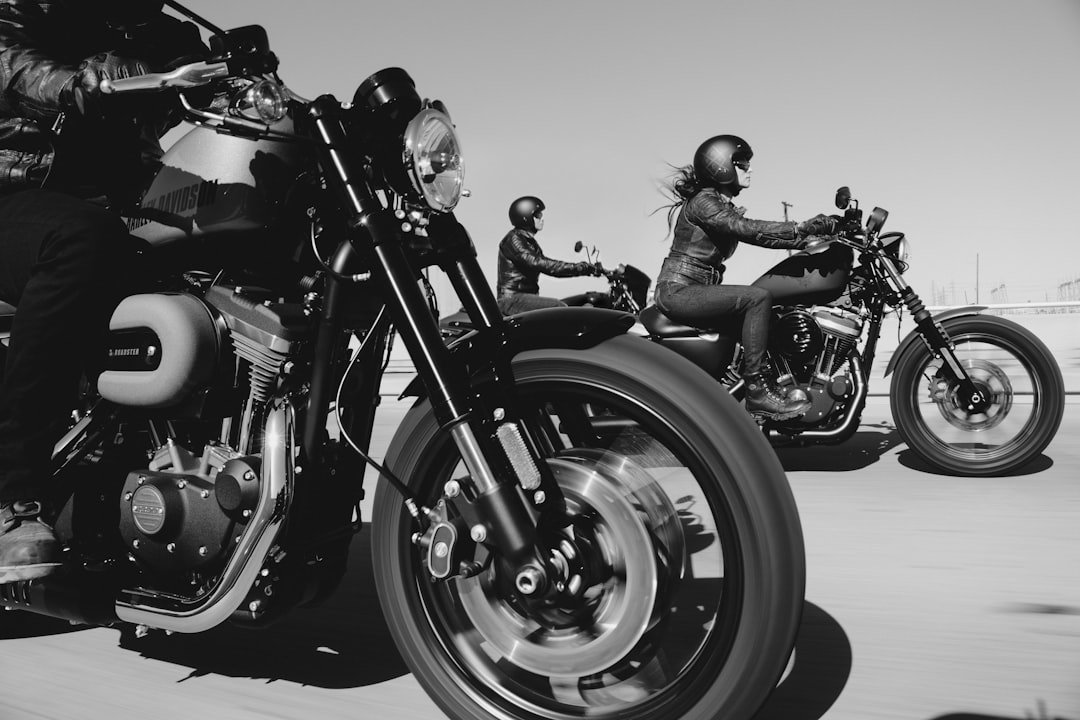
What group riding is — benefits, trade-offs and when to join
Group riding ranges from a casual two-bike run to an organised club tour with a dozen or more riders. Benefits include shared navigation, improved visibility (a group is easier for other road users to spot), social connection and the logistics advantages of traveling together. Trade-offs are added complexity: you must manage multiple riders’ skills, machines, and risk tolerances, coordinate communications and accept that the group’s pace will reflect the least experienced participants.
Before joining a group, decide what you want from the ride (social, scenic, training, distance) and whether your skills, equipment and comfort match the likely route and pace. If in doubt, ask the ride organiser for a clear description of the route, average speed, planned stops and expected road types. Conservative decisions — opting out of a ride that’s faster or more technical than you want — are legitimate and sensible.
Pre-ride planning: roles, route, and rider briefing
Good group rides start before the first engine fires. Organisers should assign a Leader (front rider) and a Sweep (rear rider). The Leader sets pace and route, while the Sweep accounts for everyone and manages stragglers or mechanical issues. For larger groups, consider splitting into smaller sub-groups with designated leaders and sweeps.
Key elements to agree on ahead of time:
- Route and planned stops (locations, fuel and rest breaks).
- Expected average pace; clarifying whether the ride is relaxed or spirited.
- Roles (Leader, Sweep, tail gunners) and procedures for mechanicals or crashes.
- Minimum equipment and gear standards (helmet, textile/leather jacket, gloves, boots, eyewear).
- Communication methods (hand signals, light signals, or radio headsets) and fallback if tech fails.
On the morning of the ride, hold a concise briefing. Cover the route highlights and hazards, review signals and stop procedures, confirm fuel plans, and remind riders that everyone must ride within their own limits.
Briefing essentials: agreed signals, ride tempo and emergency procedures
A short, rehearsed briefing eliminates most confusion. Use plain language and simple, repeatable signals. Common agreed points:
- How to indicate a stop or fuel pull-over and where to gather at stops.
- Signals for hazards (debris, slow traffic, police), typically by pointing and glancing at the following riders during the briefing so they know what to expect.
- A clear method to indicate that a rider has a mechanical problem and where the group will wait or how it will handle recoveries.
Agree on a conservative tempo that fits the conditions and the least experienced rider. Emphasise that tempo can be adjusted during the ride to accommodate mechanicals, weather changes or fatigue.
Formations and spacing: why predictability beats proximity
Formation riding is about predictability more than style. The most commonly used formation on multi-lane roads is the staggered formation: two-column, with the Leader in the left part of the lane and the second rider offset to the right third of the lane, and so on. Staggered formation gives each rider a clear sightline and more space to manoeuvre.
Key points about spacing:
- Keep consistent spacing so each rider has time to react to the rider ahead. Exact distances depend on speed, road conditions and visibility — follow the manufacturer guidance for braking and tyre warm-up, and increase spacing in wet or unfamiliar conditions.
- When approaching curves, narrow lanes, heavy traffic, or low visibility, switch to single-file to avoid creating an obstacle for other road users and to provide maximum escape routes.
- Do not crowd another rider to “protect” them; crowding reduces options and amplifies risk.
Practice entering and reforming a staggered formation in a safe parking area until the group moves as a cohesive unit with clear, predictable spacing.
Lane changes, passing and splitting the group safely
Lane changes and passing are when groups most commonly make mistakes. The Leader should clearly signal an intent to change lanes, then the rest of the riders follow in order while maintaining formation spacing. If you use radios, a short “Lane change” call from the Leader then an acknowledgement from the Sweep keeps things transparent. If not using radios, the first rider to move should give a clear turn signal and a head check to ensure the adjacent lane is clear.
When passing slower traffic, avoid attempting to pass as a compact cluster. Instead, pass in an orderly sequence: the Leader initiates the pass and each following rider starts their pass only when the lane ahead is safely clear. Do not attempt to overtake in places where you don’t have a clear view ahead, and be prepared to abort and fall back if the pass is no longer safe.
If the group becomes unwieldy on narrow or twisty roads, agree in advance on a split procedure: reduce pace and allow the group to stretch naturally, or stop at an agreed checkpoint to reassemble. Maintain communication about where the group intends to reconvene.
Hazard management: how groups should respond to road threats
When a hazard appears — debris, oil, gravel, an animal, or sudden slow traffic — the priority is to keep the group predictable and to preserve spacing. The rider who spots the hazard should use the agreed signal and, if possible, use gestures to indicate which side to avoid. Riders should avoid sudden swerves; instead, brake progressively and, if necessary, change formation to single-file to navigate the hazard with maximum room.
Specific behaviour to rehearse in briefings and practice:
- Point out the hazard with a consistent gesture so following riders know where to look.
- Call out the hazard on radios or use a helmet tap sequence if trained to do so (but never rely solely on this method).
- If a rider drops their bike, the immediate actions are to secure traffic, keep other riders stopped and attend to the downed rider; only move the motorcycle if it is safe to do so. All riders should be clear on who will call emergency services and who will secure personal information and documentation.
Always err on the side of stopping in a safe place rather than trying to solve a complex problem while moving.
Communication tools: hand signals, headsets and redundancy
Communication in a moving group should be simple and redundant. Hand signals are the universal fallback and must be rehearsed during the briefing. Standard hand signals include indicators for stop, slow, turn, hazard and fuel. Keep gestures exaggerated and hold them a moment longer than you think necessary so riders farther back can see them.
Radio headsets provide richer, immediate information but introduce complexity: battery management, range limitations and the potential for distracting chatter. If using headsets, set a clear etiquette (short calls, confirmations only, no unnecessary conversation) and test devices before leaving. Maintain a plan to revert to hand signals if electronics fail.
Always verify your communication system’s limitations ahead of a ride and carry a simple paper map or GPS route as a backup if batteries fail.
Leadership, sweep responsibilities and how to handle a breakdown or crash
The best rides have clearly defined leadership and a simple, practised response to incidents. The Leader keeps a steady pace and navigates, signalling hazards and changes. The Sweep watches for stragglers, checks in at stops and is the point person for mechanicals or injuries.
When a breakdown occurs, stop at a safe location well off the roadway. The Sweep or a designated assistant should account for everyone and keep the rest of the group informed. If a rapid fix is possible, the group can wait; otherwise, agree whether to escort the rider to the nearest service or to proceed and meet at a planned waypoint. For any crash with injuries, call emergency services first and follow local laws; non-medical riders should provide basic assistance only if trained and able.
Documenting incident procedures in the briefing reduces hesitation in stressful moments and keeps response consistent.
Progressive practice and training: how to build confidence safely
Group riding is a skill set you build gradually. Start with short, low-risk rides with a trusted group at conservative speeds. Use a closed parking area to rehearse formations, staggered riding, controlled emergency stops and coordinated lane changes at low speed. Practising in these safe spaces builds the muscle memory needed for public-road situations.
Consider formal group-riding-focused instruction from a qualified trainer or club-run mentor rides. An instructor can highlight bad habits and provide structured feedback. Always separate general technique from motorcycle-specific procedures: mechanical checks, tyre pressures and brake maintenance should follow your motorcycle’s owner manual or a qualified mechanic’s guidance.
As your comfort grows, incrementally increase ride length, traffic complexity and pace — never the opposite.
Legal, insurance and practical considerations to protect yourself and the group
Be aware that group rides do not exempt riders from traffic law or individual responsibility. Ensure your license, registration and insurance are current and understand what your insurance covers in an organised event. Some jurisdictions have specific rules about lane-splitting, passing, or riding two abreast; know local regulations for the area you will ride through.
Practical items to carry include a basic tool kit and tyre repair kit, emergency contact information, a list of medications (if relevant), and sufficient water and snacks. While riders may be tempted to rely on others, prepare to be self-sufficient for at least the first part of a ride. Keep personal information secure and agree on how to share emergency contacts in the briefing.