riderinstinct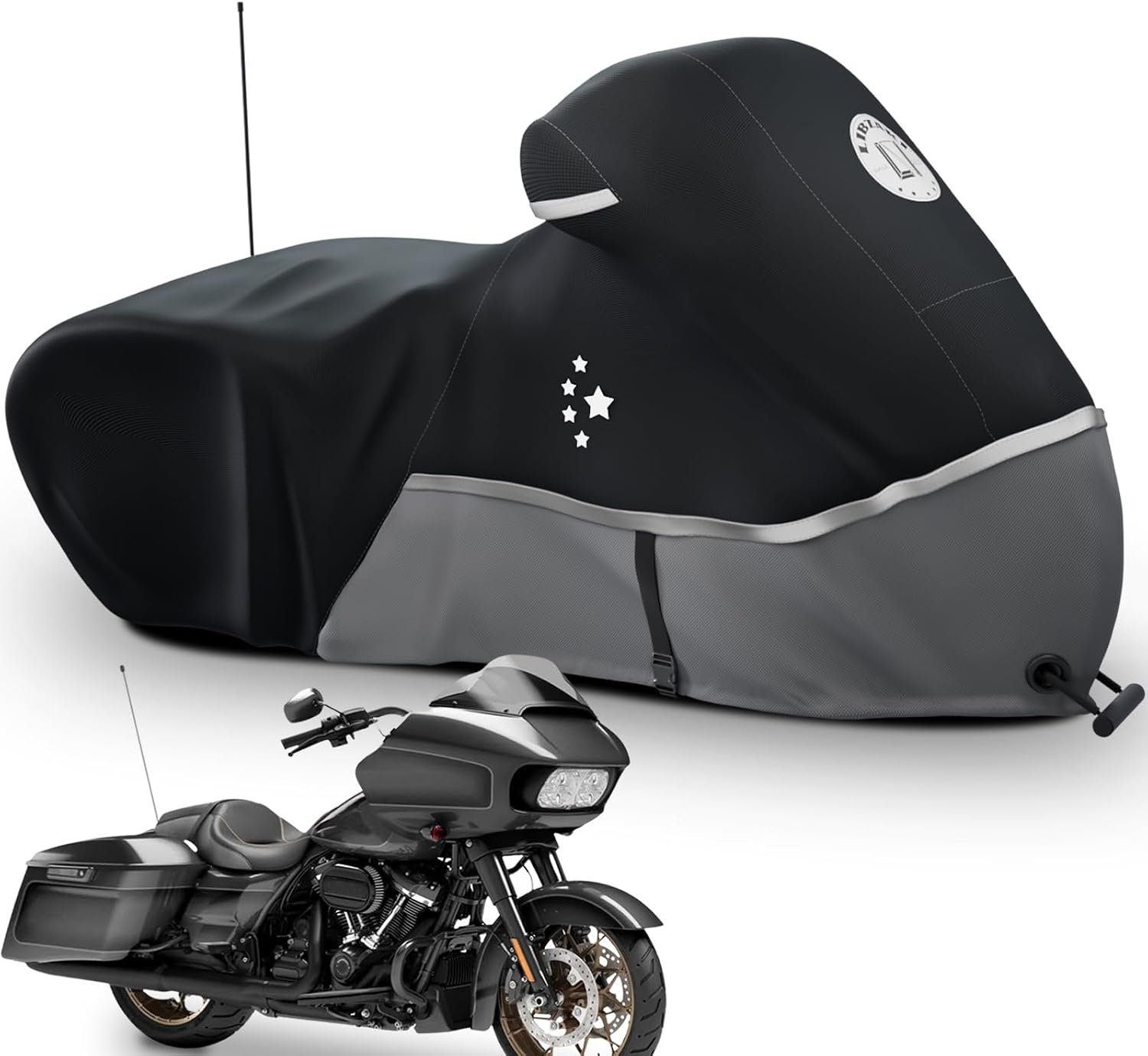
Why accessories matter (and how to think about them)
Accessories can protect your bike, keep you visible, make rides more comfortable and bring modern conveniences such as navigation and intercoms. But accessories can also create new problems — electrical drains, fitment conflicts, and false security if used incorrectly. The right approach is practical: identify the hazards you face (theft, weather, rider fatigue, poor visibility, navigation needs), then buy accessories that directly reduce those risks rather than things that simply look good.
Before shopping, decide your primary use: daily urban commute, weekend country rides, or long-distance touring. That single choice should steer priorities: commuters need compact, quick-to-use security and visibility; tourers need comfort and durable weather protection; sport riders may prioritize electronics and light weight.
A simple decision framework to choose accessories
Use this three-step framework before you add items to your cart:
- Assess risk and need: Where do you park? How long are your rides? Is weather a real factor? Do you often ride at night?
- Choose mission-critical first: Visibility & lighting, theft prevention, and weather protection are typically highest priority.
- Check compatibility & trade-offs: Will a product fit your bike? Will it need wiring? Does it add weight or change handling? Always plan for installation and maintenance.
This keeps purchases useful and reduces the chance of buying accessories you’ll never use or that introduce new safety issues.
Core accessory categories and what actually matters
Below are the categories most riders should consider, with the features that matter in each.
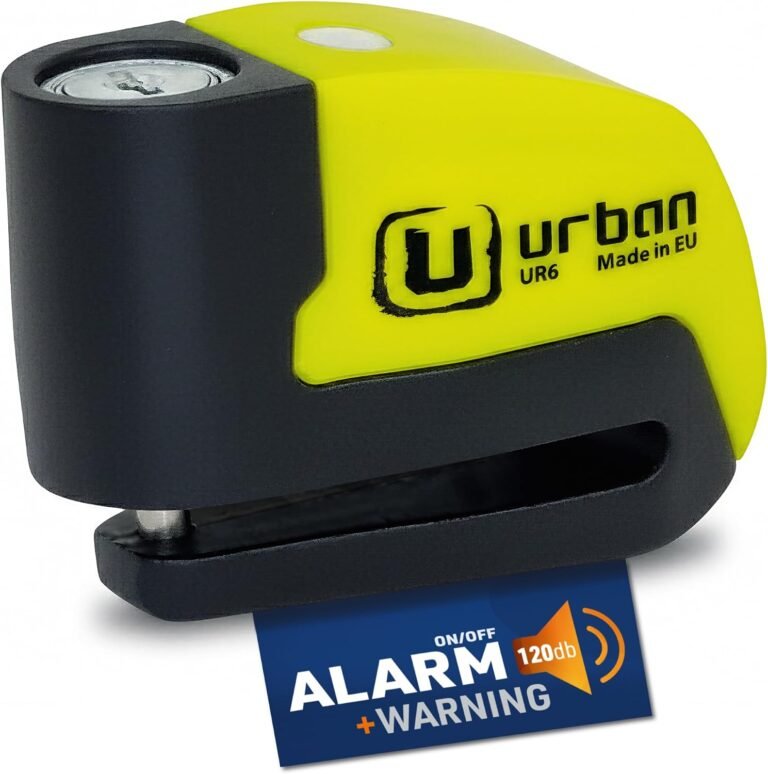
- Security (locks & alarms): Look at physical robustness (pin/shaft diameter, materials), alarm volume/sensitivity, and usability (one-handed locking, whether you can carry it locked). Combine mechanical locking with an alarm for layered protection.
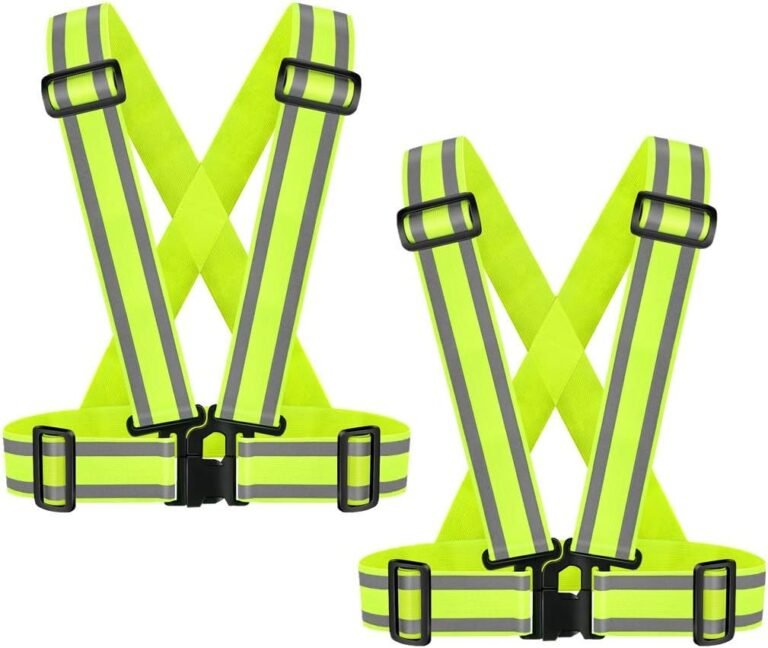
- Visibility & lighting: High-visibility vests and reflective strips help daytime and low-light conspicuity. For add-on lighting, prioritize brightness, IP rating for weather, and legality in your area.
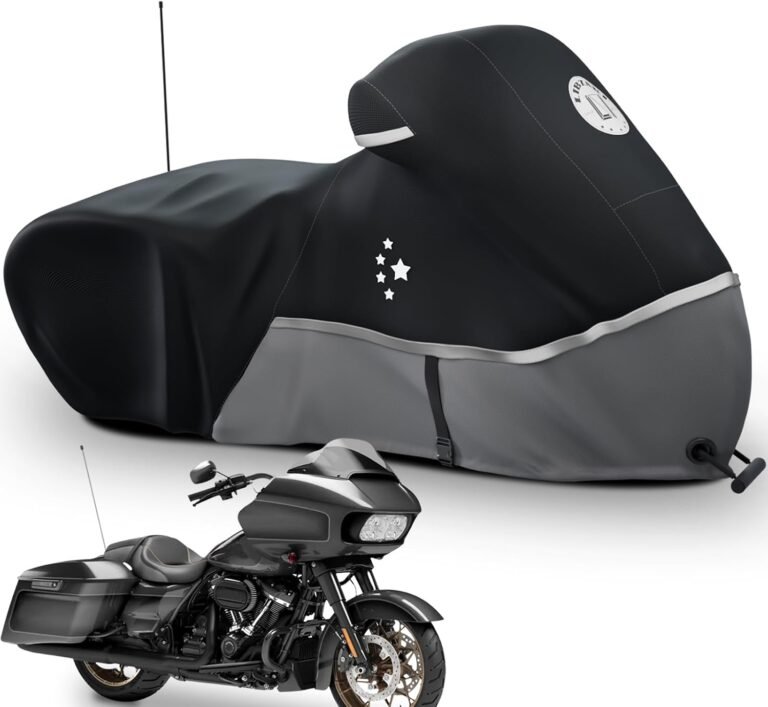
- Weather protection (covers): Material (e.g., 420D Oxford), seam sealing, elastic hems, lock/antenna holes and reflective panels matter. Confirm the cover will fit any luggage or tour pack on the bike.
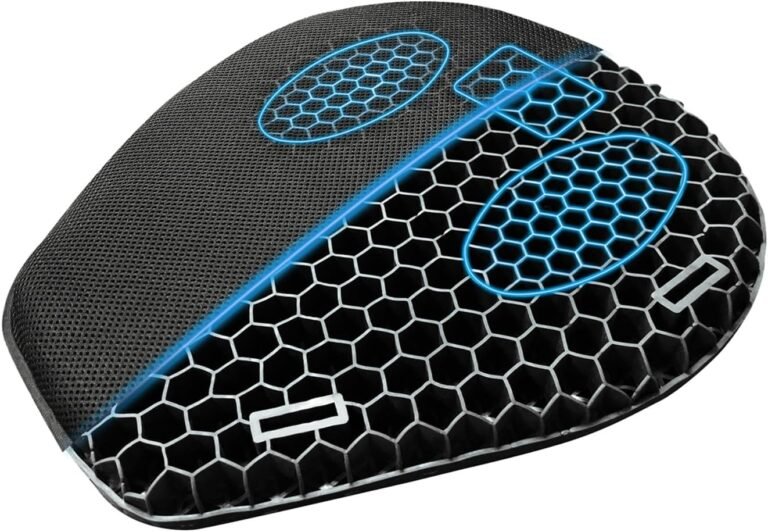
- Comfort (seat pads, grips): Adjustable, breathable materials that reduce pressure and heat build-up are best for long rides. Check whether pads are universal and whether they’ll interfere with passenger seats or luggage.
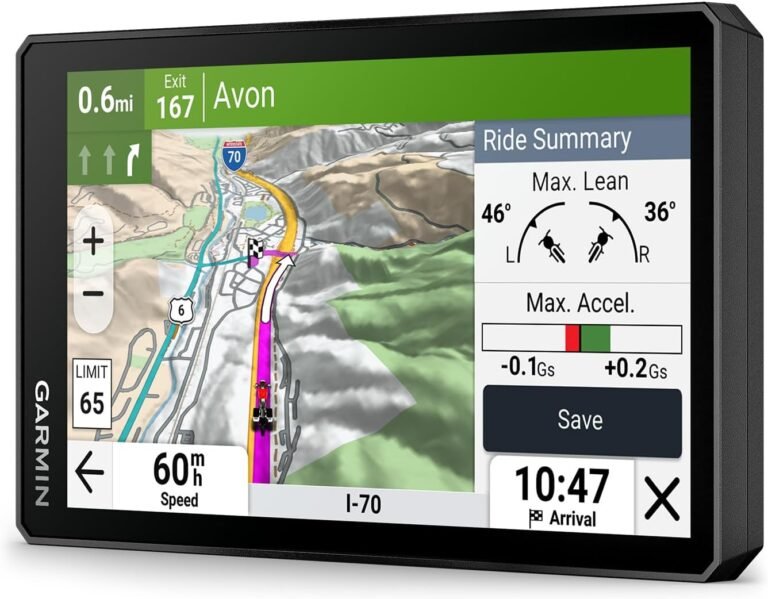
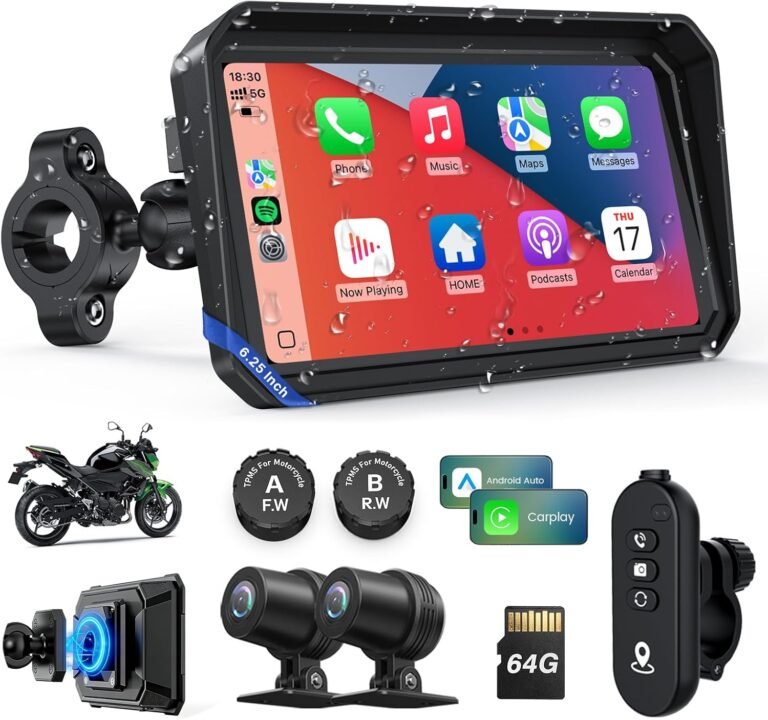
- Electronics (GPS & intercoms): Look for handlebar vibration resistance, sunlight-readable screens for GPS, IP/waterproof ratings, battery life, and whether subscription services are required for advanced features.
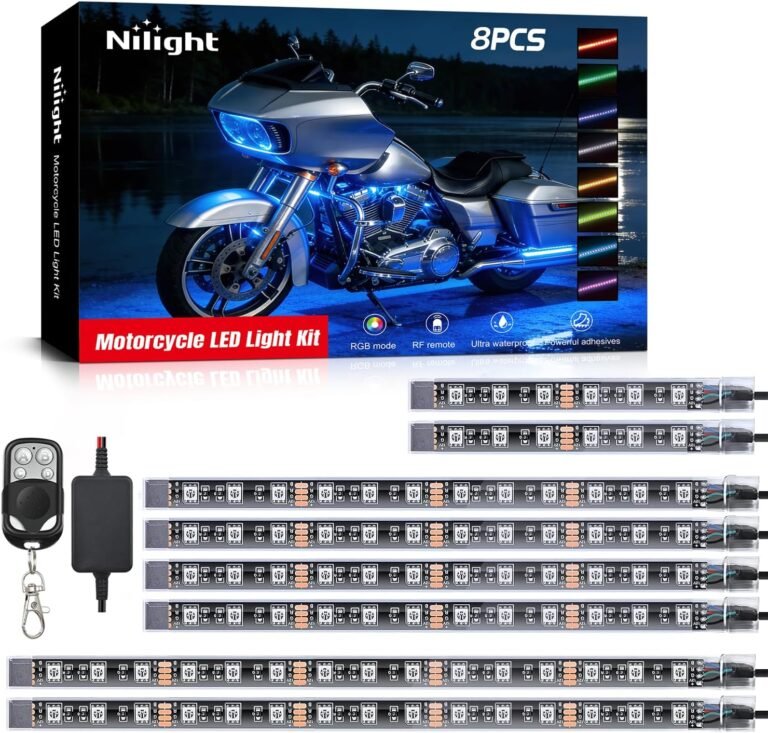
- Cosmetic/atmosphere lighting: RGB kits look cool, but plan wiring carefully to avoid electrical problems. Ensure they’re rated for vehicle power (12 V DC) and check local laws on colored lights.
Fit, compatibility and technical checks you must do
Accessories are only useful if they fit and work with your bike. Always verify these specifics before buying:
- Disc lock fit: Measure the hole diameter in your brake rotor or select a lock pin size that matches. For example, many compact alarm locks use a 6 mm pin; some higher-security locks use 10–14 mm. If your rotor’s holes or caliper layout won’t accept the pin, the lock is useless.
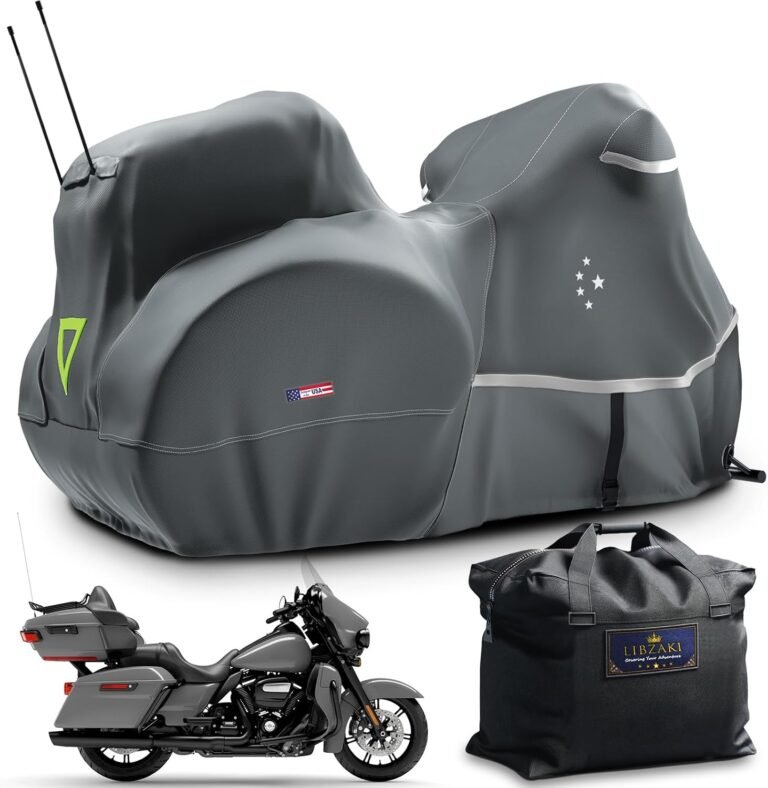
- Cover size: Measure from headlight to tail and across panniers/luggage. The example touring cover provided lists dimensions (about 107″ L x 43″ W x 55″ H) and widened rear design for side boxes — confirm the measurements match your bike and add clearance for mirror/antenna positions.
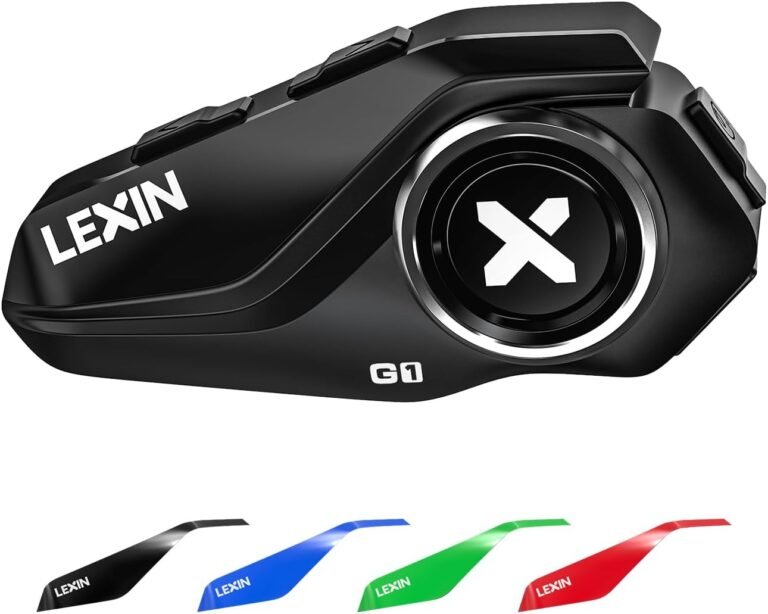
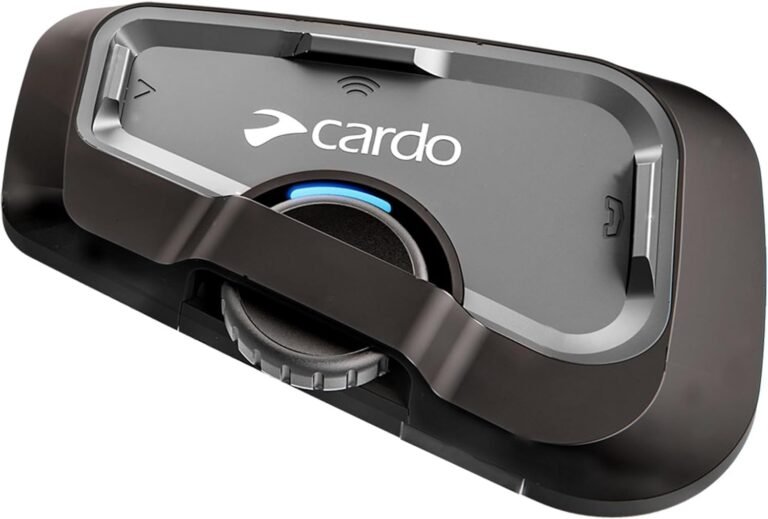
- Helmet electronics: Speakers and mics need internal space. Many helmet Bluetooth headsets are thin but still require checking helmet cavity thickness and whether you need a boom mic versus button mic.
- Electrical compatibility: LED kits and GPS units typically require 12 V DC and may draw current from your battery. Check wiring harnesses, fuses and whether a dedicated switched supply or regulator is recommended to avoid battery drain or damage.
- Weather rating: For gear you use exposed to rain, note IP ratings (e.g., IP65, IP67, IP68) and follow manufacturer guidance on submersion vs. splash resistance.
If a spec is not listed, contact the seller or verify against your motorcycle manufacturer documentation before purchase.
Trade-offs to expect (durability vs weight, cost vs convenience)
Every accessory involves trade-offs. Understanding them reduces buyer’s remorse.
- Security vs weight/size: Heavier, thicker locks generally offer higher security but are less convenient to carry. A compact alarm disc lock (for example a model with a 6 mm pin) is faster to use daily but may not stop a determined thief with tools; larger 10–14 mm shackle locks are stronger but bulkier.
- Comfort vs permanence: Seat pads and gel cushions add comfort but some riders dislike removable pads shifting under heavy braking. Look for anti-slip bases and secure straps.
- Electronics convenience vs battery handling: Standalone GPS units (with rugged IP rating and bright screens) are convenient but often need dedicated mounts and power. Handlebar head units may require professional wiring to avoid battery drainage.
- Aesthetics vs legality: RGB underbody lighting and colored wheel lighting can enhance appearance but may be illegal if they imitate emergency vehicles or distract other road users — always check local regulations.
Practical recommendations and how each product fits a rider type
Below are concrete examples from the provided product set and who they suit. These are illustrative choices — use the decision framework above to confirm each fits your motorcycle and needs.
- Cover: Motorcycle Cover Storage for Touring Models (LIBZAKI-style) — good for touring riders who park outdoors: The cover is described as 420D Oxford fabric with waterproof seam strips, an elastic hem, adjustable windproof buckle, ABS lock hole, reflective striping, and a storage bag. It lists approximate dimensions (107″ L x 43″ W x 55″ H) and a widened rear to fit side-boxes. It’s suitable for riders with large touring bikes who need full coverage and luggage accommodation — verify the listed dimensions against your bike including luggage and antenna locations. (See the product page for details.)
- Security: URBAN UR6 Disc Lock with Smart Alarm — good for daily urban parking: This alarm lock combines a mechanical 6 mm shaft with a 120 dB alarm, A+ sensitivity and a pre-warning beep sequence to deter casual tampering. It’s lightweight and fast to use with one hand and includes a replaceable sealed alarm module and CR2 battery. This is suited to riders who want a compact, practical deterrent for street parking; verify your rotor hole accepts a 6 mm pin and consider pairing with a chain to secure the bike to an immovable object for higher-risk locations.
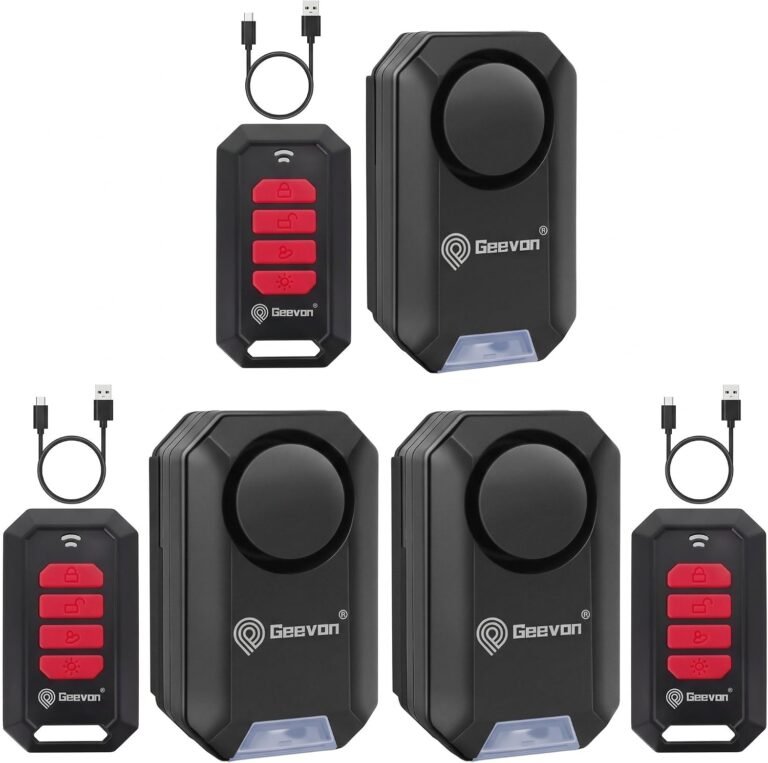
- Alarms: Geevon 135 dB Wireless Bike Alarm — good as a supplementary alarm for varied installs: This compact alarm offers adjustable sensitivity (3 levels), remote control and IP65 splash resistance. It’s useful if you want a small, discreet alarm you can mount where a disc lock won’t fit. For higher-theft areas, use it in addition to a mechanical lock.
- Visibility: High-visibility reflective safety vest (2-pack) — good for commuters and anyone riding in low light: Lightweight, adjustable, with doubled reflective strips for visibility. Easy to stash under a jacket or in a saddlebag; cheap, high-return purchase.
- Comfort: 3D Honeycomb Gel Seat Cushion — good for long-distance touring or riders with seat soreness: The honeycomb gel structure is designed to distribute pressure and allow airflow. It lists an anti-slip base and adjustable straps. Use this if you plan multi-hour days and your stock seat is uncomfortable; confirm it won’t slide on your seat and won’t obstruct pillion or luggage.
- Electronics: Garmin zūmo XT3 GPS — good for riders needing robust navigation and route data: Rugged 6″ display, IP67 rating for weather and vibration resistance, preloaded maps and features such as a lean-angle gauge, Adventurous Routing, and group tracking via the Tread app. This unit is aimed at riders who value a dedicated, weatherproof motorcycle GPS that handles long rides and off-the-beaten-path routing; check required mounts, power wiring and any subscription services for advanced map layers.
- Communications: LEXIN G1 Bluetooth Helmet Headset — good for riders who want music, GPS prompts and phone calls without a full intercom network: Bluetooth 5.0 multipoint, IP67 waterproofing, 40 mm speakers, and both boom and button mic options for different helmet types. Verify your helmet has space to accommodate 1 cm-thick speakers and that you can route the mic appropriately.
- Style lighting: Nilight RGB LED Kit — good for show bikes or occasional low-speed displays (with caution): Waterproof IP68 LED strips, RF remote, 12 V DC operation. Useful for static displays or parked presentation; check local laws before using colored underglow on public roads and plan wiring so it does not drain the battery.
Installation, maintenance and safety considerations
Buying is only half the job — proper installation and regular maintenance make the gear work as intended and avoid new hazards.
- Mounting and wiring: For GPS units and LED kits, use proper, fused connections and, where possible, a switched power feed. If in doubt, have an experienced installer or shop do the wiring — poorly routed wires and loose connections can create shorts or distract you while riding.
- Lock/use habit: Treat security products as one element of a habit. Even with an alarm lock that has a pre-warning (like the UR6), always use a second measure if parking in a high-risk area and never ride with a disc lock still engaged; many riders forget and can damage their bike.
- Battery checks: Replace batteries on alarm modules and remotes before they fail. The UR6 uses a CR2 lithium cell with a multi-year life under normal use; alarms with internal rechargeable batteries (e.g., GPS/communications) should be charged regularly.
- Weather-proofing: Even IP-rated devices benefit from simple care: wipe connectors, keep charging ports covered, and store removable electronics in dry bags when not riding.
- Legal and safety checks: Confirm local laws for aftermarket lights and make sure any added lights don’t obscure signals, plates or create confusing flashes for other road users.
Budgeting and how to prioritize purchases
Start with a basic priority list and work down it as funds allow. A common, practical order for many riders is:
- Visibility gear (reflective vest, quality lights)
- Primary security (disc lock or heavy chain + alarm)
- Weather protection (fit-for-bike cover or garage time)
- Comfort (seat pad, heated grips if cold climate)
- Navigation and comms (GPS or headset) — buy based on ride length and frequency
- Cosmetic/accessory lighting and non-essential gadgets
Spend where it reduces real risk first. For example, a decent alarm disc lock and a reflective vest are higher-value buys than decorative LED underglow for most riders.
How to verify claims and what to ask sellers
Product pages sometimes omit critical details. Ask sellers for these items when they’re not listed:
- Exact measurements and fit guidance (cover length/width/height, whether it fits with top boxes or panniers).
- For disc locks: pin/shackle diameter and whether they recommend specific mounts for carrying it on your bike.
- For alarms and electronics: IP rating, battery type and replacement procedure, and how the alarm sensitivity is adjusted.
- For GPS and map units: whether premium map layers require a subscription and what mounts/power leads are included.
- For LED kits: total current draw at full brightness and whether the kit includes a relay/fuse for safe installation.
If a seller can’t answer clearly, consider other options or a reputable brand that publishes specs.