riderinstinct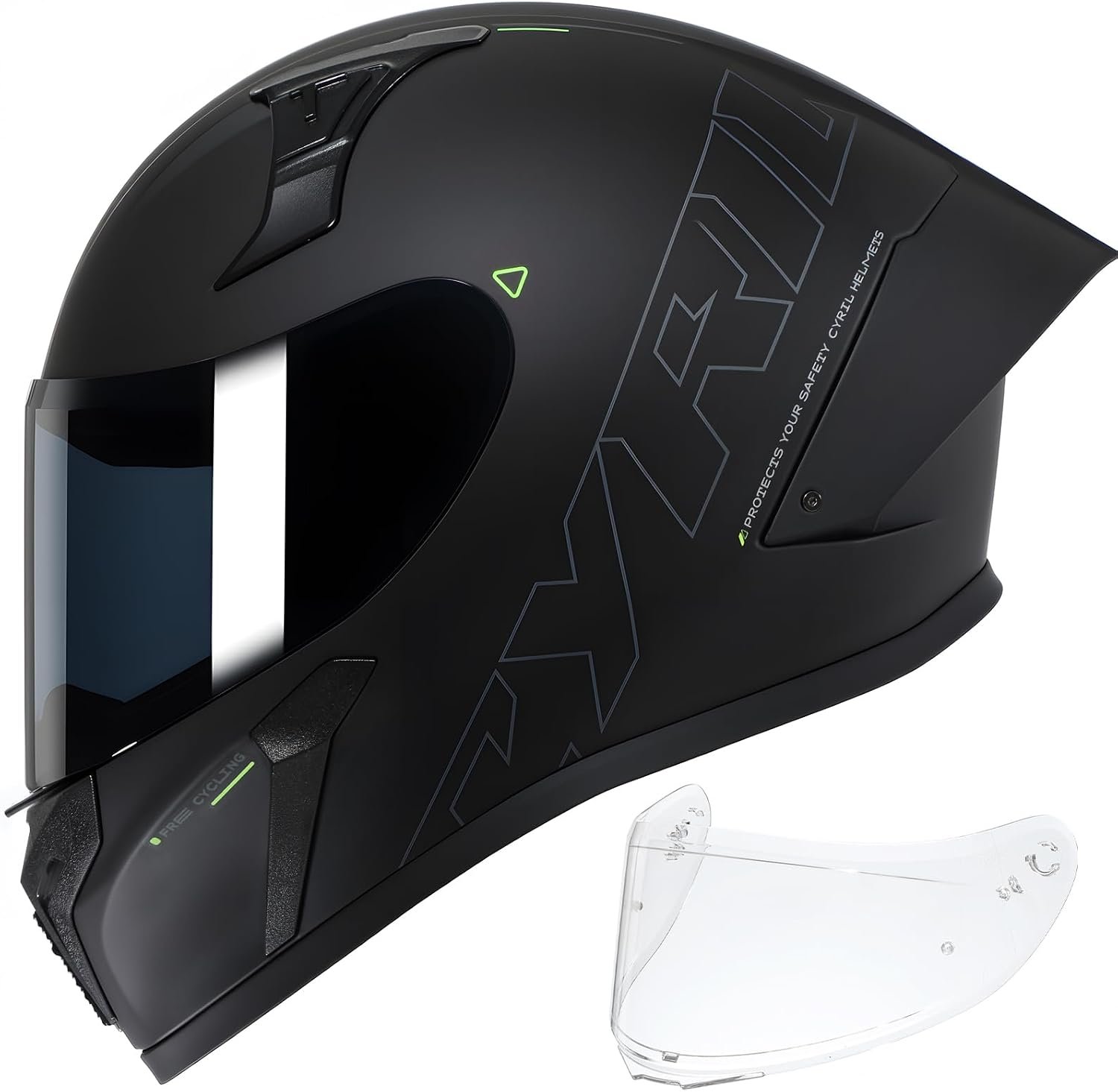
How to decide between an adult full-face and a youth full-face
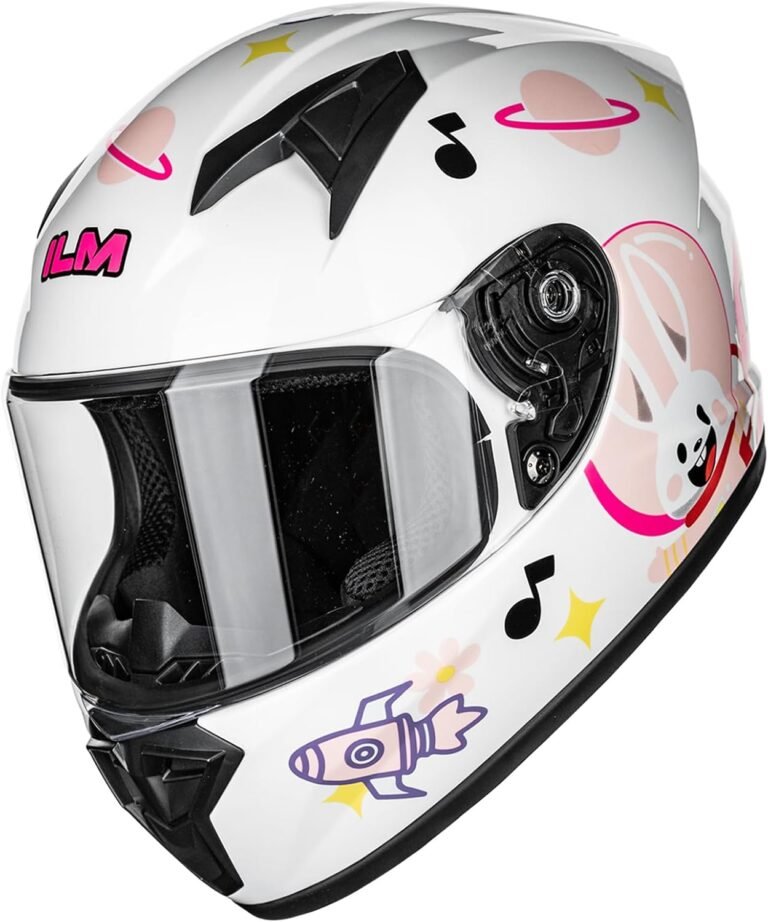
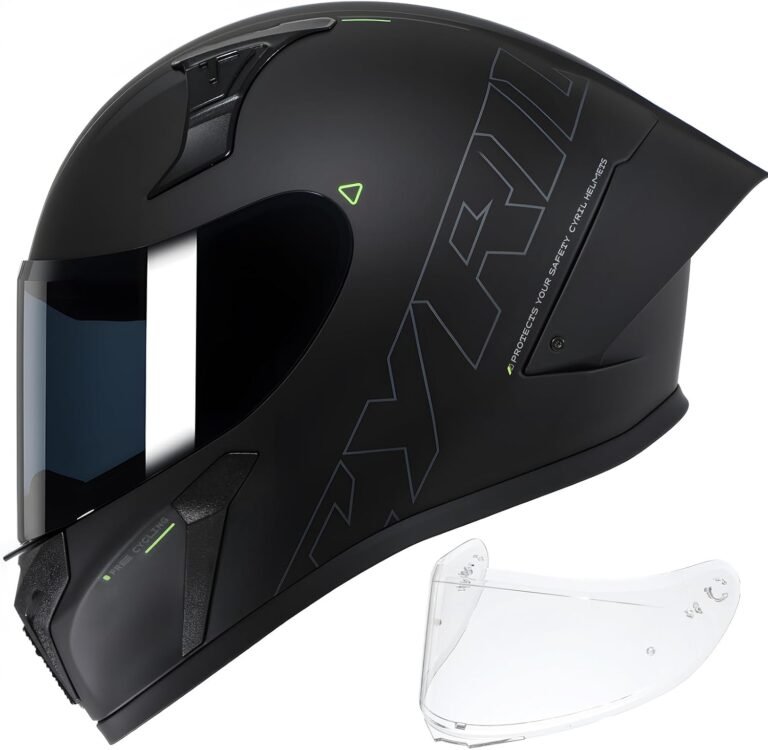
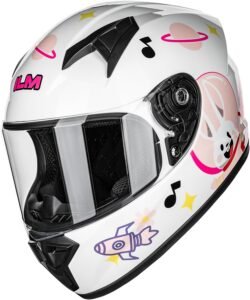
Comparing the CYRIL full-face and the ILM MF521 youth helmet is fundamentally about matching the helmet to the rider, not just the price. Both list DOT-level protection and use ABS shells with EPS energy-absorbing liners, but they were designed with different riders and use-cases in mind: the CYRIL targets adult commuters and everyday riders, while the ILM MF521 is created for young riders on ATVs, dirt bikes and small street bikes.
Start your decision with these priorities:
- Fit and sizing: A helmet must match head shape and size first — a properly sized youth helmet is safer for a child than an oversized adult helmet and vice versa.
- Certification you can verify: a listed DOT or ECE is a useful baseline, but check the label inside the helmet and, when available, manufacturer paperwork.
- Visibility and visor needs: commuting adults may value tinted visors and tool-free swaps; kids may need a wide field of view and eyeglass compatibility.
- Ventilation and comfort: breathable washable liners matter for frequent use, but measurable noise and weight data are important for long rides — neither helmet supplies weight figures in the available facts.
- Ownership trade-offs: price parity doesn’t mean feature parity — check for accessories, warranty or replacement parts availability.
We’ll use these decision points to compare the two helmets across safety claims, fit, features and ownership considerations.
What we compared and what we didn’t invent
RiderInstinct’s comparison uses only the supplied product facts and saved review data for each helmet. We compared certifications as stated, shell and liner materials, visor systems, ventilation claims, removable liners and buckle types — the features riders actually use day-to-day.
We did not invent or assume weight, shell counts per size, measured noise levels, independent impact testing beyond the listed certifications, nor warranty terms that were not supplied. Where a specification is missing in the listing (for example weight or precise sizing charts), this article tells you what to verify before you buy.
Safety and certification: baseline protections and verification steps
Both products list DOT compliance, but the ILM MF521 also lists ECE22.06 in its product description.
- CYRIL: The saved facts state “DOT FMVSS-218 (stated)” and specify an ABS shell with a high-density EPS buffer layer. That signals the helmet meets the U.S. federal minimum standard; it does not, by itself, reveal performance differences vs. other helmets or independent lab tests.
- ILM MF521: The listing states “FMVSS 218 / DOT and ECE22.06 (as listed in product description)” with an upgraded ABS shell and high-density EPS foam. The dual DOT+ECE claim is meaningful for families who may ride in different jurisdictions, but you should verify the ECE label inside the helmet and any paperwork because some listings conflate regional model variants.
Actionable verification steps before you buy or ride:
- Inspect the certification label sewn/printed inside the helmet (DOT sticker and, if claimed, ECE label). The helmet should carry the appropriate sticker for the market you ride in.
- When buying online, request photos of the interior certification labels or ask the seller for certification documentation.
- If you need higher-end impact-mitigation systems (e.g., rotational-impact tech) look for explicit listing — neither helmet mentions MIPS or similar in the supplied facts.
Fit, sizing and target rider — why these two aren’t interchangeable
Fit is the most important factor for protective performance. The CYRIL is presented as an adult helmet with sizes S–XXL, while the ILM MF521 is a youth model designed for children riding ATVs, dirt bikes and street bikes. That fundamentally changes who should buy each one.
- CYRIL: Listed sizes S, M, L, XL, XXL are suitable for adult head circumferences, but the product facts do not supply a size chart, shell count, or weight. If you’re an adult considering CYRIL, measure your head and compare with the seller’s size guidance or request a sizing chart before ordering.
- ILM MF521: The MF521 is explicitly described as a youth model. The saved facts do not provide specific youth size ranges or weights — parents should confirm exact sizing and the return/exchange policy before purchase. The listing highlights ergonomic shell design to “reduce the burden on children’s shoulders and neck,” which is a comfort claim tied to the helmet’s intended small-shell geometry.
Never buy a helmet on price alone. For children especially, confirm the correct shell size and an ability to return or exchange if the helmet doesn’t sit properly on the child’s head.
Ventilation, liner and daily comfort
Both helmets emphasize ventilation and removable liners — important for hygiene and comfort during frequent use — but they describe those systems differently.
- CYRIL: Claims a 5-point aero-ventilation system (2 adjustable top intakes, 2 side exhausts, 1 chin vent) designed to reduce fogging and improve airflow. The inner comfort lining is removable, hypoallergenic, sweat-wicking and machine-washable according to the product facts.
- ILM MF521: Describes a “special ventilation design” intended to promote air circulation and quickly remove excess heat; the liner is removable, washable and breathable. The MF521 also emphasizes being lightweight and ergonomically shaped for children to reduce neck burden.
What the listings don’t provide and what you should test or verify:
- Exact liner material specs and care instructions beyond “machine-washable” or “washable”.
- Measured airflow, noise levels or real-world anti-fog performance — if you plan long highway rides, request user feedback or independent tests when possible.
Visors and visibility: tinted, widened and swap systems
Visor design directly affects daytime comfort, glare control and the child rider’s field of view.
- CYRIL: Includes a tool-free dual visor system: a pre-installed clear visor plus a bonus tinted visor and a quick-release tool-free swap mechanism. That’s a practical advantage for commuters who switch between day and night riding without tools.
- ILM MF521: Highlights a widened high-definition visor designed to increase the field of view — a useful feature for youth riders who need better peripheral vision and fewer blind spots. The product facts do not mention a tinted visor or a tool-free swap system.
Which matters more depends on use: adults commuting in mixed light will likely prefer CYRIL’s included tinted visor and quick-swap hardware; parents buying for children will often prefer the MF521’s larger viewing window and eyeglass compatibility to keep the child comfortable and aware.
Build materials, durability signals and ownership trade-offs
Both helmets are built with ABS outer shells and high-density EPS liners, which is a common budget construction. The differences to watch for are quality of finish, shell manufacturing consistency, and accessory support — none of which are fully detailed in the product facts.
- CYRIL pros: The listing calls the shell “premium, heavy-duty ABS” and includes a storage bag. RiderInstinct’s saved review notes the absence of measured specs (weight, shell counts) and the lack of advanced impact systems like MIPS.
- ILM pros: The MF521 calls its shell “upgraded ABS” and emphasizes ergonomics for children, plus compatibility with glasses. The saved review flags missing weight/dimensions and warranty/paperwork details.
Ownership notes and trade-offs:
- Replacement parts and visor availability: CYRIL includes a second visor and a tool-free system which eases swapping and may reduce short-term accessory spend. For ILM, widened visor replacement availability should be verified if you expect to need spares.
- Durability expectations for ABS shells vary; the CYRIL review assigns durability a moderate score due to limited long-term data. Treat both as budget-tier helmets until you can confirm build quality or extended user feedback.
- Warranty and seller support are not supplied for either product — check return windows and warranty policies before purchase, especially for youth helmets where sizing changes quickly as children grow.
Who we recommend each helmet for — clear 'choose this if' guidance
Both helmets represent strong value in their claimed categories, but they’re optimised for different riders.
- Choose the CYRIL full-face if:
- You’re an adult commuter or occasional sport rider who wants a DOT-certified full-face with a tool-free dual-visors system (clear + tinted) out of the box.
- You value removable, machine-washable lining and quick-release buckle convenience and want a storage bag included.
- You accept that weight, shell-count and advanced impact tech are not specified and you’ll verify fit and finish before relying on it for regular high-speed track use.
- Choose the ILM MF521 youth helmet if:
- You’re buying for a child who rides ATVs, dirt bikes or small street bikes and needs a youth-sized full-face with a wider visor and eyeglass-friendly features.
- You want a budget option that lists both DOT and ECE22.06 compliance (verify the labels) and emphasizes ventilation and ergonomic relief for a young rider’s neck.
- You’ll confirm exact sizing, weight and the seller’s return policy before purchase — the listing does not include a detailed size chart or warranty details.
If you cannot verify certification or you need a helmet with rotational-impact tech or detailed lab testing, consider spending more or choosing a helmet with detailed published specifications and third-party reviews.