riderinstinct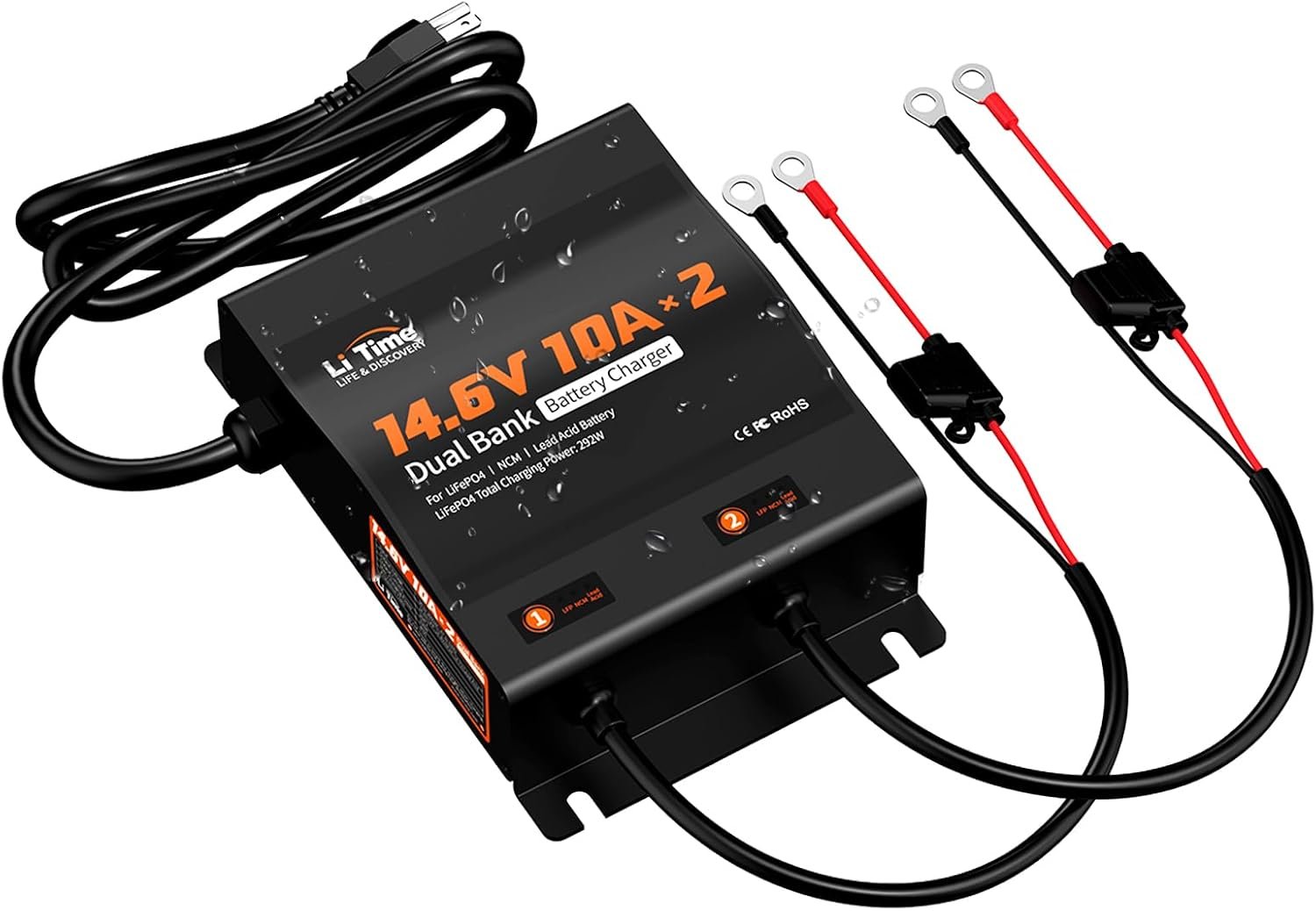
Why a dedicated charging plan matters for riders
Motorcycle electrical systems and batteries are compact and vulnerable. A dead battery leaves you stranded; a charger used incorrectly can shorten battery life or, rarely, cause damage. Riders face three common needs: keep a bike ready during storage, provide on-the-road device power, and replenish the main battery after riding or accessory use. Each need calls for a different type of charging solution—maintainer, onboard charger or handlebar/outlet USB—and those choices are governed by battery chemistry, capacity and your exposure to weather and vibration.
Before you buy, define your primary goal: long-term maintenance, faster top-up charging while parked, or on-bike powered USB ports while riding. That decision determines the features you should prioritize (voltage profile, output current, waterproofing, connectors and safety protections). This guide walks you through those trade-offs and points out sensible product examples for common rider profiles.
Understand the core categories and who they suit
There are three practical categories most riders need to consider:
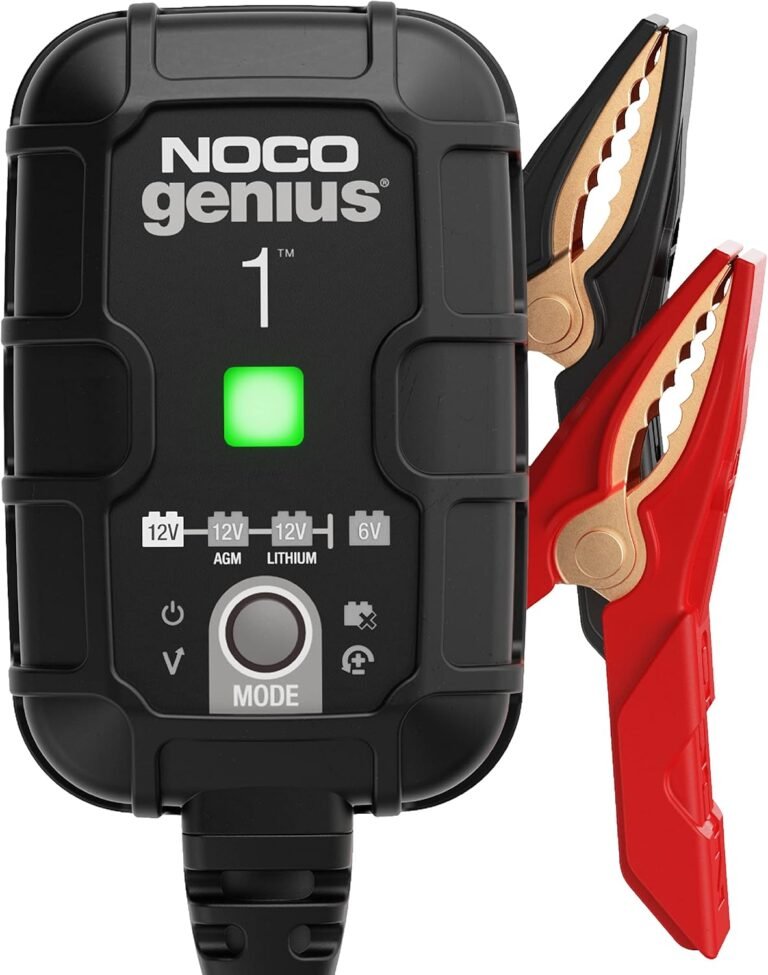
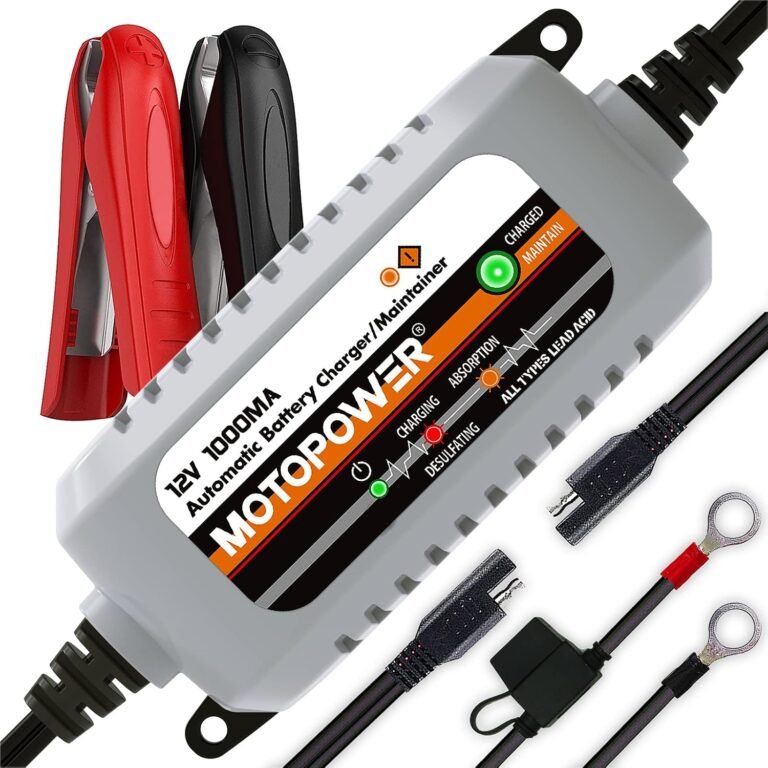
- Battery maintainers/trickle chargers – Low-current, smart units intended for long-term storage that prevent sulfation and keep batteries topped up. Best for riders who store bikes seasonally. Example: NOCO GENIUS1 (1A smart maintainer with temperature compensation and desulfation).
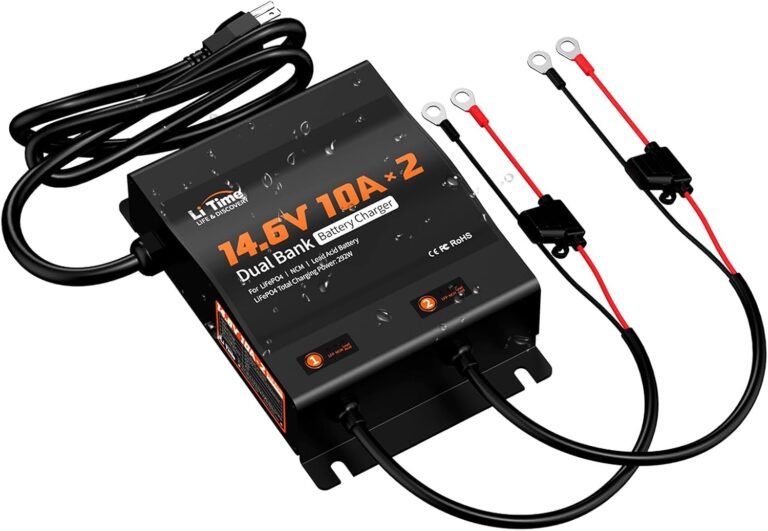
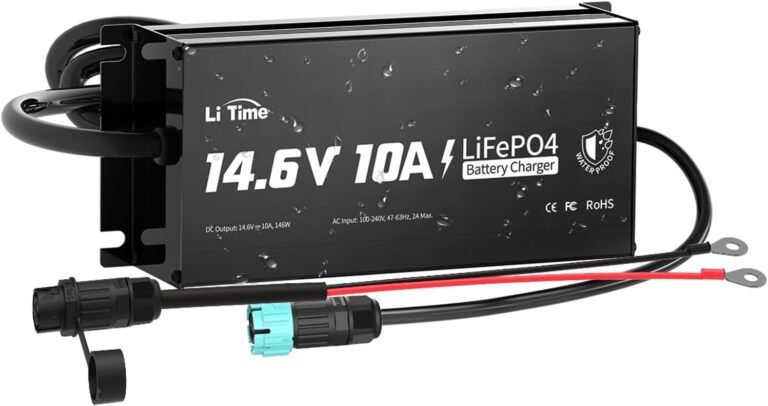
- Onboard / AC-to-DC chargers – Higher-current units you can mount or use to rapidly replenish a battery and sometimes recover packs after BMS shutoff. Suitable for riders who use LiFePO4 batteries or run accessories and want faster charge without removing the pack. Example: LiTime 14.6V 10A LiFePO4 onboard charger (IP65, 3-stage charging, 0V activation).
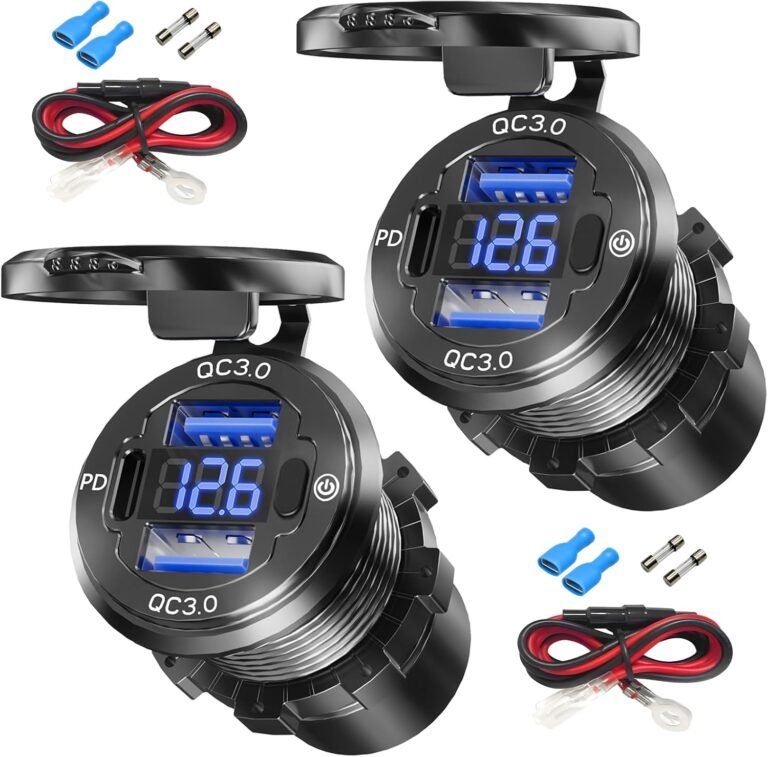
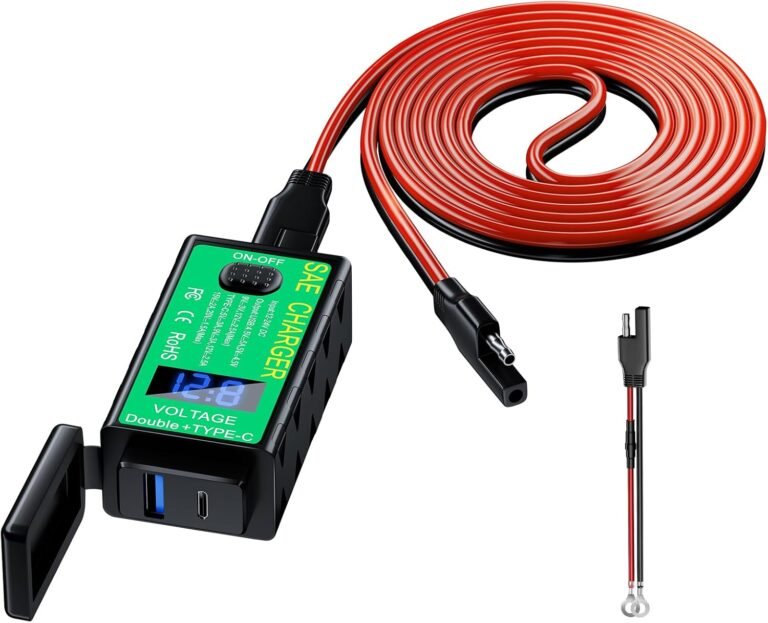
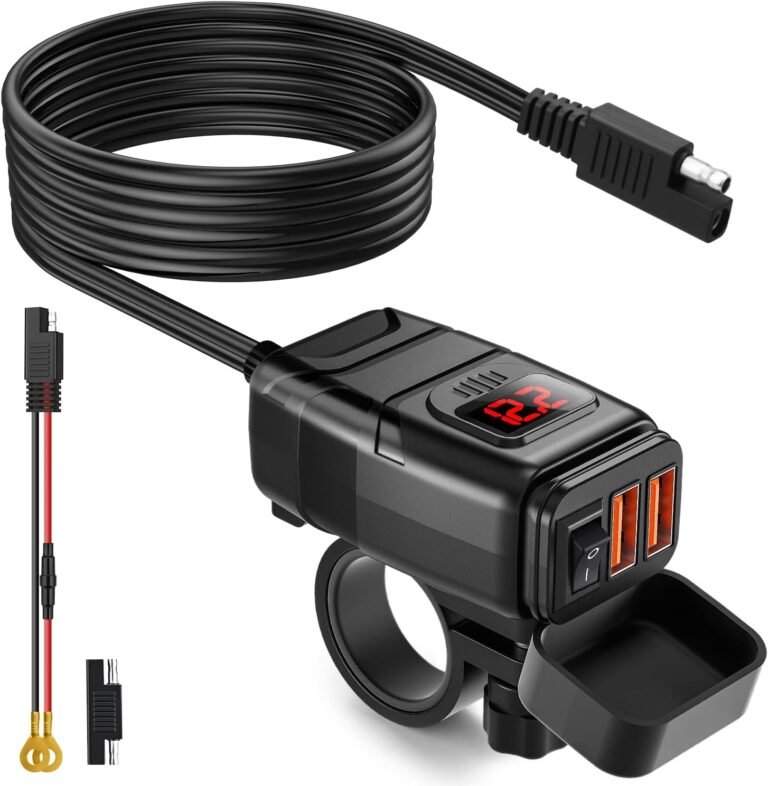
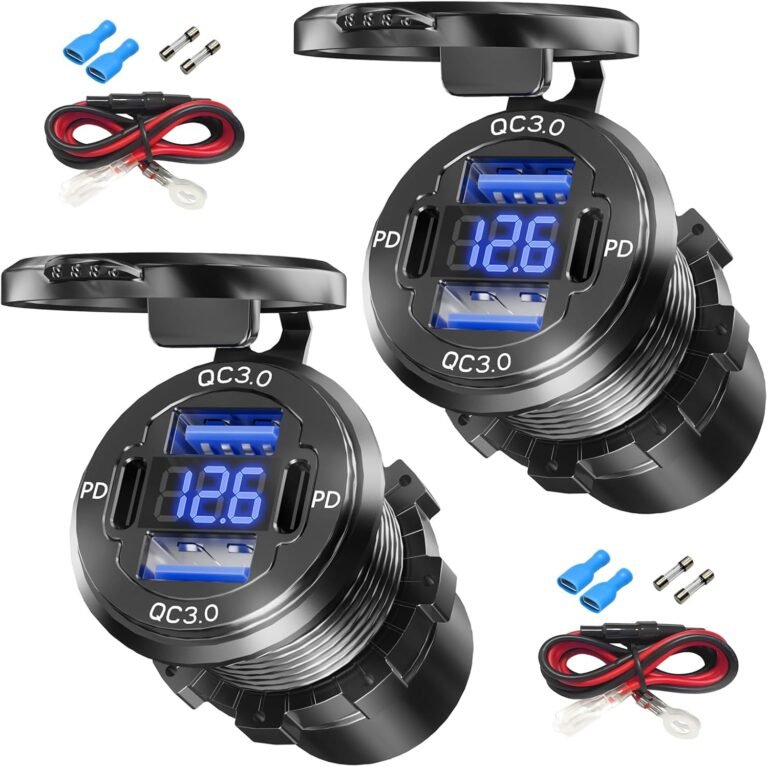
- On-bike power outlets and handlebar USB chargers – Provide 5–30W+ to phones, GPS and heated gear while riding. Choose waterproof, switched units with voltmeters where possible. Examples: VANONE 4-port aluminum outlet, EXTRACTME and YONHAN motorcycle USB chargers.
Each category has different installation and safety needs. Maintain good wiring practices and consult your motorcycle and battery manufacturer before altering the electrical system.
Key features that actually matter when choosing a charger
Focus on these features first—others are secondary.
- Battery chemistry compatibility: Lead-acid (wet, AGM, gel) and LiFePO4 require different charge profiles. For LiFePO4, many chargers use a 14.6V top voltage—confirm with your battery maker. The LiTime 14.6V chargers specify LiFePO4 compatibility and 14.6V output.
- Output current (amps): Determines how quickly a charger can replenish a battery. Higher current shortens charging time but must be acceptable to the battery’s specs. Verify the allowed charge current in your battery documentation before using a high-amp charger.
- Charge stages and smart features: Smart CC/CV and multi-stage charging (pre-charge, constant current, constant voltage) protect battery life—these are included in the LiTime and NOCO descriptions.
- Environmental protection & connectors: IP65/IP67 ratings indicate splash resistance and varying sealing levels. LiTime lists IP65 and sealed connectors suitable for exposed marine or bike installations; note IP65 is not necessarily submersible.
- Protection & certifications: Over-current, reverse polarity, short-circuit and temperature compensation are valuable. Look for CE/FCC/RoHS or manufacturer-specified certifications; LiTime and VANONE list such protections.
- Mounting, cables and connectors: Length, terminal types (M8 terminals, SAE connectors) and whether the unit includes waterproof plugs matters for a clean install. LiTime includes a 20A waterproof aviation plug to M8 terminals; NOCO provides clamps and eyelet terminals for bench/garage use.
Compatibility, sizing and a simple decision process
Follow these steps before buying:
- Identify your battery chemistry and rated charge voltage: Check the battery label or manufacturer documentation—this is non-negotiable. For example, LiTime chargers use a 14.6V output aimed at LiFePO4 batteries; only use that profile if your battery maker approves it.
- Determine battery capacity (Ah): Locate the battery’s amp-hour rating. That number is needed to choose an appropriate charger current and to estimate charge time. If you can’t find the Ah rating, consult the battery or motorcycle manufacturer.
- Choose the charger type by use case: If you store the bike months at a time, pick a smart maintainer (NOCO GENIUS1 is an example). If you want a faster onboard option and your battery supports 10A charging, an onboard LiFePO4 charger such as the LiTime 14.6V 10A makes sense. For device charging while riding, choose a waterproof USB outlet with PD/QC support (VANONE / EXTRACTME / YONHAN).
- Confirm installation constraints: Check mounting space, available AC or DC wiring, where to route cables, and whether you need an SAE quick-disconnect or fused inline harness.
- Verify protections and warranty: Ensure the unit has the protections you need and reasonable warranty or support. LiTime lists a 2-year warranty and AIG product liability coverage; NOCO offers a 3-year warranty in the product summary.
When in doubt about charge current or voltage, stop and consult the battery manufacturer’s documentation. Never assume a charger is safe for a battery chemistry or current it doesn’t explicitly list.
Trade-offs: power vs portability, onboard vs bench, and waterproofing
Every charger choice is a trade-off:
- Power vs portability: Higher-amperage chargers (10A+) replenish faster but are larger and often heavier. The LiTime 10A onboard charger provides faster charging than trickle maintainers but is heavier and requires more secure mounting than a small 1A maintainer like the NOCO GENIUS1.
- Onboard vs bench chargers: Onboard chargers allow charging without removing the battery and can be sealed against weather. Bench chargers/maintainers are portable and easy to connect in a garage. Decide whether you need permanent charging capability on the bike or occasional off-bike charging.
- Waterproof rating trade-offs: IP65-rated devices resist spray and rain—appropriate for exposed motorcycle mounts—but are not guaranteed to function when submerged. Choose the rating that matches your typical exposure: coastal/marine riders may prefer higher sealing and sealed connectors.
- Multi-port outlets vs single-purpose ports: Multi-port outlets (VANONE 4-port) provide flexibility but may have a small standby current draw (product notes mention up to 30mA). If you need zero parasitic drain, use a switched feed or mount the outlet to a switched circuit.
Installation, wiring and safety checks every rider should perform
Proper installation prevents damage and preserves safety. Key steps:
- Fuse the feed: Use an inline fuse sized for the charger and cable length. Several product listings mention included fuses (LiTime wall cord with 15A fuses or SAE harnesses with 10A fuses). Confirm fuse size with your installation and wiring manufacturer guidance.
- Use correct connectors: Prefer SAE quick-disconnects or sealed aviation connectors for exposed installs. LiTime supplies a waterproof aviation plug to M8 terminals and protective caps for outdoor use.
- Secure mechanical mounting: Vibration can damage connectors. Mount chargers to avoid excessive movement and protect cables from chafing.
- Watch for parasitic draw: Many USB outlets include a standby draw. VANONE product facts state a possible 30mA draw when the vehicle is off—if this is unacceptable, wire the outlet through an on/off switch or switched ignition circuit.
- Verify polarity and protections: Double-check polarity before connecting; many units include reverse-polarity protection but you should still wire correctly. Confirm the charger supports pre-charge and recovery modes if you need BMS reactivation (LiTime lists 0V activation).
If you’re unsure about wiring or mounts, have the installation done by a qualified motorcycle technician—electrical mistakes are common and avoidable.
Practical product examples and who they suit
Below are practical examples drawn from the RiderInstinct product facts. These are examples to illustrate types, not an exhaustive list.
- NOCO GENIUS1 (maintainer): A 1A smart charger/maintainer designed for 6V/12V lead-acid and LiFePO4 batteries up to ~30Ah (product states compatibility). It includes temperature compensation, desulfation, Force Mode for low-voltage batteries, and is intended for indefinite connection for maintenance. Best for winter storage, low-usage riders and small-capacity batteries. (See internal product page: NOCO GENIUS1)
- LiTime 14.6V 10A (onboard LiFePO4 charger): An IP65-rated 14.6V/10A charger with 3-stage charging, 0V activation, waterproof aviation plug to M8 terminals and LED indicators. Suited to riders running 12V LiFePO4 packs who want onboard recovery after BMS shutdown and faster recharge off-grid. Confirm your battery manufacturer’s recommended max charge current before use. (See internal product page: LiTime 14.6V 10A)
- LiTime 2 Bank 14.6V 10A*2: A dual-bank option that can charge two batteries simultaneously at 10A per bank—useful if you run separate accessory and starter batteries or multiple packs. Verify that both batteries are compatible with the 14.6V profile before parallel/dual charging. (See internal product page: LiTime 2 Bank)
- VANONE / VANONE 4-port outlet: Metal-bodied 4-port USB outlet with two PD and two QC3.0 ports and an LED voltage readout. Good for riders who need multi-device fast charging and a simple battery voltage indicator—note the listed standby drain of up to 30mA when the vehicle is off; wire accordingly.
- EXTRACTME / YONHAN handlebar/USB chargers: Compact SAE-to-USB adapters with voltmeters, on/off switches and waterproof caps. Best for riders who want a simple, small-footprint USB solution that attaches to handlebars with SAE quick-disconnect convenience.
Use the internal links in this guide to see full product details and confirm any installation notes and specifications before purchase.
Budget, warranties and long-term value
Budget decisions should balance initial cost with safety and longevity. A cheap USB outlet without waterproofing or protections may cost less up front but fail sooner or risk damaging devices. Consider:
- Warranty and support: Products like LiTime and NOCO list multi-year warranties and technical support—valuable if something goes wrong.
- Certifications: CE/FCC/RoHS or manufacturer safety listings indicate basic regulatory checks—prefer products that document protections.
- Upgradeable or modular systems: If you foresee adding accessories, choose chargers/outlets with spare ports or multi-bank chargers so you can expand without replacing the whole unit.
Factor installation costs if you’ll have a shop do the wiring; skilled installation reduces the risk of parasitic drains, blown fuses or poor mounts that compromise value.
Final installation checklist and next steps
Before you finalize a purchase, run through this quick checklist and then either install or schedule a professional installation:
- Did you confirm your battery chemistry and recommended charge voltage/current from the battery maker?
- Is the charger’s output voltage/profile explicitly compatible with your battery type (e.g., LiFePO4 14.6V)?
- Do you have appropriate mounting space and sealed connectors for the intended exposure (IP rating)?
- Have you planned inline fuses or breakers sized for the charger and cable lengths?
- Will any USB outlet be wired to a switched feed or include an on/off switch to prevent parasitic drain?
If any answer is uncertain, pause and verify documentation or consult a technician.