riderinstinct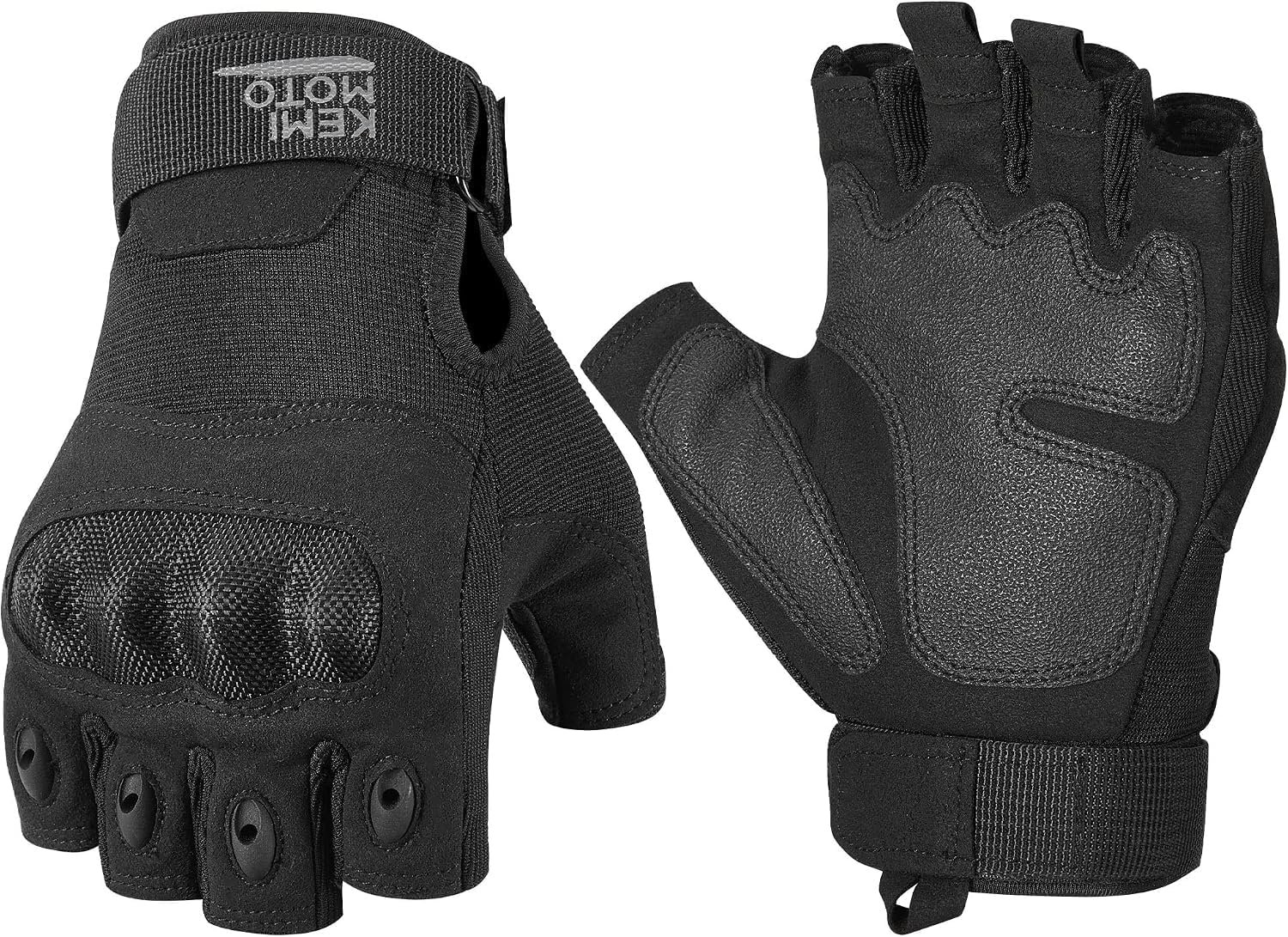
Start with your use case: a simple decision framework
Before shopping, decide what you want the gloves to do most of the time. Your primary use case — commuting, sport riding, touring, adventure/off-road, or hot-weather casual rides — should determine the priority between protection, dexterity and climate control.
Use this simple decision framework as a checklist:
- If you ride faster than local streets or do lane-splitting/urban filtering: prioritise abrasion resistance, reinforced palms, and impact protection (hard or foam knuckles) — choose full-finger armored gloves.
- If you commute short distances in hot weather or need fingertip dexterity for phones or tools: a ventilated full-finger or fingerless glove may be acceptable, but know you sacrifice finger protection.
- If you tour in variable weather: look for waterproof membranes or over-gloves, removable liners, and longer cuffs for wind sealing.
- If you ride off-road or dirt: lightweight gloves with robust palm reinforcement, flexible protection and good grip help control and reduce abrasion risk from branches and falls.
Make this use-case decision before you compare brands and features — it simplifies trade-offs and narrows the options to what actually fits your riding style.
What 'protection' really means and what to verify
Protection in gloves is about three things: abrasion resistance, impact protection and seam integrity. These determine how well the glove protects your skin and bones in a slide or impact.
- Abrasion resistance: materials like full-grain leather, goatskin, or reinforced textiles with abrasion panels are common. Product facts will usually list materials; if no abrasion standard is supplied, ask the manufacturer or seller for lab-test results or material grade.
- Impact protection: hard-knuckle shells, TPU inserts, or foam padding absorb and distribute impact energy. Some gloves quote CE certification (e.g., EN 13594) — this is useful to verify. If a listing doesn’t state certification, don’t assume it meets a standard.
- Seams and construction: seams that run along the outside of contact areas (rather than across palm crush points) reduce the chance they’ll split in a slide. Double stitching and bartacks at stress points increase durability.
Practical verification steps: check the product page or manufacturer site for CE/EN ratings, ask for abrasion test data if you ride at high speed, and look for clear descriptions of materials and seam reinforcement. If a product listing is vague, plan to treat that glove as an entry-level or casual option rather than primary protective gear.
Key glove features and the trade-offs you’ll face
Understanding common features and their trade-offs helps you pick a glove that performs where you need it most.
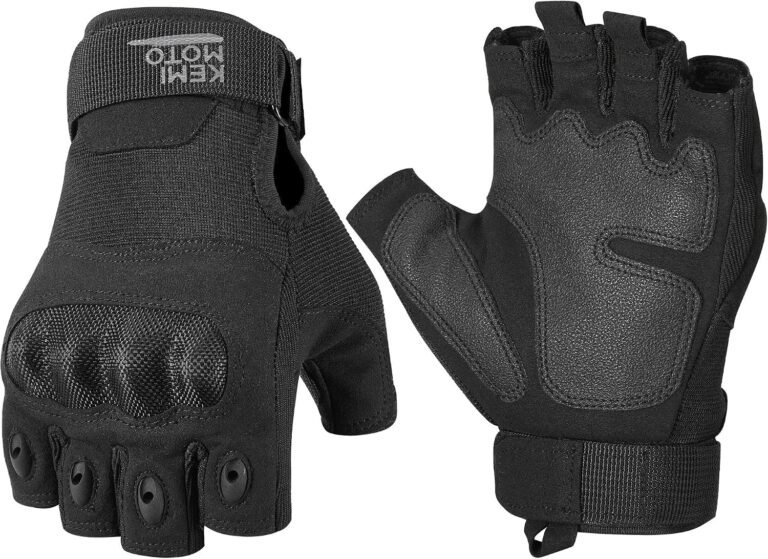
- Full-finger vs fingerless: Full-finger gloves give complete coverage and are the safer choice for road riding. Fingerless or two-fingerless gloves (see examples below like the KEMIMOTO Fingerless Tactical Gloves and Daniel Smart fingerless leather) increase dexterity and ventilation but provide limited abrasion and impact protection.
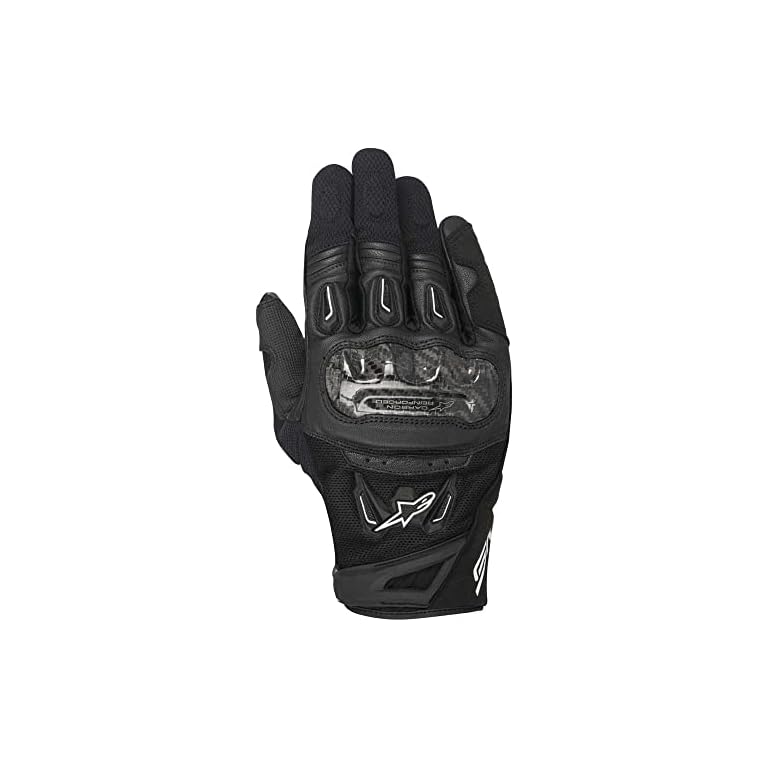
- Hard knuckle shells vs soft padding: Hard shells (TPU, carbon-look plastics) deflect impacts well but can reduce flexibility and, in some cheap designs, create pressure points. Soft foam absorbs energy and is more comfortable, but can compress over time and lose effectiveness.
- Palm reinforcement: Sliders, double-layer leather or synthetic panels reduce wear where your hands contact levers and bars. This is an important area — abrasion here is common in slides.
- Cuff length and closure: Short cuffs are easier to move in for off-road riders. Longer gauntlet cuffs provide better weather sealing and wrist protection for touring. Secure closures (Velcro, strap, buckles) keep the glove in place during a crash.
- Waterproofing vs breathability: Waterproof membranes (Gore-Tex or proprietary laminates) keep you dry at the cost of reduced airflow. For hot climates, ventilated designs or perforated leather improve comfort but are not waterproof.
- Touchscreen capability: Useful for GPS/phone use — many budget gloves include thumb/index conductive patches. Fingerless designs give inherent touchscreen access but less protection.
Remember: there’s usually a trade-off between maximum protection and maximum comfort/dexterity — choose what aligns with your most common rides.
Sizing and fit: how to measure and what to check on the bike
A correct fit is the most important single factor for both comfort and safety. Gloves that are too loose increase the chance of snagging; gloves that are too tight can restrict blood flow and comfort.
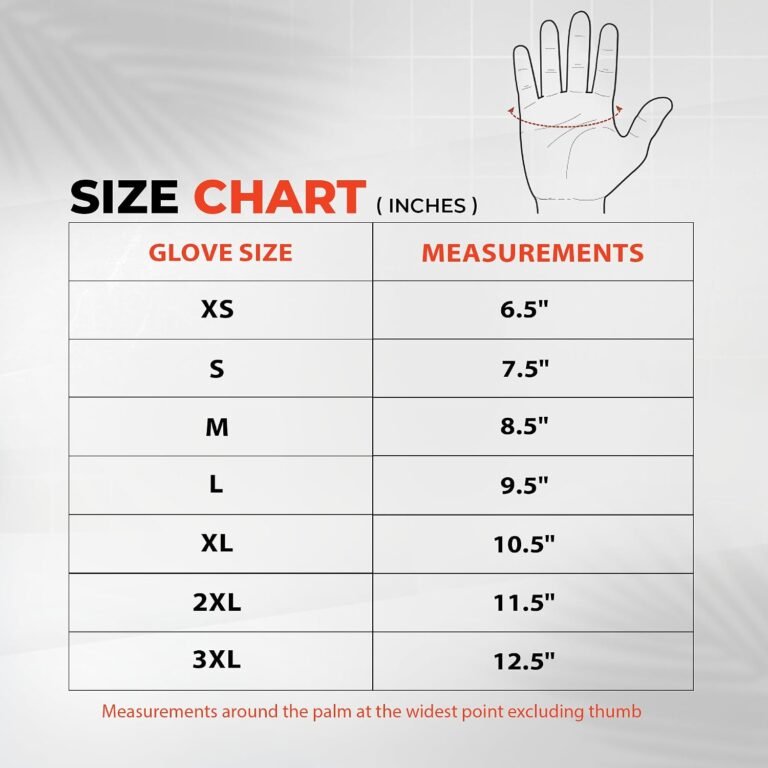
- Measure your hand: Use a soft tape measure around the widest part of your palm (excluding the thumb). Many manufacturers provide a size chart — follow that rather than guessing from clothing size.
- Check finger length and thumb position: Fingers should reach close to the fingertips of the glove without bunching. The thumb should align with the glove’s thumb seam; misaligned seams can cause discomfort on levers.
- On-bike fit check: When you have the gloves on, sit on the bike and make standard riding grips. Ensure you can fully pull the brake, clutch and operate buttons without needing to reposition. Also check the range of motion for throttle control and braking pressure.
- Seam placement: Pay attention to seams across the palm or fingertip contact areas. If you can, inspect how the glove is constructed — seams that avoid high-abrasion surfaces are preferable.
Allow for a small break-in period, especially with leather gloves. If you intend to layer liners underneath (for cold climates), try the gloves with the liners in place during the fit check.
Climate considerations: choosing for hot, cold, wet and variable weather
Glove choices change dramatically with climate:
- Hot weather: Ventilated leather with perforations or textile gloves with mesh panels improve airflow. Fingerless gloves offer maximum ventilation but no finger protection. Examples: the Daniel Smart Aniline Goat Leather fingerless glove and KEMIMOTO fingerless tactical option emphasise airflow and gel palms for comfort.
- Cold weather: Look for insulated liners, thicker materials, longer cuffs, and windproof membranes. Removable liners let you adapt across seasons.
- Wet weather: True waterproof gloves use a membrane; however, waterproof gloves are generally less breathable. Consider waterproof over-gloves (rain covers) if you only occasionally ride in rain.
- Variable climates: Layering is the best solution — use thin liners with a breathable outer in warm weather and add an insulating or waterproof layer when needed.
When a product description claims water resistance or insulation, check whether that’s a membrane, a coating, or simply thicker material. Each behaves differently in a multi-hour ride.
Dexterity, controls and touchscreen use
Control feel is crucial: you must be able to modulate brakes, clutch and throttle precisely. That typically means a snug fit across the palm and fingers and thin but durable material at the fingertips.
- Touchscreen tips: Many gloves add conductive material on the thumb and index. This works but is not universal across all phones and touchscreen cases. Fingerless gloves provide direct access but at the cost of protection.
- Brake and clutch feel: Look for gloves with a thin, reinforced material where you hold the controls — this balances tactile feedback with abrasion protection.
- Grip enhancements: Silicone prints, anti-slip mesh and gel padding can improve control and reduce fatigue. The KEMIMOTO Fingerless Tactical Gloves, for example, feature anti-slip mesh grip and reinforced palms to improve control for light riding and outdoor tasks.
If you rely on precise clutch/brake modulation (sport riding, tight urban riding), favour gloves offering good tactile feedback and a snug fit rather than thick, bulky padding at the fingertips.
Maintenance, expected lifespan and when to replace gloves
Gloves are consumables. Regular inspection and maintenance extend their usable life, but you should replace them when protective elements degrade.
- Inspect for abrasion: If palm leather or reinforcement shows visible thinning, replace the glove — the next slide will wear through faster.
- Check impact protectors: Foam padding can compress and hard shells can crack. If knuckle protectors feel loose or cracked, replace them.
- Seam integrity: Frayed or split seams in high-stress areas reduce protective value.
- Cleaning: Follow manufacturer instructions. Leather needs conditioning (and avoid aggressive detergents). Textile gloves can often be wiped or gently hand-washed — check tags or the product page.
- Storage: Keep gloves dry and away from direct sunlight to avoid material breakdown.
There’s no set mileage for replacement: inspect after any crash, and consider seasonal replacement if materials have degraded or protective elements feel compromised.
Real examples and who they suit
Below are rider-focused examples from the supplied product facts and RiderInstinct saved reviews. Use them to map a real glove to a riding profile — each entry states strengths and meaningful limitations.
- KEMIMOTO Fingerless Tactical Gloves (ID 3216) — Strengths: reinforced microfiber palm, anti-slip mesh grip, ventilation and fingertip dexterity. Best for: riders and outdoor users who prioritise breathability and touchscreen access for light commuting, gym work or yard tasks. Limitations: fingerless design offers limited abrasion/impact coverage; no certification supplied. (See our review: KEMIMOTO Fingerless Tactical Gloves Review: Breathable Fingerless Option.)
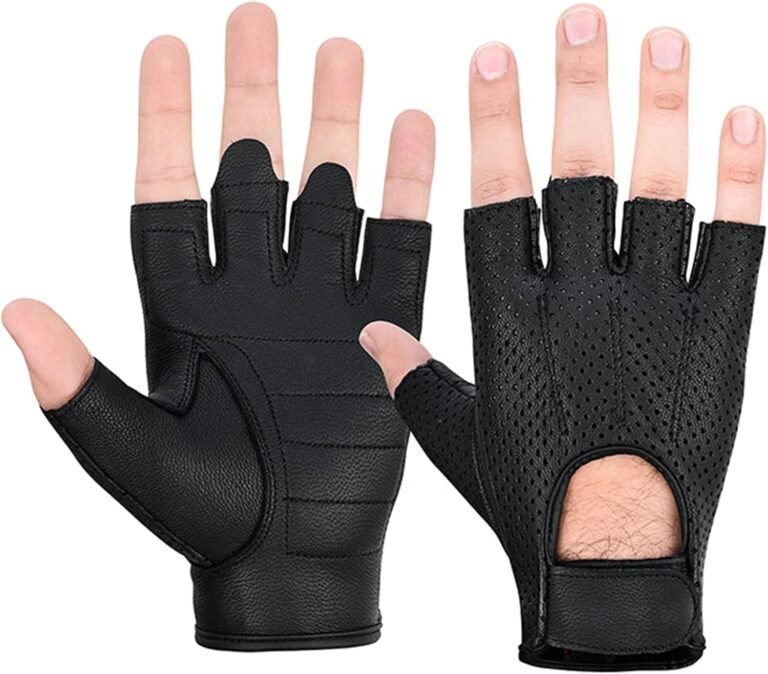
- Daniel Smart Aniline Goat Leather Gloves (ID 1502) — Strengths: premium aniline goat leather, perforated panels for airflow, gel-padded palm and pull tabs. Best for: warm-weather commuters who want a comfortable, breathable leather option with good palm comfort. Limitations: fingerless style reduces finger protection; no hard knuckle armour specified.
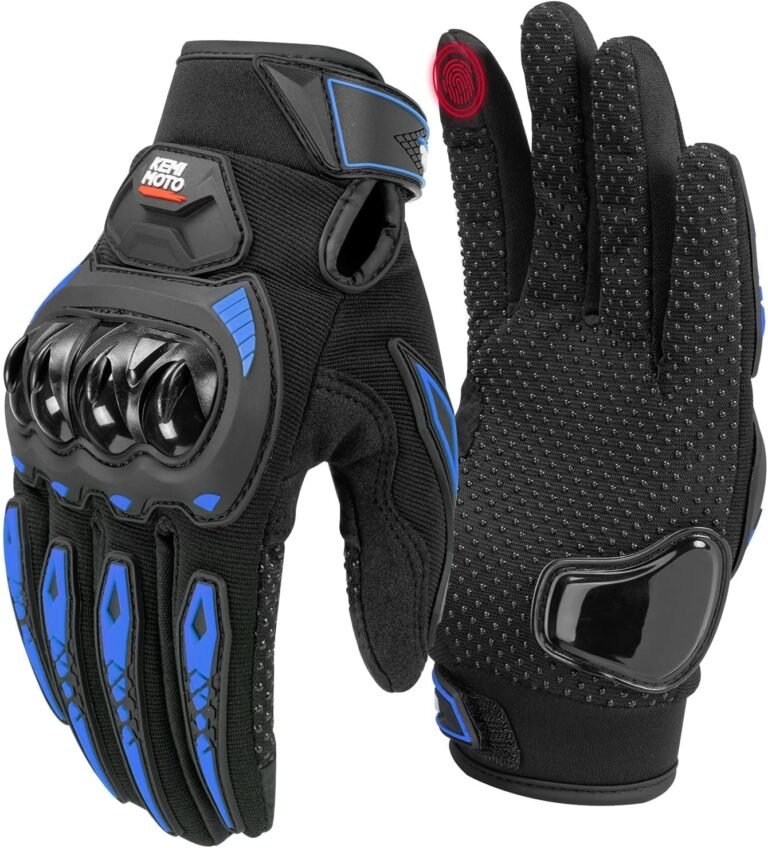
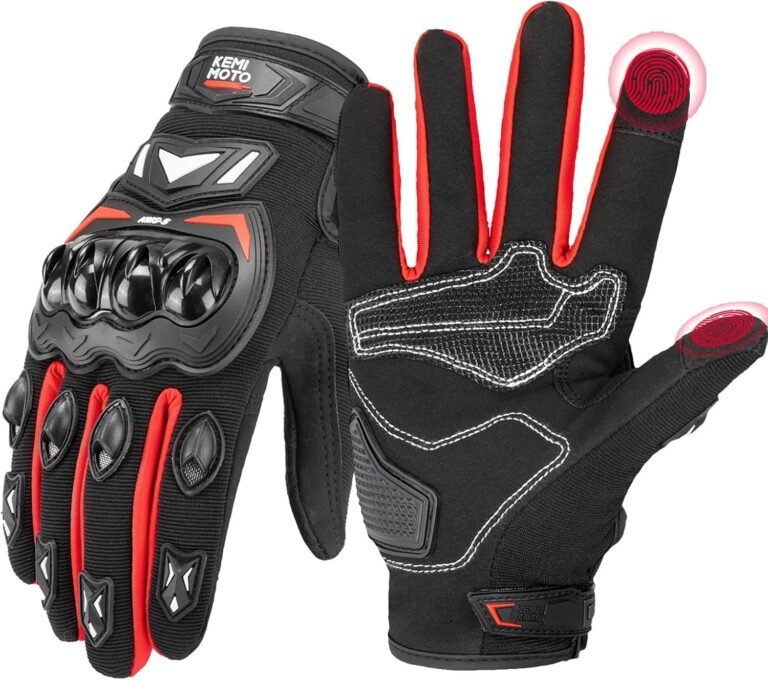
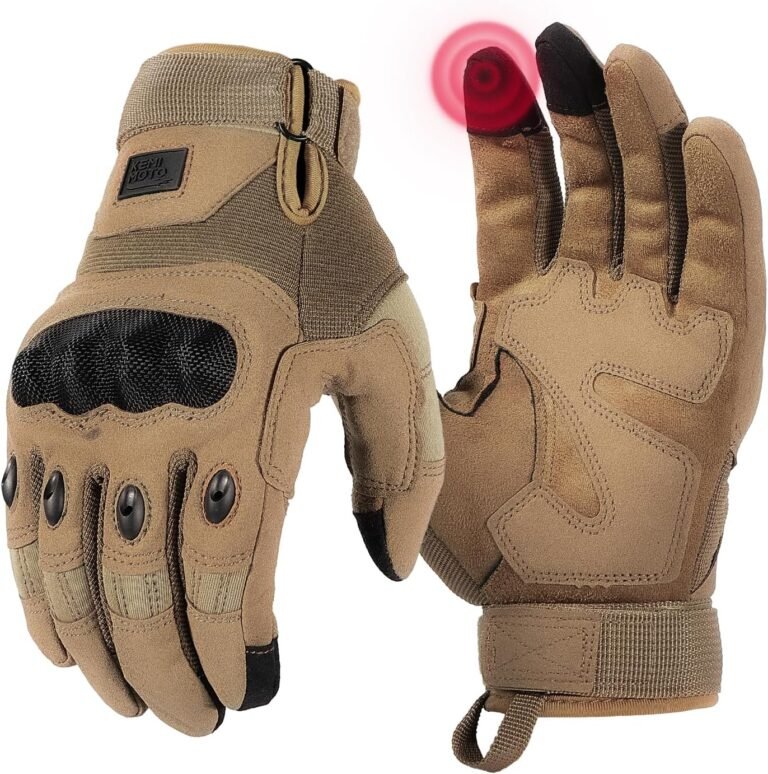
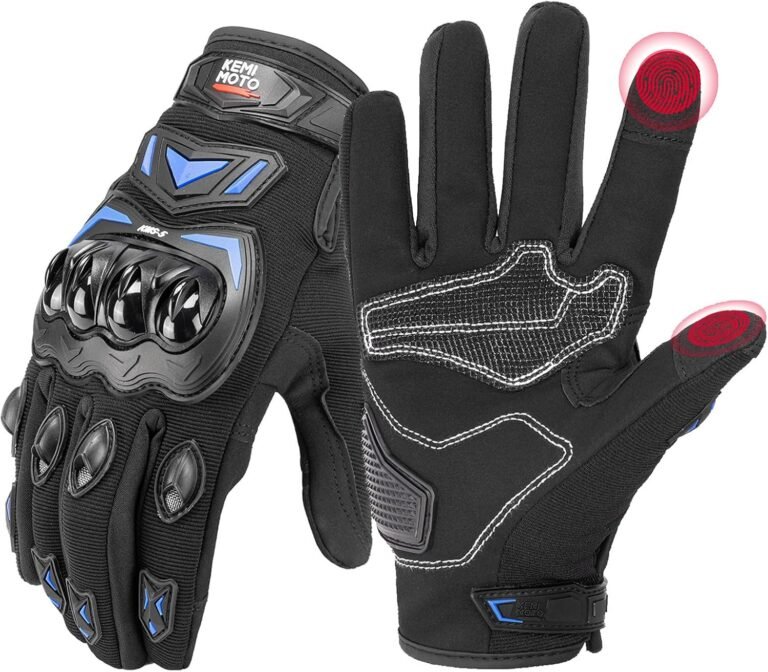
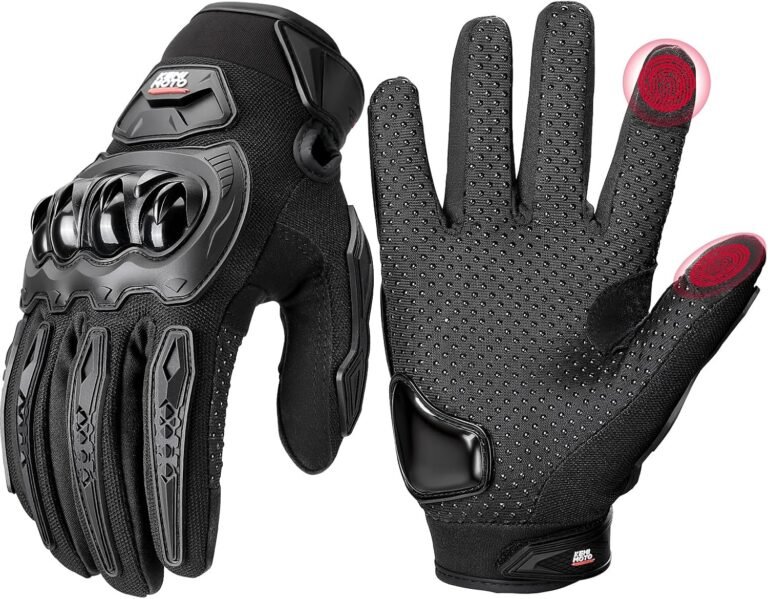
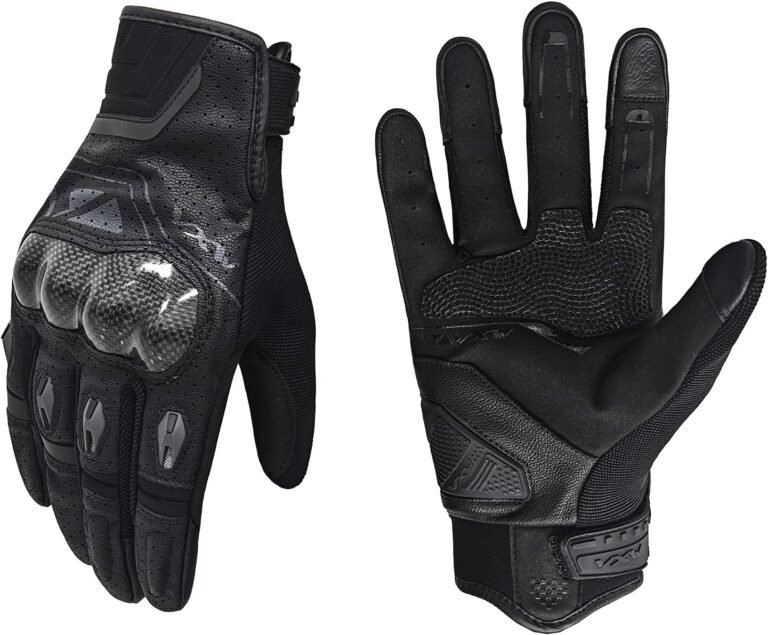
- KEMIMOTO Touchscreen Cycling / Riding Gloves (ID 1757 / 2381 / 1239) — Strengths (from product facts): abrasion-resistant palms, backhand protective shells or PVC hard-knuckle options, touchscreen fingertips and breathable materials. Best for: casual riders, dirt-bike and ATV users who want low-cost gloves offering backhand protection and touchscreen access. Limitations: supplied facts do not list certification or consistent material grade across variants—verify the exact listing and sizing before relying on them for high-speed road use. See: KEMIMOTO Motorcycle Gloves review for specifics.
- Premium leather, gel-padded hard-knuckle options (e.g., “Motorcycle Gloves for Men – Premium Leather Gel Padded Breathable Hard Knuckle Biker Gloves”, ID 2671) — Strengths: hard knuckle, gel palm and premium leather construction can offer good impact abrasion balance. Best for: riders who want the look and basic hard-knuckle protection for street use. Limitations: when a listing lacks certification data, verify protective standards and seam construction before assuming performance at high speed.
These examples show the range from breathability/dexterity-first gloves to leather and hard-knuckle designs. Pick the style that matches your risk tolerance and common riding conditions, and verify the exact variant and size on the product page before buying.
Final considerations before you buy
Practical steps before checkout:
- Decide your primary use and pick the protective level to match it (commute vs touring vs sport).
- Measure your hand and compare to the manufacturer size chart; if possible, try gloves on with your bike controls before committing.
- Verify protection claims: look for CE/EN ratings or ask the seller if none are stated. For safety-critical use, documented standards matter.
- Consider a backup or secondary glove: a breathable summer glove and a waterproof insulated glove for cold/wet rides cover most conditions.
- Keep expectations realistic on low-cost gloves: many budget options provide good value for casual use but lack lab-tested protection or long-term durability guarantees.
Follow the above and you’ll pick a pair that matches your riding style while minimising surprises in comfort, fit and protection.