riderinstinct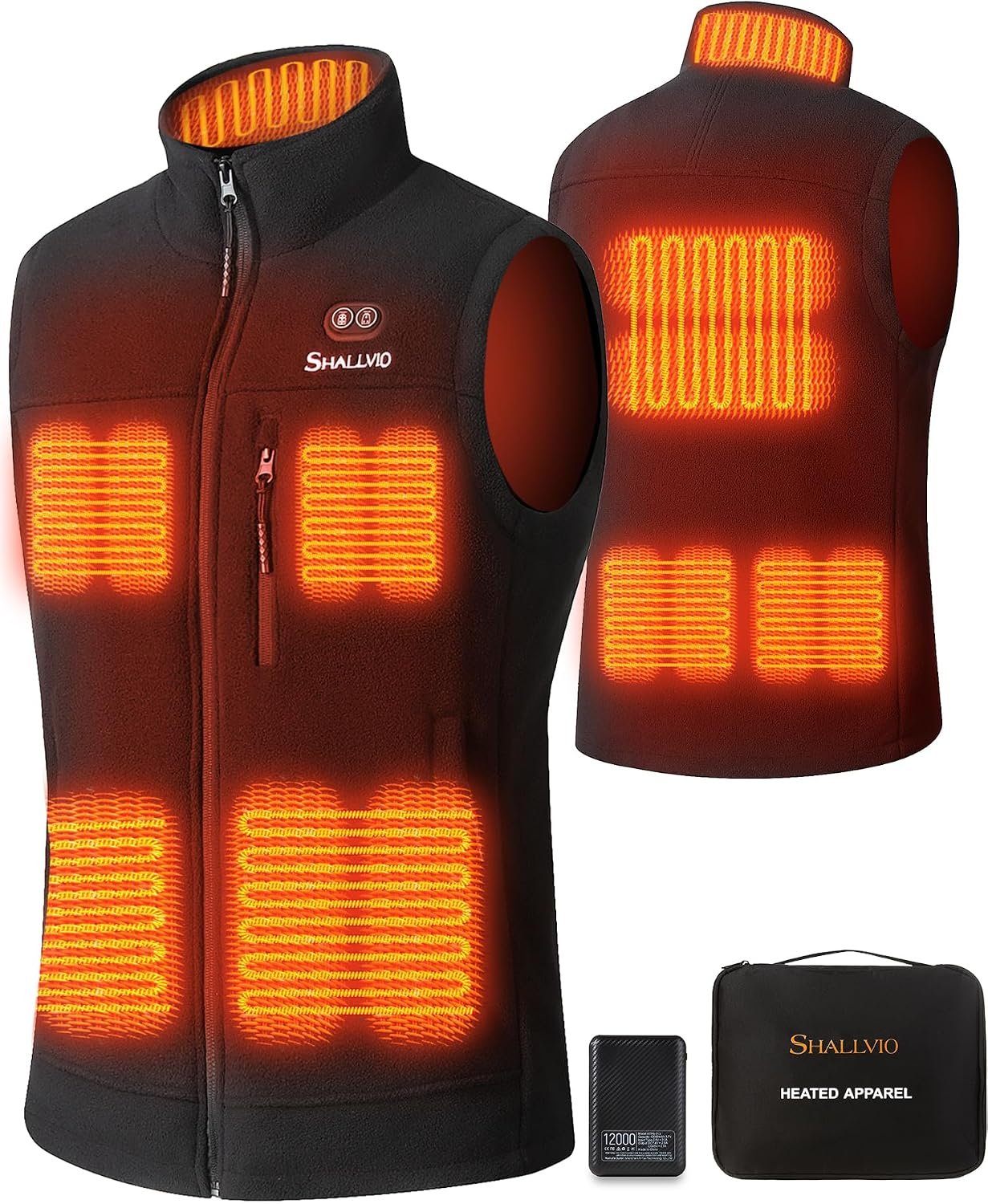
How to think about heated gear before you shop
Heated clothing is not magic—it’s a way to add controlled warmth where your body loses heat under riding conditions. For motorcyclists that usually means hands and the core (chest/upper back). Before you start comparing products, decide two foundational things: your power approach and the role heated clothing will play in your layering system.
Power approach: Do you want battery-powered kit you can use off the bike, or a system that draws from the motorcycle’s 12V electrical system? Batteries are portable and quick to install; 12V gear (liners/jackets) tends to deliver longer runtime and avoids carrying a separate pack, but requires either a compatible connector or a hardwired install.
Layering role: Heated garments are mid-layers. They’re designed to be worn under a riding shell or over a thin base layer. Don’t buy heated gear expecting it to replace abrasion-protective motorcycle clothing—unless the product explicitly claims protection and the manufacturer provides certification. In practice, most riders get better comfort by pairing heated core layers (vest or liner) with heated gloves.
Decision framework: what to prioritize and why
Use this simple checklist to prioritize features when comparing items:
- Power source & voltage: 7.4V, 12V, USB — they aren’t interchangeable. Confirm the voltage and connector type before buying.
- Heating zones: Chest/back vs. pockets vs. full-torso. More zones can mean better comfort distribution but more points of failure.
- Run-time & battery specs: Look for battery voltage and capacity (mAh or Wh). If a listing gives only run-time, treat it as an estimate—cold, wind and heat setting change performance.
- Controls: Simple on-garment buttons are easy; Bluetooth apps add flexibility but also complexity and potential reliability issues.
- Fit & washability: Can the garment be machine washed? Do you remove the battery first? How slim is it for layering under your jacket?
- Compatibility & connectors: Standard DC barrel sizes (e.g., 5.5×2.1mm) and proprietary plugs exist. Verify compatibility with your bike’s port or a universal battery.
Start with your use case (commute, touring, short rides) and then filter products by the list above—this keeps you from being swayed by features that won’t matter for your situation.
Types of heated gear and who each suits
Heated gear comes in several categories. Know their strengths and trade-offs:
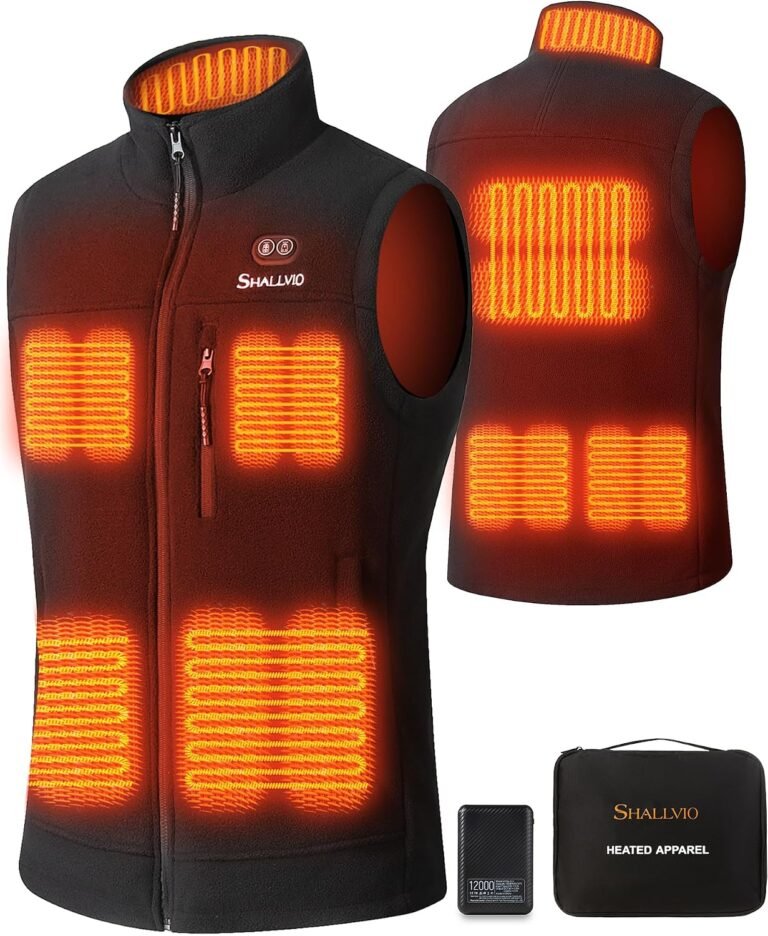
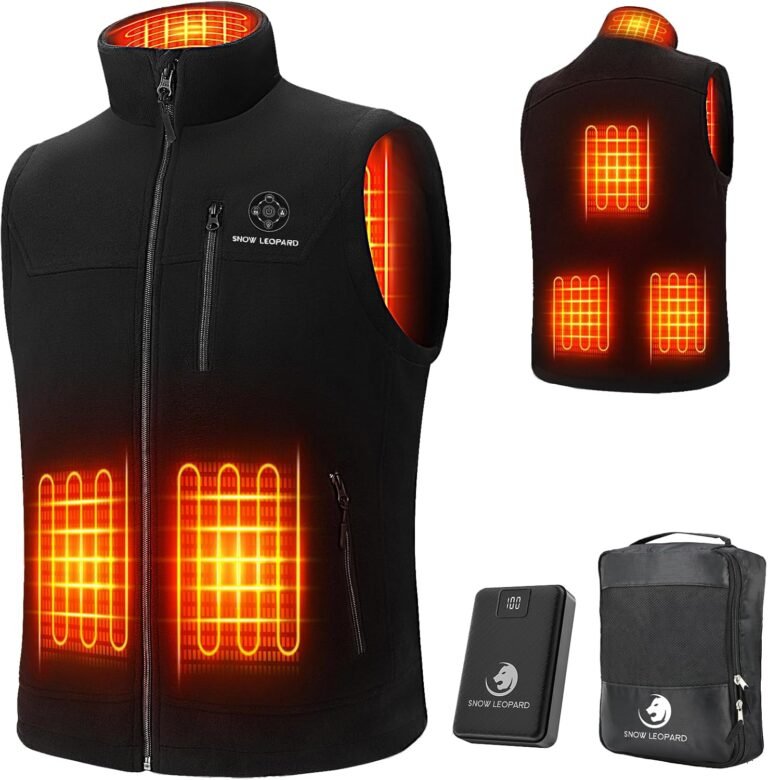
- Heated vests (battery or included battery): Lightweight mid-layers that concentrate heat on the torso. Good for commuters and riders who want portable heat you can also use off the bike. Example from the supplied product facts: a men’s fleece heated vest title indicates a 7.4V 12000mAh battery with 8 heating zones—that demonstrates a battery-powered vest designed as a standalone heating layer.
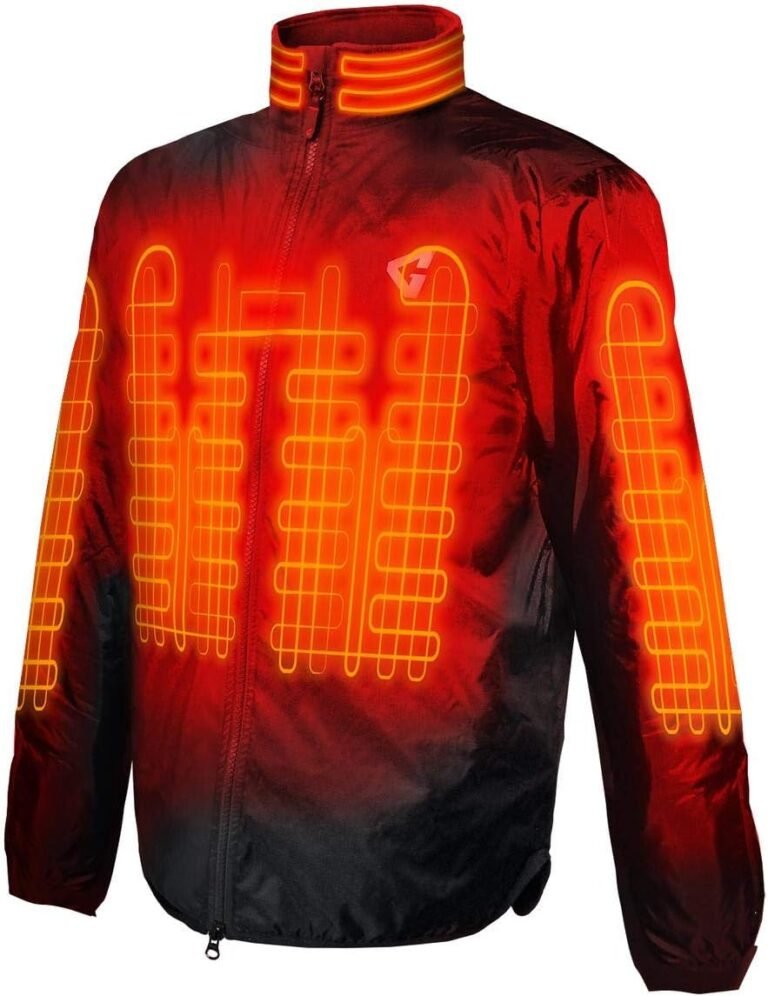
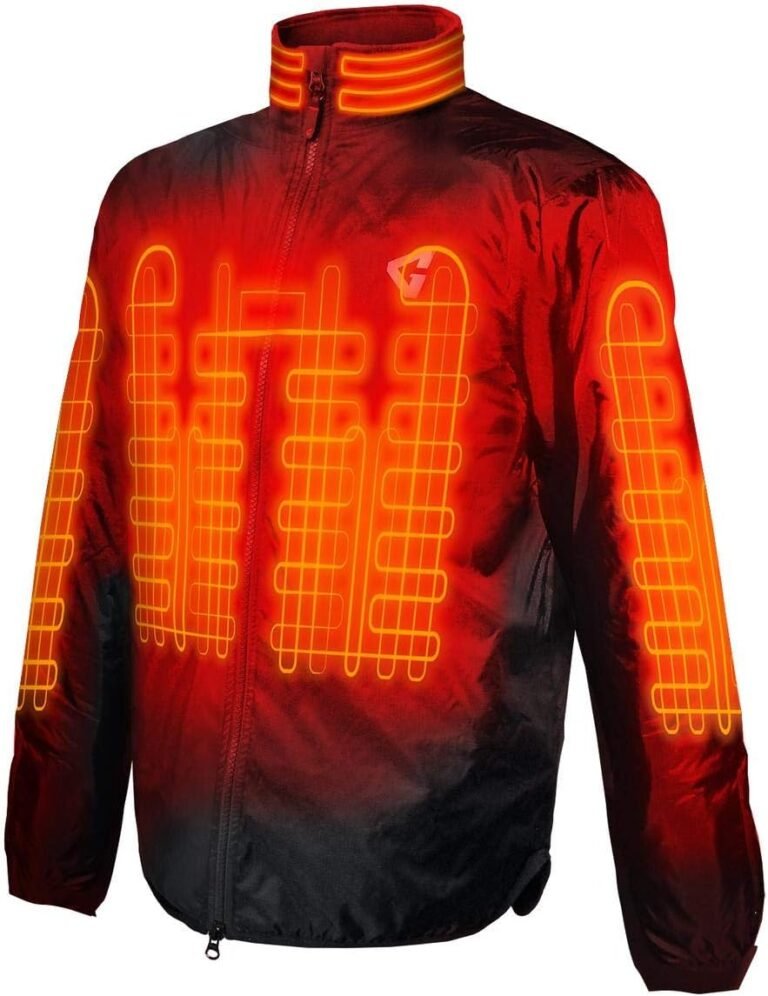
- 12V jacket liners: Designed to plug into the motorcycle’s 12V system. They usually have longer continuous runtime and avoid carrying a battery pack. Gerbing’s 12V Heated Jacket Liner is a classic example: compact and purpose-built to run from the bike’s electrical system. Best for tourers, commuters with access to a power port, and riders who prefer integrated systems.
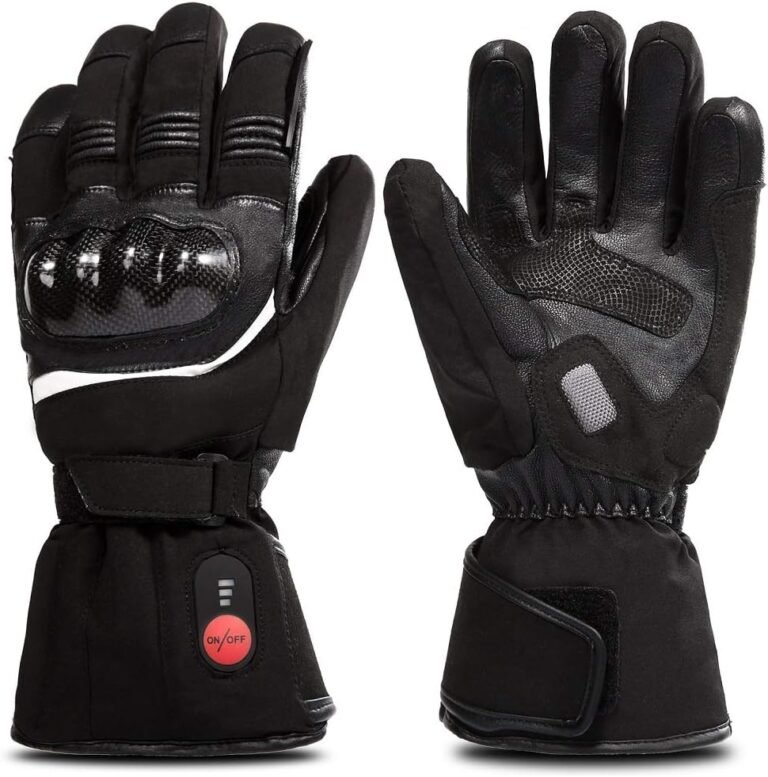
- Heated gloves: Top priority for comfort while riding—hands get cold quickly and affect control. Listings for heated gloves often include battery capacity and claimed runtime (for example, certain gloves list 7.4V 2200mAh batteries with up to 7–8 hours runtime).
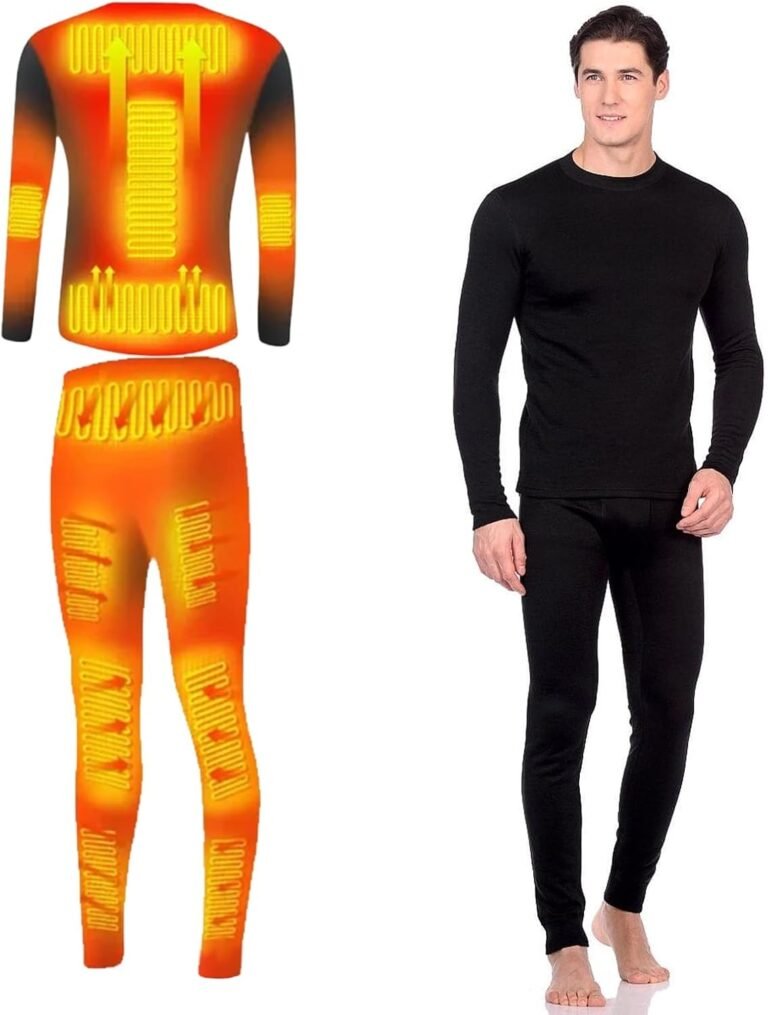
- Heated underwear & pants: Useful for very cold conditions, but difficult to size and layer; they often rely on USB/battery power and may require careful washing instructions.
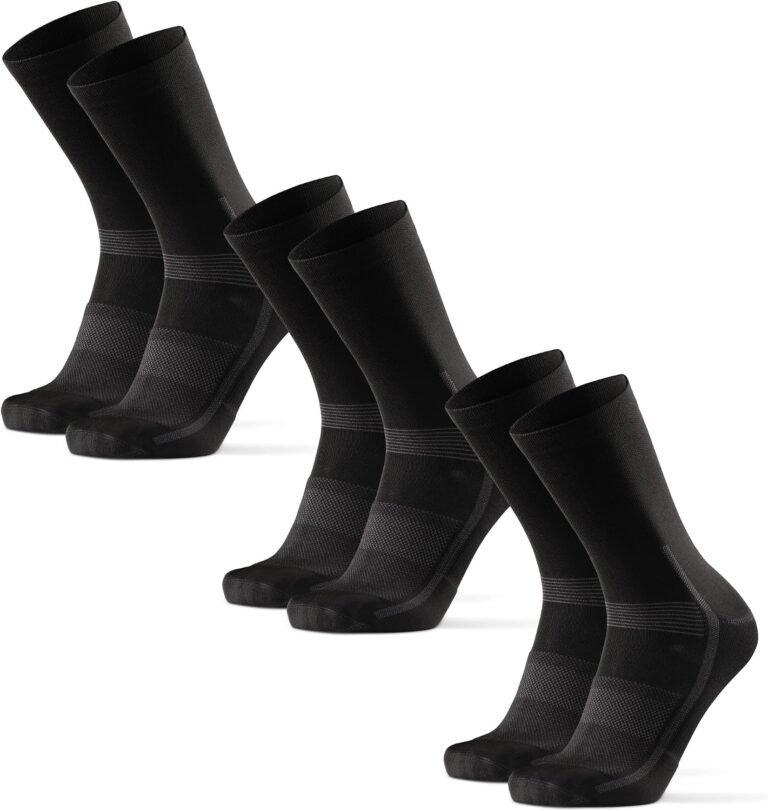
- Heated socks: Good for riders who suffer cold feet; typically battery-powered and a complement rather than primary gear.
Which riders suit which gear?
- Commuters: Battery vests + heated gloves—portable and quick.
- Tourers/long-distance riders: 12V liners or high-capacity 12V-compatible batteries to avoid frequent swaps.
- Cold-weather sport riders: Combination of heated liner + gloves + optional heated pants/socks depending on exposure.
Power choices: batteries, 12V systems and how to compare them
Understanding power is central. Listings give either battery specs (voltage and mAh) or run-time estimates. Both matter.
Voltage matters because a heated garment is built for a specific supply: many glove/battery combos use 7.4V packs; jacket liners usually run on 12V. Don’t force a 7.4V device into a 12V supply—unless an adapter and voltage regulation are explicitly provided.
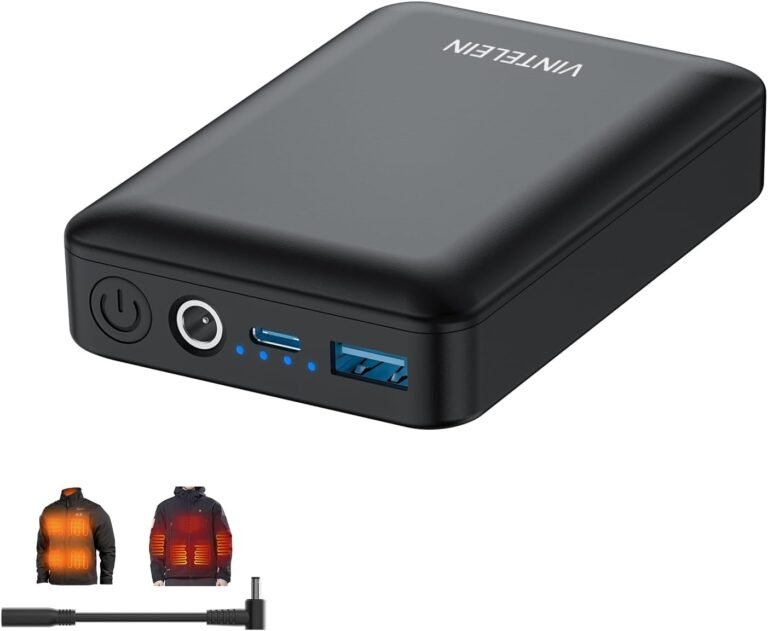
Capacity and runtime: Capacity is often quoted in mAh (milliamp-hours) or Wh (watt-hours). For 12V systems, Wh is more useful (Wh = V × Ah). For example, a supplied 12V heated jacket battery pack lists 15,000mAh at 3.85V (three cells) and a total of 57.75Wh—manufacturers convert cell specs into practical run-time claims (the listing claims up to 8 hours for a 12V jacket). Those run-time claims are a starting point; real-world runtime will be less on high heat settings, in strong winds, or with poor insulation.
Trade-offs:
- Battery packs: portable and usable off the bike, easier to fit into pockets; need charging and have finite life cycles.
- 12V hardwire/plug-in: longer run-time, no carrying of batteries, but depends on bike power and typically requires a wiring kit and connector compatibility check.
Practical tip: if you want flexibility, choose battery gear that uses standard connectors or buy a high-capacity, compact power bank (the supplied PD45W 15000mAh pack shows how a compact high-capacity 12V-compatible battery can power a heated jacket for extended use and can also recharge devices).
Heat control, zones and realistic runtime expectations
Not all heat is created equal. Two features control comfort: where the heat is delivered (zones), and how you control it (fixed buttons vs app, number of settings).
Zones: More zones let you concentrate heat where you need it. A men’s vest listing with 8 heating zones suggests distributed warmth across torso areas. For most riders, a focused chest/back zone plus heated collar or pocket areas is sufficient—gloves remain the priority.
Controls: Simple three-step buttons are reliable and easy with gloves and vests. Bluetooth/app controls offer more granularity but add complexity (battery drain and potential connection issues). Choose simplicity for daily commuting and app control if you want adjustable scheduling or remote tweaks.
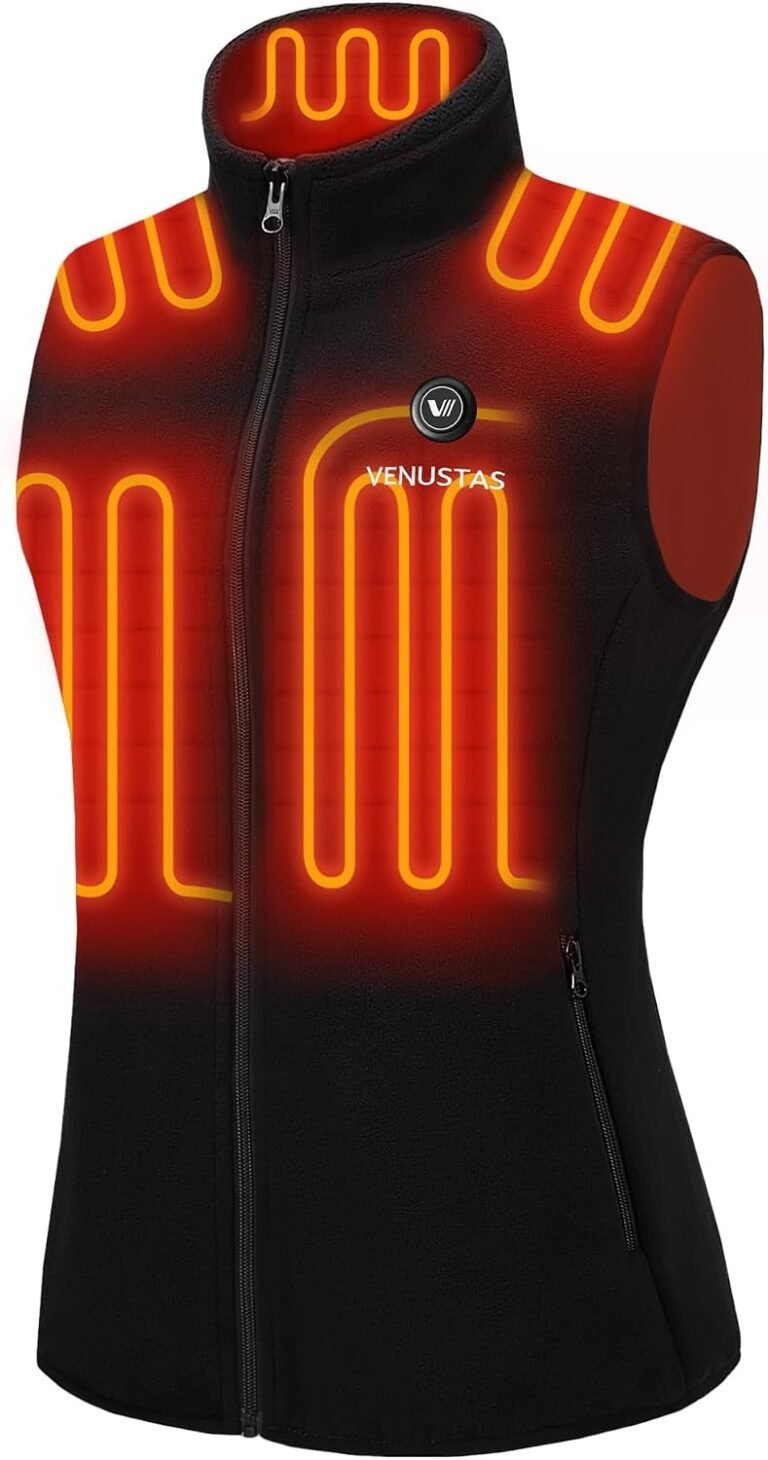
Runtime expectations: Use listing run-times as best-case scenarios. For example, certain heated gloves list runtimes of up to 7–10 hours depending on battery size and heat setting, while a heated vest listing claims up to 10 hours for some models (Venustas’ women’s fleece heated vest marketing claims up to 10-hour runtime and 3 heat settings). These are helpful guides, but real conditions—windchill on a moving motorcycle, wet gloves, and your chosen heat level—will cut into those numbers. If you depend on long rides in extreme cold, err on the side of higher capacity or 12V solutions.
Fit, layering and compatibility with protective gear
Fit is twice as important with heated gear: too loose and the heating elements won’t keep you warm; too tight and you’ll compress insulation and possibly reduce comfort. Heated garments are usually mid-layers. That means:
- Try the heated garment over your usual base layer and under your riding jacket. If ordering online, verify sizing charts and return policies.
- Check whether the product listing states machine-washable construction and whether the battery must be removed first—Venustas lists machine-washable fleece and YKK zips, but the manufacturer’s product facts omit battery details, so verify battery inclusion.
- Confirm armor compatibility—heated liners are intended to sit under jackets and over textile or armored shirts, but many heated vests are not designed to be worn as a protective outer shell.
- Connector compatibility: common DC barrel sizes exist (e.g., 5.5×2.1mm and 4.0×1.7mm). The supplied 12V battery pack listing recommends verifying whether your heated gear uses a 5.5×2.1mm or a 4.0×1.7mm input port before buying. Don’t assume universal fit; check the product manual or seller if the listing omits connector details.
Safety, washing and maintenance you must follow
Heated gear contains wiring and batteries—treat it like any electrical device and follow manufacturer instructions.
- Washing: Most heated garments are machine-washable only if batteries and controllers are removed. The electric heated underwear listing notes that the power interface is insulated and the garment is machine washable after removing the battery; it recommends using a laundry bag. Always remove batteries before washing unless the maker explicitly states otherwise.
- Battery care: Lithium batteries degrade over time and with misuse. Follow the manufacturer’s charging instructions and avoid storing batteries fully discharged for long periods. The supplied 12V PD45W pack claims fast PD charging and safety protections (over-current, over-temperature, short-circuit protection). These protections are important—prefer packs and batteries that list safety features.
- Water and abrasion: Waterproof claims vary. A water-resistant outer shell is different from fully sealed electrical connectors. If you ride in heavy rain, confirm the product’s IP or water-resistance claims. For protective abrasion resistance, don’t assume: Venustas’ heated vest listing explicitly notes it is not a replacement for motorcycle protective outerwear.
- Wiring & installation: If you hardwire a liner to your motorcycle, use a fused connection and follow the wiring kit instructions or consult a shop to avoid draining the battery or creating a fire risk.
Practical recommendations by rider type (and sample product facts to check)
Use-case driven advice shortens your shopping time. Below are common rider profiles and the solution that best matches each one.
- Daily commuter in cold weather: Battery heated vest + heated gloves. Look for easy charging and long claimed runtime so you don’t swap batteries mid-week. The supplied men’s fleece heated vest naming a 7.4V 12000mAh battery and multiple zones is an example of a battery-first solution you can also use off the bike.
- Long-distance tourers: 12V heated liner (plug-in) or a high-capacity 12V-compatible battery pack. Gerbing’s 12V Heated Jacket Liner is purpose-built to run from the motorcycle. A compact 12V PD45W 15000mAh battery pack in the supplied facts can also provide long runtimes and portability if you need off-bike use.
- Riders who get cold hands quickly: Heated gloves are top priority. The supplied SAVIOR HEAT glove listing shows carbon-fiber shells, multiple heat settings and battery-run runtimes—good examples of what to look for in heated gloves: reliable controls, decent battery capacity and water resistance layers.
- Weekend cold-weather riders: Combine a thermal mid-layer or fleece heated vest with heated gloves, and add heated underwear or socks only if you’ll be exposed for long periods. The supplied electric heated underwear listing claims multiple temperature modes and USB powering—verify washability, connector type and sizing before buying.
When comparing specific models, use the product facts to confirm: battery voltage and capacity, claimed run-time, heating zones, whether a battery is included, wash instructions, and any noted compatibility with motorcycle 12V systems.
Budget, longevity and long-term value considerations
Cheap heated pieces can be tempting but evaluate total cost of ownership:
- Battery replacement costs: Batteries wear out. If a product uses proprietary packs, factor in the replacement cost into your long-term budget.
- Repairability: Wiring or element failure can make a garment unusable. Brands with clear warranty and support are worth the extra spend if you plan heavy seasonal use.
- Resale and multi-use value: Battery-powered vests and gloves have higher resale and multi-use value because you can use them off the bike. A 12V liner is great on a bike but less useful off the motorcycle.
- Real world durability: Look for robust zippers (Venustas lists YKK zippers), reinforced stitching around pockets and battery compartments, and reputable connectors. These small build details matter over seasons of use.
In short: don’t buy the cheapest battery without checking run-time and safety features, but don’t overspend on features you won’t use (for instance, app control for simple commuting is unnecessary complexity).