riderinstinct
Why body armour matters and how to think about trade‑offs
Body armour reduces the risk of serious chest, spine and shoulder injuries in falls and from roost/rocks. Unlike helmets, there’s no single design that suits every rider and every terrain—so choosing the right armour is about matching protection type to your typical risks.
Think in three buckets: impact protection (hard shells, foams, certified inserts), abrasion resistance (textile jackets and hard shells), and fit/retention (how the armour sits and stays in place during a slide or crash). The trade-offs you’ll make are familiar to riders:
- Coverage vs. heat: More coverage (full jackets, long spine pieces) protects more, but mesh or minimal vests are cooler.
- Mobility vs. protection: Hard, integrated shoulder caps limit range slightly compared with soft inserts, but they can prevent severe joint injury.
- Weight vs. wearability: Heavy armour can protect more but you must be willing to wear it on each ride—protection that sits unused in a garage is worthless.
Before you look at products, be clear about your riding: commuting/e‑bike, casual trail, aggressive enduro, or competition. That single decision should guide the rest of your choices.
Protection types and what they actually do
Body armour is built from a mix of materials and parts. Understanding what each does helps you match risks to protection.
- Hard shell panels (polypropylene, injection‑molded PVC, PE): deflect impacts and roost. Good at preventing punctures from branches or debris and spreading force over a wider area.
- EVA / foam liners: absorb and dissipate energy. Thicker foam improves blunt-force damping, but very thick foam can reduce comfort and mobility.
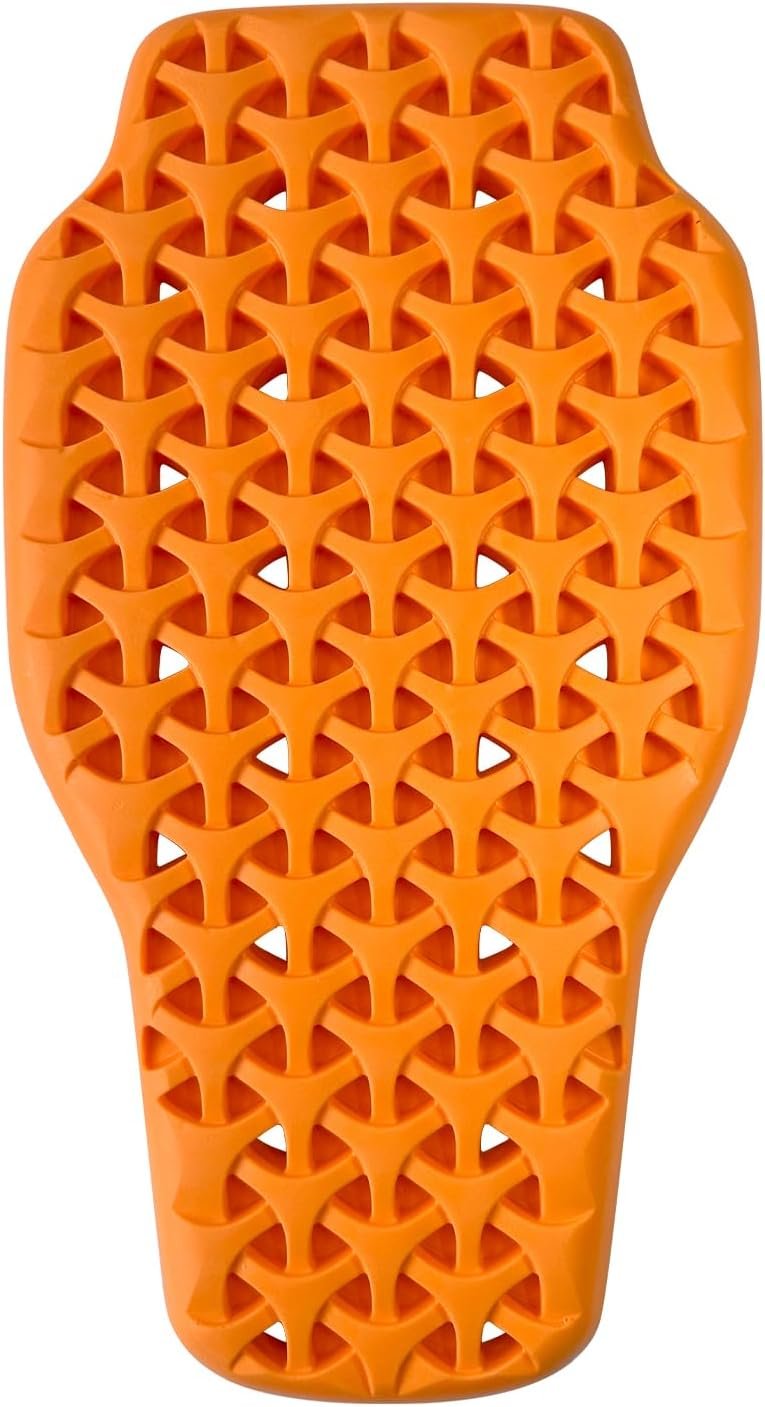
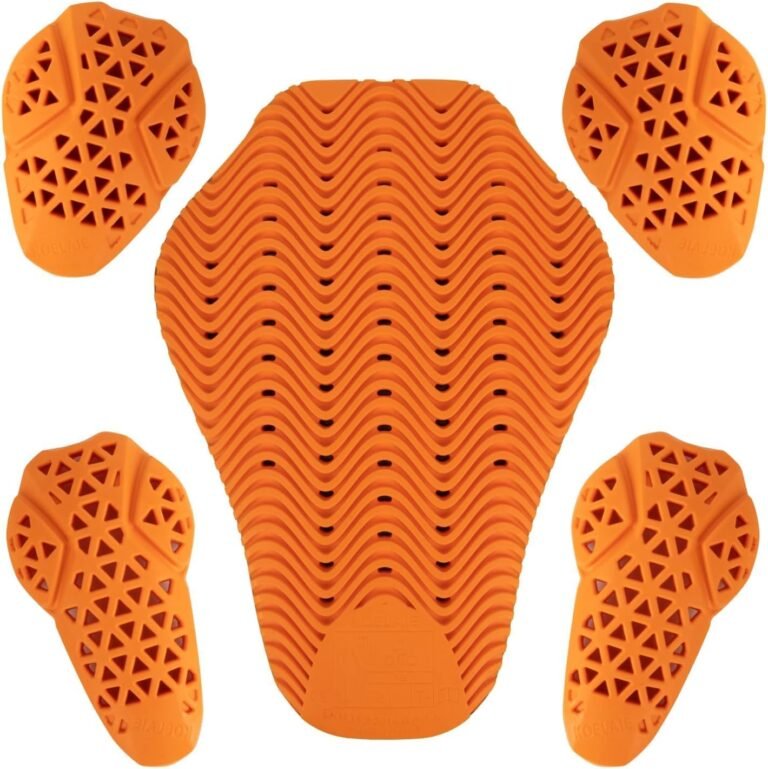
- Soft CE-rated armor inserts: energy‑absorbing pads certified to standards (explained below). They fit into jackets or shirts and balance flexibility with tested impact performance.
- Full textile jackets with abrasion‑resistant outer shells: these combine impact inserts with fabric designed to resist slide abrasion—better for on-road crashes where sliding is more likely.
Each approach has limitations. Hard shells protect from pointy impacts and roost well, but alone they’re not a substitute for a textile abrasion layer at road speeds. Foam cushions small-to-medium hits but may compress under repeated impacts. That’s why the use case (speed, terrain, expected hazards) must determine the combination you choose.
Certifications and how to verify them
When you plan to ride at higher speed or race, certification matters. The commonly referenced standard in motorcycle protective equipment is the EN/CE system for impact protectors (EN 1621‑1 for limb protectors and EN 1621‑2 for back/spine; levels like “Level 1” and “Level 2” indicate test performance). But listings and marketing text can be incomplete or misleading.
Before buying armour for high‑risk or high‑speed use, verify three things with the seller or manufacturer:
- Which standard is claimed (eg. EN 1621‑1 or EN 1621‑2), and which level (Level 1 or 2).
- Where the certification testing was done and whether a certificate document is available for download (product model and batch numbers should match the certificate).
- What exactly is certified: the back insert, shoulder pads, chest insert, etc. (sometimes only the back protector is certified).
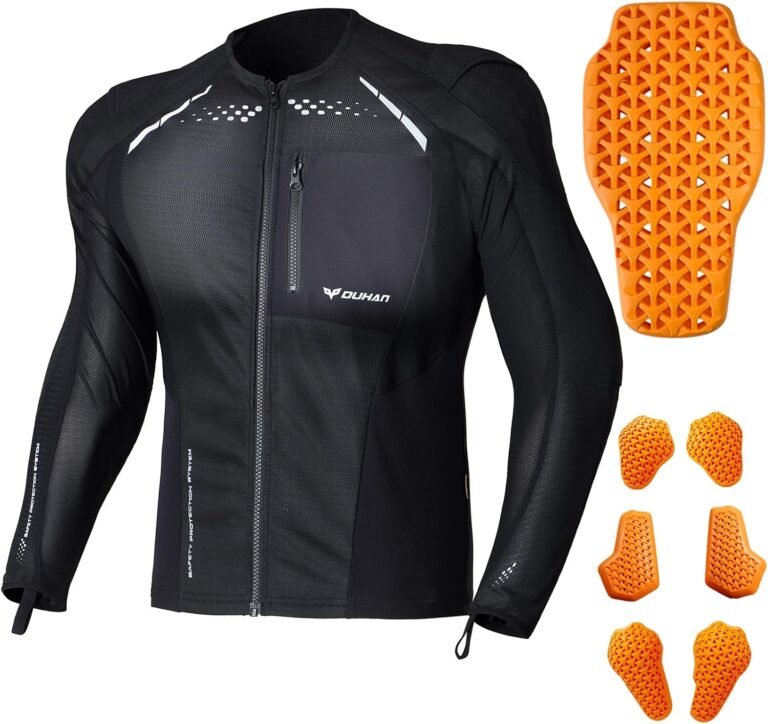
Note: Some products in our source list state “CE Level 2” in the listing (for example, DUHAN jacket and DUHAN mesh shirt). Treat those claims as a starting point—ask the manufacturer for the certificate or test report before relying on the product as your primary protection for race or high‑speed use.
Coverage: vests, jackets, and full‑body armour—who they suit
There are three common coverage approaches. Match them to riding style:
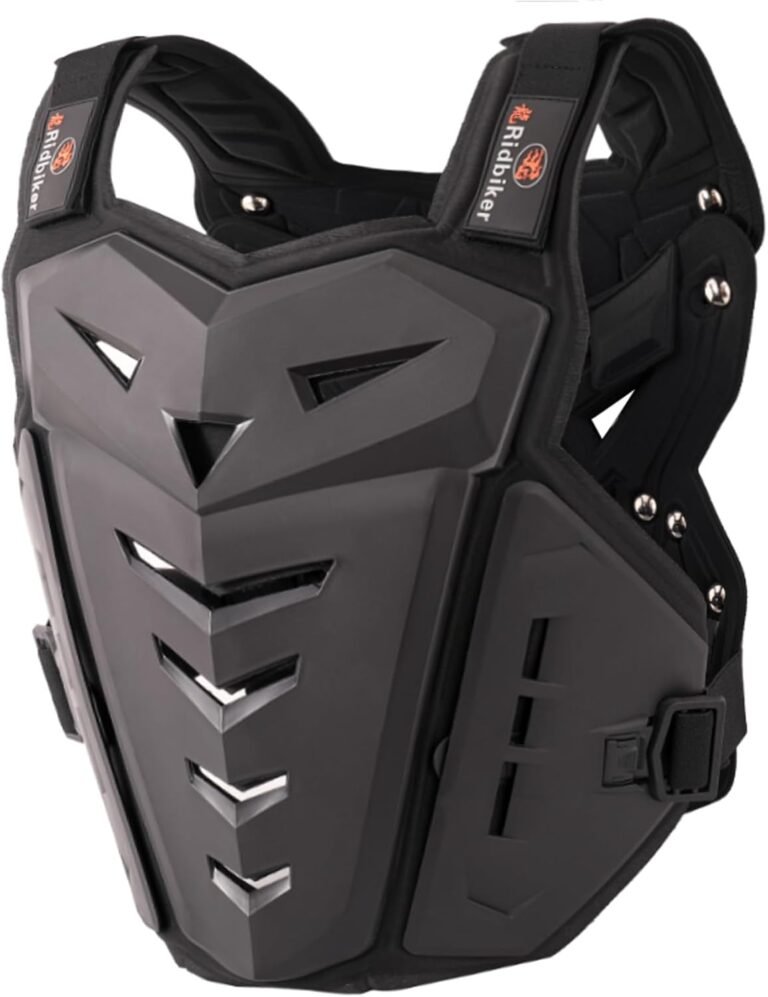
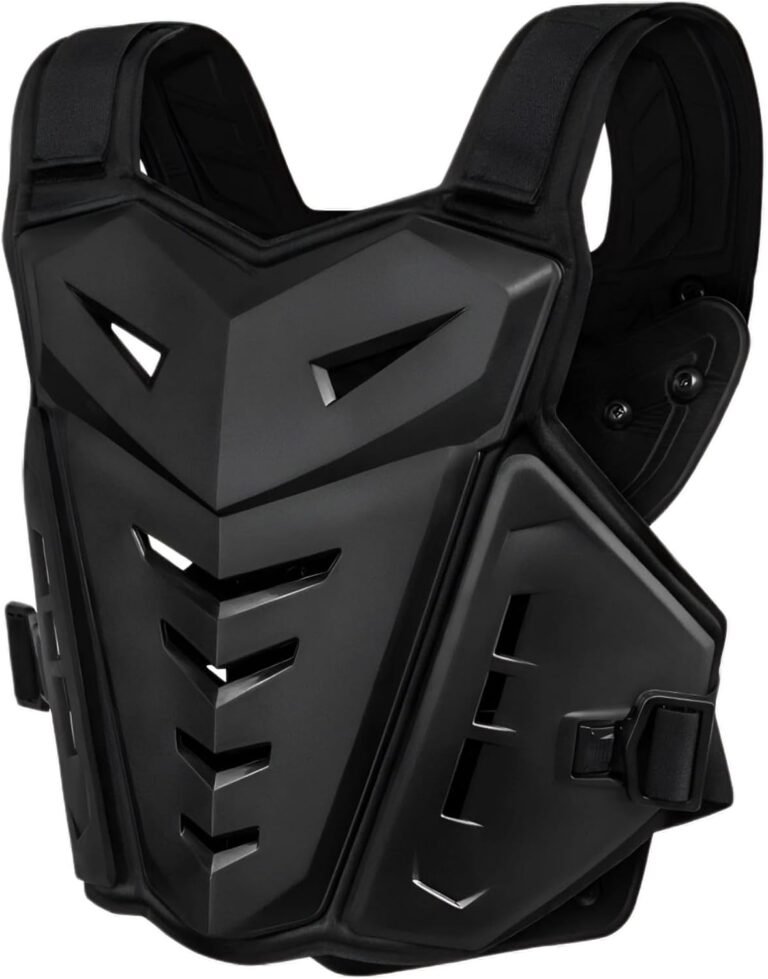
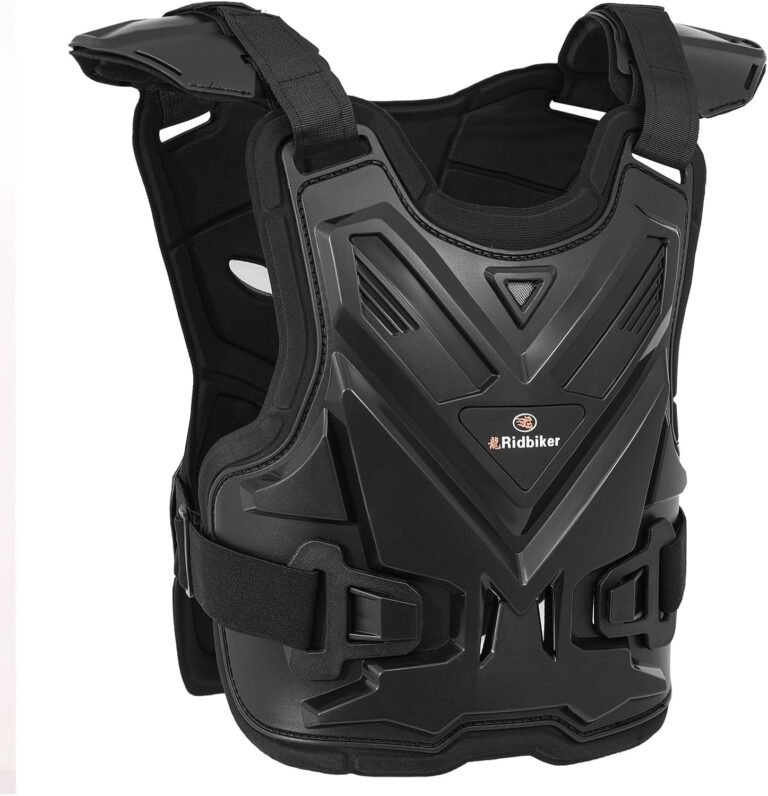
- Chest & back vests / MTB‑style vests: Lightweight, ventilated, often with hard chest plates and a rear spine piece. Best for mountain biking, trail riders, e‑bike commuting and youth riders. Example in our product set: the Heyjieyu/”Motorcycle Body Armor Vest” items—lightweight, breathable and adjustable; reviewers say they’re comfortable for long trail rides but flag side‑strap hardware as a weak point.
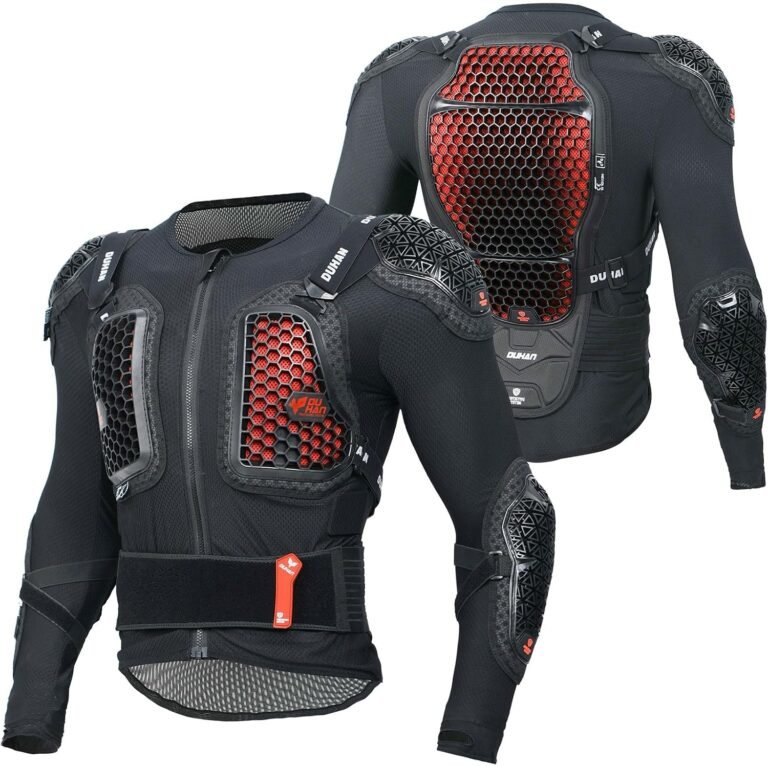
- Mesh/armoured shirts and jackets with CE inserts: Provide certified impact protection (if the inserts are truly EN‑rated) while remaining ventilated. Good for off‑road riders who want tested protection and for hot‑weather commuting. Examples from our list include DUHAN’s CE Level 2 jacket and DUHAN mesh motorcycle shirt; both list CE Level 2 panels—verify the certificate and fit before purchase.
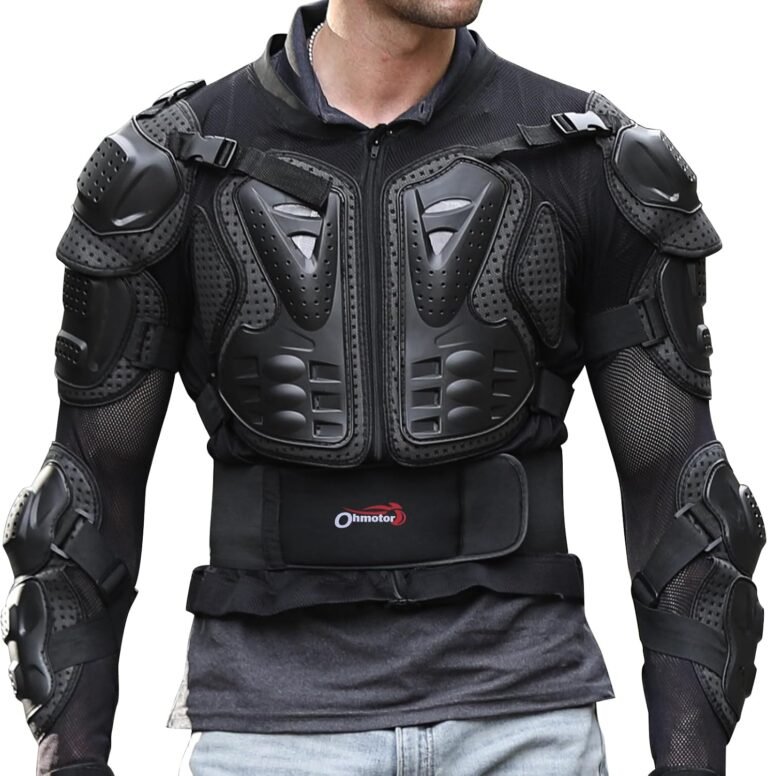
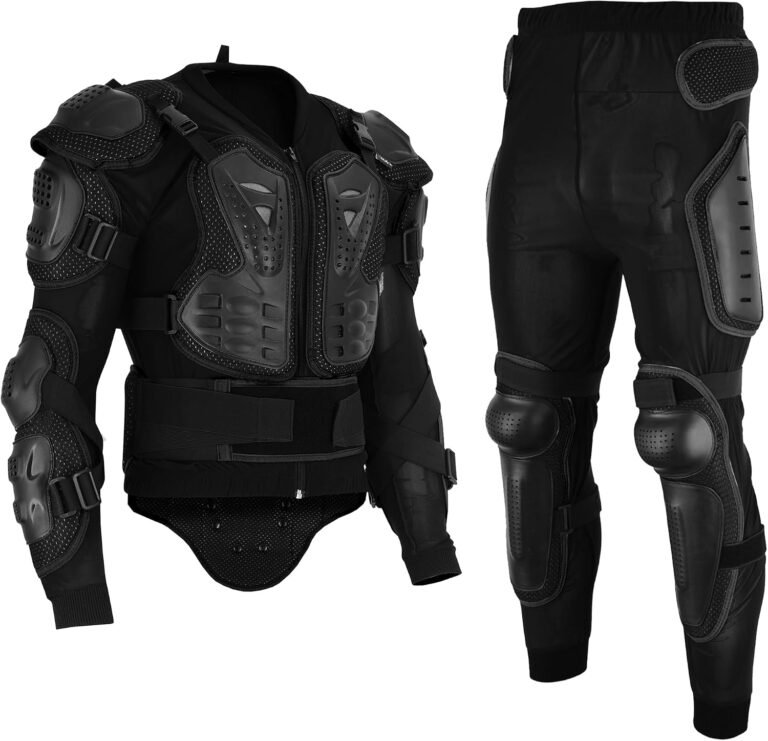
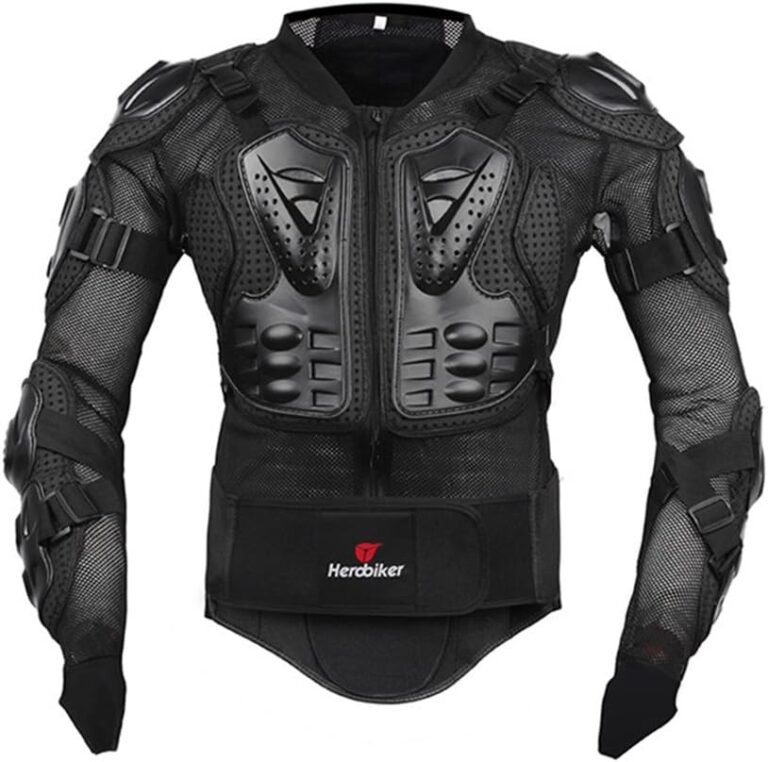
- Full‑body / full‑coverage jackets: Motocross style shirts with integrated shoulder, elbow and chest shells plus spinal inserts. They give broader protection for recreational off‑road riders and ATV users. The OHMOTOR full‑body armour is an example: broad coverage, mesh carrier and removable spinal insert—but the listing does not supply certification details, so verify if you need certified protection.
Key decision: for low‑speed, trail or MTB use, a lightweight vest may be the most wearable option. For faster trail work or racing, favour certified inserts and jackets designed for motorcycle use.
Fit, sizing and compatibility with your gear
Fit is arguably the most critical safety factor. Badly fitting armour shifts, exposes areas, or interferes with control. Use these practical checks:
- Correct height alignment: Spine protectors must cover your thoracic spine without forcing your neck or hips into uncomfortable positions—try them in riding posture (sitting and standing on pegs).
- Retention and closures: Test the shoulder straps, waist belts and side closures. Multiple user reports for some budget vests (eg. Heyjieyu) note fiddly plastic side snaps—make sure they click and don’t slide out when you tug sharply.
- Layering compatibility: Decide whether the armour will go under or over your jacket/jersey. Mesh shirts and many vests are designed to be worn under a jersey; full jackets are outer layers. Verify that the armour fits over your normal kit without bunching.
- Mobility test: With the armour on, simulate common moves: reach for the bars, move body weight back and forth, and stand on pegs. If any piece stops you from a full range of motion, it’s a poor fit for riding.
When buying online, follow the seller’s size chart closely and prefer brands with forgiving adjustment ranges. If a listing lacks precise measurements, ask for chest, torso and spine-length dimensions rather than guessing from small/medium/large labels.
Comfort, ventilation and long‑ride wearability
Protection that’s unbearably hot will be left at home. Here’s how to balance comfort with protection:
- Ventilation design: Perforated shells, mesh carriers and breathable foam liners make long rides tolerable—Heyjieyu-style vests and many mesh shirts emphasize airflow in their descriptions and user experiences.
- Contact points and padding: Check foam thickness and how it interfaces with your clothing. Longer rides require soft, breathable contact layers around the edges to avoid chafing.
- Weight distribution: Well‑designed armour spreads load; avoid single‑strap systems that concentrate pull on one area.
Tip: If you ride in hot climates, prefer mesh jackets with certified inserts or ventilated vests rather than heavy textile shells. If you need weather protection too (commuting in rain), consider layering—waterproof outer shell over a ventilated armored shirt.
Durability, closure hardware and maintenance
Inspect construction: seams, rivets, strap ends and buckle mounts are common failure points. Practical points to check:
- Closure strength: Buckles and snap‑in plastics are convenient but can be weaker than metal or heavy-duty ladder straps. Multiple user reviews on budget vests call out “flimsy” side snap hardware—test for a positive audible click and a firm tug‑test.
- Replaceable covers and removable inserts: Removable foam or certified inserts make cleaning and replacement simple—prefer systems where the soft carrier can be machine washed and the hard inserts can be wiped.
- Service life: Armour materials age: foams compress, plastics fatigue. If you ride frequently, plan to inspect and replace core pads every few seasons or after any significant impact.
Store armour out of direct sun and high heat to prolong foam life. If a seller can’t answer durability questions, treat the product as light‑duty or recreational rather than race‑grade.
Which armour fits which rider? Practical recommendations from the supplied options
Below are practical matches using the supplied product facts and reviewer summaries. These are examples to illustrate the decision framework—not the only options available.
- Casual trail riders, youth and MTB/commute: Heyjieyu / Motorcycle Body Armor Vest (listed as lightweight chest/back protector). Why: users report lightweight comfort, good ventilation and broad adjustability—suitable for beginners and trail riders. Limitations: reviewers call out side strap and snap reliability; no listed CE certification—verify before using for higher‑speed riding. (See RiderInstinct review: Heyjieyu Motorcycle Body Armor Vest Review.)
- Off‑road riders who want certified impact protection: DUHAN CE Level 2 Motorcycle Jacket or DUHAN mesh motorcycle shirt (both list CE Level 2 protection). Why: the listings specify CE Level 2 for spine/chest plates—this is appropriate for higher‑risk trail and racing use if the certificates match the product. Limitation: the listing details are limited—confirm the exact certified pieces and obtain the certificate PDF from the manufacturer before relying on it for competition or high‑speed riding. (See RIDs: “DUHAN CE Level 2 Motorcycle Jacket Review” and “DUHAN Motorcycle Shirt Mesh Jacket Review”.)
- Recreational off‑road and ATV riders wanting broad coverage: OHMOTOR Full‑Body Protective Jacket. Why: it offers full upper‑body coverage (chest, back, shoulders, elbows, forearms), breathable mesh carrier and a removable spinal insert—good for recreational off‑road, ATV and multi‑sport use. Limitation: the product facts do not list certification—verify with the seller if certification is required.
How to choose among these: if you primarily ride at low speeds on trails or do mountain biking, pick a breathable vest or mesh armour that you’ll actually wear. If you ride faster or compete, insist on verified EN/CE certification for the parts that claim it.
How to evaluate a vendor’s claims: practical questions to ask
Before you buy, email or message the seller with these exact questions. A trustworthy seller will be able to answer or provide documentation within a reasonable time.
- Do you have an EN/CE certification for the specific model and batch? Please send the certificate or test report.
- Which components are certified (back insert, chest, shoulders)? Are they removable and replaceable?
- What materials are used for the shell and liner? (eg. PP shell, EVA foam; if listed in the product facts, confirm match.)
- What are the explicit fit measurements—chest circumference, spine insert length, torso length—for each size?
- What is the recommended maintenance: cleaning, inspection frequency, and replacement policy after impact?
If the seller can’t supply straightforward answers, treat the product as recreational-grade rather than race‑grade protection.