riderinstinct
Why your riding style should drive the helmet choice
Helmets are not one-size-fits-all. The kind of riding you do determines which trade-offs make sense. Short, slow urban hops favour easy on/off, lightweight shells and good peripheral vision. High-speed sport or highway touring needs superior aerodynamic stability, low noise and full-face impact protection. Off-road and motocross require wide peripheral vision, breathability for heavy exertion and compatibility with goggles. Adventure and dual-sport riders often want a hybrid balance: a robust shell, a peak for sun/roost and a visor configuration that handles both dirt and pavement.
Before looking at models, define your primary use (commuting, sport/twisties, long-distance touring, off-road, or mixed). That single choice will narrow the helmet types and feature priorities you should focus on—then evaluate certification, fit and real-world features within that subset.
Helmet types and who each suits
Common helmet types and the riders they typically suit:
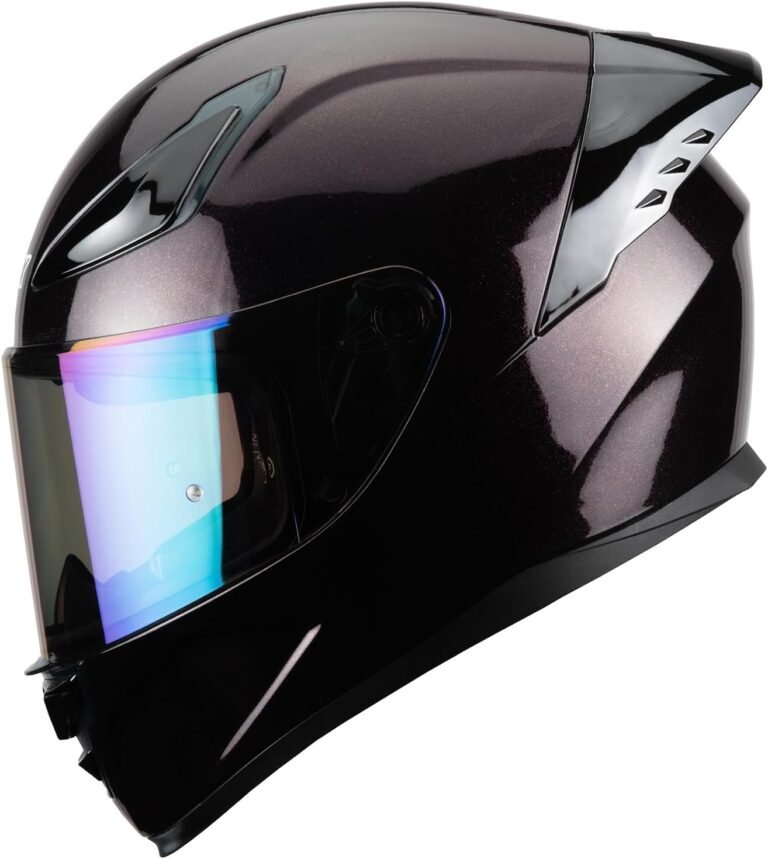
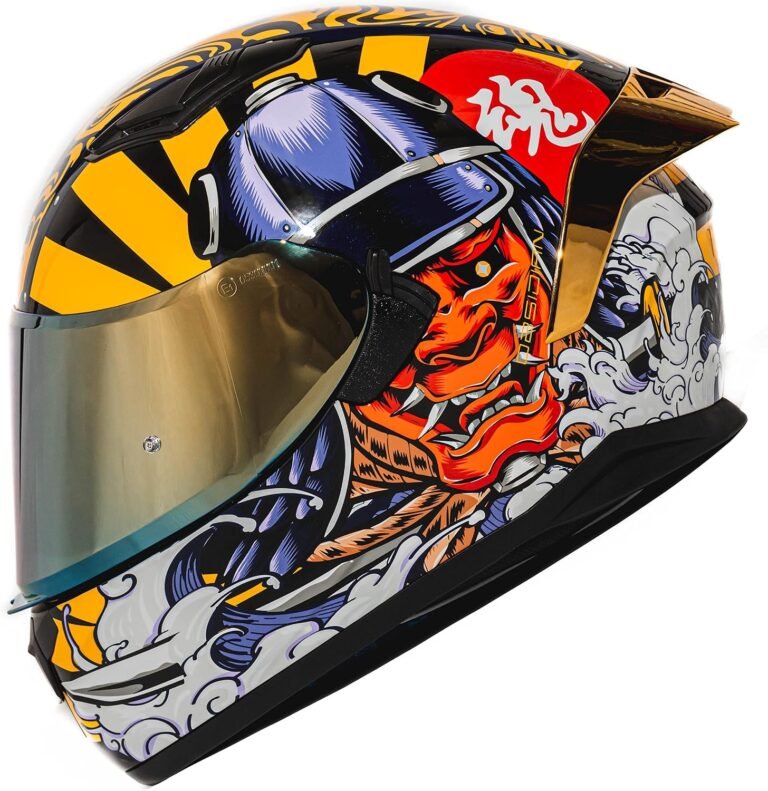
- Full-face: Best for sport, touring and highway use. Offers the most complete coverage and often the best aerodynamics and noise control.
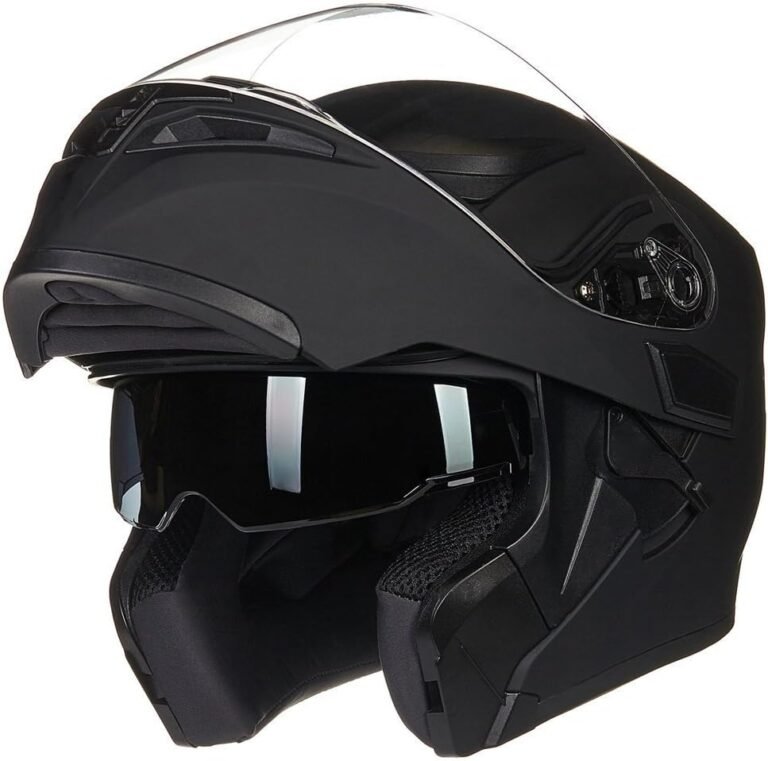
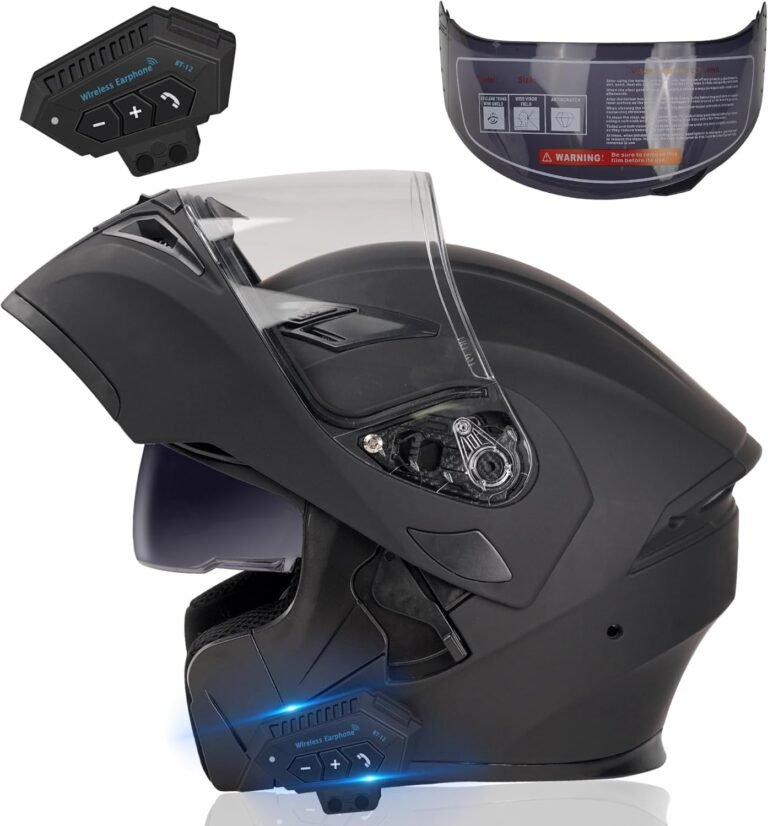
- Modular (flip-up): Good for commuters, touring riders who stop often, and riders who value convenience for communication or eating/drinking. Note the mechanical compromises: seals and moving parts can affect weather sealing and long-term durability.
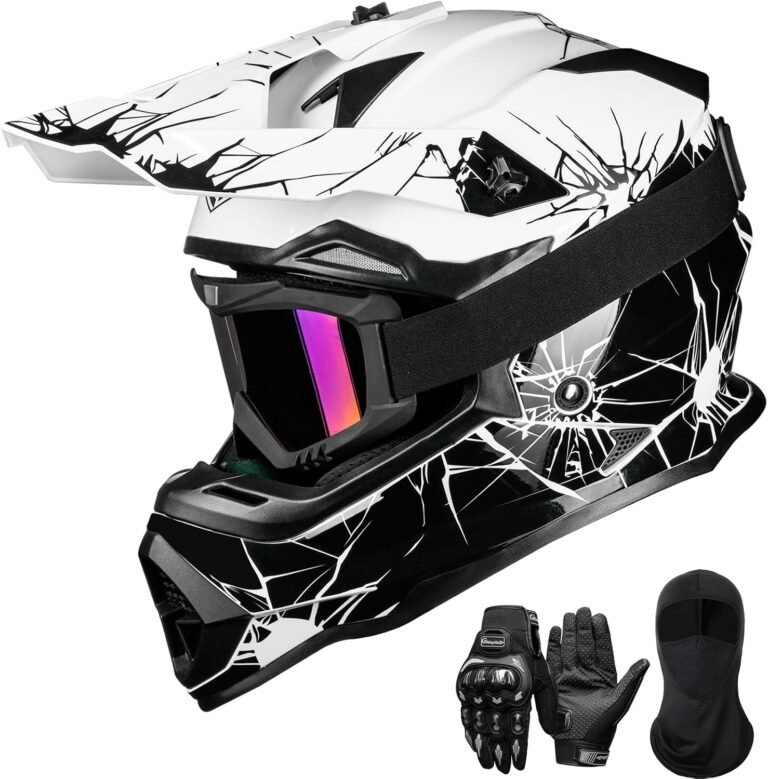
- Off-road / Motocross: Designed for dirt use—improved ventilation, elongated chin bars for breathing, and compatibility with goggles. Not always ideal for sustained highway speeds without a visor and appropriate face protection.
- Dual-sport / Adventure: Hybrids for riders switching between dirt and pavement. They balance off-road peak and airflow with roadworthy visors and better sealing than pure motocross helmets.
- Open-face / Jet: Favoured for low-speed urban rides and vintage styling. Offers less facial protection—suitable when low speed and visibility matter more than full-face impact protection.
Example: The ILM WS901 is sold and described as an off-road/motocross option, bundled with goggles and a balaclava—a good match for recreational dirt riders who want a ready-to-ride kit. For modular convenience, the ILM 902/902L offers flip-up convenience and dual visors—useful for riders who need frequent stops and face-to-face interaction.
Certifications and safety basics—what to check and what they mean
Always confirm that a helmet carries a certification appropriate to your region: in the U.S. this is typically DOT (FMVSS-218); many listings also reference ECE for Europe. RiderInstinct product facts include DOT and FMVSS mentions for several models (for example, the ILM WS901 and many budget full-face listings claim DOT/FMVS-218 compliance). Some listings also reference ECE testing or third-party testing by organisations such as SGS—check the seller documentation.
Important notes:
- Certification means the helmet met minimum test protocols, not that it is invincible. A certified helmet that fits poorly or is older/damaged is a safety risk.
- For safety-critical values (impact thresholds, expiry dates, exact shell counts), verify the manufacturer documentation or the included paperwork—do not rely solely on a product page summary.
- Check the production date and replace helmets that are damaged or reach the manufacturer’s recommended service life (many makers advise replacement after ~5 years, but confirm the exact guidance from the manufacturer).
When a listing provides limited technical detail, ask the seller for the paperwork you need (certification paperwork, warranty terms, shell materials and certified test reports) before buying.
Fit, sizing and head shape—how to get it right
Fit is the single most important comfort and safety factor. A helmet that is certified but doesn’t fit your head is worse than no helmet in many practical ways (slippage, poor impact energy distribution, increased neck strain). Follow this practical process:
- Measure head circumference at the widest point (just above the eyebrows and ears). Use that number with the brand size chart.
- Try the helmet on in person where possible and wear it for 15–30 minutes to check pressure points, cheek engagement and overall comfort.
- Check retention: straps should fasten snugly and the helmet should not move independently of your head.
- Evaluate cheek pad compression and crown contact: pads should be firm initially and form to your head over time, but should not leave painful pressure points.
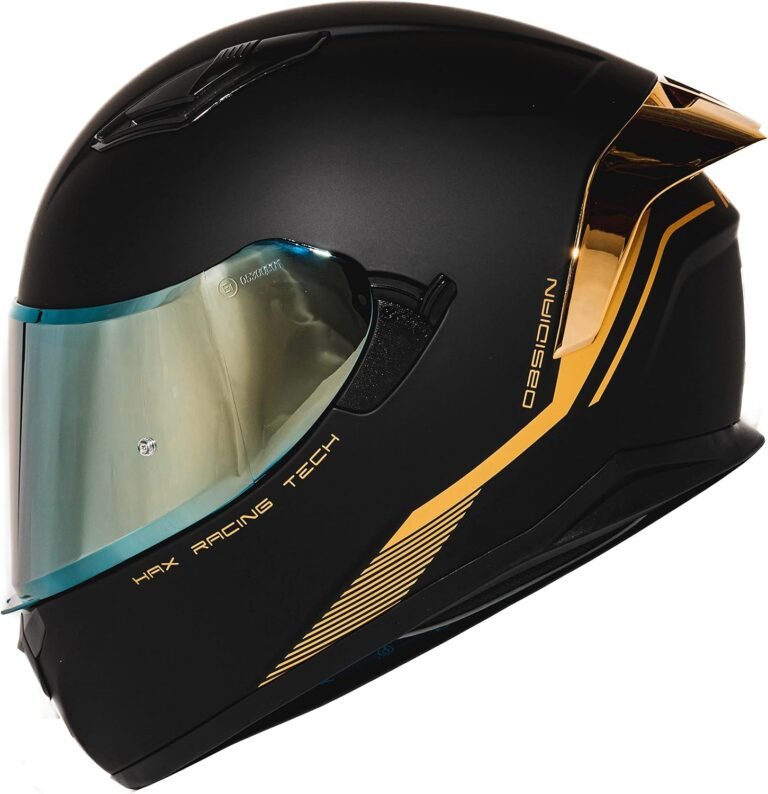
Product examples with sizing guidance: the ILM WS901 listing provides explicit shell sizes and head circumference ranges (e.g., Adult-M 570–580 mm). The HAX Obsidian listing cautions that the helmet can feel “slightly tight at first” and recommends consulting the seller’s size chart. Those are useful cues—prefer listings that provide numeric ranges and a clear fit recommendation.
If buying online, verify the return policy before purchase so you can exchange if the fit is wrong. For modular helmets, check how lifting the chin bar affects fit and retention.
Visors, anti-fog options and sun protection
Vision matters as much as impact protection. Choose a visor system that matches your climate and typical ride conditions:
- Clear visors for night and mixed conditions.
- Tinted visors or internal sun visors for bright days; many models include or offer an internal drop-down sun visor.
- Pinlock-ready visors are valuable if you ride in cold or wet conditions—Pinlock inserts form a secondary sealed lens to reduce fogging. Several RiderInstinct-listed helmets (HAX Obsidian and HAX Onix) are Pinlock-ready but do not include the insert as standard; you must buy the insert separately unless the listing states otherwise.
- Goggles are standard for off-road helmets; the ILM WS901 helmet kit includes tinted goggles appropriate for motocross or dusty trails.
Check whether anti-scratch or anti-UV treatments are claimed in the listing (for example, some HAX listings mention UV treatment and Pinlock readiness). Important: if the listing references a Pinlock insert model, confirm whether the insert is included or sold separately.
Ventilation, noise and long-ride comfort
Ventilation and noise control affect how long you can ride without fatigue. Vent designs vary widely: off-road helmets typically prioritise airflow (like the ILM WS901 with multiple vents), while street and touring helmets focus on a balance of intake, exhaust and noise-reducing aerodynamics (HAX Onix mentions a 3-point ventilation system and noise reduction features).
Trade-offs:
- More vents = better cooling but potentially more wind noise and less thermal insulation in cold weather.
- Better aerodynamic shells and spoilers reduce buffeting at speed but can increase price.
- Removable, washable liners (common on many of the RiderInstinct-listed models such as ILM WS901, ILM-313 and TRIANGLE) improve hygiene, especially for hot-weather riders.
Test a helmet at typical speeds if possible. If you plan long-day touring, prioritise a design known for low noise and good neck comfort. When ratings or weight figures are not provided in the listing, ask the manufacturer for shell size counts and weight values—those affect comfort on long rides.
Comms readiness, accessories and practical features
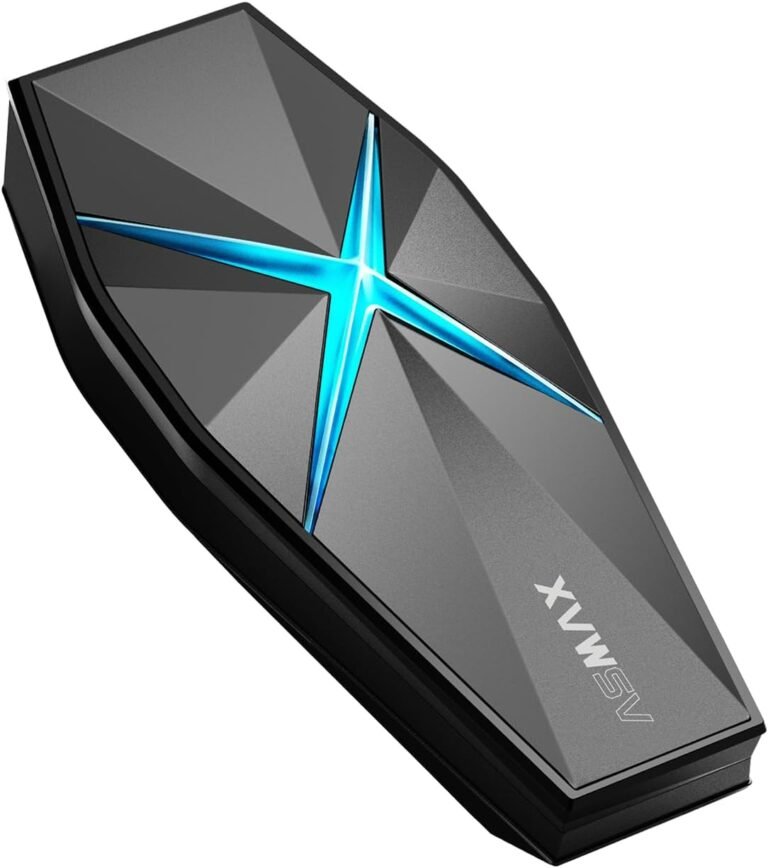
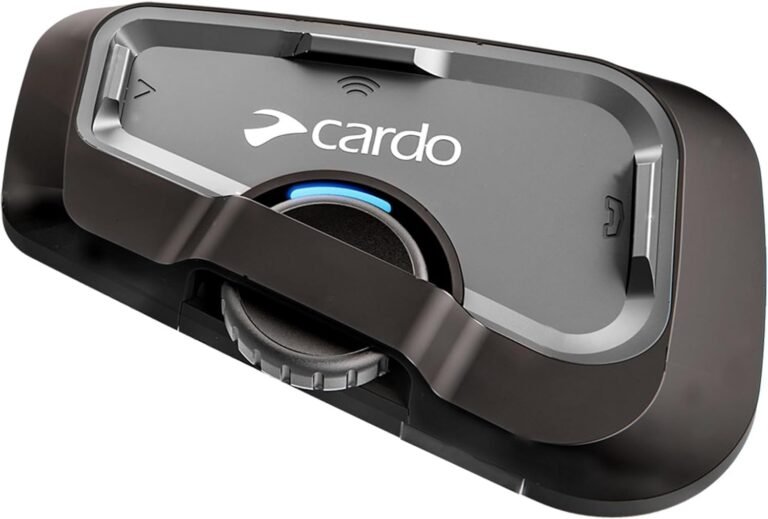
Decide whether you want integrated communications or a headset-ready helmet. Look for pre-cut speaker pockets and routing channels if you plan to install Bluetooth devices—HAX Onix and HAX Obsidian explicitly note internal headset slots or pre-cut slots for Bluetooth intercoms. If you need anti-fog performance, check whether a Pinlock insert is included or sold separately.
Other practical features to watch for:
- Washable liners and removable cheek pads for hygiene (many budget models advertise this).
- Quick-release or micrometric buckles for convenience—ILM and other listed products provide different closure styles.
- Included accessories—some off-road kits bundle gloves, goggles and masks (ILM WS901 includes gloves, goggles, balaclava and a storage bag).
- Warranty and seller support—budget listings sometimes omit warranty detail; request it if not visible.
Remember: added features can increase complexity and failure points (e.g., modular mechanisms). Weigh convenience against the potential for additional maintenance.
Budget, value and realistic expectations
Price tiers roughly correspond to materials and engineering: entry-level helmets are often ABS shells with EPS liners and focus on meeting certification minimums, while premium helmets use multi-layer composites, multiple shell sizes and advanced liners. That said, a well-fitting budget helmet is safer for you than a high-end helmet that doesn’t fit.
Examples from RiderInstinct product facts:
- ILM WS901: a budget DOT- and FMVSS-218-certified off-road kit that includes goggles, gloves and a balaclava—high value for recreational dirt riders who want a bundled solution.
- ILM 902/902L: affordable modular helmet with dual visors and washable liners; sensible if modular convenience is your priority, but confirm fit and seal performance in wet weather.
- HAX Obsidian and Onix: budget/full-face options that advertise Pinlock readiness, internal sun visors and headset slots—good feature sets but verify whether anti-fog inserts are included and confirm sizing and weight.
- TRIANGLE and Orthrus: budget full-face models with dual visors and washable liners aimed at commuters.
Don’t expect premium features (proof of multi-shell construction, published impact testing beyond regulatory requirements, extended warranties) from every listing. If those matter to you, look for models that publish the details or come from brands that document them clearly.
A simple decision process you can follow now
Use this step-by-step decision workflow:
- Define your primary riding use (commute, sport, touring, off-road, mixed).
- Choose the helmet type that aligns with that use (full-face, modular, off-road, dual-sport, jet).
- Check certification claims on the listing and request documentation if unclear.
- Measure your head and consult the seller size chart—if possible, try the helmet on for 15–30 minutes to evaluate fit and pressure points.
- Confirm key features you need: Pinlock/anti-fog availability, internal sun visor, speaker pockets, washable liners and included accessories.
- Verify return policy and warranty before purchase so you can exchange if the fit or comfort is wrong.
Using product facts: if you ride off-road and want a packaged solution, the ILM WS901 is a documented example of a DOT/FMVSS-certified off-road kit that includes goggles and gloves. If you want modular convenience at an affordable price, consider the ILM 902/902L—but remember to verify how well the chin-bar seals in rain. For commuter full-face helmets with dual visors and washable liners, TRIANGLE, Orthrus and ILM-313 are representative budget options in the RiderInstinct listings. If Pinlock capability and a headset slot are priorities for street riding, check the HAX Obsidian or HAX Onix listings and confirm whether Pinlock inserts are included or need to be purchased separately.
Finally: when exact safety-critical values (shell thickness, certified impact figures, manufacturer service life) are not supplied in the listing, ask the manufacturer and verify with the included documentation before relying on those numbers.