riderinstinct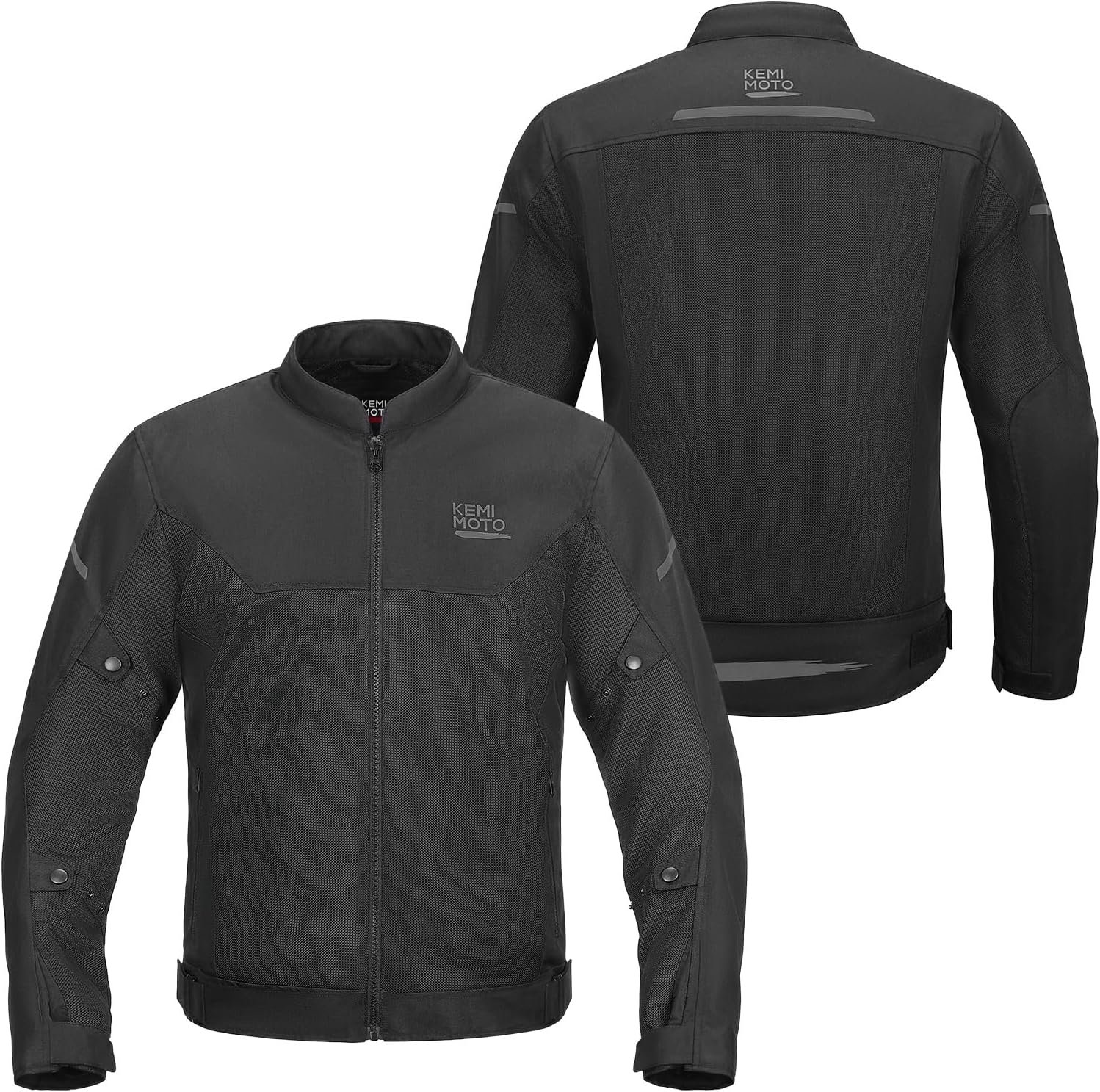
Why this decision matters: protection, comfort and consistent use
Choosing a motorcycle jacket isn’t just about style. The right jacket is an active safety system: it helps control injuries in a slide, cushions impacts with armour, and keeps you focused by managing temperature and weather. Bad fit, missing armour, or insufficient abrasion resistance can turn a jacket into little more than outerwear. That’s why this guide starts with a decision framework—identify your primary use, then evaluate materials, protection, fit and weather features against that use.
Before looking at brands or price tags, decide what you actually ride: short urban commutes, long motorway touring, aggressive sport riding, or mixed-use. Your answer narrows the choices and clarifies trade-offs you must accept (for example: breathability vs abrasion resistance; out-of-the-box protection vs adding aftermarket armour).
A simple decision framework to narrow choices
Use these four questions in order—answering them will reduce noise and help you compare jackets effectively.
- What do I ride most? Commuting in traffic, weekend leisure, long-distance touring, or track/sport? Each has different priorities.
- What climate/season? Hot-weather riders need ventilation; rain-prone regions need waterproofing or a packable shell.
- How much protection do I require? If you ride at speed or aggressively, prioritise abrasion-resistant materials and CE-certified armour. For low-speed urban scootering, minimal armour plus abrasion resistance may be acceptable.
- What fit & layering will I use? Will you layer a thermal liner? Do you need freedom to move for sport riding? Fit choices affect both safety and comfort.
Answering these lets you judge trade-offs: for example, a mesh summer jacket gives excellent airflow but little weather protection, while a heavy leather jacket offers abrasion resistance but poor ventilation.
Jacket categories and who they suit
Broadly, motorcycle jackets fall into these types. I list typical strengths and limitations so you can match category to riding style.
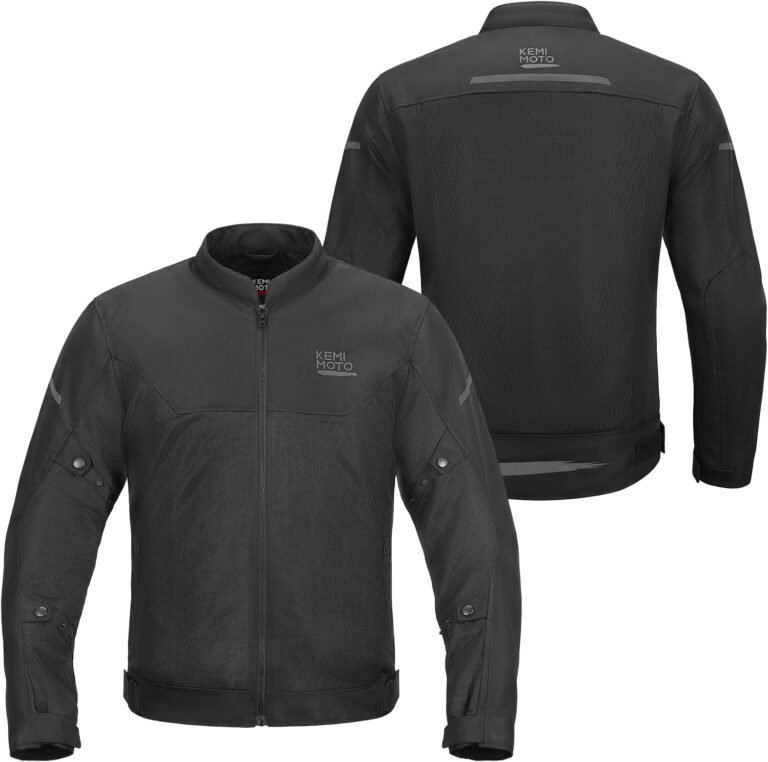
- Mesh/vented jackets — Best for hot-weather commuting and short rides. Strength: airflow. Limitation: reduced abrasion resistance and usually no waterproofing. Example: the KEMIMOTO Motorcycle Summer Mesh Jacket includes CE armors and large mesh areas, making it a pragmatic choice for warm climates—verify the armor specs and construction details before relying on it for higher-speed protection.
- Textile/cordura jackets — Good all-around choice; many are modular with removable liners and water-resistance. Strength: versatility and high-visibility options. Limitation: quality varies by denier and build—look for 500–1000D panels in high-wear areas (manufacturers should specify).
- All-season textile with liners — Designed for year-round use; removable thermal liners and waterproof membranes make them a good touring/commuting compromise. Look for confirmed water resistance and CE armour—some listings explicitly state CE-rated joint protectors and removable liners (verify the precise certification and materials).
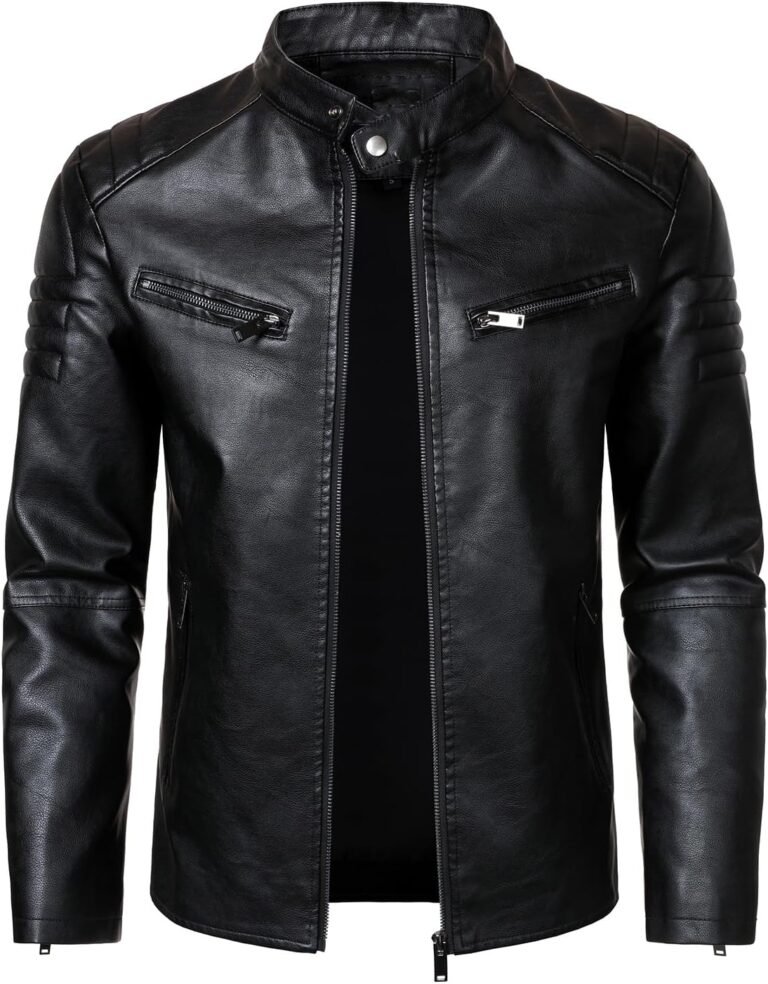
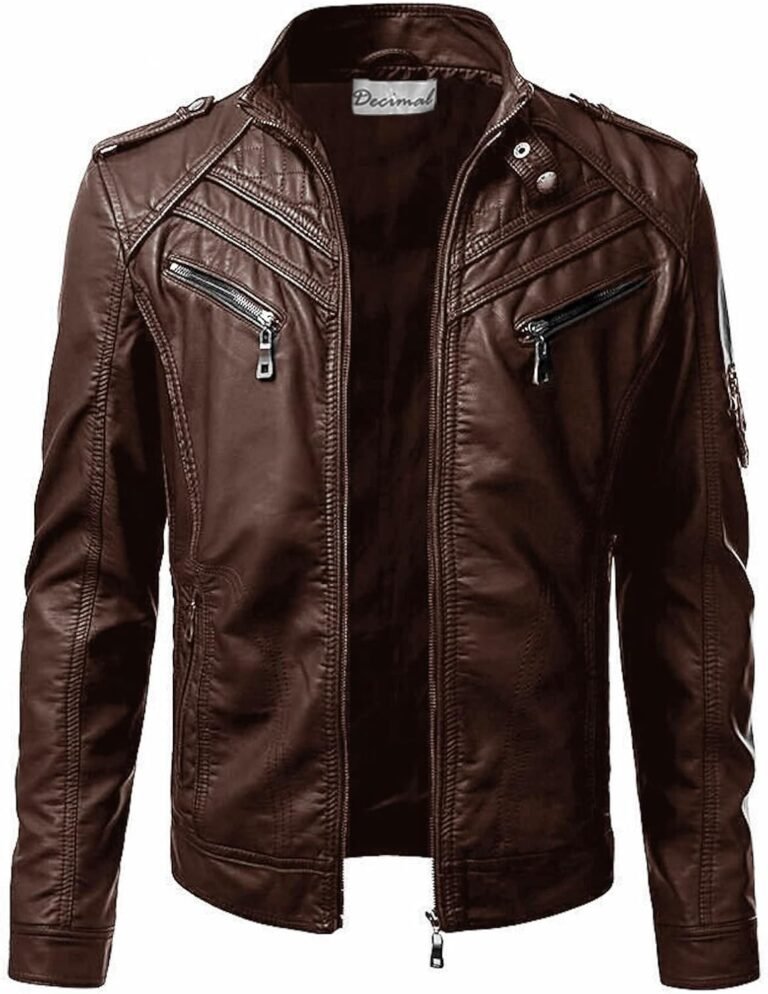
- Leather jackets — Traditional and often abrasion-resistant when full-grain cowhide or lambskin is used. Strength: slide protection if thick/quality leather. Limitation: heavier, less breathable; many fashion leather jackets lack built-in armour—examples in supplied listings (FLAVOR, Milwaukee Leather) show leather construction but do not document certified armour, so confirm protective details before assuming crash protection.
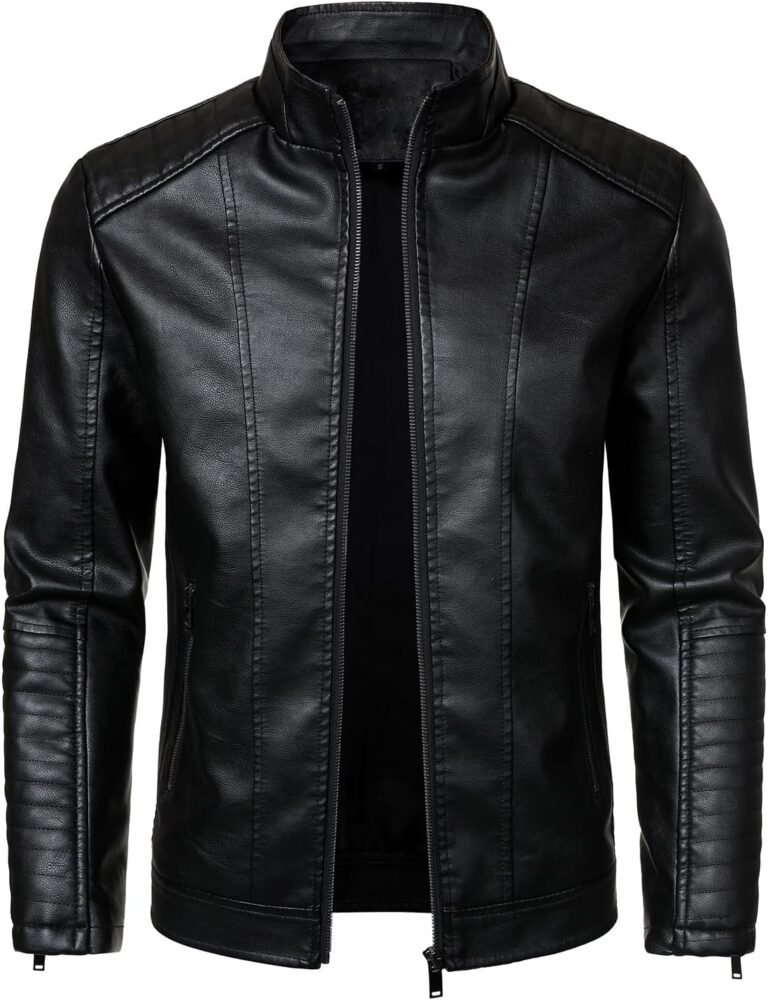
- Faux-leather / fashion jackets — Good for style and casual riding but typically lack abrasion resistance and certified armour. Use them for low-speed city riding or off-bike wear if you accept the safety limitations.
Protection: materials, armour and what to verify
Protection has two main parts: abrasion resistance and impact protection. Both are essential for serious riding, but manufacturers sometimes omit clear specs—don’t guess.
Abrasion resistance: Look for stated materials (e.g., “600D Cordura/Oxford”, full-grain cowhide) and details about reinforced panels in shoulders/elbows. If a listing only says “polyester” without denier or reinforcement specifics, ask the seller for clarified construction details and test standards.
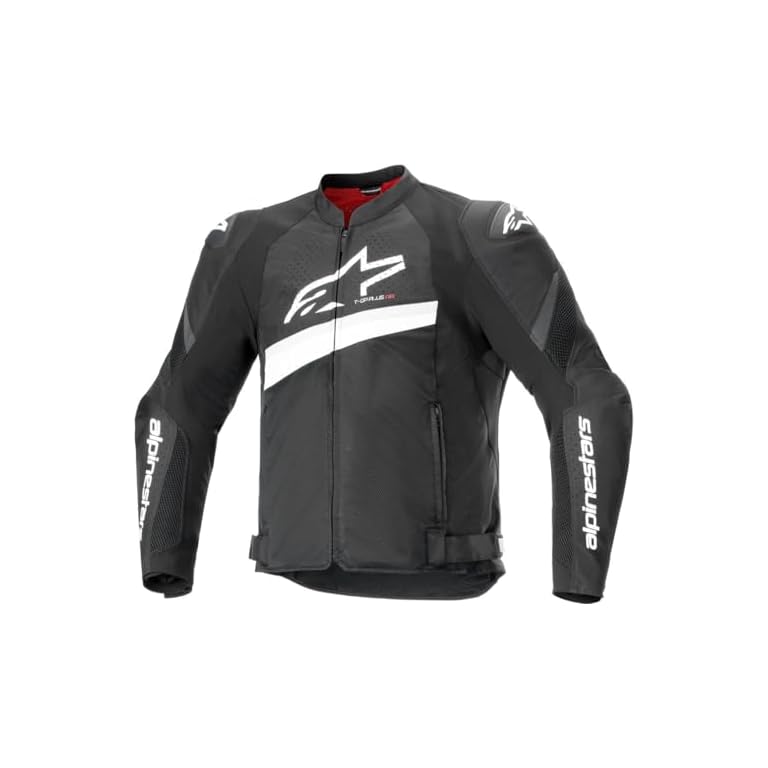
Impact protection (armour): Prefer jackets that include or accept CE-certified armour. Listings may state “includes CE armors” (as the KEMIMOTO mesh jacket does) or claim “CE1 Level Certified Joint Protectors” in their descriptions—treat those claims as useful but verify which standard is referenced (EN 1621-1 Level 1 or Level 2 are common) and exactly which parts are protected (shoulders, elbows, back). If the product page omits armor level or placement, request that information from the manufacturer.
Fit of armour matters: armour should sit over bony anatomy, not shift when you move. Try the jacket on and actively move into your riding position to confirm coverage.
Fit and sizing: the safety-critical step
Fit is the most safety-critical non-technical factor. A poorly fitting jacket can expose skin during a slide or let armour move out of place.
- Torso length: When you’re seated on the bike, the jacket should still cover your lower back—many jackets have extended hems for this reason (the KEMIMOTO jacket lists an extended back hem).
- Sleeve length: Sleeves should reach your wrist bone when arms are extended in a riding position—too-short sleeves expose forearms.
- Mobility: Wear layers you intend to use when trying on; raise your arms and turn your torso to simulate real riding movements.
- Connection zipper: A jacket-to-pant connection zipper or a compatible belt loop reduces the chance the jacket rides up in an impact—look for this feature if you often ride sportier or at higher speeds.
If you can, try the jacket on a motorcycle or at least in a seated posture. When buying online, rely on exact measurement charts rather than general sizes and check return or exchange policies before purchasing.
Climate and season strategies: single vs modular solutions
Choose a jacket approach based on how variable your riding weather is.
- Hot climates: Mesh jackets with large vent areas are comfortable and prevent fatigue from heat. The trade-off is reduced weather protection and abrasion resistance—mesh is a specialist solution for warm-season commuting.
- Variable climates: All-season textiles with removable thermal liners and water-resistant outer shells are versatile. Confirm the waterproofing method (membrane vs DWR coating) and whether the seams are taped for full waterproof performance.
- Cold or wet touring: Waterproof membranes, removable thermal liners, and good seal points (cuffs, hem, collar) are critical. Waterproof performance should be stated by the manufacturer; if it’s not, plan to add a rain shell.
Modular jackets (removable liners, vents you can open/close, and snap-on thermal layers) create the widest usable range but add complexity and sometimes weight.
Features that actually matter (not just marketing copy)
When comparing jackets, prioritize features that affect safety and daily use rather than fashion tags.
- Documented protective armour and its certification (what standard, where it sits).
- Material denier or leather type and explicit reinforcement in impact zones.
- Fit adjustment points (waist, cuffs, sleeve) to keep armour in place and reduce flapping in wind—KEMIMOTO lists adjustment points that help achieve a closer fit.
- Connection zipper so jacket and pants don’t separate in a crash.
- Visibility features—reflective panels or piping improve night-time safety.
- Venting and airflow—large mesh panels or active vents are essential in hot weather.
- Weatherproofing—waterproof membrane or removable waterproof layer for rain.
Less-critical but useful: secure pockets that don’t open when you ride, internal stash pockets for documents, and easy-to-replace armour pockets.
Budget and trade-offs: where to spend and where to save
There’s no single “best” price—invest strategically based on your risk profile and usage.
- Spend more on protection and fit if you ride at higher speeds or for long distances. Real abrasion-resistant materials and CE-rated armour are worth the cost.
- Save on cosmetic features (branding, removable hoods, or non-structural trim) if your priority is protection. Several leather and faux-leather listings (FLAVOR, HOOD CREW) offer style at lower cost but may lack documented protective specs—consider adding certified armour if needed.
- Consider layered buy strategy: buy a core protective jacket and augment with a waterproof shell or high-visibility vest rather than buying a single expensive all-in-one jacket you rarely use at full capability.
Always check warranty and return policies—sometimes spending slightly more at a reputable brand with good support is better long-term value than a low-price, no-information listing.
How to evaluate a product listing and what to ask the seller
Many online listings omit technical details. When critical data is missing, ask for it. Here’s a short checklist of questions to send a seller or look for on the product page:
- Exact material specification (e.g., 600D Cordura, full-grain cowhide) and reinforced panel locations.
- Armor details: included or compatible, and the certification standard (e.g., EN 1621-1 Level 1 or 2 for limb protectors; EN 1621-2 for back). If the listing only says “includes CE armor” (as with the KEMIMOTO mesh jacket), request the certificate or label photo.
- Waterproofing method and whether seams are taped.
- Measurement chart for chest, sleeve and back length, plus guidance on preferred fit for layering.
- Photos of seams, stitching and inside of armour pockets to judge build quality.
If the seller cannot provide clear answers, treat the listing as insufficient for safety-focused purchases.
Examples and who each supplied product suits (use cases and limitations)
Using supplied product facts, here are examples mapped to rider types. These are illustrative—verify current specs on the product page before purchase.
- KEMIMOTO Motorcycle Summer Mesh Jacket (example for hot-weather commuters): Lightweight with approximately 75% mesh coverage, CE armors included per the listing, and an extended back hem and adjustment points. Best for warm-weather commuting and short rides where ventilation is a top priority. Limitations: the listing lists material as 100% polyester without detailed abrasion resistance data and does not supply full armor certification details—verify armor level and construction before relying on it for high-speed protection. See our review: KEMIMOTO Summer Mesh Jacket Review.
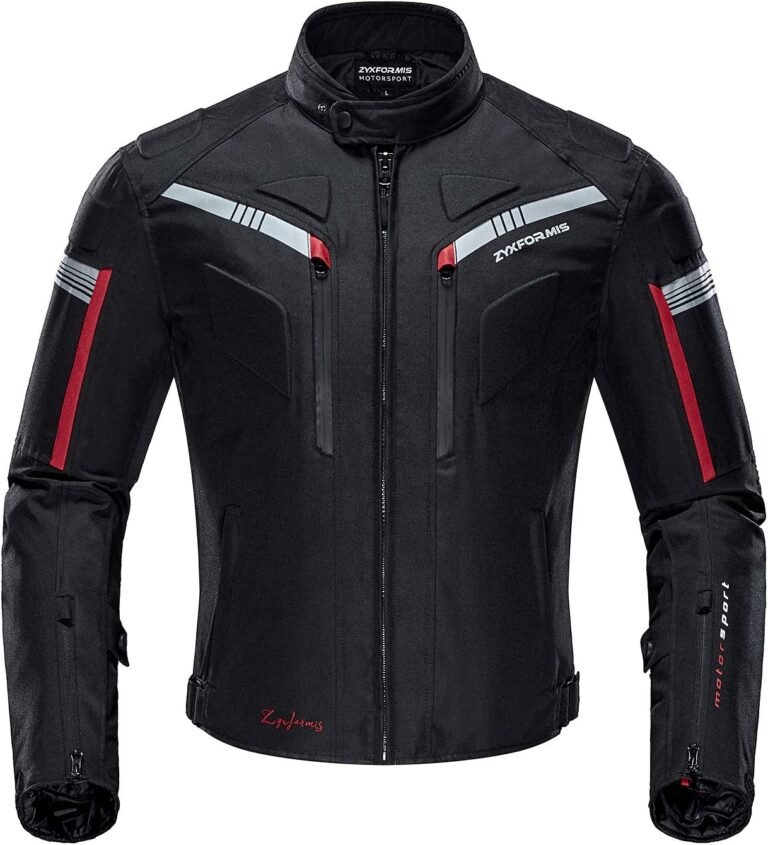
- All-season textile with removable liner (example listing with CE1 joint protectors): Some products explicitly advertise a 600D Oxford outer shell, water resistance, windproofing and removable liners with CE1 Level joint protectors indicated in the product description. This category is a good fit for mixed-season commuting and touring—verify the exact CE standard and whether the back protector meets EN 1621-2 if back protection is required. See the linked product page for details.
- FLAVOR Genuine Leather Jacket (style-first commuting / cooler weather): Genuine leather construction with a removable hood and multiple pockets. Good for riders who want leather for wind protection and style. Limitation: the listing does not document built-in protective armour or CE certification—confirm protective specs or add certified armour inserts before treating it as crash-rated. See our review: FLAVOR Brown Leather Review.
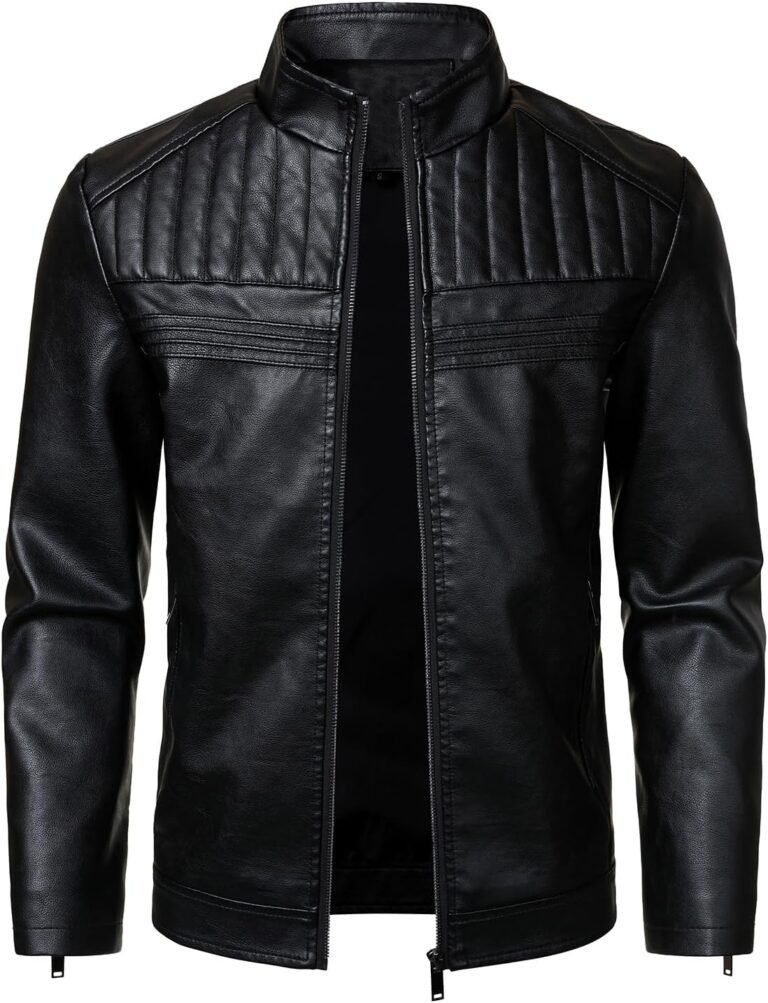
- HOOD CREW Faux PU Leather options (casual / fashion riders): Budget faux-leather jackets with measured size charts and classic styling. Best as casual outerwear or very-light urban riding; not a substitute for certified protective gear. See linked reviews for sizing guidance.
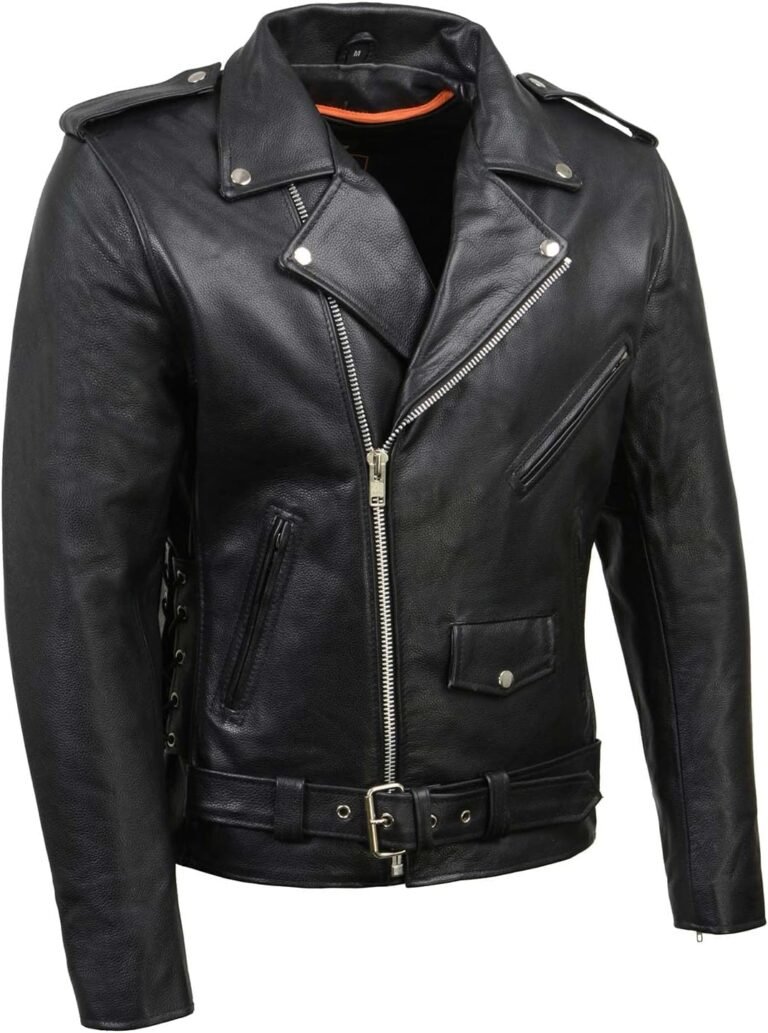
- Milwaukee Leather SH1011 Brando (classic leather option): Milled cowhide and traditional fit with side-lace adjustment—good leather value for riders prioritizing authentic material. The listing does not list certified armour—consider adding certified protectors or confirming the SKU’s safety spec before relying on it for protective performance. See our review: Milwaukee Leather SH1011 Review.