riderinstinct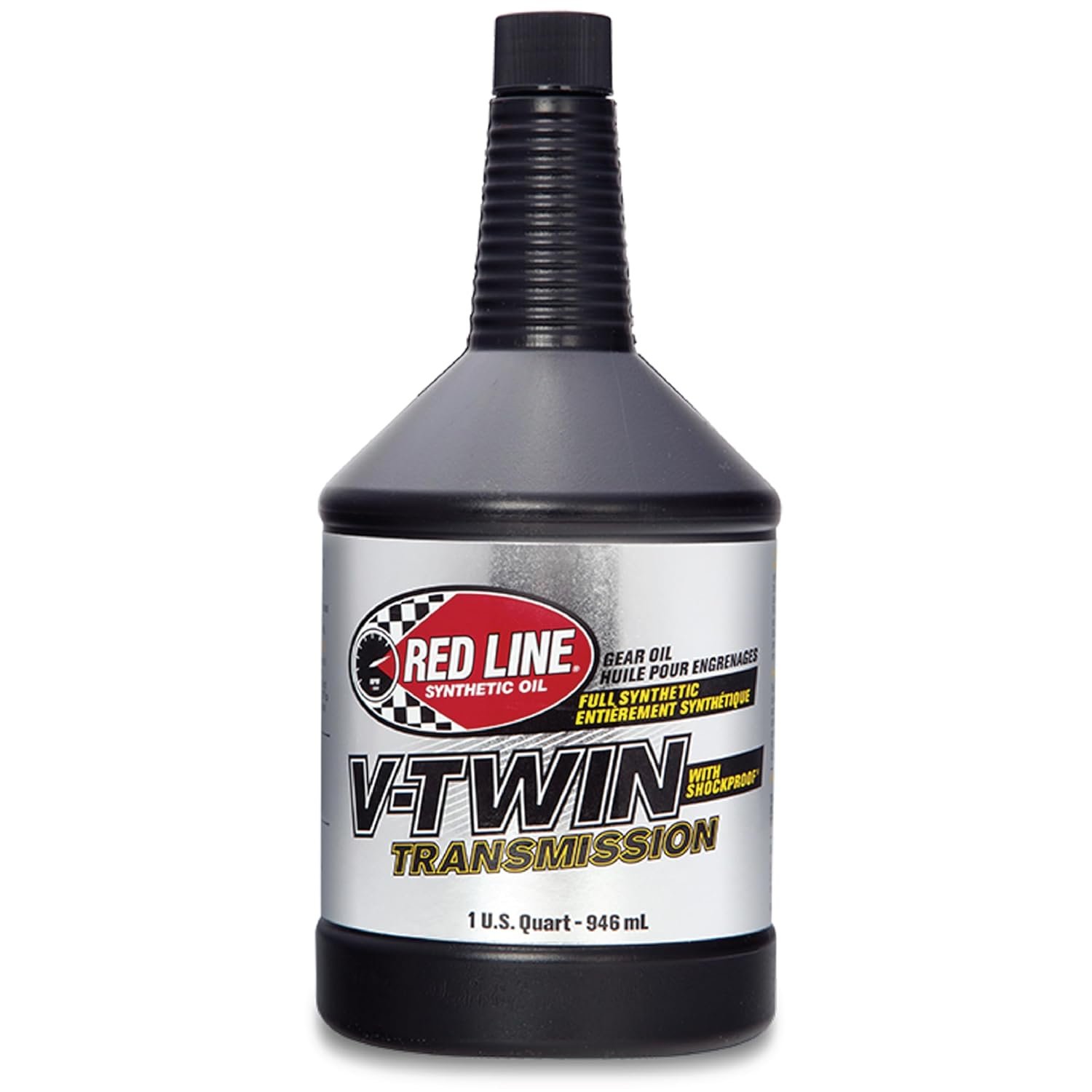
Why fluid choice matters and the decision framework
Fluids are the silent, consumable parts of a motorcycle: they control friction, transfer heat, protect gears and bearings, and enable hydraulic systems. A wrong fluid choice can reduce protection, increase wear, cause clutch slippage, or void warranty coverage. The practical decision framework is simple:
- Find the spec: Check your owner’s manual for viscosity (for engine oil: e.g., 10W‑40), required standards (JASO, API), and fluid type for brakes/coolant.
- Match system to purpose: Engine oil, transmission oil, primary/chaincase, brake fluid, coolant and chain lubricant are different products—don’t substitute without confirmation.
- Pick formulation by use: Choose synthetic vs conventional, viscosity grade and additives based on heat, RPM, load and climate.
- Verify compatibility & documentation: When using additives or non‑OEM fluids, confirm manufacturer guidance and warranty implications.
This guide walks through the trade‑offs you’ll face at each step and explains which choices suit commuting, canyon carving, touring, or preserving high‑mileage machines.
Start with the manual: what to look up and why it matters
Before you buy a single bottle, read the fluid section of your motorcycle’s owner manual. Key items to note:
- Engine oil viscosity and spec: The manual will list the recommended SAE viscosity(s) and any required certifications (for motorcycles, JASO MA/MA2 is common for wet‑clutch compatibility).
- Transmission & primary fluid types: Some bikes share engine oil with the gearbox/primary; others require separate gear oils (and specific SAE numbers like 85W‑140 for some V‑Twin gearboxes).
- Brake and hydraulic fluid: Brake systems specify DOT ratings (DOT 3, 4, 5.1) and sometimes a service interval.
- Coolant type: Some bikes require ethylene‑glycol based coolants; others may allow OAT or extended life types—confirm freeze/boil protection specs if you ride in extremes.
If the manual is ambiguous, call the dealer or manufacturer support. For any safety‑critical numeric value (torque, capacity, brake fluid type), always verify against manufacturer documentation rather than relying on general guidance.
Engine oil: viscosity, synthetic vs conventional, and motorcycle‑specific specs
Engine oil choice is the single most important fluid decision. Consider these points:
- Viscosity (SAE) trade‑offs: Lower starting viscosity (5W‑40) improves cold starts but may provide thinner films at operating temperatures on older, loosened engines. Higher viscosity (20W‑50) can help older V‑Twin engines hold oil film under high heat but hurts cold flow and may increase oil consumption on modern tight‑tolerance engines.
- Synthetic vs conventional: Synthetics resist thermal breakdown and shear better, offering more stable protection under high RPM/temperature and longer drain intervals. They’re a common choice for spirited riding, touring and high‑RPM sportbikes.
- Motorcycle‑specific formulations: Use oils certified for motorcycle use (JASO MA/MA2 for wet clutches). Automotive oils lacking JASO ratings can cause clutch slipping or chatter on some bikes.
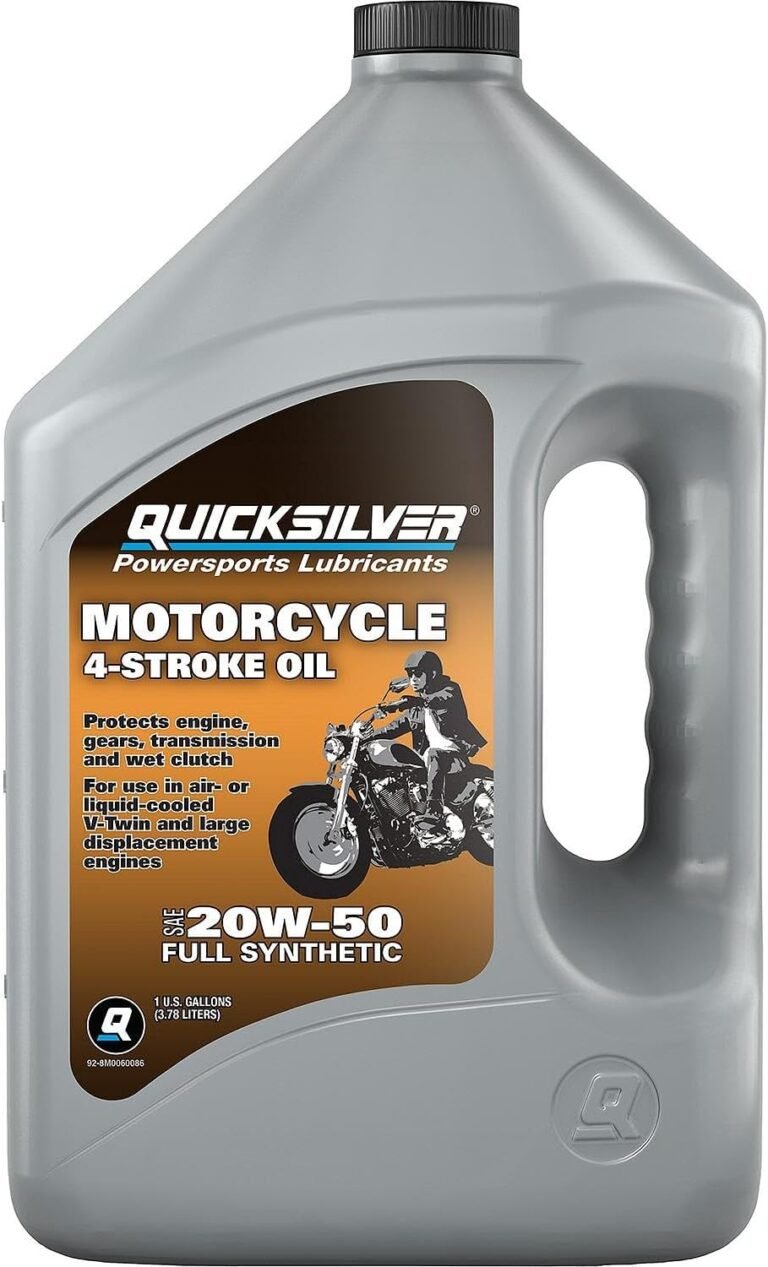
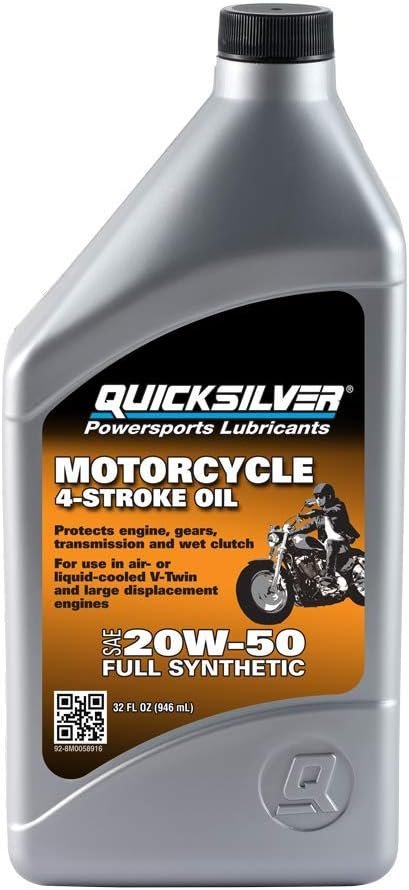
Example product: Quicksilver’s 20W‑50 Full Synthetic 4‑Stroke (see our notes) is marketed as a JASO‑certified, full‑synthetic option aimed at V‑Twin and large‑displacement engines operating in high‑heat conditions. It’s a reasonable choice if your OEM allows 20W‑50 and you ride in hot climates or at sustained high RPMs. Always verify your motorcycle’s recommended viscosity before switching to a heavier oil.
When selecting oil change intervals, follow the manufacturer’s schedule for normal vs severe service. For long storage periods, change oil before storage to remove acidic byproducts and moisture.
Transmission, primary and gear oils: matching viscosity and function
Transmission and primary chaincase fluids are often overlooked until shifting gets noisy. Important considerations:
- Use the correct type and viscosity: Transmissions with sliding gears and heavy loads can require high‑viscosity gear oils (e.g., SAE 85W‑140) to cushion shock loads and reduce gearbox noise. Some V‑Twin gearboxes benefit from an 85W‑140 formulation.
- Special formulations: Some gear oils are marketed as powersports‑specific and claim features like shockproof or smoother shifting—these can help with notorious V‑Twin ‘clunk’ or clumsy shifting if they meet the OEM viscosity requirement.
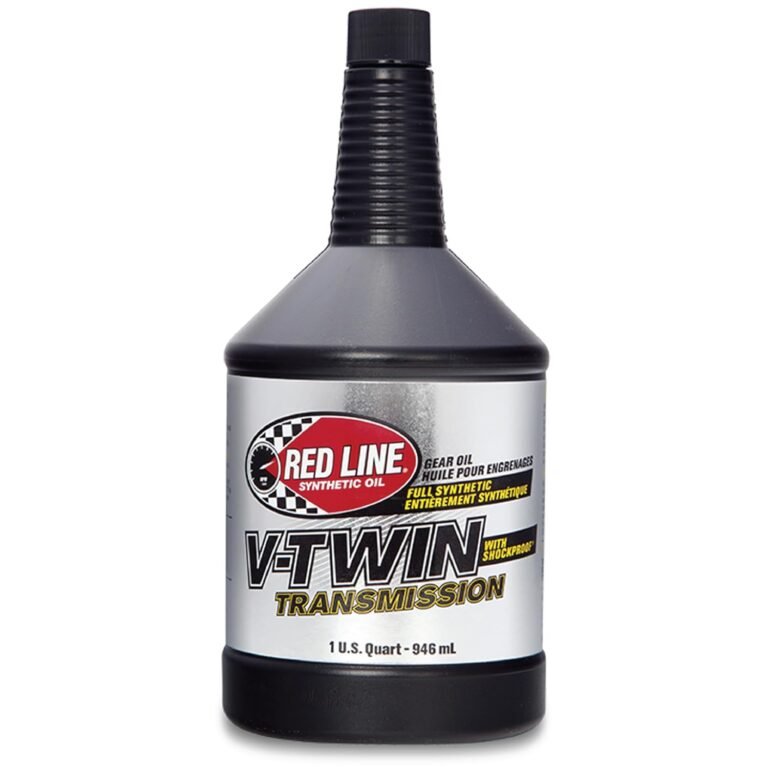
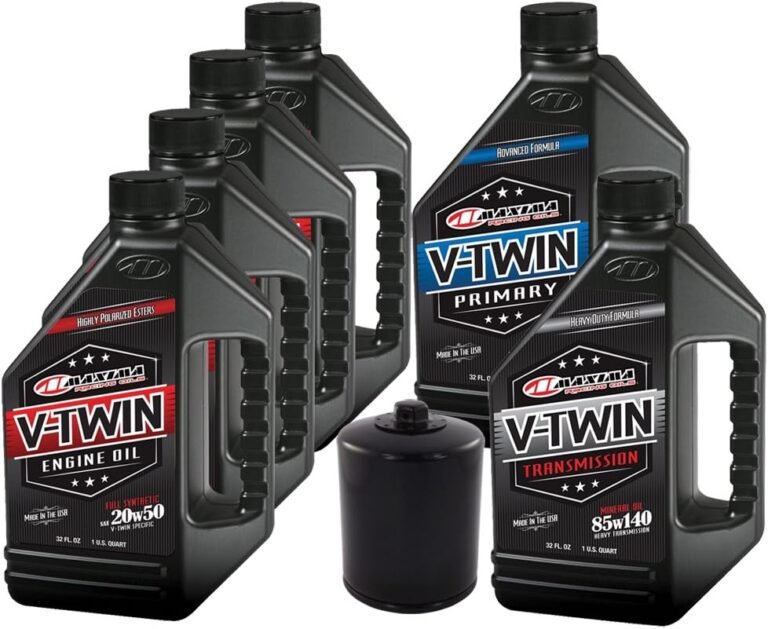
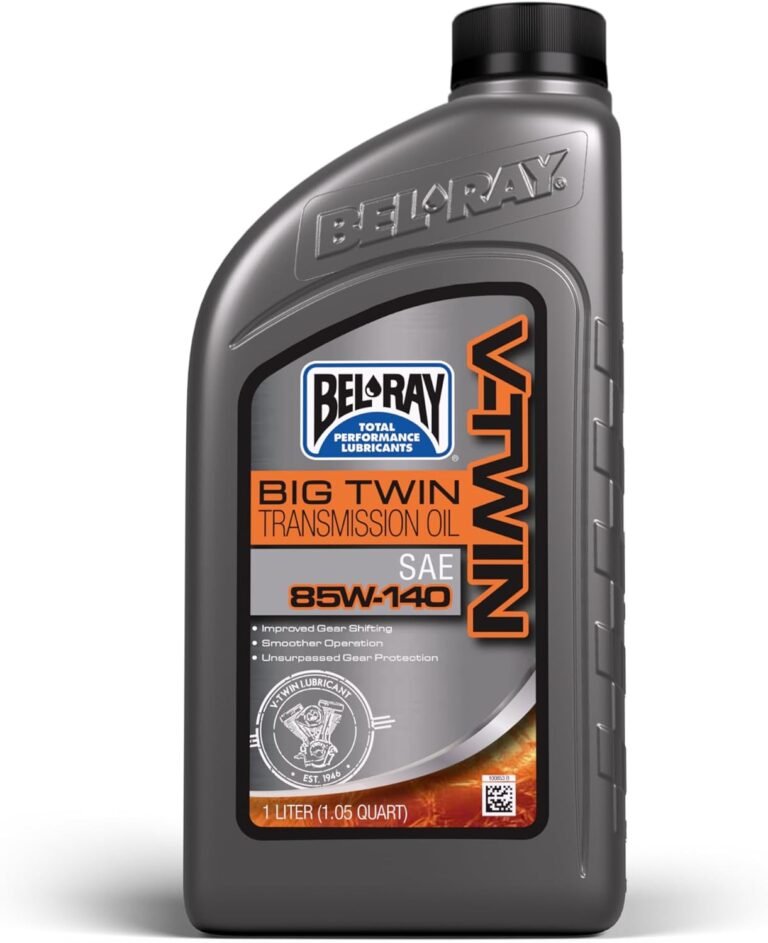
Products to review: Bel‑Ray Big Twin Transmission Oil is an SAE 85W‑140 product marketed for heavily loaded V‑Twin gearsets and claims smoother shifting and reduced noise. Red Line’s 42804 is described as a full synthetic gear oil for V‑Twin transmissions with ‘Shockproof’ technology and is promoted to reduce shifting clunk and resist throw‑off; verify that the product viscosity and application match your gearbox requirements before use. MaxHiflo’s VTTOCK14 kit includes a 85W‑140 transmission oil along with engine and primary fluids for Harley Twin Cam models and can simplify sourcing the correct fluids for those bikes, but confirm it matches your machine year and model.
Important: some modern motorcycles use specific primary oils or a separate primary chaincase fluid—don’t assume transmission oil will always be suitable for the primary.
Chain lubrication: types, load considerations and a note on bicycle products
Chains are high‑wear items and using the right lubricant extends life and improves efficiency. Options include:
- Wet lubes: Heavier, stickier oils for wet weather and heavy‑duty use; they attract dirt but protect well.
- Dry lubes & waxes: Cleaner for dry riding and lighter drag, but need more frequent application.
- Ceramic and specialty lubes: Formulated to reduce friction and wear—suitable when rated for motorcycle chain loads and speeds.
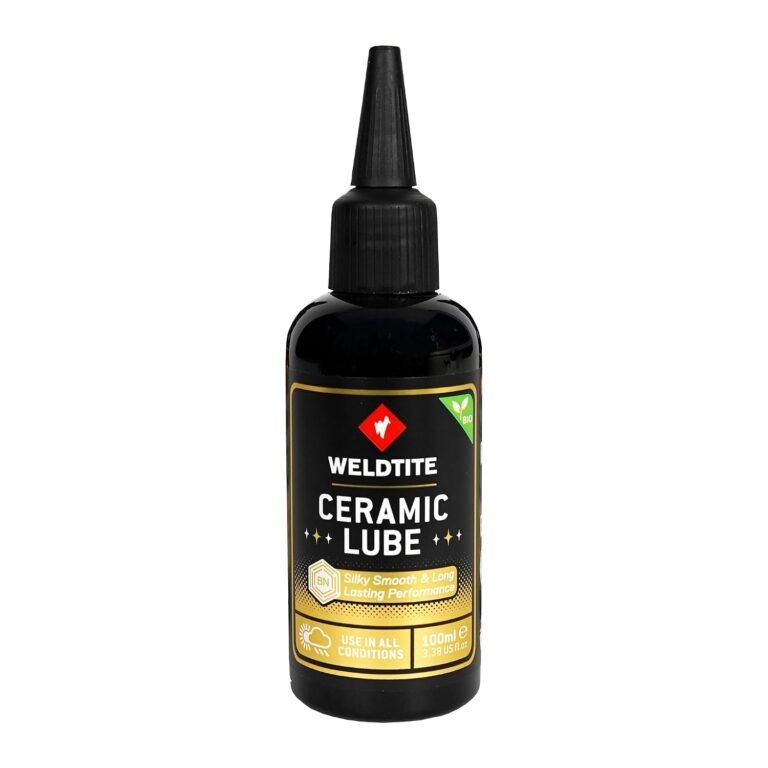
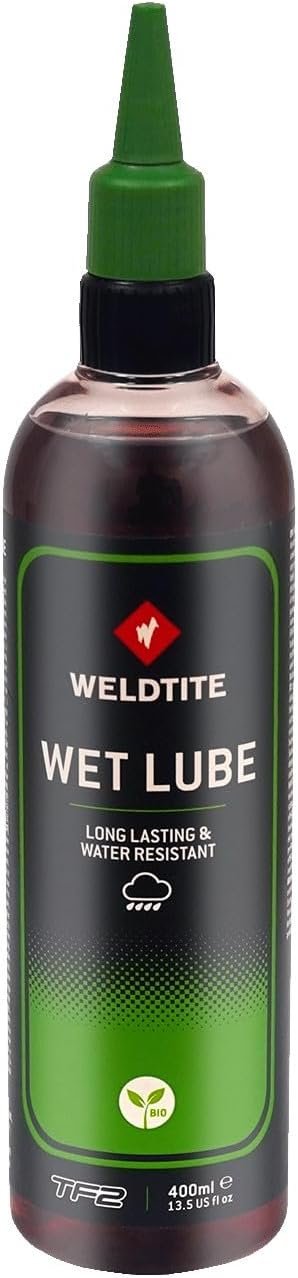
Be cautious: some products listed in general marketplaces are designed for bicycles, not motorcycles. For example, the WELDTITE Ceramic Lube is a bicycle chain product (see product page). Bicycle lubes are optimised for much lower loads and rotational speeds; using them on a motorcycle chain can risk insufficient film strength and premature wear. Choose chain lubes specifically marketed and tested for motorcycle use, or consult your chain manufacturer for a recommended product type and application interval.
Brake fluid, coolant and hydraulics: DOT ratings and compatibility
Hydraulic systems are safety‑critical—use only what the manufacturer specifies:
- Brake fluid: DOT 3, DOT 4 and DOT 5.1 are glycol‑based and compatible with each other (but not with DOT 5 silicone). Use the specified DOT rating; higher DOT number generally means higher wet boiling point but check compatibility and service interval.
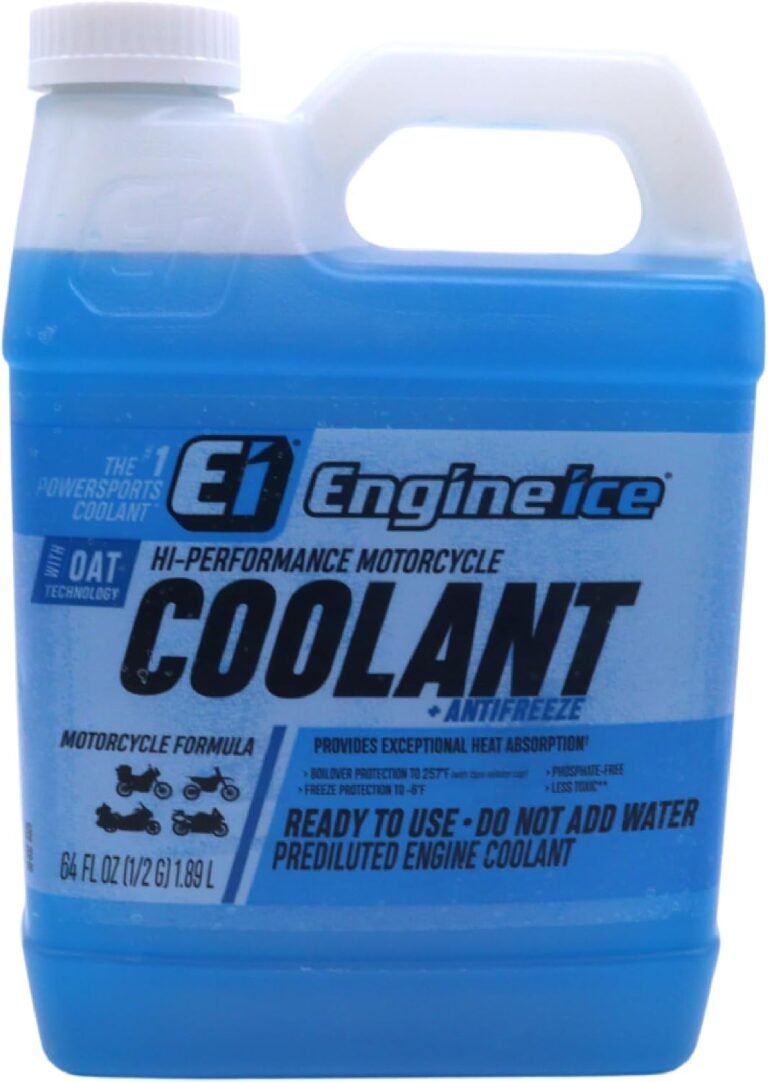
- Coolant: Follow OEM guidance on antifreeze type (ethylene‑glycol, OAT, extended life). Mixing different antifreeze chemistries can reduce corrosion protection—flush and replace properly if switching types.
- Fork oil & hydraulics: Use the specified viscosity for front forks and hydraulic dampers—these affect suspension action.
For all these fluids, don’t improvise—incorrect brake fluid or long‑lived coolant mismatches can be hazardous or cause corrosion. If the manual lacks detail, consult a dealer or service manual.
Additives and 'performance' treatments: benefits, limits and how to evaluate claims
Additives promise quieter operation, reversed wear, or improved fuel economy. Treat these with healthy skepticism and follow this checklist before using one:
- Verify compatibility: Does the additive state compatibility with your oil type and engine? Some additives require a specific oil base or engine size.
- Ask for data: Reputable manufacturers should provide independent test data or peer‑reviewed reports supporting claims. If none is provided, treat marketing claims cautiously.
- Check warranty implications: Ask the motorcycle manufacturer whether the additive affects warranty coverage.
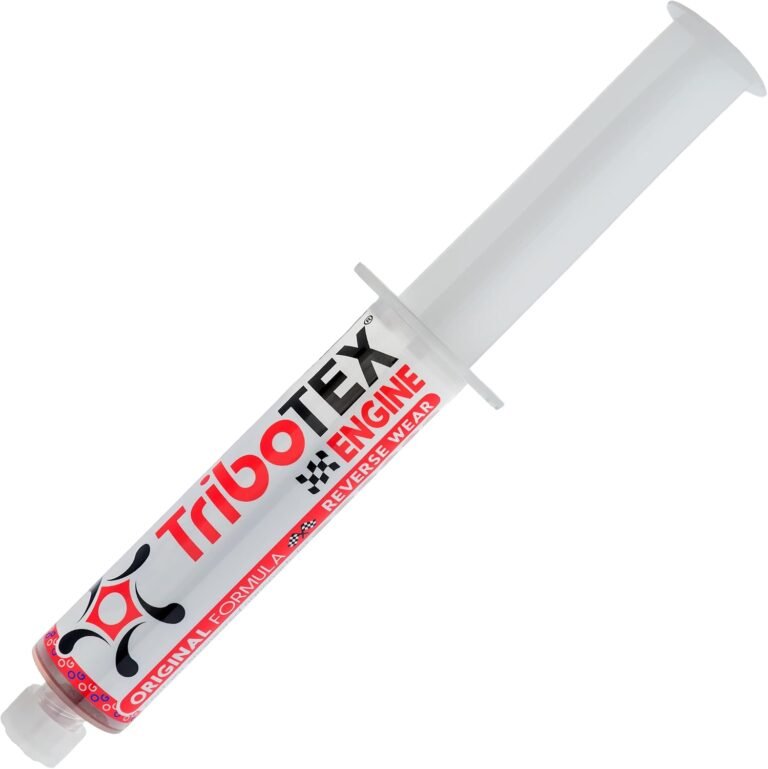
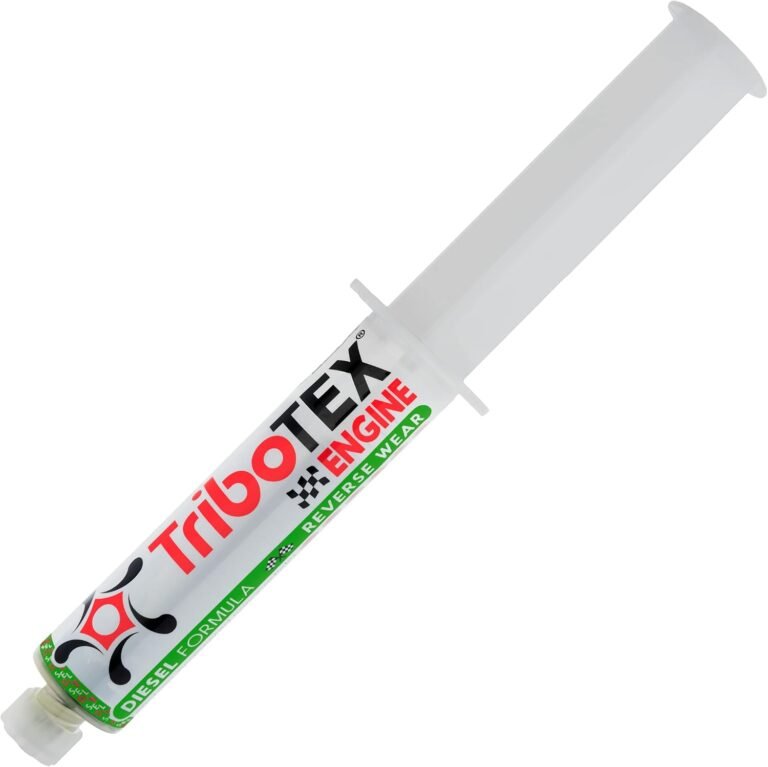
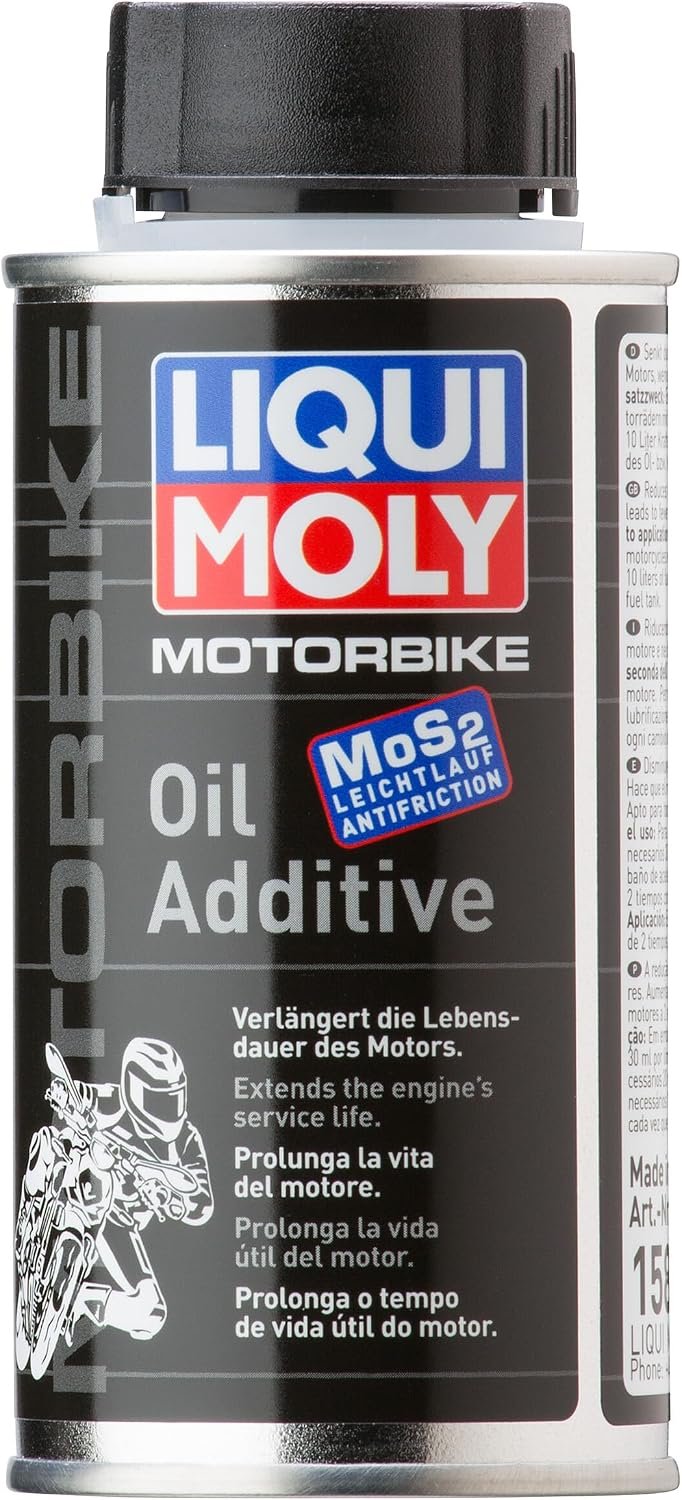
Examples from our product facts: TriboTEX and related ‘nano’ treatments claim to form a diamond‑like carbon tribofilm and reduce wear and noise; the listings reference substantial R&D backing. These products may interest owners of high‑mileage diesels or heavy trucks, but the supplied descriptions do not include independent lab data or exact dosing guidance—contact the manufacturer for technical reports and verify compatibility with your motorcycle’s engine and oil before use. Likewise, engine oil additives marketed to ‘reverse wear’ should be evaluated on the basis of documented testing and the vendor’s dosing instructions.
Match fluids to riding style: practical recommendations
Your riding style affects what matters most in a fluid. Here’s a practical match:
- Commuter / city rider: Use an engine oil that provides good cold‑start protection and durability—mid‑viscosity synthetic blends (e.g., 10W‑40) are common. Use DOT‑specified brake fluid and a robust wet‑weather chain lube.
- Sport / aggressive riders: Prioritize synthetic oils with high shear stability and JASO MA/MA2 certification to protect under high RPMs and heat. Shorter drain intervals are reasonable for track use.
- Touring / loaded travel: Choose oils and gear fluids with strong thermal stability and anti‑wear additives; high‑temperature resistance matters. Carry spare brake fluid and a small bottle of the correct engine oil if you’ll be remote.
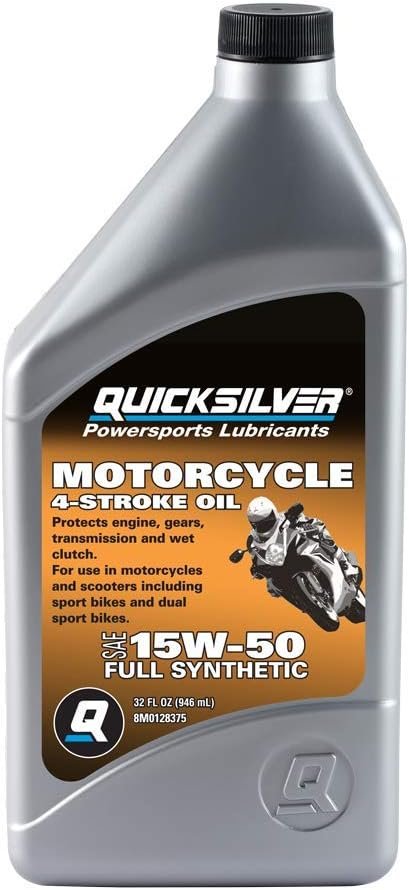
- High‑mileage / older bikes: Slightly higher viscosity oils can help maintain oil film on older engines. Products marketed at V‑Twin large‑displacement engines (for example, Quicksilver’s 20W‑50 Full Synthetic is positioned for these use cases) are worth considering, but confirm OEM allowances.
- V‑Twin & heavy gearboxes: Use manufacturer‑recommended gear oil viscosity—many riders find SAE 85W‑140 gear oils like Bel‑Ray Big Twin or transmission formulations marketed for V‑Twins reduce shift clunk and improve longevity.
Always weigh climate, engine condition and manufacturer guidance when choosing a viscosity and formulation.
Maintenance habits, measuring success and end‑of‑life disposal
Choosing the right fluid is only half the job—good maintenance is the rest.
- Regular checks: Check oil level and condition frequently, especially after changing oil types or adding additives. Look for unusual smells, metal particles, or rapid consumption.
- Filter changes: Replace oil and fuel filters per schedule when changing oil. A clean filter prevents contaminants from circulating and masking wear.
- Record keeping: Log fluid brand, viscosity and date/mileage to track performance and spot trends in consumption or leaks.
- Proper disposal: Dispose of used oil, filters and solvents at approved recycling centers. Do not pour used oil onto the ground or into drains.
If you’re trying a new product—different viscosity, brand or an additive—check levels and ride notes within the first 500–1,000 miles to make sure the bike behaves as expected.