riderinstinct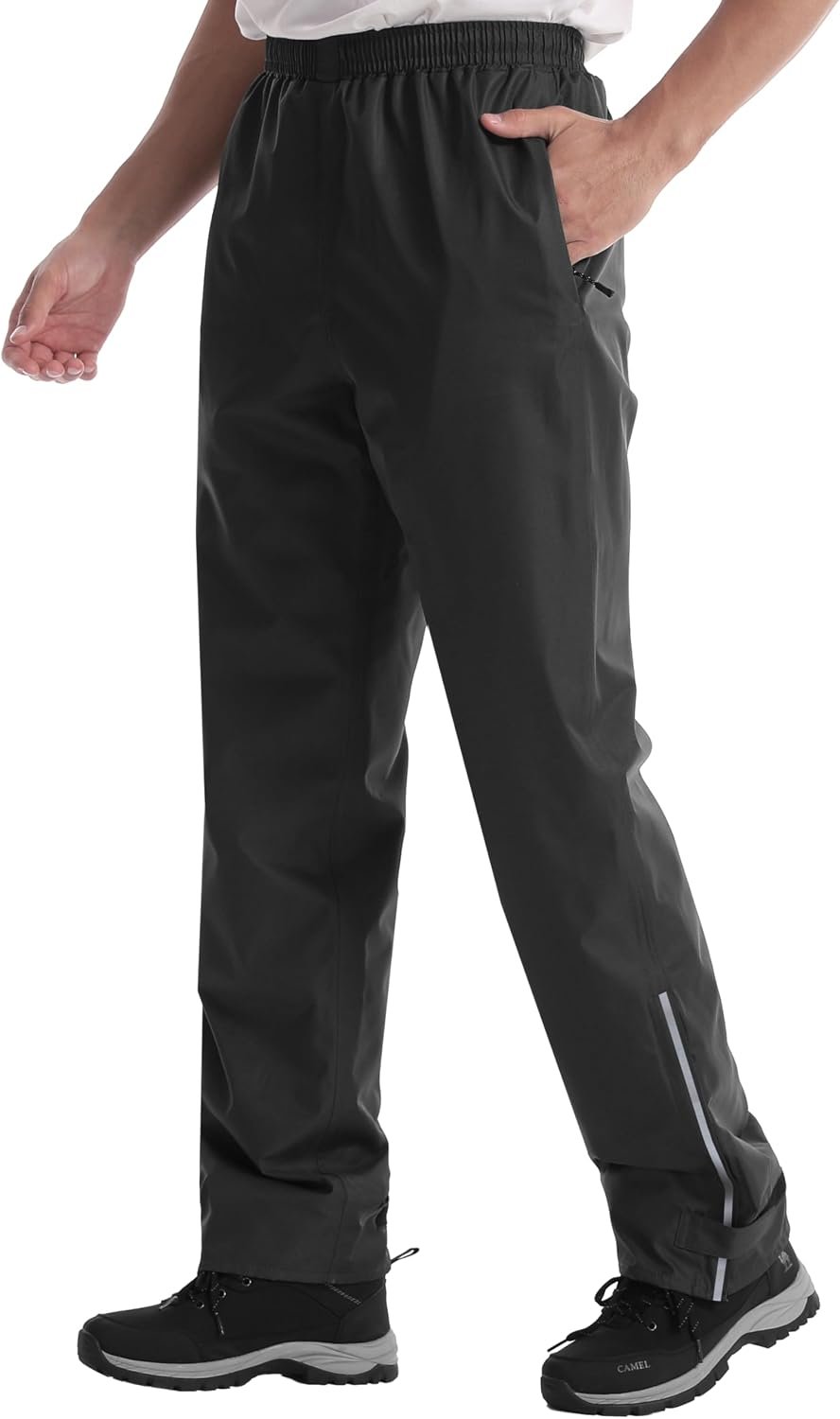
How to think about choosing riding pants
Start by separating two questions: what you want to protect against, and how you intend to ride. Protection against abrasion and impact is the primary purpose of motorcycle pants; comfort, weather management and style are secondary but important, because uncomfortable gear gets left at home.
Your decision framework should include three core criteria: protection (materials and armour), fit/mobility (so armour stays over joints and you can move safely), and weather/ventilation (so you ride more often and stay alert). Budget and aesthetics matter too, but they should not override verified protective features when you ride at higher speeds or off-road.
Before looking at brands or product pages, be clear about your main use case: short urban commutes, long highway touring, spirited sport riding, adventure/off-road, or frequent wet-weather commuting. Each use case has different priorities and acceptable trade-offs. This guide explains those trade-offs and gives concrete checks to make when you try or research pants.
Types of riding pants and their trade-offs
There are four common categories of motorcycle pants; each has distinct strengths and limitations:
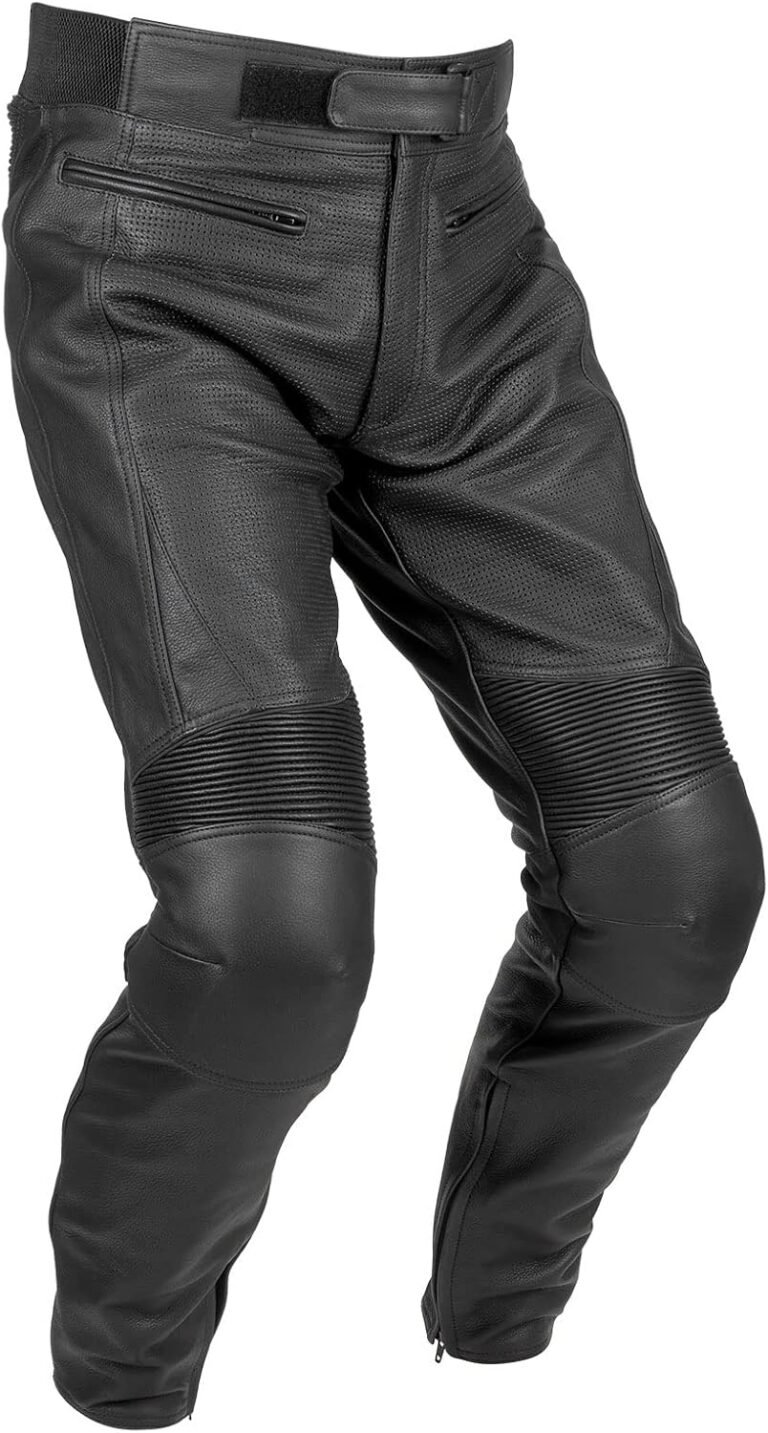
- Leather pants — Best abrasion resistance per weight. Leather is often preferred for sport and track riding when constructed at sufficient thickness and with proper seams. Trade-offs: heavier, hot in summer unless ventilated, and less weatherproof unless treated.
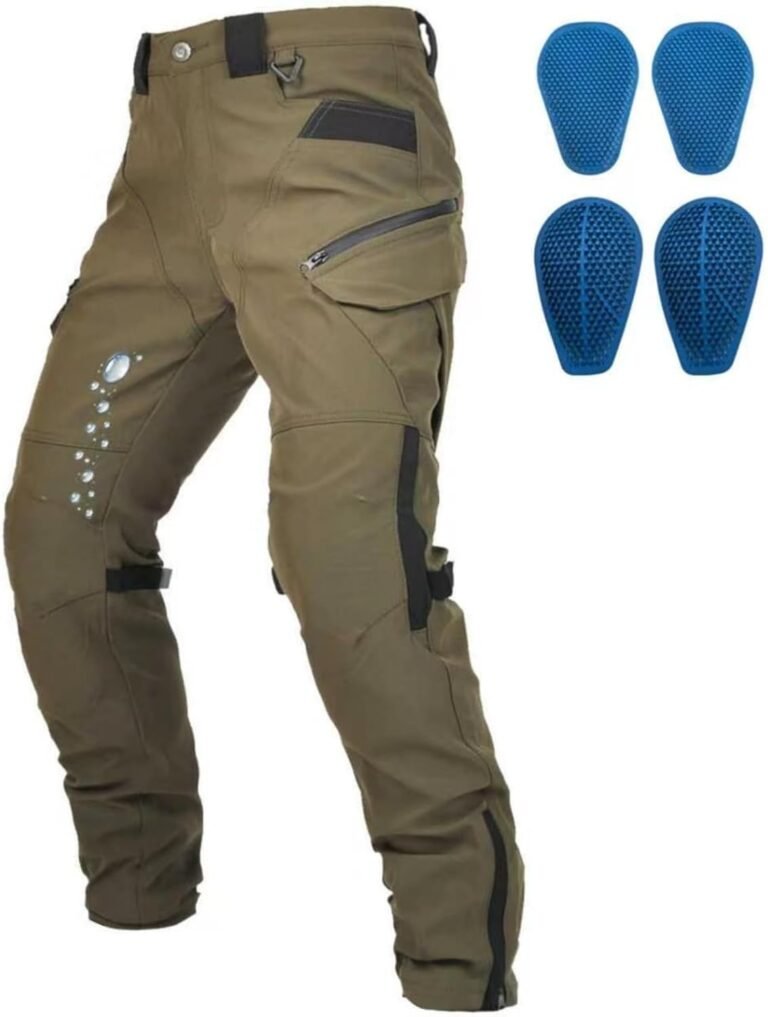
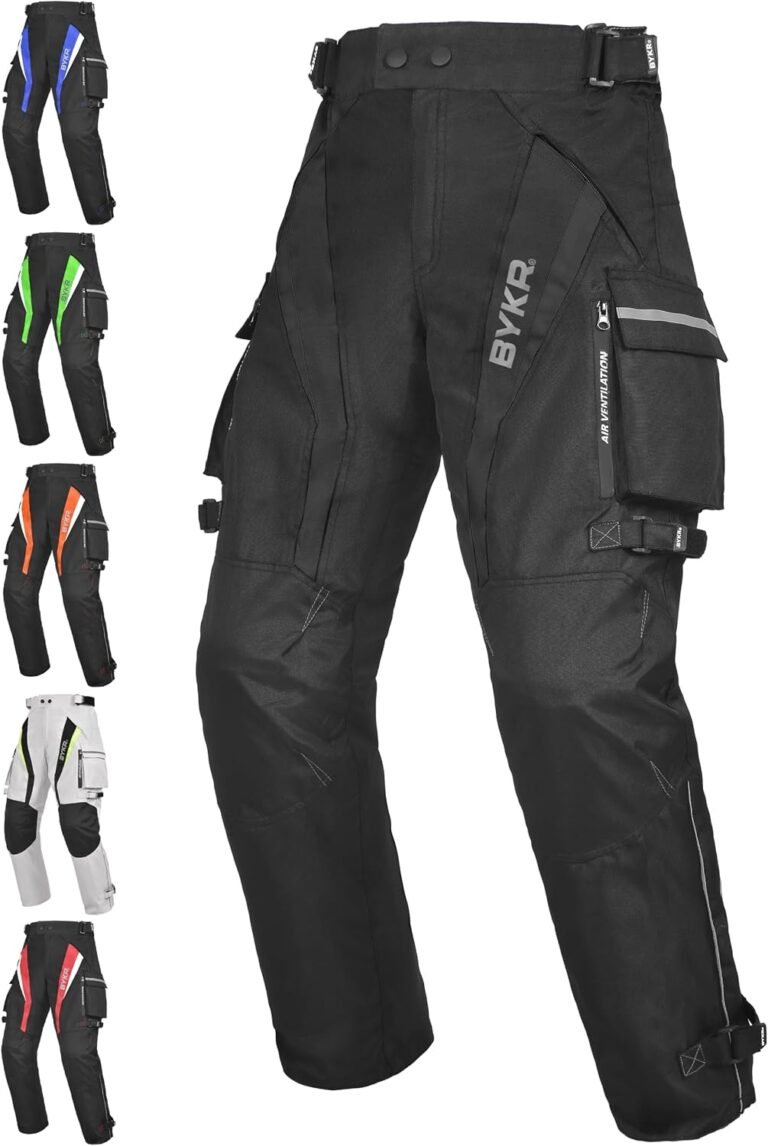
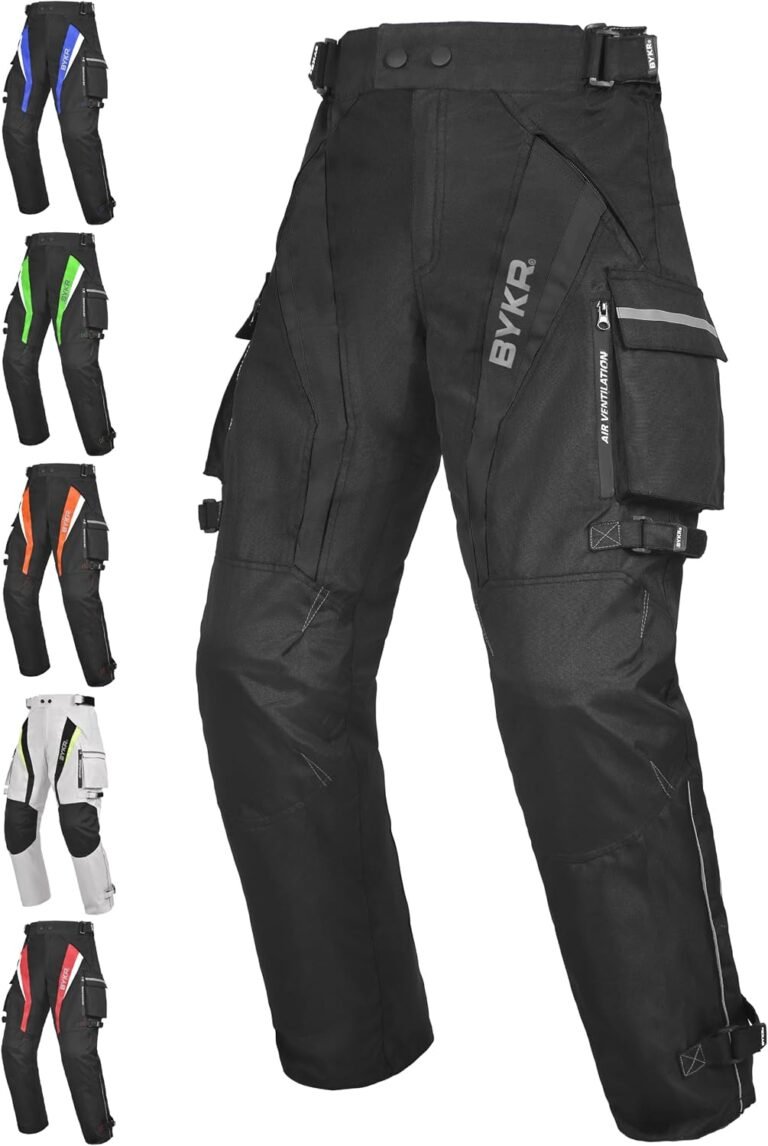
- Textile touring/adventure pants — Multi-layer engineered textiles with abrasion panels, waterproof membranes and heavy-duty stitching. Strengths include modular protection, waterproofing, and pockets. Trade-offs: can be bulky, and quality varies widely—check fabric denier, laminate construction and seam sealing.
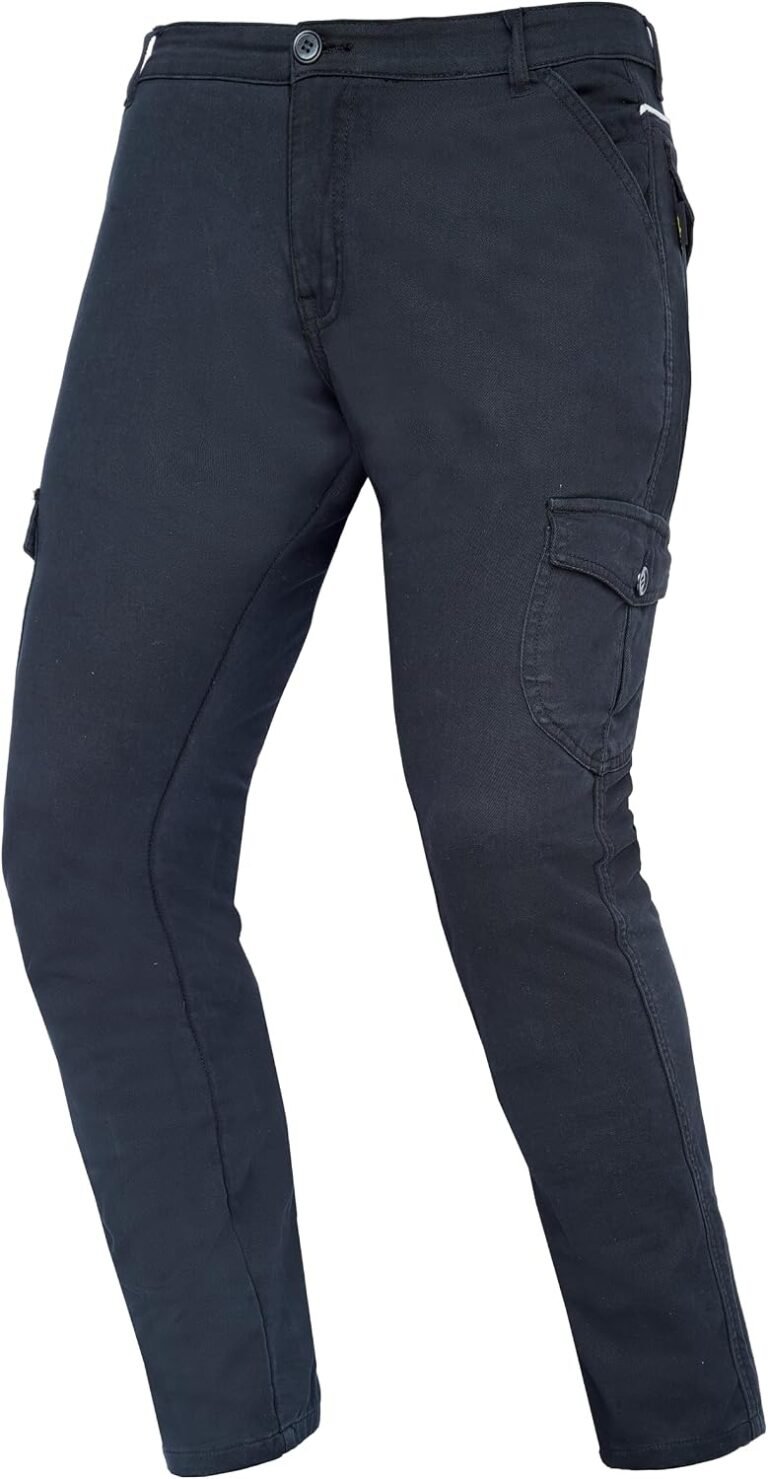
- Armoured motorcycle jeans — Denim-look pants with protective layers or aramid/kevlar reinforcement and removable knee/hip armour. Strengths: everyday wearability and comfort. Trade-offs: performance depends on materials and construction; many jeans lack published abrasion or armour certification, so verify details.
- Overpants & waterproof rain pants — Lightweight packable pants intended to go over riding pants when it rains. Strengths: packability and quick wet-weather coverage. Trade-offs: most are not abrasion-protective and should not be used instead of certified riding pants.
Each type trades off protection, comfort and weather management. For example, lightweight packable rain pants are great for unexpected showers, but they typically lack abrasion resistance and robust seams; use them as a weather layer, not primary armour.
Protection: armour, materials and certifications you can rely on
Protection in riding pants is two-part: abrasion resistance of the fabric and impact protection from armour.
Fabric and abrasion resistance: Look for pants that specify the textile used (e.g., Cordura, Dyneema, aramid/kevlar) and, if available, an abrasion rating or denier and construction details (e.g., reinforced panels, double or triple stitching). Brands that supply these details make it easier to evaluate protective value. If a listing lacks fabric specs, ask the manufacturer—don’t assume denim or unstated textiles are protective.
Impact protection (armor): Good pants either include removable protectors or have pockets that accept certified armour. The standard reference in Europe is CE EN1621-1 (for limbs) and EN1621-2 (for back); armour has different levels (Level 1 and Level 2) where Level 2 absorbs more energy. When a product lists included protectors, verify whether they are CE-certified and which level. If certification is missing from the listing, request confirmation from the manufacturer or retailer before relying on the armour.
Seams, construction and coverage: The strength of seams and whether high-wear areas are reinforced (knees, seat, outer thighs) are critical. A single tear in a seam can expose skin even when fabric is robust. Look for reinforced stitching, bartacks at stress points and overlapping panels in the knee and hip area.
Fit, sizing and how to test mobility and armour alignment
Correct fit is as important as material specs because armour must stay positioned over your knees and hips when you ride. Ill-fitting pants can leave armour off-centre during a slide or make you restrict movement while riding.
How to size: Measure waist and inseam using a well-fitting pair of pants you already own. For many riding pants, manufacturers provide a sizing chart—use it and pay attention to the fit notes (e.g., slim, regular, relaxed). For jeans-style motorcycle pants, note whether they run true to street sizes or require sizing up for armour and layering.
Try in a riding position: When you try pants in-store or at home, sit on a chair at bike height or on your bike. Check that knee armour sits over your kneecap and that there’s freedom to move without the pant pulling the armour out of place. Walk, crouch and simulate the riding posture. If the knee armour rides up or sits too low when seated, try a different size or a model with adjustable armour pockets.
Boot compatibility and cuffs: Consider how the pant leg interfaces with your boots. Some pants have internal gaiters or cuff zips that tuck into boots—useful for preventing flapping. For short-cut or tapered jeans, test whether the pant rides up uncomfortably when seated.
Climate, ventilation and waterproofing—choose for local conditions
Your local climate should heavily influence the pant features you prioritise.
- Hot climates: Look for ventilated textile pants with large mesh panels, or for jeans with breathable stretch and no heavy liners. Breathability and removable liners improve comfort on long rides.
- Cold climates: Prioritise thermal liners, windproof membranes and layering space. A good waterproof membrane helps retain warmth by blocking wind and water.
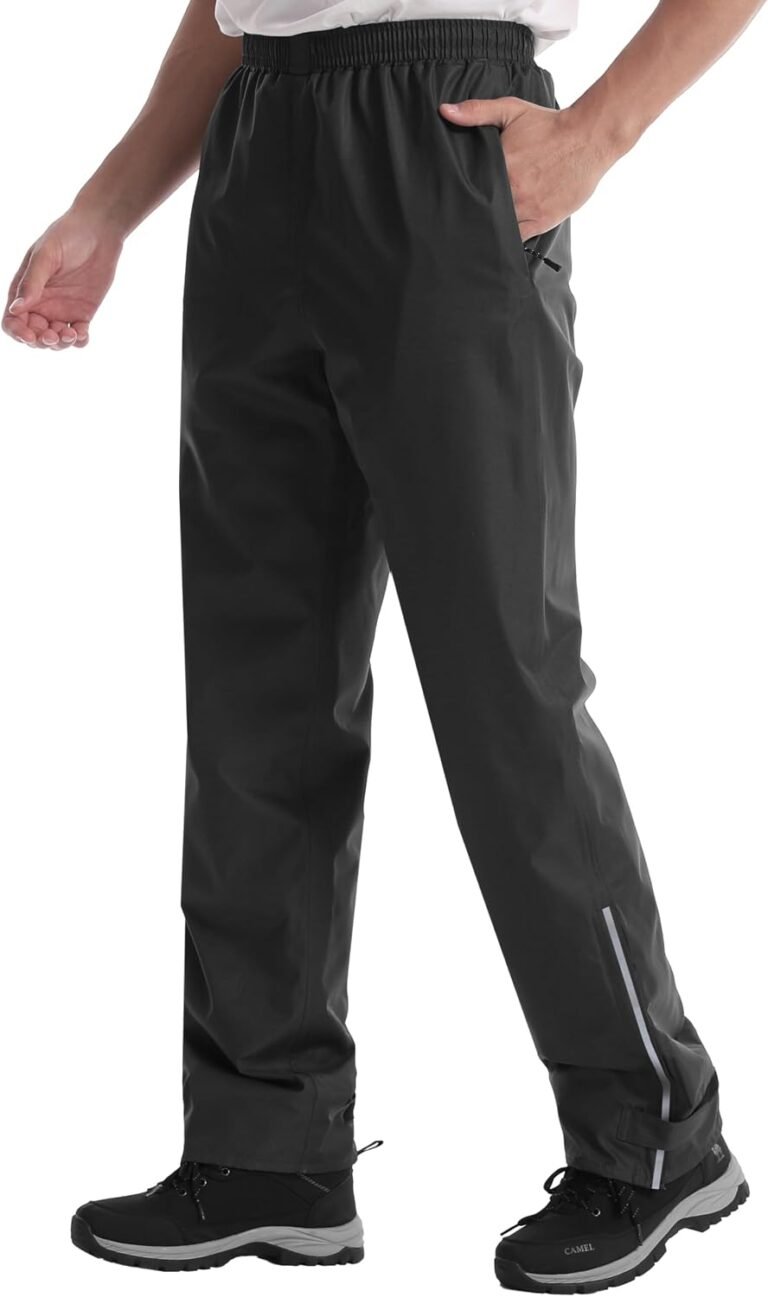
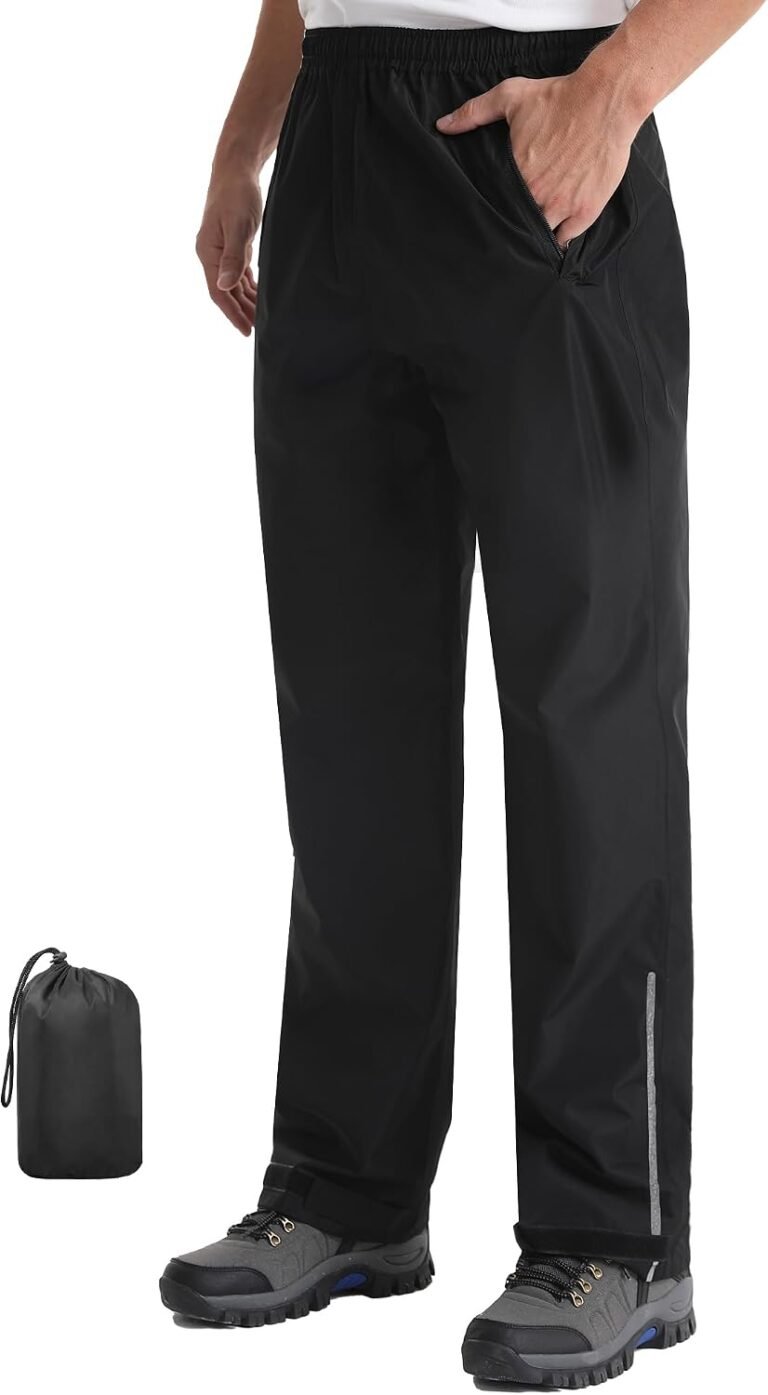
- Rain-prone riding: Decide whether you want integrated waterproofing (a taped-membrane pant) or a separate overpant. Integrated waterproof pants are convenient but can be heavier; overpants are lighter and packable but usually not abrasion-protective. For example, the supplied iCreek packable rain pants are a low-cost, lightweight overpant option with ankle zips and reflective strips; the listing highlights packability, mesh lining and ankle closure features, but it does not list a waterproof mm rating or abrasion resistance—verify those technical points if they matter to you.
Remember: waterproof overpants are for wet-weather coverage and not a replacement for abrasion-resistant riding pants. If you need both protection and waterproofing, choose a purpose-built riding pant with a waterproof membrane or a modular system (protective pants + waterproof overpant designed for motorcycle use).
Matching pants to riding styles: practical recommendations
Below are practical pairings of pant type to rider profile and why they fit.
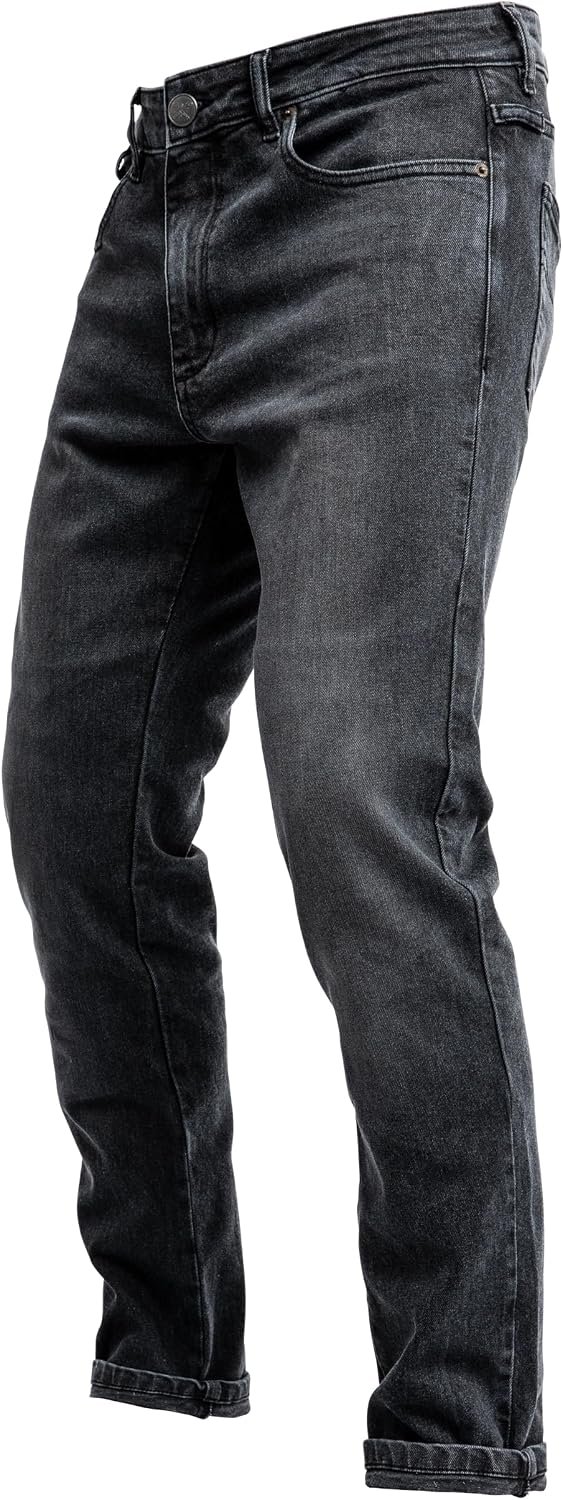
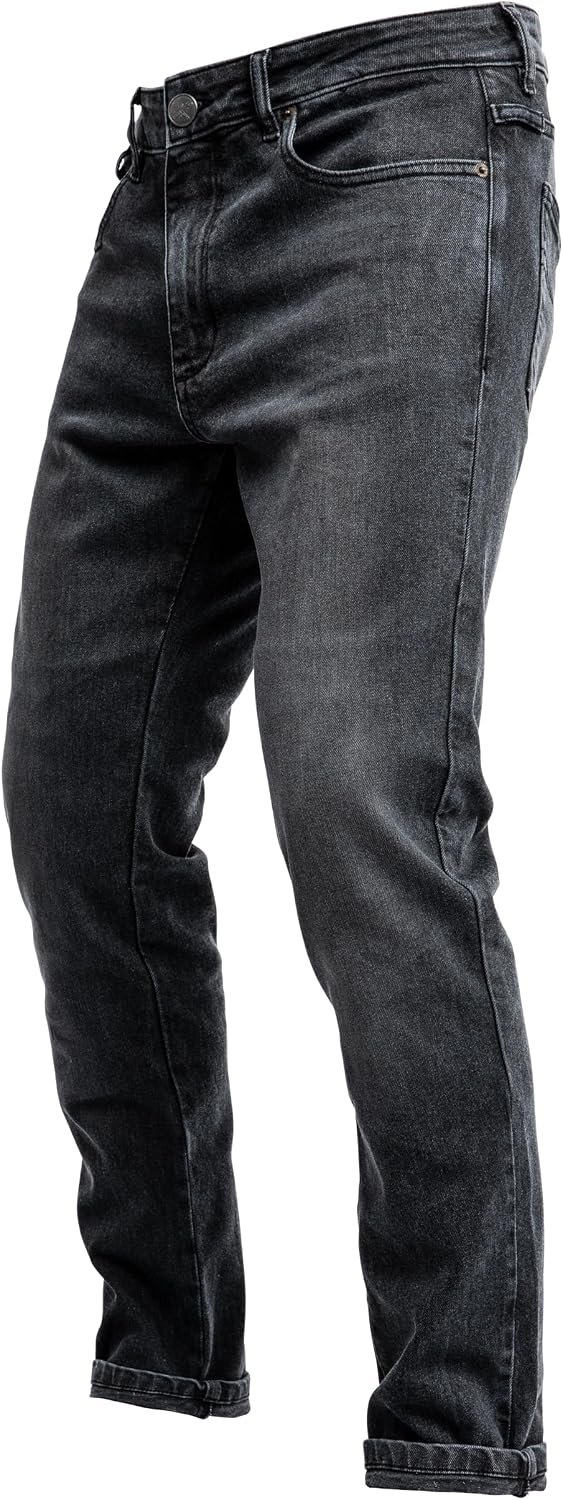
- Urban commuter / short trips: Armoured motorcycle jeans or lightweight textile pants with good stretch and removable protectors are popular. They blend on-bike protection with off-bike appearance. The John Doe Pioneer Monolayer XTM (supplied facts) positions itself as a stretch, breathable motorcycle jean that includes protectors and targets commuters and everyday riders. Important caveat: the supplied listing lacks published protector certification and material details, so verify armour standards and textile composition with the seller before using them as your primary protective gear.
- Long-distance touring: Textile touring pants with multi-layer construction, waterproof liners and plenty of pockets are ideal. Prioritize durability, liner comfort and the ability to add or remove thermal/wet liners.
- Sport/track riding: Full leather suits or leather pants with appropriate reinforcements and CE-certified protectors are recommended for the highest abrasion resistance. For track use, only use pants and armour with documented protective performance.
- Adventure/off-road: Durable textile pants with strong abrasion-resistant panels, knee armour pockets and ventilation are suitable. Off-road pants typically trade some comfort for ruggedness and mobility when standing on pegs.
- Occasional wet-weather coverage: Packable overpants—like the iCreek rain pants described in the supplied facts—are useful for unexpected showers and commuting. They offer waterproof coverage and stowability but are not a substitute for motorcycle-grade abrasion protection; confirm waterproof ratings and seam quality if you rely on them frequently.
Examples from the supplied product facts and what to verify
Two products from the supplied facts illustrate common offerings and the checks you should make before buying.
- John Doe Pioneer Monolayer XTM Motorcycle Jeans — The supplied facts describe these as a stretch, breathable denim-style motorcycle jean that includes protectors and targets commuters. That makes them a good fit for urban riders who value mobility and a jeans look. The important limitation in the supplied information is that the product page does not publish protector certification (CE level) or detailed textile construction and abrasion ratings. If you consider these jeans, ask the seller or manufacturer to confirm armour standard (e.g., EN1621 levels), the presence of aramid or other reinforcing layers, and any abrasion ratings before using them on higher-speed rides.
- iCreek Men’s Packable Rain Pants / iCreek Waterproof Rain Pants — The supplied facts show a lightweight overpant designed for packability and temporary wet-weather use, with features like zipper pockets, mesh lining, leg zippers and ankle adjustments. These are practical and affordable rain overpants for commuting and short wet rides. The listing does not provide a waterproof (mm) rating or abrasion resistance detail, so treat them as a weather layer only, not protective armour. They’re useful to carry as a backup over certified riding pants.
Use example product pages to learn about sizing, included features and real-user feedback, but always verify technical protective data with the manufacturer before relying on any product as your primary protective layer.
Maintenance, inspection and when to replace riding pants
Riding pants are safety equipment—treat them accordingly. Regular care and inspection extend usable life and ensure protection when it matters.
- Inspect after any crash or slide: Replace or thoroughly inspect any pants that experienced impact or abrasion; visible fabric damage, scuffed armour or pulled seams can mean the pants will not protect next time.
- Wash and care: Follow the manufacturer’s cleaning instructions. Many textile pants allow gentle machine wash but recommend removing armour and liners first. Avoid harsh detergents that can degrade membranes or coatings and never tumble-dry unless the label authorizes it.
- Waterproof membranes: If pants are waterproof, reproof membranes or outer coatings as recommended by the brand. Membranes don’t last forever—expect decreased performance over years depending on exposure.
- Armor checks: Remove and inspect armour periodically. Flexible foam armour can compress over time and lose performance. Replace armour according to manufacturer guidance or after a significant impact. If certification and replacement intervals aren’t documented in the product information, contact the manufacturer for guidance.
Budget, value and what to prioritize with limited funds
Not everyone can spend top dollar on riding gear. If your budget is tight, prioritise features that most directly affect safety and daily usability.
- Prioritise protection and fit: Choose pants with at least knee and hip armour or pockets for aftermarket CE-certified protectors. A well-fitting pant with good armour placement is more protective than a larger, thicker pant that shifts around.
- Use overpants for weather: If you can’t afford a fully waterproof touring pant, get a separate pair of waterproof overpants to stay dry for commuting. Remember, most low-cost overpants (including budget packable models) are not abrasion-protective.
- Buy used carefully: Second-hand protective clothing can be good value but always inspect for invisible damage—worn seams, crushed armour, or fabric thinning. Avoid gear with unknown crash history.
- Replace armour if needed: If a pant has excellent construction but low-quality included armour, consider buying aftermarket CE Level 2 protectors to upgrade safety without replacing the whole pant.
Practical checklist before you buy and common mistakes to avoid
Use the checklist below when evaluating any pair of riding pants.
- Does the product specify armour pockets and protector standards? If protectors are included, are they CE-certified and what level?
- Are fabric materials and reinforcements described (e.g., aramid panels, Cordura, denier, laminated membranes)? If not, ask the seller.
- Can you try the pants in a riding position to check armour alignment and mobility? If ordering online, confirm the return policy and sizing guidance.
- Do pant cuffs and closures work with your riding boots (gaiters, zips, toggles)?
- If you need waterproofing, does the pant have a specified waterproof membrane or are you buying overpants? Verify waterproof ratings if they matter to you.
- Check seam construction—are high-wear zones double-stitched and reinforced?
- Review maintenance and care instructions and confirm spare armour availability from the manufacturer if needed.
Common mistakes: (1) Buying on looks alone without verifying protective specifications; (2) choosing a size that’s comfortable standing but shifts armour when seated; (3) assuming waterproof overpants are protective against abrasion; (4) not confirming armour certification when using pants for higher-speed riding.