riderinstinct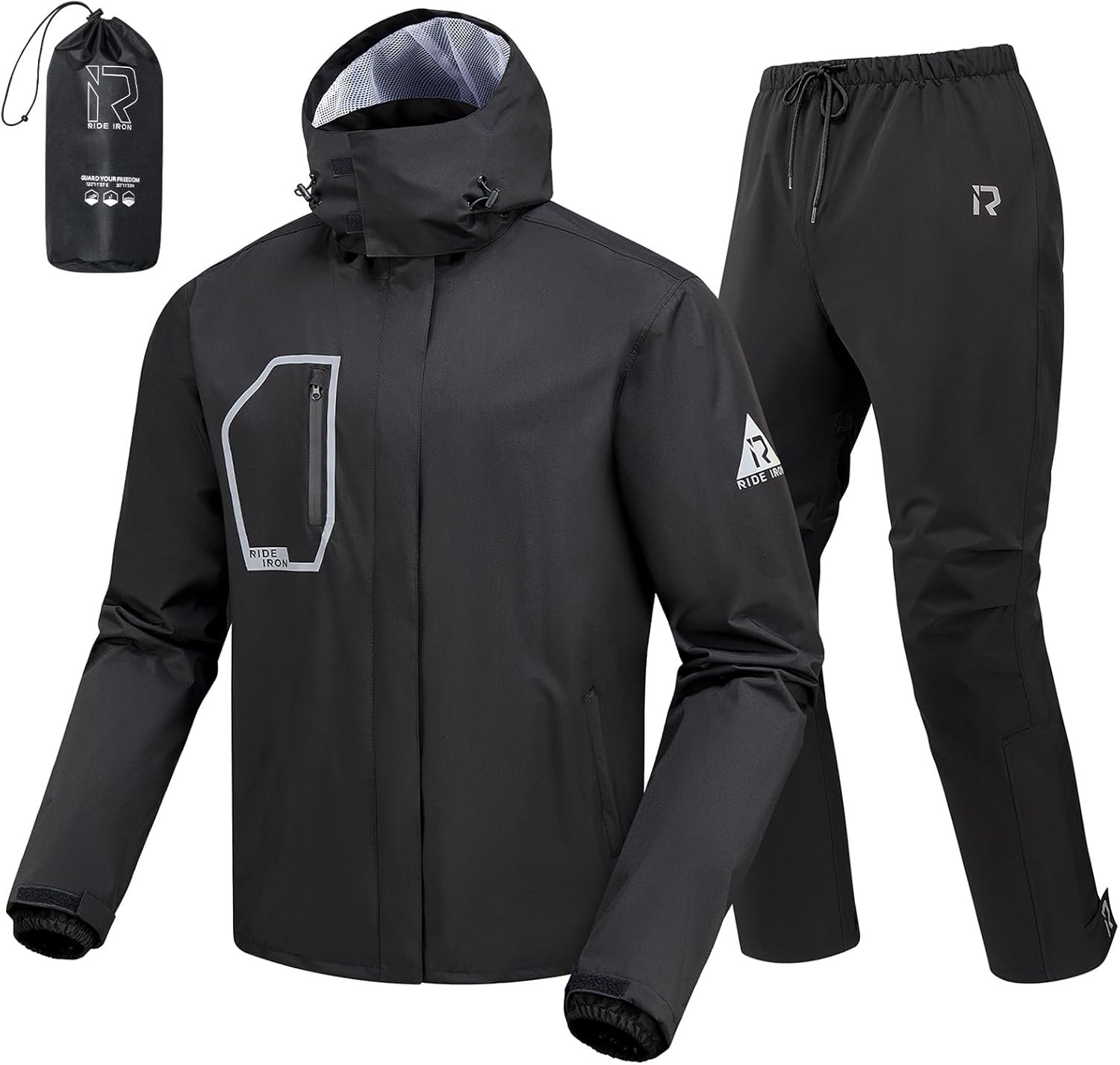
Why good rain gear matters for motorcyclists
Riding in rain isn’t just uncomfortable — it changes traction, visibility and reaction time. Being wet saps concentration and can make a short trip feel much longer. Motorcycle-specific rain gear protects more than your torso: it keeps wind and rain out of your cuffs and pant legs, prevents cold-related loss of dexterity, and helps you stay visible to other road users.
Not all rain gear is created equal. A cheap dry bag or thin poncho may keep you dry for a short run to the store, but it often fails on windproofing, seam integrity and compatibility with boots or armour. Good rain gear balances three things: waterproofing, breathability and fit. Which one you prioritise depends on how and where you ride.
How rain gear actually works — what you should check first
Waterproof garments are a system: fabric, seams, closures and vents all affect performance.
- Waterproof ratings: Many manufacturers quote a hydrostatic pressure number (e.g. 15,000mm). Higher numbers generally indicate stronger resistance to driven rain and pressure from sitting or leaning, but the number alone doesn’t guarantee performance unless seams and zippers are waterproof.
- Seam construction: Fully taped or welded seams keep water out at stitch lines. If seams aren’t taped, water can enter there even with a high-rated fabric.
- Zippers & closures: Water-resistant zippers, storm flaps and double layers over openings reduce leak points. Two-way zips can be useful for access to pockets under a jacket.
- Breathability: Waterproof membranes or coatings that allow moisture vapour to escape reduce internal condensation. Without breathability you’ll sit in your own sweat on longer rides.
When a product lists a waterproof rating, use that as one data point — then confirm seam and closure details before you rely on it for all-day wet weather riding.
Key features that actually matter for riders (not marketing fluff)
When evaluating rain gear, focus on features that affect real-world use.
- Packability and weight: Commuters often need a suit that stows small and is light. Touring riders may accept more bulk for added comfort and durability.
- Fit over motorcycle layers: You must be able to wear the rain suit over your armored jacket and pants. Look for adjustable hems, cuffs and waists and for pants with zippered leg openings that fit over boots.
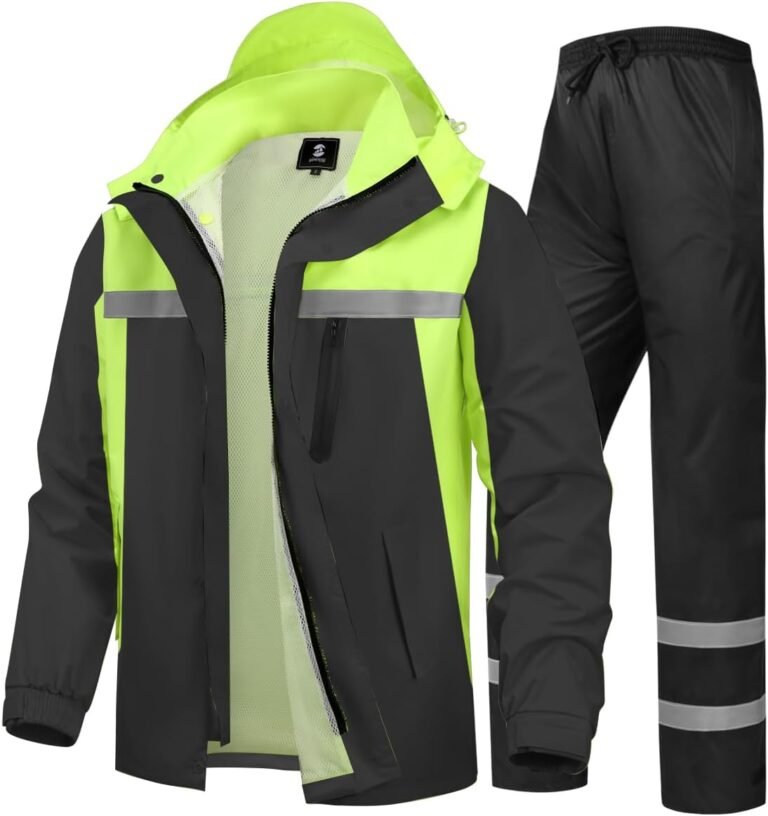
- Visibility: Reflective strips on arms, chest and back are essential for night or low-light rain. Hi-vis color panels help in daytime poor light.
- Ventilation: Rear vents, pit zips or mesh linings reduce internal moisture buildup. Without venting you can get soaked from the inside in longer rides.
- Durability and fabric weight: Heavier fabrics resist abrasion and scuffs from frequent use; lightweight fabrics are easier to pack but wear faster.
- Accessory compatibility: Two-way zips for access to jacket pockets, hoods that fit under (or over) helmets if applicable, and boot-friendly pant legs matter for everyday use.
Types of rain gear and the trade-offs
Broadly, motorcycle rain gear falls into a few useful categories. Each has trade-offs:
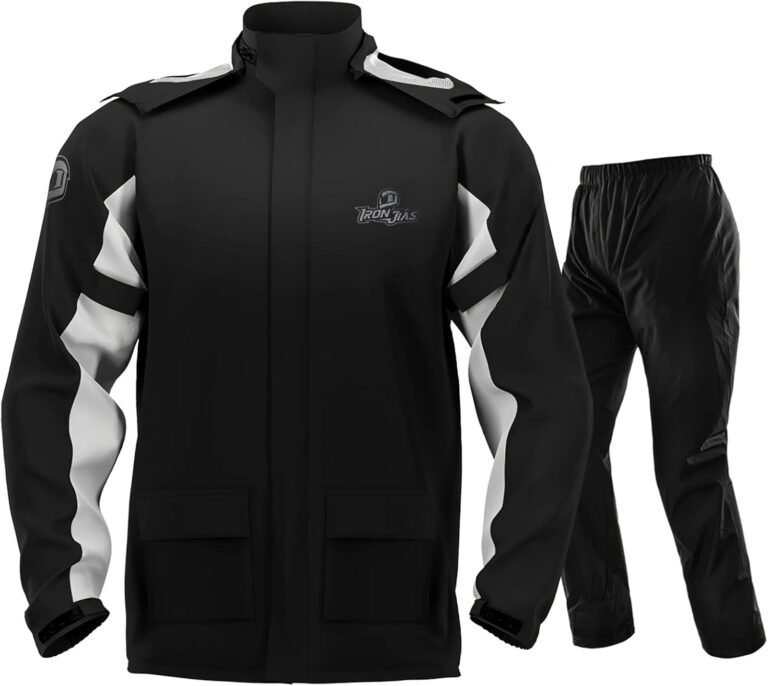
- Two-piece rain suits (jacket + pants): Versatile and common. Easy to put on over riding gear and typically offer better closure control and boot compatibility. Good balance for commuters and many touring riders.
- Full coverall / one-piece suits: Provide fewer entry points for water and are simple to use, but they’re harder to don with armor already on and are less flexible for short stops.
- Waterproof over-jackets: Lightweight and packable, these are good for short rides or as emergency layers. They sacrifice pant protection and often breathability.
- Breathable membrane jackets (Gore-Tex and alternatives): These are waterproof and breathable but cost more; usually better integrated into a textile motorcycle jacket rather than sold as a separate rainsuit.
Decide whether you need a permanent waterproof riding jacket (with armour compatibility and breathability) or a removable rain suit to throw on over your existing gear.
Sizing, fit and compatibility with motorcycle kit
Fit is the feature riders most often get wrong. Rain gear must fit over the layers and protective gear you actually wear on the bike. Measure while wearing the jacket and pants you’ll usually ride in, then size your raingear to go over that. Pay attention to these details:
- Range for layering: Choose adjustable waists, cuffs and hems so you can tighten the suit when you’re wearing only a shirt, and loosen it to go over bulkier kit.
- Pant leg design: Zippered or wide-leg pant openings that slide over boots without removing footwear are a major convenience feature on the road. Many product pages explicitly mention this; verify in photos or product Q&A.
- Mobility: Look for articulated knees, gussets or cut patterns that let you move in a riding position without fabric pulling or exposing gaps.
- Length: Sleeves and pant lengths should reach adequately to avoid exposed skin and to keep cuffs and hems sealed under wind and rain.
When buying online, check the seller size chart and reviews for information about how the product fits over armored jackets. If in doubt, size up rather than down for a cover suit.
Safety and visibility considerations
Rain reduces visibility for everyone on the road. Your rain kit should improve your chance of being seen. Look for reflective material on both front and rear and on sleeves and legs; reflective panels that wrap around the body are better than small patches.
Several products in our supplied list call out reflective strips — for example, the RIDEIRON suits and the BYKR suit list reflective strips on arms, front and back. The Milwaukee Leather MPM9510 also highlights hi-vis reflective piping. These features are valuable for city commutes and highway riding in low light.
Hi-vis color panels (lime/yellow) are helpful in daytime fog and heavy downpours, while reflective strips are most effective at night. The ideal rain suit combines both where possible. If a product page lists a compliance claim or certification, verify that claim on the manufacturer page before assuming a legal or safety standard is met.
Care, testing and maintenance — keep your rain gear working
Waterproof gear is not maintenance-free. Seams, coatings and zippers need care to remain effective.
- Test before you need it: After buying, spray the suit with water and check for leaks at seams and zippers. This is a quick way to spot obvious issues before you rely on it during a commute.
- Washing: Follow the manufacturer’s cleaning instructions. Harsh detergents and high-heat drying can strip durable water repellent (DWR) finishes and damage membranes.
- Reproofing: DWR finishes wear; you can restore surface water beading with commercially available reproofing sprays or wash-in products. Consult the product care instructions for recommended products and temperatures.
- Zippers and closures: Keep zippers clean and periodically lubricate with appropriate zipper wax or lubricant intended for waterproof gear.
Store rain gear dry and folded loosely — compressed long-term storage can damage membranes and creased coatings.
Examples from our product facts — who they suit
Use the examples below to match a product type to a rider need. These are supplied product facts and summary points — verify sizing, warranty and seam construction on the seller page before buying.
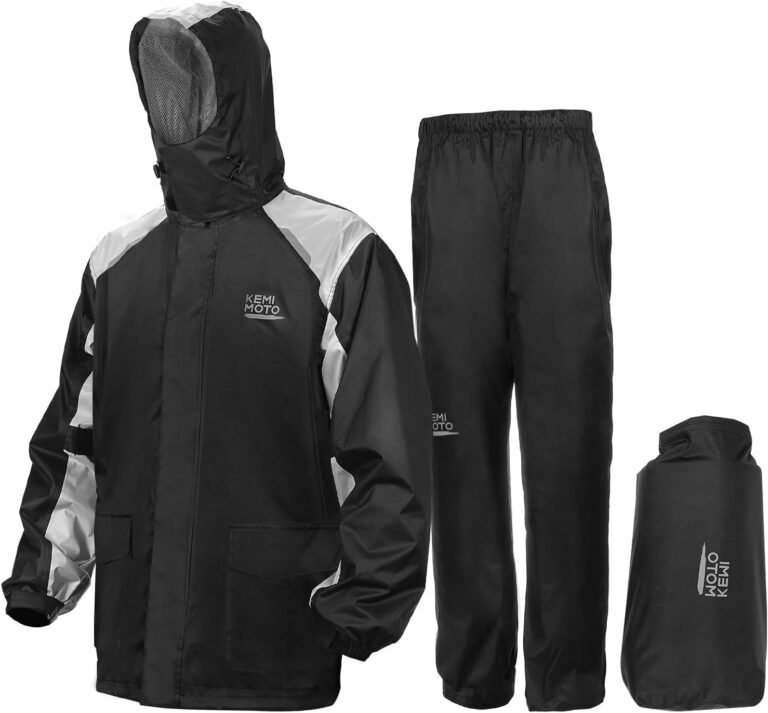
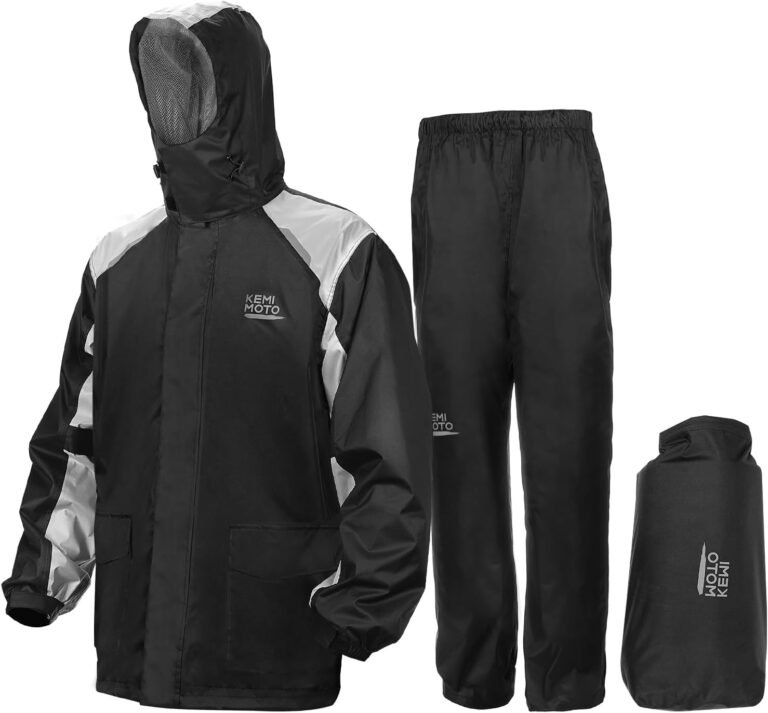
- KEMIMOTO Waterproof Motorcycle Rain Suit (listed 15,000mm): The supplied facts list a 15,000mm waterproof rating, reflective strips and a breathable mesh lining with rear vents. The product is presented as value-oriented and suitable for commuters and casual riders who want strong waterproofing and visibility. The saved review notes the suit’s good value but recommends verifying seam construction and sizing before purchase. (See product page: KEMIMOTO review link.)
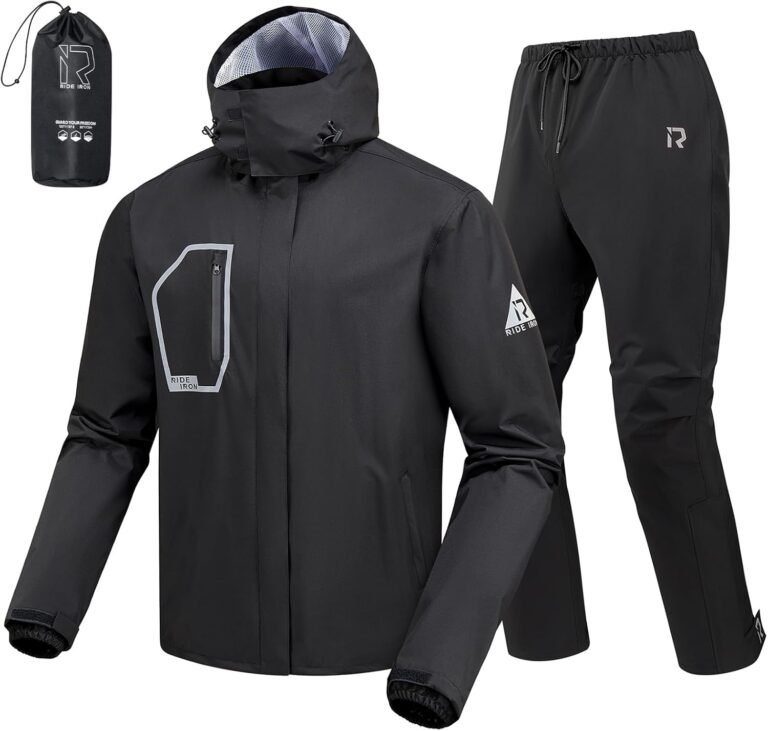
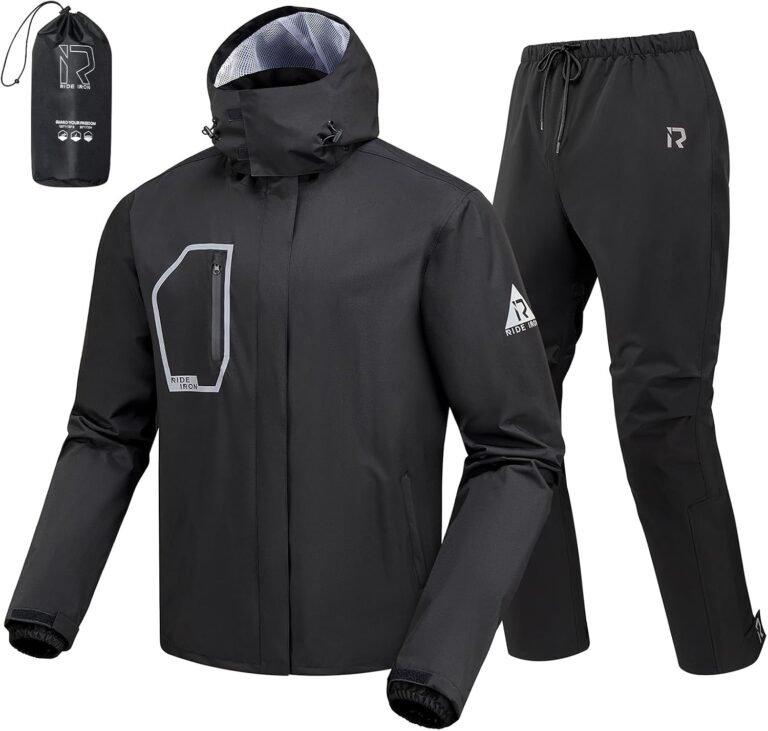
- RIDEIRON Rain Suit (listed 15,000mm): The RIDEIRON suits (multiple listings) call out a 15,000mm waterproof rating, 360° reflective visibility, two-way waterproof zippers, reinforced storm flaps and zippered pant legs that go over boots. These features make it a strong commuter option where access to under-jacket pockets and boot compatibility matter.
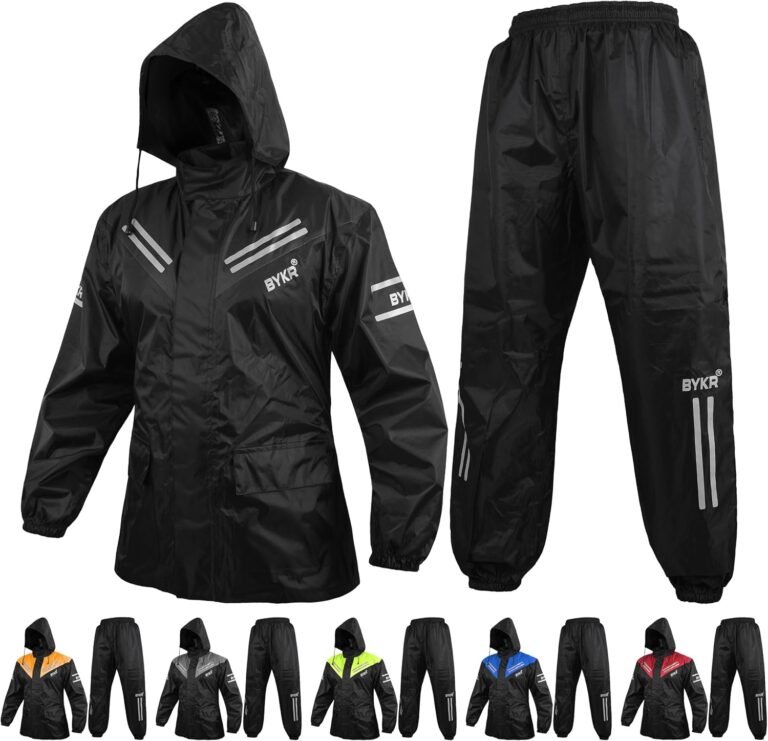
- BYKR Waterproof Outdoors Rain Suit: Marketed as breathable and lightweight with reflective stripes on front/back/arms/legs. Good candidate for riders who value packability and ventilation for shorter or mixed rides.
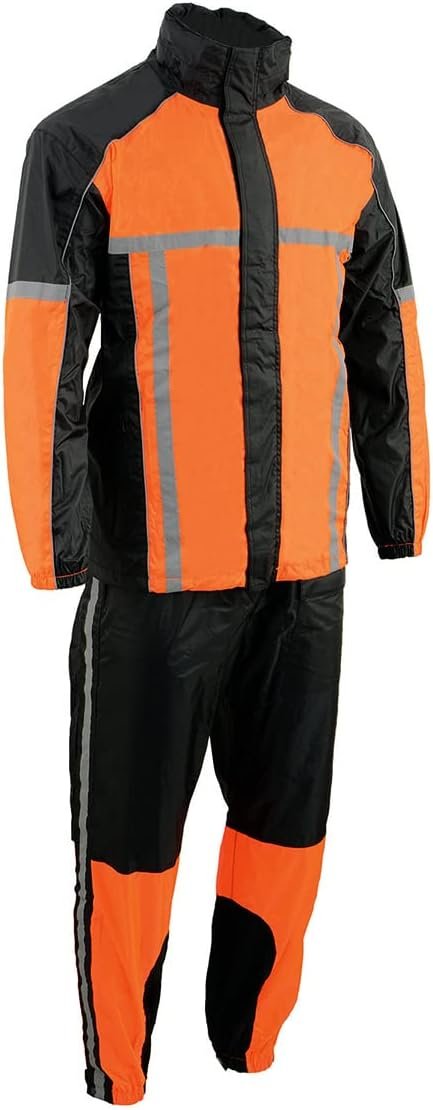
- Milwaukee Leather MPM9510: Described as water-resistant (Oxford nylon) with hi-vis reflective piping. This is more of a traditional, rugged rain suit offering day/night visibility. “Water-resistant” implies a different performance level than products listing a hydrostatic rating — verify whether the suit is fully waterproof and whether seams are taped.
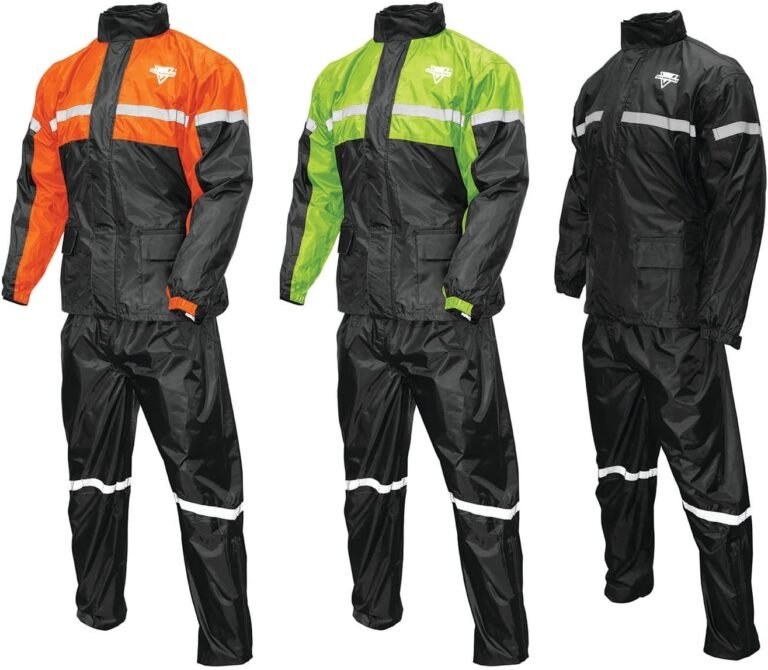
- Nelson Rigg Stormrider: Listed as “100% waterproof” with reflective striping in supplied facts. Product page should be checked for seam sealing, zipper design and how it fits over armored clothing.
All these options illustrate common trade-offs: highly waterproof, less-breathable suits; breathable, more-expensive membranes; and lightweight emergency options that pack small. Prioritise the attributes that map to your riding style.
How to decide: a simple decision process
Follow these steps to pick the right rain gear for your needs:
- Define your primary use: Daily commuter, occasional rider, long-distance tourer, or multi-season commuter?
- Prioritise features: Waterproofing & seam taping, breathability, packability, visibility, or durability?
- Check compatibility: Ensure the suit fits over your armored jacket and boots (size up if unsure).
- Inspect seam & closure details: If the product page doesn’t explicitly say taped/welded seams and water-resistant zippers, contact the seller or check reviews.
- Budget & maintenance: Lower-cost suits can be excellent for frequent short rides; invest in breathable membranes if you ride long hours in mixed weather.
As a short example: if you commute 40 minutes each way and expect frequent rain, pick a taped-seam two-piece suit with a listed waterproof rating and reflective panels. If you need an on-bike, always-stowed option for rare showers, pick a very packable jacket and storeable pants.