riderinstinct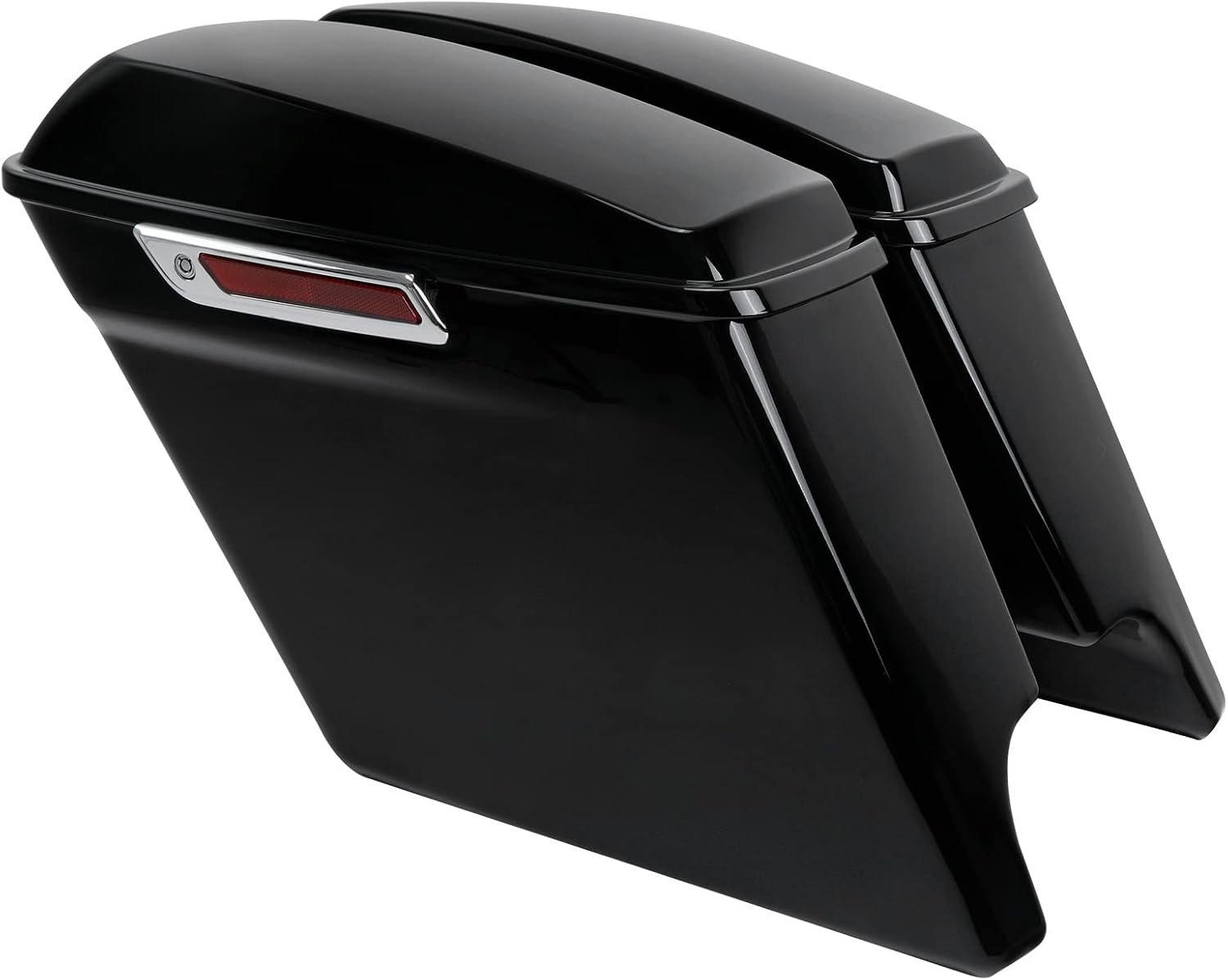
Why touring equipment matters and how to frame your decision
Touring equipment isn’t just about carrying more stuff. It changes how your motorcycle rides, affects safety, and alters your day‑to‑day convenience on a trip. The first step is to define the questions your gear must answer:
- How long are your trips? Day rides, weekend runs or multi‑day tours with camping?
- Will you ride solo or two‑up? Passenger and luggage choices affect capacity and balance.
- Do you need theft protection or is easy access the priority?
- What weather will you encounter—rain, sun, dust or a mix?
Answering those defines the trade‑offs you’ll make. Don’t buy the biggest saddlebag available if you rarely use it—extra weight changes handling and heat management; conversely, undersized gear forces bad compromises on the road. This guide uses that framework: define needs, then pick luggage, racks, protection and navigation tools that match.
Core touring categories and what actually matters
Treat touring equipment as five practical systems that interact:
- Luggage (saddlebags, top cases, tank bags): capacity, weatherproofing, locks and aerodynamics.
- Mounting hardware (racks, docking stations): fitment, load path into the frame, and whether additional factory kits are required.
- Weather protection (covers, rain suits, liners): keep gear and rider dry and reduce corrosion risks.
- Navigation & electronics (GPS mounts, wiring): secure, vibration‑resistant mounting and power routing.
- Security & convenience (locks, quick‑release systems, liners): trade convenience vs theft resistance.
When comparing products, focus on three practical attributes: compatible fitment with your motorcycle, the real‑world weather protection they provide, and how their weight or shape affects handling. Price matters, but the wrong part for your bike is a waste regardless of cost.
Hard vs soft luggage — trade-offs and who each suits
Hard saddlebags and top boxes offer lockability, better weather protection and a tidy look. Soft saddlebags and dry bags are lighter, forgiving of odd shapes, and generally less expensive.
Consider these trade‑offs:
- Security: Hard luggage (locked and bolted) is better against opportunistic theft. Soft luggage can be secured with straps and locks, but is more vulnerable.
- Weather resistance: Molded hard bags with liners and sealing strips give better out‑of‑the‑box weather protection. High‑quality soft luggage with good waterproof liners can equal that but depends on bag design and packing technique.
- Weight and handling: Hard cases are heavier and can raise the bike’s unsprung or total mass. On long trips this affects fuel consumption and cornering feel.
- Fit and finish: OEM hard luggage often matches the bike’s aesthetics and mounting systems. Aftermarket hard bags can be cost effective but check fitment notes carefully.
Who should pick what:
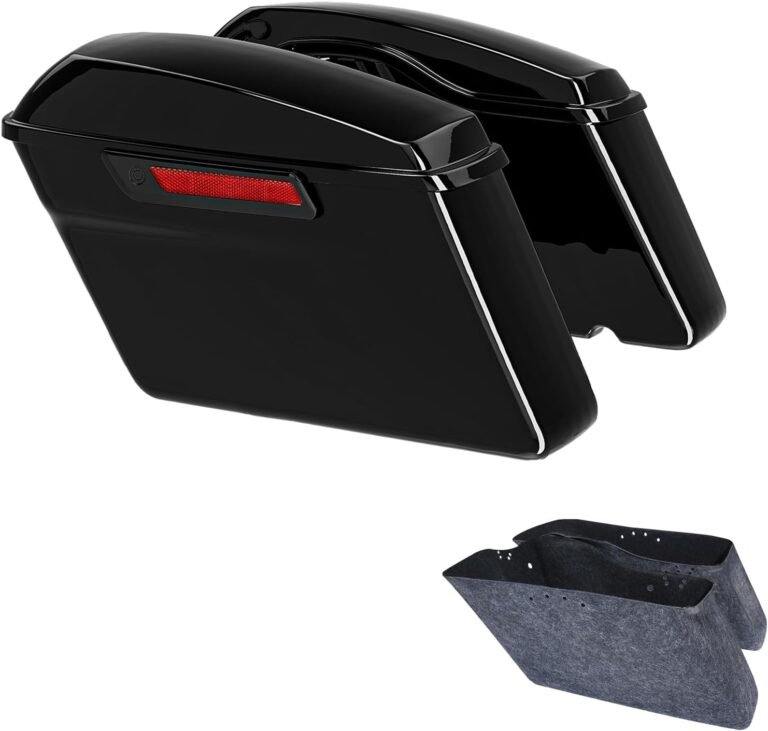
- Choose hard luggage if you carry valuables, need locked storage routinely, or prefer a permanent solution for long rides. Example: XFMT hard saddlebags provide large capacity, liners and keys for many Harley Touring models (2014–2024), making them a practical budget hard‑luggage choice.
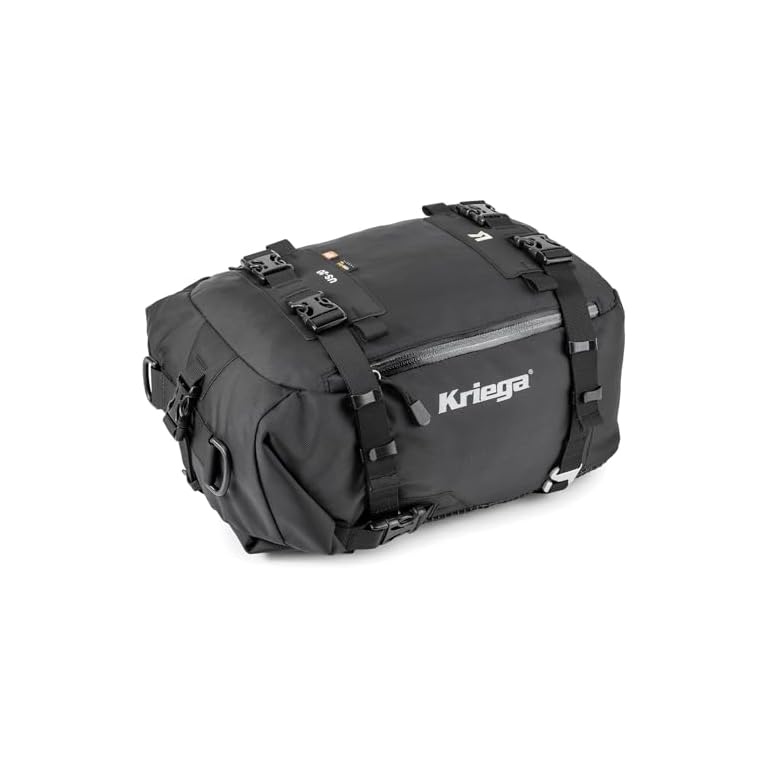
- Choose soft luggage if you want the lightest option, occasional removal, or need flexible packing for camping gear.
Luggage fitment and compatibility — the most frequent gotcha
Fitment errors are the most common, expensive mistake. Luggage and racks are designed around specific models, model years and existing docking hardware. Before purchase:
- Confirm exact model and year compatibility against the product listing. Some hard bags or racks exclude particular late variants—read the fitment notes.
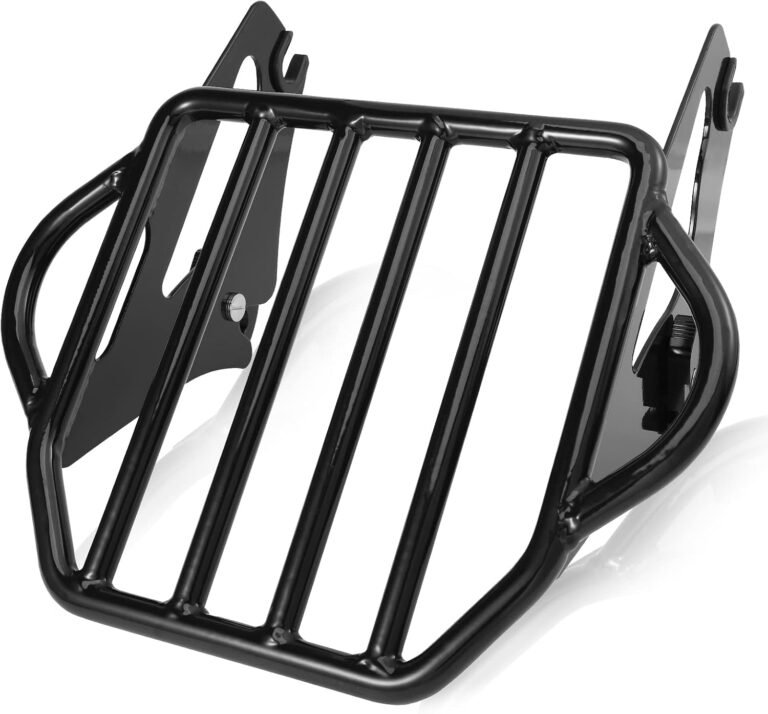
- Check whether the accessory requires additional hardware (docking kits, conversion brackets or specific bolts). For example, the stainless steel removable luggage rack for 2009‑up Harley Touring models lists requirements: some bikes require purchase of a separate 4‑point docking hardware kit or conversion kit for rigid mount Tour Packs.
- Know the mounting system on your bike (saddlebag supports, subframe points, docking studs). If your bike is modified, stock fitment may no longer apply.
If a product listing does not include a numeric load rating or clear mounting diagram, contact the vendor or verify installation instructions prior to purchase. Never assume one bracket will fit every bike or that conversion hardware is included.
Racks, docking hardware and load limits — practical checks
A rear rack or detachable tour‑pack rail extends your options: top bags, dry bags, or a removable trunk. But racks attach forces to the frame—use parts designed for your bike and check load guidance.
Buying checklist for racks:
- Confirm the rack’s model fitment list: the Crown detachable luggage rack lists extensive compatibility with many Harley Touring years and models—match that to your bike.
- Look for details about required docking hardware. The stainless steel two‑up rack notes that ‘rigid mount Tour Pack luggage require purchase of appropriate H‑D Detachables Tour Pack Conversion Kit’ and that some ’09‑later models need a 4‑point Docking Hardware Kit (not included)’. Plan to add those kits if needed.
- Verify or request a load limit. If a numeric capacity isn’t listed, ask the seller or plan conservatively—use lightweight luggage and secure straps.
Practical tip: a rack is only as useful as the luggage you plan to secure to it. For casual top‑bag use, a universal flat rack like the stainless steel model works well; for a proper detachable tour pack that locks and docks, choose a system designed around the factory docking hardware.
Smart small‑carry choices: tank bags and GPS mounts
Small, well‑placed storage solves many first‑tour problems. A compact tank bag gives easy access to maps, snacks, water and phone chargers; a secure GPS mount improves navigation and safety.
Example gear:
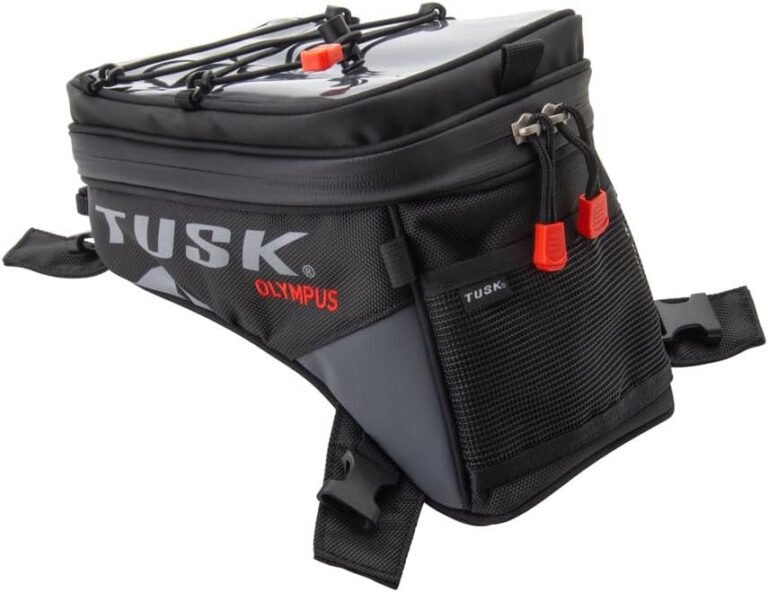
- TUSK Olympus Small Tank Bag (4.5L) — a compact, adventure‑ready tank bag with YKK zippers, a clear map/phone pocket, cable port and included rain cover. It’s a practical choice for riders who want quick access to essentials without a big weight penalty.
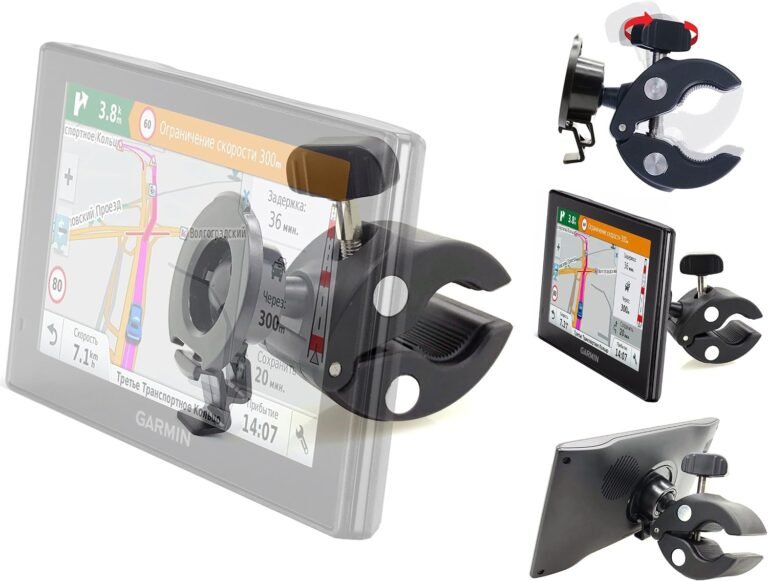
- GPS/phone mounts — choose clamp‑on mounts that fit your handlebar diameter and include a vibration‑damping joint. The HeavyDuty clamp mount for many Garmin models promises an easy tool‑less install and 360° adjustment—verify clamp fit for your bars (up to 1.75″ was listed in the item description).
Mounting advice: run charging cables safely—use braided cable sleeves and secure tie points to prevent snagging. If charging permanently on the bike, route wiring to a fused accessory feed or a purpose‑built power socket and protect connections from corrosion.
Weather protection: covers, rain suits and bag liners
Keeping gear and rider dry preserves comfort and reduces the risk of water reaching electronics and causing corrosion. Practical options:
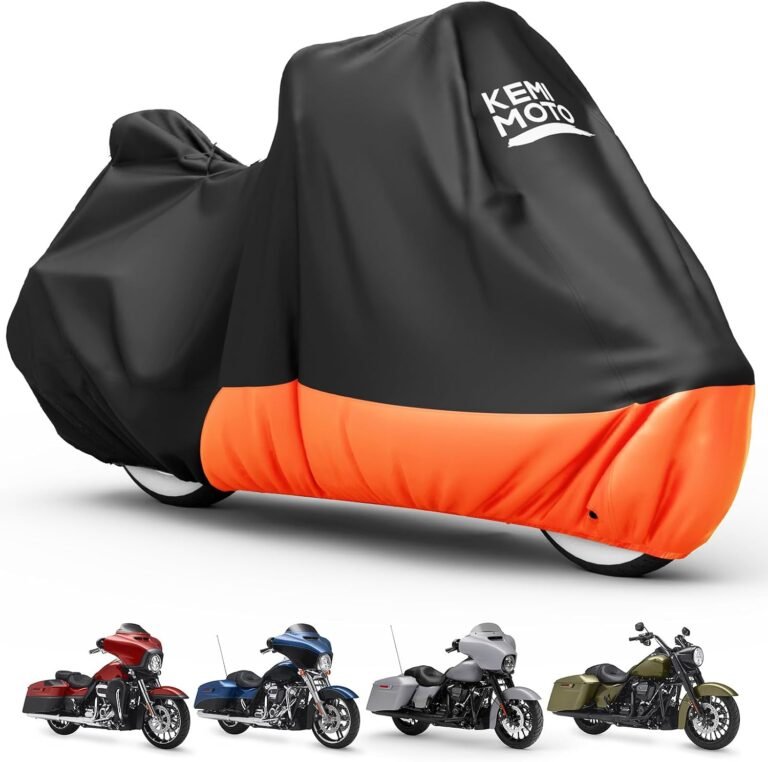
- Motorcycle covers protect parked bikes from UV, rain and dust. The KEMIMOTO Heavy Duty 420D cover is made for Touring models and claims a durable Oxford fabric with PU coating and a stated hydrostatic pressure rating in the listing—verify the model size against your bike before purchase. Note safe use: don’t install a cover on a hot bike.
- Rain suits for the rider should prioritize waterproof seams, visibility and breathability. The OUMURS rain suit lists a 15,000mm H2O anti‑hydrostatic rating and reflective strips for night visibility; check the sizing and consider going one size up if you ride layered clothing.
- Liners and internal organization help keep items dry even if outer luggage is compromised. Some hard saddlebags include removable liners for this reason.
Real‑world tip: a cheap dry bag inside your saddlebags is one of the easiest, most reliable ways to protect valuables against unexpected leakage or a faulty seal.
Examples from the RiderInstinct product list — who they suit and limitations
Below are practical examples taken from products in our catalog. Use them as illustrations of how to match gear to a rider’s needs—not as exhaustive endorsements.
- XFMT Hard Saddlebags (id 1891): Good capacity, liners and keys for many 2014–2024 Harley Touring models. A value‑oriented hard luggage solution that offers lockable storage and basic weather sealing. Limitations: does not fit several late Touring variants and conversion brackets for other frames are not included—verify fitment before buying. (See full review: XFMT Hard Saddlebags Review.)
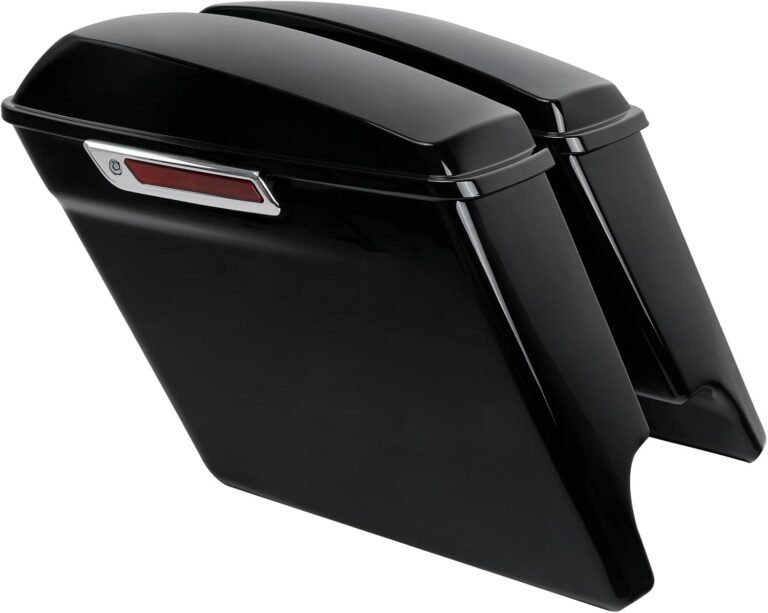
- TCT‑MOTORPARTS Vivid Black 5″ Stretched Saddlebags (id 3822): An aftermarket 5″ stretched ABS option for many Touring models (2014–2024) offering the stretched look and chrome latches. If you want a rear profile that covers mufflers and cleans up the lines, stretched bags are a styling choice—confirm exact model compatibility and whether your mufflers or supports require trimming or different hardware (product page).
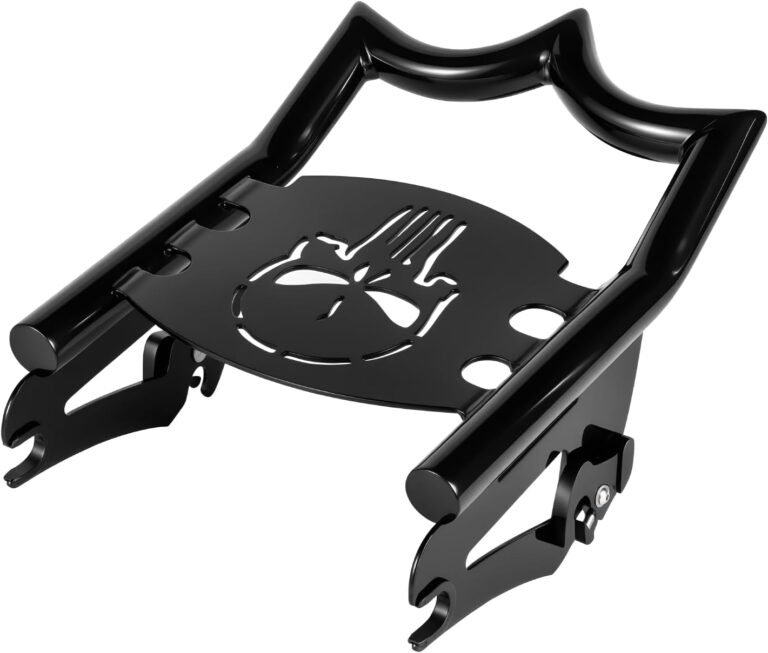
- Detachable Luggage Racks (id 1624 and id 3381): Two rack styles appear in our list: a stainless‑steel two‑up detachable rack (id 1624) and a Crown detachable luggage rack (id 3381). Both increase lash‑down options for 2009‑up Touring models and claim durable finishes. Important limitation: some installations require separate Harley docking hardware or conversion kits. Check the fitment notes and whether a specific docking kit is included.
- TUSK Olympus Tank Bag (id 2800): A compact, weather‑ready tank bag (4.5 L) with a phone/map pocket, cable port and rain cover—good for day trips or to keep phone and docs within reach.
- KEMIMOTO 420D Cover (id 3068): A heavy‑duty cover intended for Touring models with top/side boxes. It offers UV protection, PU coating and scratches‑resistant Oxford fabric. Verify cover dimensions against your bike and avoid fitting over a hot exhaust after riding.
Installation, load distribution and safety checks before your first long ride
Installation quality and how you load the bike strongly affect safety. Follow these steps before any long ride:
- Double‑check mounting torque and hardware against product instructions. If the listing omitted installation torque values, refer to the motorcycle’s service manual or the component manufacturer.
- Balance loads: keep heavy items low and near the bike’s centerline (close to the rider and the frame). Heavy, forward weight affects steering; heavy rear weight amplifies tail wag at speed.
- Secure every strap: use proper ratchet straps or cam buckles with soft edges to protect paint. Ensure tie points are solid and not pulling on bodywork only.
- Test ride locally: with luggage loaded to your planned weight, ride on local roads to assess handling, braking, and vibration. Listen for rubbing, chafing or loose parts.
- Check tires, suspension and brakes after loading. Increased mass changes recommended pressures—consult your motorcycle or tire manufacturer for correct cold pressure when carrying luggage and passenger.
Any unusual behavior—pulling, oscillation, or overheating—means reassess load, reduce weight, or change packing arrangement before continuing on a tour.
Budgeting, maintenance and long‑term care
Plan for more than the purchase price: installation hardware, possible docking kits, and maintenance matter. Practical budgeting tips:
- Allow for installation accessories: brackets, bolts and docking kits are common extras—check the listing and your motorcycle’s requirements.
- Factor in weatherproofing: thick liners, dry bags and quality zippers add cost but pay off in gear longevity.
- Service items regularly: check seals on hard luggage, lubricate locks, and clean covers to prevent abrasive dirt from scratching paint.
Storage note: when bikes are left outside, use a breathable but weatherproof cover like the KEMIMOTO 420D unit to reduce UV and water exposure. For removal and reinstallation, mark or photograph mounting locations so reinstalling after service is easier.