 riderinstinct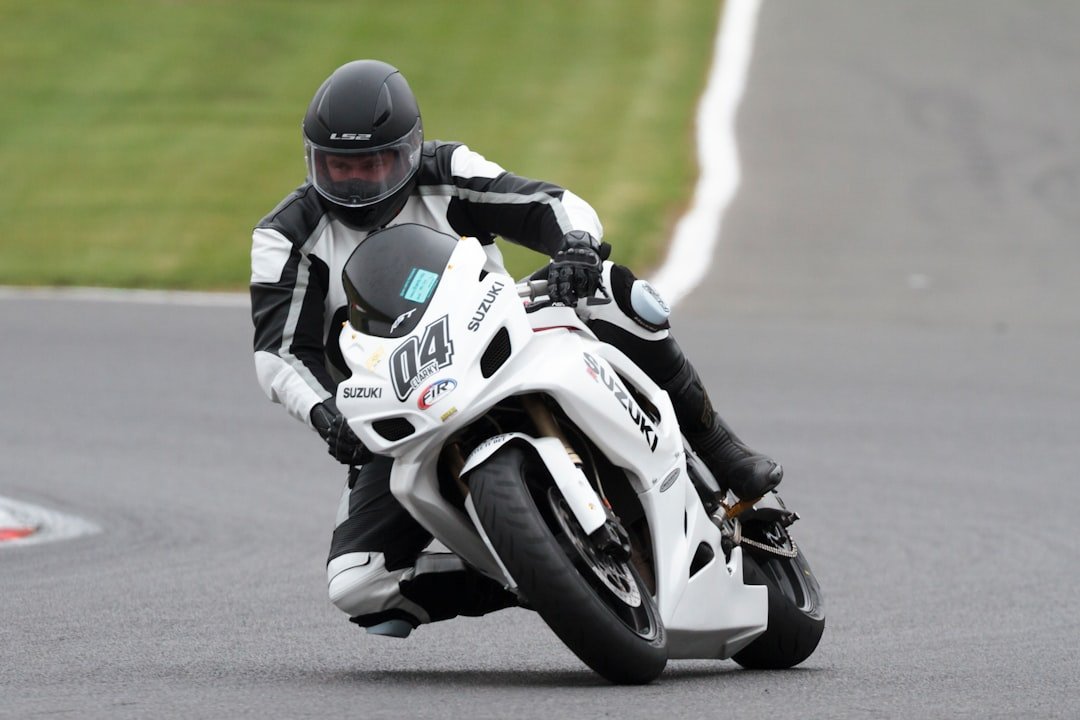
Why cornering technique matters (the decision framework)
Cornering is where the imbalance between speed, traction and rider skill becomes most obvious. A turn that’s handled well feels predictable and controlled; one handled poorly can be unstable and dangerous. Improving cornering isn’t only about going faster—it’s about raising your margin for error, improving your ability to read road conditions, and reducing the chance of a mistake becoming a crash.
Approach improvement as a layered decision: manage the motorcycle, manage yourself, and manage the environment. Motorcycle management covers mechanical readiness and setup; rider management covers vision, inputs and body position; environment management covers road surface, weather and traffic. Before you try to go faster, make each layer predictable. That reduces risk and makes skill gains usable on real roads.
This article focuses on safe, repeatable techniques and a realistic practice plan. Where motorcycle-specific measurements matter (tire pressures, suspension sag, or manufacturer-specified limits), we’ll tell you to verify those in your owner’s manual or with a qualified technician rather than guessing.
The fundamentals: traction, weight transfer and smooth inputs
Cornering comes down to managing the available traction and how the bike’s weight is distributed. Traction is finite: braking, accelerating and turning all use the same grip. Understand the concept of a traction envelope (sometimes called the traction circle): the more you brake or accelerate, the less cornering force the tire can provide, and vice versa.
Weight transfer changes how much grip is available at each wheel. Braking moves weight forward and increases front tyre load (helping front grip up to a point); acceleration shifts weight rearward. Suspension and preload, rider position, and passenger or luggage all affect weight distribution and should be considered when practicing cornering.
Because the limits of traction are the real constraint, smoothness is your single most valuable skill. Smooth steering, throttle and brake inputs preserve grip and make the bike’s behavior predictable. Sudden or abrupt changes in any of these inputs increase the chance of exceeding traction and losing control.
Pre-ride setup: what to check before practicing
Before you work on technique, make the motorcycle predictable and safe. A well-maintained bike allows rider skill to translate into better cornering; a poorly maintained one creates surprises.
- Tires: Check tread condition and look for uneven wear, cuts or bulges. Verify correct cold pressures per the owner’s manual. Tire condition directly affects available grip—never guess pressure or lifespan.
- Brakes: Ensure pads have adequate material and the system feels firm. Any sponginess should be inspected before you practice higher-speed entries.
- Suspension: Basic settings affect handling—verify sag and preload are appropriate for rider weight and load, or get a professional setup. If suspension feels harsh or bottoms easily, reduce speed and address the issue before pushing cornering limits.
- Controls and ergonomics: Ensure handlebars, levers and foot controls are comfortable and adjustable to suit a predictable, relaxed posture.
If you’re unsure about any of these checks, consult your service manual or a reputable mechanic. Manufacturer documentation is the authoritative source for pressures, torque settings and suspension baseline figures.
Vision and line selection: where to look and why it matters
Vision is the first action that sets up a good corner. Where you look determines where the motorcycle goes—your hands and body naturally follow visual targets. Adopt a scanning pattern: look to the corner entry, then through the apex and to the exit before and while you turn.
- Entry: Identify hazards, surface changes and the widest safe line you can use given oncoming traffic and lane constraints.
- Apex: The apex is not a fixed point for every corner. Choose a late or early apex depending on visibility and the corner’s geometry; for unknown or blind exits, a later apex keeps you safer.
- Exit: Look to where you want to be after the corner; maintaining a steady visual path smooths your steering and throttle inputs.
Practice target fixation avoidance: deliberately keep your eyes on the positive path you want rather than obstacles. If there’s a hazard on the side of the road, actively choose an open spot to focus on. Your body will steer toward where you look, so train your eyes first.
Steering and body position: countersteering and rider weight
Countersteering is the primary steering method on most modern motorcycles. At any speed above slow maneuvers, pushing on the right handlebar briefly causes the bike to lean right and start a right turn; pushing on the left handlebar causes a left turn. The initial push is small and quick—the lean follows almost immediately. This is a mechanical effect, not a sign of weakness.
Body position complements steering. For everyday riding, keep a relaxed grip, elbows slightly bent and head up. For tighter or faster corners, use mild torso shift or hip steering: move your hips toward the inside of the turn and keep your upper body relaxed and aligned with the bike. Full hanging-off techniques used in track riding aren’t necessary (or safe) for most street riding—only adopt aggressive body positions if trained and in a controlled environment.
Keep these practical guidelines in mind:
- Grip the tank with your knees lightly—this stabilizes your lower body without tensing your shoulders.
- Keep your eyes up and focused through the corner; don’t tuck your chin.
- Use small, precise countersteering inputs rather than large, jerky movements.
Braking and throttle control through the corner
How you use the brakes and throttle largely determines corner speed and stability. A common, safe sequence is: reduce speed early and smoothly before the turn, maintain a steady roll-in through the corner, then progressively apply throttle after the apex to stabilize and unwind the bike.
Key points:
- Trail braking: Skilled riders sometimes keep light front brake into the early turn to manage entry speed and steering load. This requires practice and subtlety—if you’re new to it, learn from an instructor and practice at low speeds first.
- Throttle consistency: Smooth, small throttle adjustments through the corner help balance the bike. Sudden throttle openings can increase load on the rear tire and change the bike’s attitude quickly; abrupt closures can upset the chassis.
- ABS and electronics: If your bike has ABS, traction control or cornering ABS, these systems can help at the limit but are not substitutes for smooth technique. Know what your systems do by consulting your owner’s manual or manufacturer materials.
Always separate general technique from motorcycle-specific procedures. For example, the correct brake lever pressure or ABS modes depend on your bike—verify recommended use in the manual or with a trainer.
A progressive practice plan: drills to build skill safely
Structured, repeatable practice is the fastest and safest way to improve. Use a quiet parking lot, closed course or a low-traffic, wide road with good visibility for initial drills. Never practice risky maneuvers on open public roads where others are affected.
Suggested progression (do not rush):
- Slow-speed circles and figure-eights: Build clutch, throttle and countersteering feel at low lean angles. This improves balance and coordination.
- Look drills: Ride a gentle curve while keeping your eyes focused on progressively further points through the turn. This trains visual habit without adding speed.
- Line practice: Mark an entry, apex and exit with cones. Practice different apex points at a steady, moderate speed to feel how lines affect exit trajectory.
- Progressive speed:** Gradually increase entry speed only as your smoothness and margin for error improve. If you feel the bike becoming unsettled, slow down and repeat at the previous comfortable pace.
- Controlled trail braking: With instruction, practice light trail braking into slower corners—focus on small, steady inputs and observe how the bike responds.
Measure progress by consistency—can you hit the same apex cleanly three times in a row? Are your entries smoother? Keep a practice log and consider video or coached sessions for feedback.
Handling variable conditions and common hazards
Real-world cornering forces you to adapt to changing surfaces, debris, oil patches, gravel, wet roads and traffic. The same fundamentals apply—slow, look, and smooth inputs—but you must increase margins.
- Wet or cold: Reduce speed significantly. Tires need temperature to provide predictable grip; avoid abrupt throttle, braking or steering inputs until tyres warm and the road is confirmed clean.
- Loose surfaces: If you encounter gravel or debris, keep the bike upright and avoid sudden steering or braking. Reduce throttle gently and plan a larger, slower arc to the corner.
- Oncoming traffic or narrow lanes: Prioritize a safe line over an ideal racing line. Sacrifice speed or apex position to maintain visibility and avoid crossing the centerline.
Practice reading the road ahead and choosing conservative lines when surface quality is uncertain. There is no shame in choosing a safer option—control and predictability trump bravado.
When to seek professional training and how to choose it
Self-practice is valuable, but trained instructors accelerate learning and spot bad habits you might not notice. Seek professional training when you want measurable improvement, have plateaued, or plan to ride faster or on different roads.
How to choose a course or instructor:
- Look for organizations with a structured curriculum and a reputation for safety and rider development.
- Courses that combine range drills, on-road coaching and video or debriefs provide the best feedback loop.
- Check what the course emphasizes: some focus on emergency braking, others on sport cornering or touring techniques—pick one that matches your goals.
- If possible, ride with a friend who’s taken the course or read reviews from riders with similar bikes and objectives.
Professional coaching teaches how to feel and read limits safely, which often yields faster gains than solo practice alone. For more on cornering fundamentals, see our practical guide: Cornering for Motorcycle Riders: A Practical Guide.