How to Approach Braking Techniques With More Confidence

Braking is the single most important control for managing risk on a motorcycle. This guide explains the why behind braking, practical techniques for everyday and emergency stops, how to practice safely, and when to adapt for low traction or cornering—all without unsafe experimentation.
Braking Techniques: A Practical Rider Guide
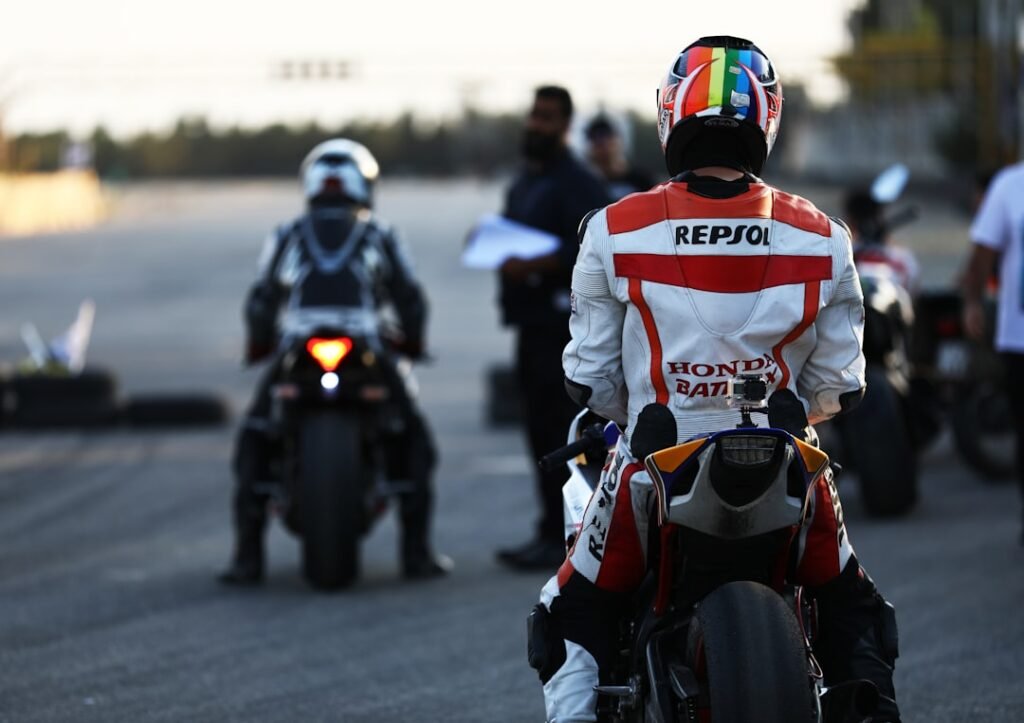
Braking is the most safety-critical control on a motorcycle. This guide explains how to decide when and how to use front and rear brakes, manage weight transfer, perform emergency stops, and practice progressive drills so you build reliable stopping skills in real-world conditions.
Common Braking Technique Mistakes New Riders Make

Braking is the single most safety-critical control on a motorcycle. New riders often make predictable technique errors—panic grabbing, overusing the rear brake, braking while leaned over—that reduce stopping performance and increase crash risk. This guide explains what goes wrong, why, and how to practice safer, more effective braking in a controlled, progressive way.
Braking Techniques for Motorcycle Riders: A Practical Guide
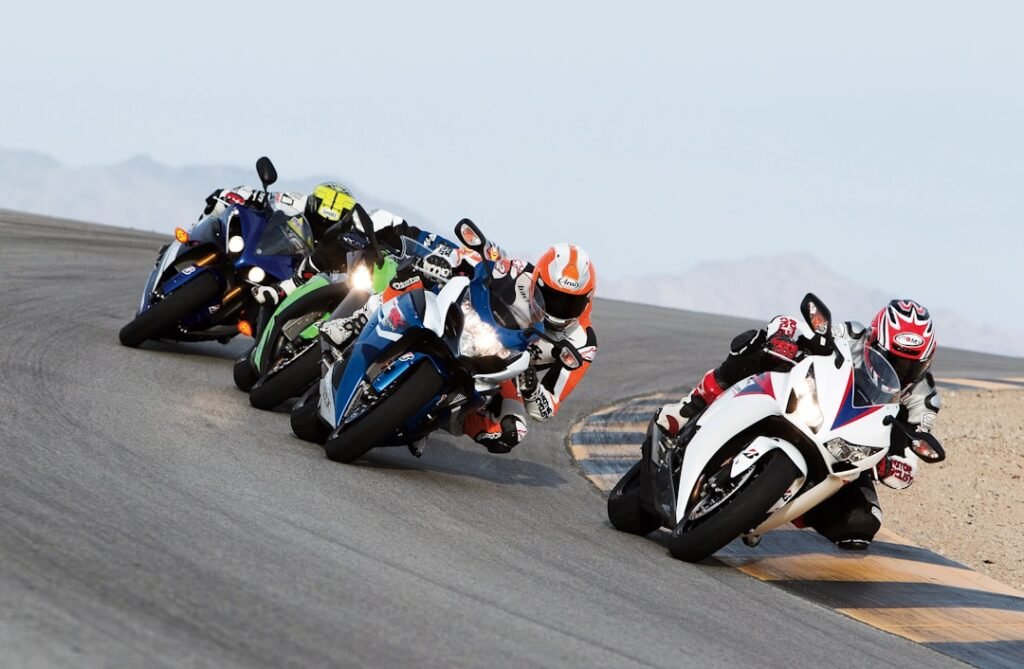
Good braking is a blend of observation, smooth inputs and practiced reflexes. This guide explains the decision framework behind every stop, teaches front/rear and combined techniques, covers emergency braking and cornering situations, and includes drills and a safety‑first checklist to build consistent skill without unnecessary risk.