riderinstinct
Why approach matters: the touring decision framework
Touring is not just longer riding; it changes what matters. On a multi-hour or multi-day ride you trade short-term speed for sustainability, predictability and margin. Confidence on tour comes from managing three interlocking areas: preparation (route, weather, maintenance), load and motorcycle setup (how the bike behaves when loaded), and on-road technique (pacing, scanning, fatigue control).
Before you add any gear or try to push limits, decide what your priorities are for a given tour: efficient transit, scenic exploration, tight timing, or relaxed discovery. Each priority requires a different trade-off. For example, tight timing reduces margin for weather or mechanical issues; exploratory touring benefits from slower speeds and more frequent stops. Being honest about your goals helps you make decisions that create confidence rather than illusions of control.
Key uncertainties you will manage: unknown road conditions; changing weather; the impact of luggage on handling; rider fatigue. Your plan should reduce these uncertainties through conservative choices and contingency options (alternate routes, rest stops, emergency contacts).
Pre-ride planning that actually reduces surprises
Good planning is not about perfection; it’s about reducing the most likely problems. Follow a simple checklist and prioritize the items that matter on the road.
- Route and timing: Break your route into manageable day stages and check for construction, large ferry crossings or sections with limited fuel. Plan for shorter daily distances on unfamiliar roads.
- Weather windows: Check multi-day forecasts and identify sections where weather will be worst. A headwind or persistent rain can slow you more than distance alone.
- Fuel and services: On remote stretches, map fuel stops and add a margin—your bike’s range under load can be lower than on an empty tank. Verify opening hours for accommodation and services.
- Contingency planning: Identify bailout routes, nearest towns, and emergency contacts. Carry a compact kit with basic tools, a charged phone and a power bank.
- Documentation and comfort: Carry copies of registration, insurance, and any roadside membership cards. Pack clothing layers that can be reconfigured for rain, cold and heat.
Do not assume your phone’s navigation or cellular data will be reliable in every area. Consider pre-downloading maps or carrying a physical cue sheet for critical legs.
Bike setup and load management: predictable handling beats lightness fetish
How you pack and set up the bike has an outsized effect on handling and rider confidence. Two core principles: keep the center of mass low and close to the bike’s neutral region, and check suspension and tire pressures after loading.
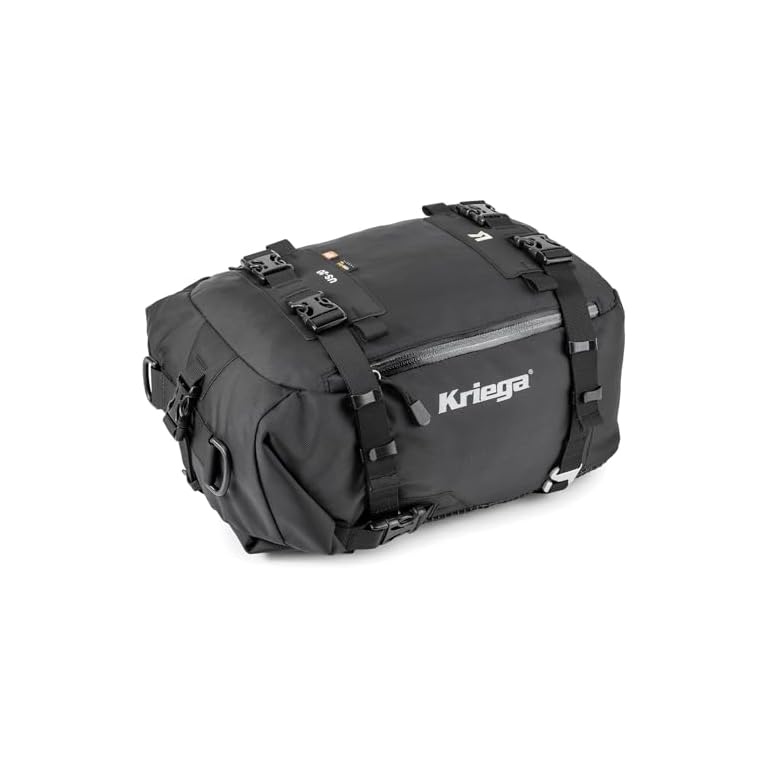
- Packing strategy: Put heavier items low and near the bike’s centerline (backpack weight closer to the seat than high top boxes). Carry essential items where easy access is possible—layers, rain gear, fluids—without unpacking everything.
- Weight distribution: Avoid large overhanging loads that shift your center of gravity rearward or higher. If you use soft luggage, compact it so it doesn’t shift during braking or cornering.
- Suspension and tire pressures: Refer to the owner’s manual for suggested settings under load. If guidance isn’t available, consider a conservative increase to rear preload and check tire pressures when the bike is fully loaded. When in doubt, consult a suspension technician or dealer.
- Fasteners and function checks: Tighten mounts, check lights, kit up your panniers or rack and do a walkaround before each departure. Re-check after the first 20–30 miles of a day to ensure nothing has shifted.
Small adjustments matter: moving 5–10 lb of luggage from a tail bag to panniers can change steering feel and stability. Your objective is repeatable, predictable handling so you can trust inputs without surprise oscillations under braking or at cruising speeds.
Long-ride technique: energy management, posture and microbreaks
Touring demands a riding style that conserves physical and mental energy. Confidence grows when you finish each day relatively fresh and in control.
- Posture: Relax shoulders and grip. Use your core and legs to stabilize rather than hanging off the bars. Stand on footpegs for a few minutes in rough sections or to relieve back pressure.
- Throttle and speed control: Smooth, measured inputs reduce fatigue and prevent surprises in traction on dirty or wet surfaces. Accelerate progressively out of corners and avoid sudden throttle blips that unsettle a loaded bike.
- Microbreaks: Stop every 45–90 minutes to stretch, hydrate and refocus. Short stops are more effective than pushing through exhaustion to save time.
- Hydration and nutrition: Carry water that’s easy to sip while moving. Prefer small, frequent caloric intake (energy bars, light sandwiches) rather than heavy meals that induce sluggishness.
- Eyes and scanning: Use an active scanning pattern—far ahead for line, mid-range for hazards and close for surface details. Change eye focus regularly to avoid tunnel vision caused by fatigue or concentration.
Riding longer distances safely is often about making small, repeatable choices rather than dramatic riding skill. That predictability builds confidence and keeps you in a position to handle unexpected hazards.
Cornering and speed on unknown roads: how to keep margin
Unknown, narrow or twisty roads are a core touring challenge. The temptation is to “test” the limits; the better approach is to preserve margin so you can deal with gravel, farm traffic, animals or oncoming vehicles that encroach on the lane.
- Entry speed and observation: Use observation to choose a comfortable entry speed that lets you scan the exit. On unfamiliar roads, enter corners slower than you think you need to and accelerate smoothly on the exit once the line is clear.
- Line choice: Favor a line that maximizes visibility and escape options rather than the tightest apex. A slightly wider line can give you room to avoid hazards or correct for gravel on the inside of a turn.
- Braking strategy: Do most braking in a straight or gently curving part of the road before the turn. If you must slow mid-corner, use gentle, progressive inputs and avoid heavy front braking while leaned over—this reduces traction margin.
- Reconnaissance and pacing: On a multi-day tour, mentally log roads that felt comfortable and those that didn’t. Use this to plan future days—avoid repeating uncomfortable sections unless necessary.
Conservative cornering on unknown roads is not slow riding; it’s smart margin management. Confidence follows when you can predict how your bike will respond and have space to recover from small mistakes.
Group touring skills: communication, pacing and roles
Riding with others can increase safety and enjoyment but only if the group adopts predictable behavior. Unstructured group rides are where mistakes compound quickly.
- Pre-ride briefing: Agree on pace, maximum distances between riders, hand signals (or comms), rest schedule and actions for mechanical or medical stops. Identify a leader and a sweep (last rider) who stay visible and communicate problems to the group.
- Staggered formation: Use a staggered formation on open highways to give each rider space and a clear sightline ahead. Tight single-file is appropriate on narrow roads where lane position is constrained.
- Passing and pace changes: Pass only when the leader prescribes it and ensure the group regroups after nodes like junctions. Avoid sudden accelerations that surprise riders behind you; call tempo changes early.
- Accommodating different skill levels: Place less experienced riders nearer the front where they can see line choices and pacing, and position stronger riders at the back to support and manage stragglers.
Predictability in group behavior gives riders the confidence to focus on their own inputs rather than worrying about unexpected actions from others.
Adapting to changing conditions: weather, night and high wind
Tours rarely unfold exactly as planned. How you adapt to change is a major part of touring confidence.
- Wet weather: Slow down, increase following distances, avoid painted lane markings and metal surfaces when possible, and be gentle with throttle and brakes. Consider earlier stops if roads become slick or visibility drops.
- High winds: Reduce speed, maintain a firm but relaxed grip, and be prepared for gusts when passing open sections or trucks. Shift body position to counter side gusts—weight the bike on the upwind peg subtly to resist push.
- Night riding: If you must ride after dark, slow your pace, use beams to scan early, and increase following distance. Be aware that animals are more active at dusk and night; reduce speed in known wildlife areas.
- Fatigue or illness: Stop and reassess. Riding while below your usual fitness or when ill multiplies risk. A single extra rest stop can prevent a serious error later in the day.
Adapting doesn’t mean panic; it means choosing conservative options—shorter legs, earlier stops, or rerouting—that preserve safety and reduce stress.
Progressive practice and training: how to build real touring skill
Confidence is best built through staged practice and objective feedback. Use a progression that increases distance, complexity and load incrementally.
- Day rides with load: Start with loaded day trips. Practice packing, checking handling and making small suspension or preload adjustments if needed. Learn how the bike behaves after the first 30–60 miles.
- Back-to-back day rides: Do consecutive long days to understand cumulative fatigue and recovery needs.
- Technical practice: Work with a local instructor on emergency braking, low-speed control with a loaded bike, and corner entry/exit technique. These drills translate directly to touring confidence.
- Group tours with mentors: Ride with experienced tourers who can demonstrate pacing and packing techniques and offer real-time advice.
If you want structured improvement, consider professional courses that focus on advanced braking, cornering and load management. Instructor-led feedback shortens the learning curve and gives you practice under controlled conditions.
Also review RiderInstinct’s resources for further reading: Touring Skills: A Practical Rider Guide, How to Improve Your Touring Skills Safely, and Touring Skills for Motorcycle Riders: A Practical Guide.