How to Plan Better Long-Distance Riding for Long-Distance Riding

Long-distance motorcycle riding is as much about planning and pacing as it is about two-wheeled skill. This guide walks through how to set realistic goals, build an adaptive route, manage fatigue, pack smart, prepare your bike and gear, and handle common contingencies so you arrive safer and less stressed.
Travel Guides: A Practical Motorcycle Touring Guide
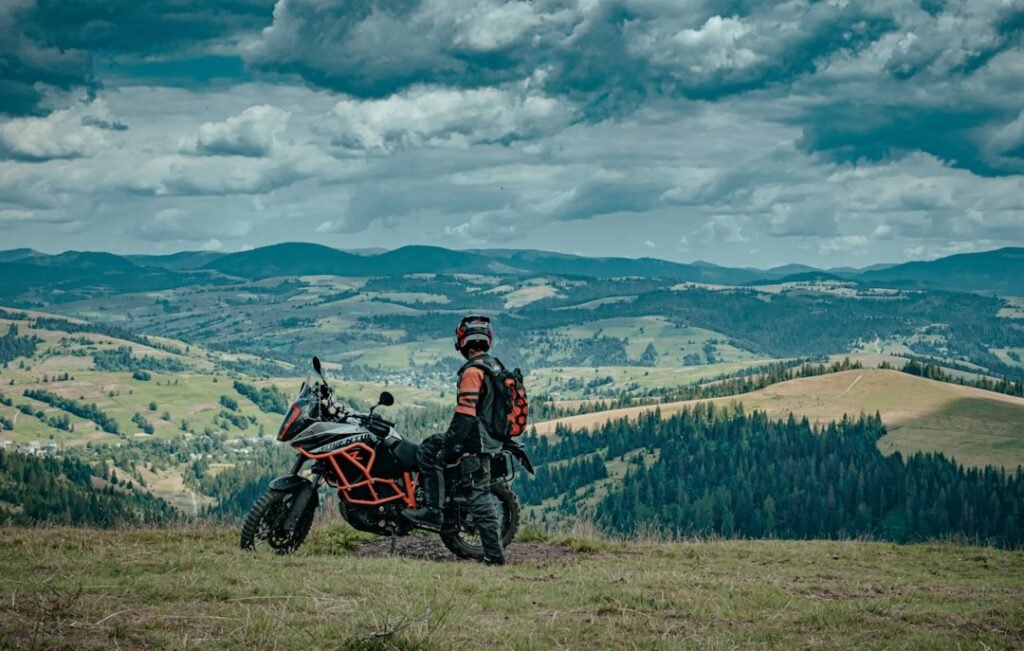
A practical, rider-focused guide to planning motorcycle tours: choosing your route and daily rhythm, preparing your bike, packing smart, managing weather and fatigue, and handling breakdowns or paperwork. Clear trade-offs and checklists for riders of all experience levels.
Motorcycle Camping: A Practical Motorcycle Touring Guide

Motorcycle camping blends riding and minimalist camping skills. This guide covers planning, luggage strategy, shelter and sleep systems, cooking basics, weather and fatigue management, camp security and realistic contingencies so you can stay safe, comfortable and flexible on the road.
Packing Lists: A Practical Motorcycle Touring Guide

A focused, rider-centered approach to packing for motorcycle touring: decision frameworks, priority lists, luggage trade-offs, packing techniques, contingency planning and day-of routines that keep you riding longer and safer.
Touring Equipment: A Practical Motorcycle Touring Guide

A practical, rider-focused guide to the equipment choices that matter most for motorcycle touring: luggage systems, weather protection, tools, navigation, packing strategy and contingency planning. Learn trade-offs, everyday techniques and safety-first checks so your trip stays on the road.
Route Planning: A Practical Motorcycle Touring Guide
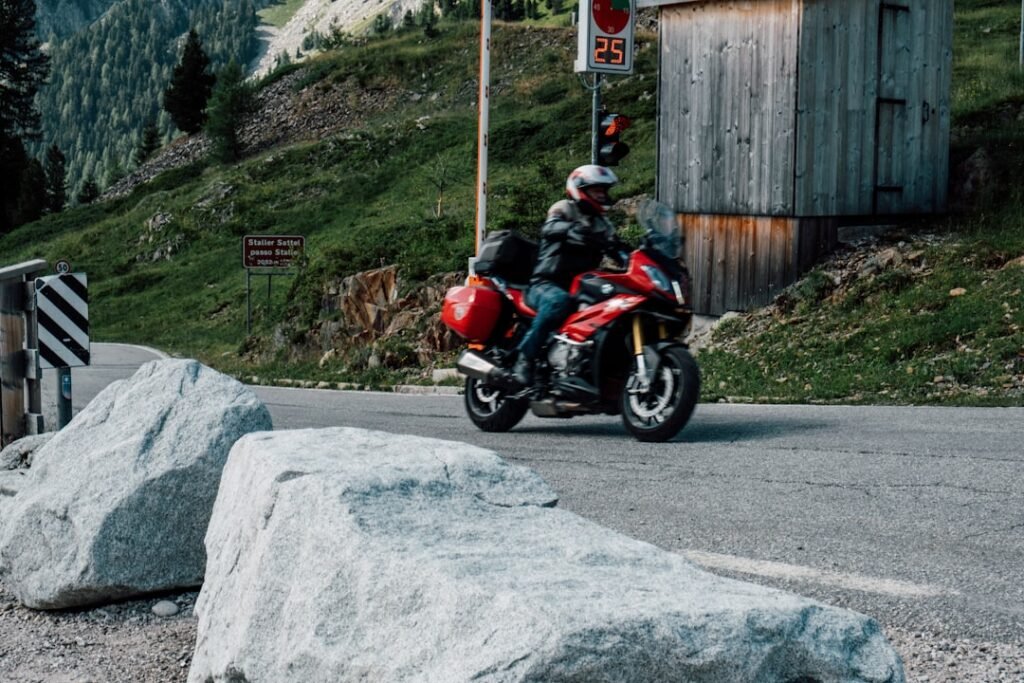
Good route planning balances distance, road quality, weather, fuel and fatigue. This guide walks through a practical decision framework, tools, and daily tactics riders can use to turn an idea into a safe, comfortable trip.
Long-Distance Riding: A Practical Motorcycle Touring Guide

A long ride is as much about planning and small decisions as it is about the miles. This guide covers route strategy, bike preparation, comfort, packing, weather, fatigue management and contingency planning to help you ride farther, safer and with less stress.
Body Armour Explained: What Riders Should Know
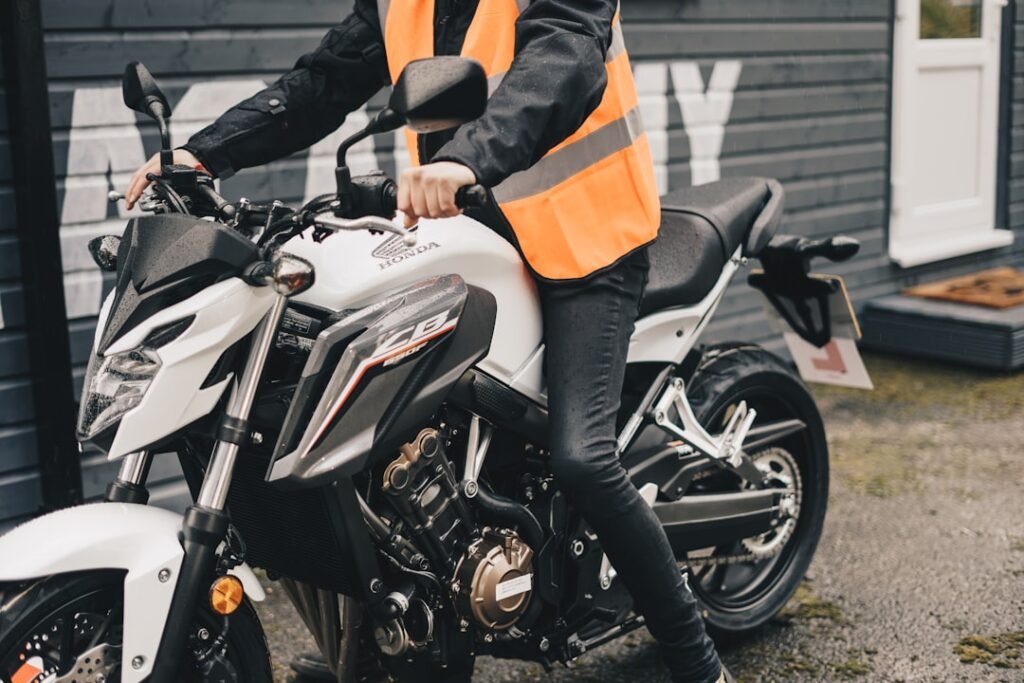
Body armour protects more than skin—spine, chest, shoulders and joints are what determine long-term outcomes after a crash. This rider-focused guide explains armour types, the trade-offs between protection and comfort, how to fit and maintain armour, and practical decision steps for street, touring and off-road riding.
Heated Gear Explained: What Riders Should Know

Heated gear can extend your riding season and make cold-weather rides safer and more comfortable — if you pick the right type of gear, power it correctly, and use it as part of a sensible layering system. This guide explains how heated clothing works, the practical trade-offs between wired and battery systems, control and installation basics, and a clear checklist for buying and using heated gear responsibly.
Rain Gear Explained: What Riders Should Know
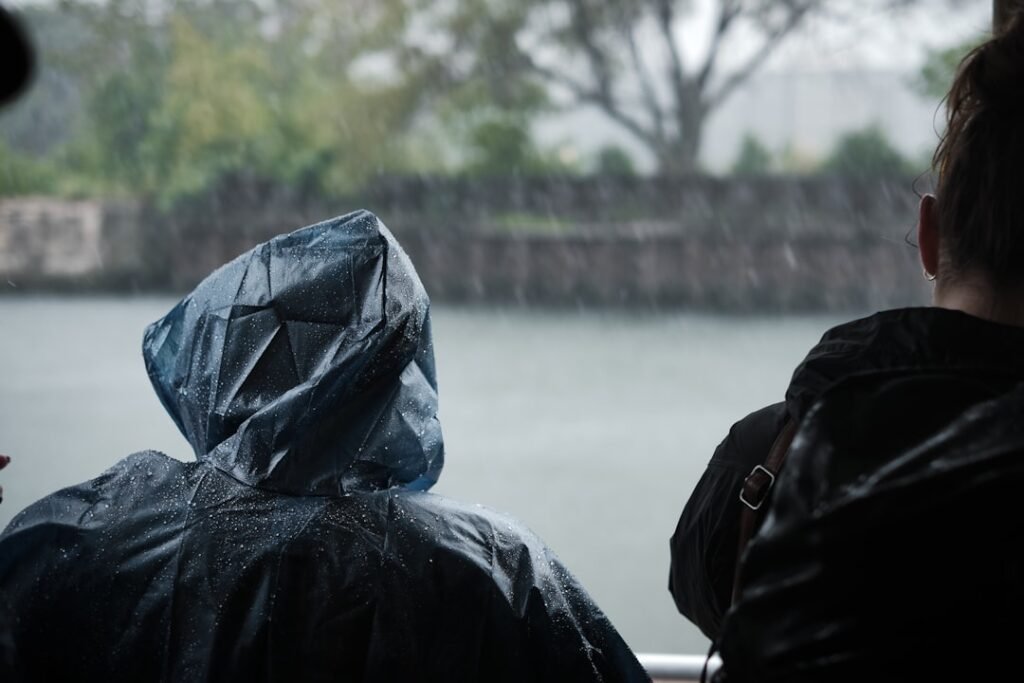
Rain riding is unavoidable for many riders. This guide explains how rain gear works, what to prioritize (waterproofing, breathability, fit, visibility), practical trade-offs, maintenance, and riding adjustments to stay safe and comfortable in wet conditions.
Charging Solutions Explained: What Riders Should Know

A motorcycle’s charging ecosystem combines the battery, charging source, voltage regulation and accessories. This guide breaks down the options—on-bike USB power, maintainers and trickle chargers, portable jump starters, wiring and safety—so you can choose the right solution, avoid common mistakes and protect your battery investment.
Dash Cameras Explained: What Riders Should Know

Motorcycle dash cams can capture critical evidence, deter theft and help you review rides — but they aren’t miracle devices. This guide breaks down how dash cams work, what trade-offs matter for riders, mounting and wiring best practices, legal and privacy considerations, and practical steps to choose and use a unit effectively.